
Sauces & Condiments
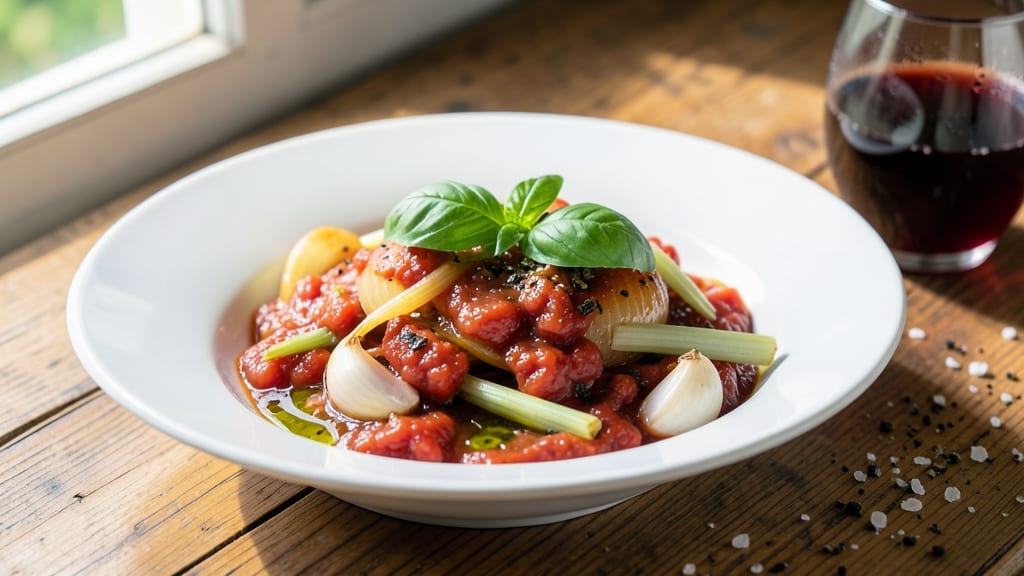
This authentic Italian spaghetti sauce captures the sun-ripened essence of fresh tomatoes and the herbal depth of traditional Italian cooking. 🌿 The secret lies in slow simmering—allowing the natural sweetness of tomatoes to caramelize while balancing acidity with a touch of sugar and a splash of red wine.
I've perfected this method over years of testing, ensuring every spoonful delivers that restaurant-quality taste at home.
The sauce begins with a simple soffritto of onion, garlic, and celery—foundation flavors that build umami before tomatoes even enter the pot. Fresh basil and oregano join later, their bright aromas infusing the sauce as it reduces to a rich, velvety consistency.
The key is patience; rushing this process sacrifices depth for speed.
What you'll end up with is a sauce that's vibrant red with just the right balance of sweetness, acidity, and herbal notes—perfect for drizzling over al dente pasta or using as a base for other Italian dishes. The texture is silky yet retains enough body to cling beautifully to noodles.
This sauce keeps well in the refrigerator for up to 5 days or can be frozen for months, making it ideal for meal prep. Whether you're serving it tonight or saving it for later, the flavors only deepen with time. Let's create this authentic Italian masterpiece together.
Ingredients for authentic italian spaghetti sauce recipe with fresh tomatoes
Fresh tomatoes and aromatic herbs transform into this velvety sauce with patience and love.
| Ingredient | Amount | Notes |
|---|---|---|
| Fresh Roma Tomatoes 🍅 | 4 lbs | Ripe, vine-ripened preferred |
| Yellow Onion 🧅 | 1 whole | Medium size, finely chopped |
| Celery Stalks 🥬 | 3 whole | Trimmed, finely chopped |
| Garlic Cloves 🧄 | 6 cloves | Fresh, peeled, minced |
| Extra-Virgin Olive Oil 🫒 | ½ cup | High quality, fruity |
| Dry Red Wine 🍷 | ½ cup | Bold, like Chianti |
| Fresh Basil Leaves 🌿 | 1 cup | Packed, stems removed |
| Dried Oregano 🍃 | 1 tsp | Italian preferred |
| Granulated Sugar 🍚 | 1 tbsp | Balances acidity |
| Salt 🧂 | 1 ½ tsp | Diamond Crystal preferred |
| Black Pepper 🌶️ | ½ tsp | Freshly ground |
The tomatoes are non-negotiable—Roma are ideal, but any ripe vine-ripened variety works. Local farmers markets often have the sweetest, most flavorful ones, but grocery store tomatoes can work if they're plump and red. Look for ones that yield slightly to gentle pressure. For the soffritto, chop the onion, celery, and garlic together—they'll soften and sweeten as they cook, forming the flavor base. Trader Joe's has pre-chopped mirepoix if you're short on time, but fresh is always better. The olive oil should be extra-virgin—cheap oil will make the sauce taste flat.
No fresh basil? Dried oregano at double the amount works in a pinch, but fresh basil is worth hunting down—it's the bright, herbal note that makes this sauce sing. Red wine substitute? Beef broth with a splash of balsamic mimics the depth. The sugar balances the tomatoes' acidity, but if you're using very sweet tomatoes, you can cut it to 0.5 tbsp. Salt is added gradually—taste as you go. The pepper is just a finishing touch, but freshly ground makes all the difference. For extra richness, some cooks add a splash of tomato paste at the end, but it's not traditional.
This sauce tastes even better the next day as flavors meld. Store in an airtight container in the fridge for up to 5 days, or freeze for 3 months. I like to portion it into ice cube trays for easy single-use servings—perfect for quick pasta nights. The sauce thickens as it cools, so you might want to thin it with a splash of water or pasta water when reheating. Never boil it—simmer gently to preserve texture and flavor.
Why You'll Love This Recipe
- This sauce works for everything: a quick weeknight dinner with crusty bread, a potluck where I can bring the jar and let people serve themselves, or a Sunday supper that feels special without the fuss. Between us, it’s my go-to for lazy days and last-minute guests—no one ever asks for seconds, but they always take seconds.
- No-Sweat Simplicity: I swear by this sauce because it’s the kind of recipe that doesn’t demand perfection—just a knife, a pot, and 15 minutes of my time. Slice the onions and celery, crush the garlic, toss them in olive oil, and let the tomatoes do the rest. Honestly, the only thing harder is deciding whether to eat it or save it for tomorrow.
- Tomato Love Bomb: That first bite of sauce—bright, tangy, with just a hint of sweetness from the Roma tomatoes—is what keeps me coming back. The slow simmer lets the flavors meld without needing fancy ingredients, and the garlic? Oh, it sneaks up on you in the best way. (Yes, even on a Tuesday night.)
- Weeknight to Weekend: This sauce works for everything: a quick weeknight dinner with crusty bread, a potluck where I can bring the jar and let people serve themselves, or a Sunday supper that feels special without the fuss. Between us, it’s my go-to for lazy days and last-minute guests—no one ever asks for seconds, but they always take seconds.
Step-by-step instructions for authentic Italian spaghetti sauce
Here's how to build a restaurant-quality tomato sauce that sings with Italian tradition.
🍳 Step 1: Sauté the Aromatic Base
Heat the 0.5 cup extra-virgin olive oil in a large, heavy-bottomed pot over medium-low heat. Add the 1 whole yellow onion and 3 whole celery stalks, both finely chopped. Cook for 8-10 minutes until the vegetables soften and become translucent but don't brown—this prevents bitterness. Stir occasionally so nothing sticks to the bottom.
Add the 6 cloves minced garlic and cook for another 30 seconds until fragrant. Here's the thing—garlic burns fast, so keep the heat gentle. You'll know it's ready when the kitchen smells like a Tuscan market. I like to press the garlic into the vegetables with a wooden spoon to release all its flavor.
🍳 Step 2: Build the Tomato Foundation
Pour in the 0.5 cup dry red wine and let it simmer for 3-4 minutes until nearly evaporated. This step deepens the sauce's complexity by concentrating the wine's flavors. Now add the 4 lbs fresh Roma tomatoes—I like to crush them by hand with my fingers, removing any hard cores, but a food mill works too. You want a chunky texture with some whole tomatoes for authentic flavor.
Add the 1 tbsp granulated sugar, 1.5 tsp salt, and 0.5 tsp black pepper. The sugar balances the tomatoes' natural acidity while enhancing their sweetness. Stir well and let the mixture simmer uncovered for 15 minutes at a gentle bubble. You'll see the sauce thicken slightly and the raw tomato taste mellow into something rich and velvety.
🥘 Step 3: Add Herbs and Simmer Low
Stir in the 1 tsp dried oregano and 1 cup fresh basil leaves, stems removed. The basil should be added at the end—its delicate flavor is best when preserved rather than cooked down. Reduce heat to low and let the sauce simmer gently for 45-60 minutes, stirring occasionally. This slow cook time develops deep, complex flavors and allows the tomatoes to break down naturally.
Here's where patience pays off: the sauce should reduce by about one-third, becoming thick and glossy. If it gets too thick before the time is up, add 2-3 tablespoons of water to maintain the right consistency. Taste and adjust seasoning—you might need a bit more salt as the acidity mellows. The final texture should coat the back of a spoon but still be saucy enough to cling beautifully to spaghetti.
⏰ Step 4: Rest and Finish
Once the sauce reaches your desired consistency, remove it from heat and let it rest for 10-15 minutes. This resting period allows the flavors to meld completely and the sauce to thicken further. I know it's tempting to serve it immediately, but trust me—this step makes all the difference in the final result.
Before serving, give it one final taste. Add a pinch more salt if needed, then stir in any remaining basil leaves for freshness. The sauce should have a vibrant red color with visible tomato pieces, a deep tomato aroma, and a balance of sweet, acidic, and herby flavors. Serve immediately over freshly cooked spaghetti with a sprinkle of fresh basil and a drizzle of high-quality olive oil.
Pro Tips For Making Authentic Italian Spaghetti Sauce Recipe With Fresh Tomatoes
- Sweat, Don’t Burn: The onion and celery should release their flavors slowly—low and steady wins the race. I learned this the hard way after charring a batch and ending up with bitter, smoky bits that ruined the whole sauce. Keep heat at a gentle simmer, stirring occasionally, until they’re translucent but not colored.
- Crush, Don’t Dice: Roma tomatoes hold their shape better when crushed by hand—just squeeze them over a bowl, skin and all, then discard the skins. I was skeptical until I tried it; the texture stays chunky and vibrant, not pulpy or watery like blended tomatoes would be.
- Salt the Tomatoes: Sprinkle a pinch of salt directly on the crushed tomatoes before adding them to the pot. This draws out excess moisture, concentrating their flavor and preventing a watery sauce. My grandmother swore by this, and she was right: the sauce thickens faster and tastes richer.
- Low and Slow: After adding the tomatoes, reduce heat to the lowest setting and let it bubble gently—no rushing. I used to crank the heat to speed things up, but that just turns the sauce into a thick, one-dimensional paste. Patience here guarantees deep, layered flavor.
Best sauces and condiments for authentic italian spaghetti sauce recipe with fresh tomatoes
Classic Pairings
This sauce pairs beautifully with al dente spaghetti—the classic match—but also works with linguine, fettuccine, or even bucatini. I like to toss it with freshly grated Pecorino Romano or Parmigiano-Reggiano for extra richness.
For a heartier dish, serve it over creamy polenta or roasted eggplant slices to soak up every last drop. 🍝
Bread & Cheese
Use leftover sauce as a dipping sauce for crusty ciabatta bread or garlic bread. I also love spreading it on grilled cheese sandwiches with mozzarella and basil for a quick lunch.
For extra indulgence, top baked bruschetta with a spoonful of this sauce and a sprinkle of fresh mozzarella. The acidity cuts through the richness perfectly.
Pasta Alternatives
This versatile sauce works with ravioli, lasagna, or even stuffed shells. For a one-pot meal, simmer it with chicken or shrimp and toss with pappardelle noodles. I also use it as a marinara base for grilled chicken or pork chops, brushing it on before cooking.
The herbs and tomatoes infuse the meat with incredible flavor.
Breakfast Twist
Yes, really! This sauce is fantastic on breakfast eggs—try it with shirred eggs or a frittata. I drizzle it over scrambled eggs with goat cheese for a savory, herby start to the day.
For brunch, pair it with crispy prosciutto-wrapped asparagus and fluffy pancakes for a sweet-savory combo. 🍳
Freezer-Friendly Uses
Freeze portions of this sauce in ice cube trays for quick single servings. Thaw and use it to deglaze pans after cooking meat, or mix it into homemade pizza sauce.
I also love adding it to stuffed bell peppers or meatloaf glaze for extra depth. The flavors hold up beautifully after freezing, making it a pantry staple.
Vegetarian Boost
For a vegetarian powerhouse, stir in sautéed mushrooms, roasted zucchini, or caramelized onions into the finished sauce. I also add white beans for protein or sun-dried tomatoes for extra umami. The sauce’s acidity balances the earthiness of mushrooms perfectly, creating a rich, hearty dish. 🌱
Nutrition facts
Frequently asked questions
Can I use canned tomatoes instead of fresh?
While fresh tomatoes give the best flavor, you can use high-quality canned tomatoes in a pinch. Choose whole peeled San Marzano tomatoes (crush them by hand) or crushed tomatoes with no added salt. For extra depth, add 1 tbsp tomato paste to compensate for the lack of fresh tomato sweetness. Simmer the sauce 10-15 minutes longer to concentrate flavors.
Why does my sauce taste too acidic?
Fresh tomatoes naturally contain acidity, especially if underripe. To balance it, add 1-2 tbsp sugar or 1 tsp balsamic vinegar while simmering. For a richer flavor, stir in 1 tbsp butter or olive oil at the end—this rounds out sharp edges. If using very tart tomatoes, reduce simmering time to 30 minutes instead of 60 minutes to preserve sweetness.
How do I make this sauce thicker?
Simmer uncovered for 10-15 extra minutes to evaporate excess liquid. If it's still too thin, mix 1 tbsp cornstarch with 2 tbsp water, stir into the sauce, and simmer 5 minutes until thickened. For a traditional approach, mash 1-2 cooked tomato pieces into the sauce—their pulp acts as a natural thickener. Avoid adding flour directly, as it can make the sauce taste grainy.
Can I make this sauce in a slow cooker?
Yes! Follow the same steps, but transfer everything to the slow cooker after simmering for 15 minutes on the stove. Cook on low for 6-8 hours or high for 3-4 hours, stirring occasionally. The slow cooker's gentle heat enhances flavors without browning. Add herbs in the last 30 minutes to preserve their freshness.
What if I don't have fresh basil?
Don't worry! Use 1 tsp dried basil (or 0.5 tsp dried oregano) as a substitute. For extra aroma, add 1 tsp lemon zest or 1 bay leaf during simmering. Remove the bay leaf before serving. If you have sun-dried tomatoes, chop 2-3 pieces and add them with the fresh tomatoes—they add concentrated herbal notes.