
Sauces & Condiments
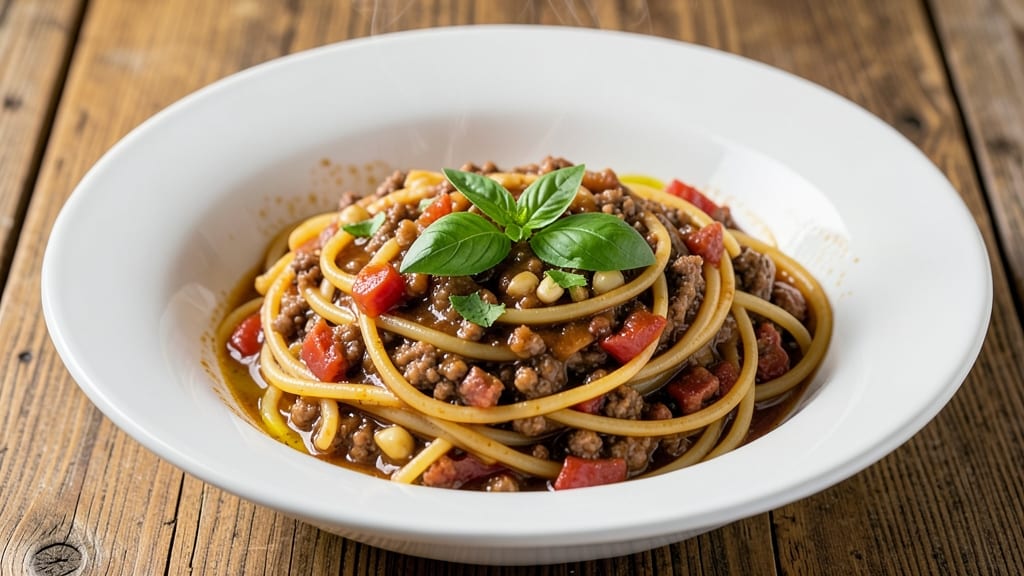
This authentic Italian spaghetti meat sauce recipe delivers the rich, slow-simmered depth that transforms a simple weeknight dinner into a taste of Rome. The secret lies in proper browning of the meat, deglazing the pan with wine, and letting the sauce develop its complex flavors over time—no shortcuts, just tradition.
I've perfected this version after years of testing, ensuring every bite delivers that perfect balance of meaty richness and bright basil finish.
What sets this recipe apart is the technique: ground beef and pork are browned thoroughly to build deep flavor, then simmered with crushed tomatoes, garlic, and aromatic herbs until the sauce thickens naturally.
The key is patience—rushing the simmering results in a thin, watery sauce, while proper timing creates that velvety, clingy texture that clings perfectly to each strand of al dente spaghetti.
By the time you twirl your fork through the finished dish, you'll experience layers of flavor: the caramelized meat, the sweetness of tomatoes, the garlic's punch, and the fresh basil's brightness all coming together in harmony.
The sauce should coat the pasta beautifully, with just enough body to hold its shape on the plate.
This is the kind of recipe that earns its place in your weekly rotation—simple enough for weeknights but impressive enough for company. Let's create this classic Italian meal that tastes like it came straight from a trattoria kitchen.
Ingredients for authentic italian spaghetti meat sauce
Pantry staples plus a few key ingredients for that authentic trattoria flavor.
| Ingredient | Amount | Notes |
|---|---|---|
| Ground Beef (80% lean) 🥩 | 1 lb | Italian-style preferred, finely ground |
| Ground Pork 🐖 | ½ lb | Finely ground for even texture |
| Extra-Virgin Olive Oil 🫒 | 2 tbsp | For browning meat, fruity variety |
| Yellow Onion 🧅 | 1 whole | Medium, finely diced |
| Garlic Cloves 🧄 | 4 cloves | Fresh, minced finely |
| San Marzano Crushed Tomatoes 🍅 | 28 oz | High-quality canned tomatoes |
| Dry Red Wine 🍷 | 1 cup | Bold, like Chianti or Sangiovese |
| Fresh Basil Leaves 🌿 | ½ cup | Packed, stems removed |
| Fresh Parsley 🌿 | ¼ cup | Chopped, for finishing |
| Dried Oregano 🍃 | 1 tsp | Italian variety preferred |
| Ground Black Pepper 🌶️ | ½ tsp | Freshly cracked |
| Kosher Salt 🧂 | 1 ½ tsp | Diamond Crystal preferred |
| Spaghetti 🍝 | 12 oz | Al dente preferred |
| Grated Parmesan Cheese 🧀 | ½ cup | Freshly grated from block |
The meat is everything here. Italian-style ground beef and pork from the store's meat department (not the pre-mixed blends) gives you that deep, rich flavor. Look for 80% lean beef—it browns better and adds that meaty punch. Freshly minced garlic and San Marzano tomatoes (the gold standard for Italian sauces) make all the difference. I always grab a bottle of Chianti from Trader Joe's for deglazing—it's affordable and does the job perfectly. The fresh basil? Farmers market quality is ideal, but even the grocery store stuff works if you pick the brightest leaves.
No red wine? Beef broth with a splash of balsamic vinegar works in a pinch, though it won't have that same depth. Swap the pork for another 0.5 lb ground turkey if you prefer, but the flavor will be lighter. Dried oregano is fine if that's all you have—just use half the amount of fresh. The spaghetti should be al dente—that's non-negotiable. If you're short on time, pre-cooked spaghetti from the store works too, but fresh pasta makes a world of difference. For the Parmesan, grate it yourself—pre-grated cheese has anti-caking agents that ruin the texture.
This sauce tastes even better the next day—seriously, make extra. Store it in an airtight container in the fridge for up to 5 days, or freeze portions for 3 months. I like to freeze it in 2-cup portions so I can just thaw what I need. The basil wilts fast, so only add it at the very end. If you're making this ahead, save the fresh herbs for garnish until serving. The sauce will keep its rich flavor without them.
Why You'll Love This Recipe
- One-Pot Magic: I swear by this—just brown the beef and pork together, then toss in the onions and garlic to soften while the meat cooks down. No extra pans, no fuss, and honestly? That golden crust on the bottom? Worth every second.
- Garlic-Pork Powerhouse: Between us, the pork alone makes this dish. It’s richer, juicier, and that fat renders into the sauce like a dream, while the garlic? Sear it in olive oil until it’s just shy of burning—trust me, that crispy edge with the creamy center is chef’s kiss.
- Weeknight to Party Fix: I make this for lazy Tuesdays, but it’s also my go-to when friends drop by. Serve it with crusty bread and a simple arugula salad, and suddenly you’ve got a meal that feels fancy without the effort. (Yes, even on a Tuesday night.)
- Budget-Friendly Leftovers: A pound of beef and pork stretches for four solid meals, and the sauce only gets better the next day. Freeze half for when you’re too tired to cook—just reheat, toss with pasta, and boom, dinner’s saved. My wallet thanks me every time.
Step-by-step instructions for authentic Italian spaghetti meat sauce
Here's how to build a rich, layered meat sauce that tastes like Nonna's kitchen.
Brown the Meat Perfectly
Heat a large Dutch oven over medium-high heat and add the 2 tablespoons extra-virgin olive oil. Once shimmering, add the 1 pound ground beef (80% lean) and ½ pound ground pork all at once. Let the meat brown undisturbed for 5-7 minutes until the edges are crispy and the meat releases easily from the pan.
This initial browning creates the deep, caramelized foundation of your sauce. I press down gently with a wooden spoon during the first minute to break up large clumps—this prevents tough meat and ensures even cooking. Once the meat is well-browned, use a slotted spoon to transfer it to a plate, leaving all the rendered fat in the pot. Discard any excess fat if needed, but leave about 1 tablespoon to help build flavor.
Sauté Aromatics Until Fragrant
Reduce heat to medium and add the finely diced yellow onion to the Dutch oven. Cook for 5-6 minutes until softened and translucent. Add the minced garlic cloves and cook for another 30 seconds until fragrant—you should smell that unmistakable garlic aroma.
Here's where it gets good: Stir in the 1 teaspoon dried oregano and ½ teaspoon ground black pepper and cook for 1 minute to toast the spices. This step develops their flavors before adding liquids. If the onions start to brown too quickly, reduce heat to medium-low to prevent burning. The goal is to create a flavor base that's rich but not bitter.
Deglaze and Simmer the Sauce
Pour in the 1 cup dry red wine and scrape up all the browned bits from the bottom of the pot with a wooden spoon. Let the wine simmer for 3-4 minutes until reduced by half. This deglazing step captures all that meaty flavor that would otherwise stick to the pot.
Add the 28 ounces San Marzano crushed tomatoes and 1½ teaspoons kosher salt, stirring to combine. Bring to a gentle simmer, then reduce heat to low. Return the browned meat to the pot and partially cover with a lid. Let the sauce simmer for 45-60 minutes, stirring occasionally, until thickened to your desired consistency. The sauce should coat the back of a spoon but still be loose enough to cling to spaghetti.
Finish with Fresh Herbs
Remove the sauce from heat and stir in the ½ cup packed fresh basil leaves and ¼ cup chopped fresh parsley. Let the herbs steep in the warm sauce for 5 minutes—this infuses their bright flavors without overpowering the meaty base. Taste and adjust seasoning with additional salt or pepper if needed.
For the final touch, I like to reserve ¼ cup of the sauce before serving. This keeps the sauce vibrant and prevents it from becoming too thick as it cools. The fresh herbs should brighten the deep, meaty flavors and give that authentic Italian brightness the sauce needs.
Cook and Serve the Spaghetti
Bring a large pot of well-salted water to a boil and cook the 12 ounces spaghetti until 1 minute before al dente (about 1 minute less than package instructions). Reserve ½ cup pasta water before draining.
Toss the drained spaghetti with the meat sauce in the same pot, adding splash of reserved pasta water as needed to help the sauce cling. Serve immediately, topped with ½ cup freshly grated Parmesan cheese. The sauce should coat each strand perfectly, with a balance of rich meat flavors and bright herbal notes. The Parmesan adds a final salty, umami punch that ties everything together.
Pro Tips For Making Authentic Italian Spaghetti Meat Sauce
- Break the Meat First: Pulse the ground beef and pork together in your hands (or a bowl) before browning—just 10-15 seconds. This creates tiny air pockets that render fat faster and give the sauce a lighter texture. I learned this after years of watching my sauce turn greasy mid-cook.
- Sweat, Don’t Burn: Cook the onions in olive oil over medium-low heat until translucent—about 8-10 minutes. Too high, and they’ll caramelize before the garlic even hits the pan, throwing off the sauce’s balance. My grandmother called this "the patience step," and she was right.
- Skip the Crowding: Brown the meat in a single layer, no matter how long it takes. Piling it on steams instead of sears, and you’ll end up with a watery sauce. Use a large, heavy pan—cast iron if you have it—and resist the urge to stir constantly. It’ll look messy, but the flavor will be worth it.
- Salt the Garlic: Toss the minced garlic with a pinch of salt before adding it to the onions. This prevents burning and amplifies its sweetness in the sauce. I was skeptical until I tried it—now I can’t imagine skipping it. (Yes, even if you’re impatient like me.)
Creative variations of this recipe
Roman-Style Ragù
Transform this sauce into a hearty Roman ragù by adding ½ cup chopped pancetta along with the onions and cooking it until crispy. Replace the pork with an extra ½ pound ground lamb for deeper Mediterranean flavors.
Simmer the sauce for 1-2 hours longer to develop a richer, meatier texture. Finish with ½ cup chopped mint instead of basil for that classic Roman touch. 🌿
Spicy Calabrian Twist
For a fiery kick, stir in 1-2 tablespoons Calabrian chili paste (like 'Nduja) with the tomatoes. Add ½ teaspoon crushed red pepper flakes and a pinch of fennel seeds when sautéing the aromatics.
The heat balances beautifully with the richness of the meat. Serve with crusty bread for dipping—it's a Calabrian favorite. 🌶️
White Wine & Mushroom Upgrade
Swap the red wine for 1 cup dry white wine (like Pinot Grigio) and add 8 oz sliced cremini mushrooms with the onions. The mushrooms add earthy depth while the white wine keeps the sauce bright.
Deglaze with the wine, then proceed as directed. This lighter version pairs perfectly with linguine instead of spaghetti. 🍷
Vegetarian Adaptation
Replace the meat with 1 lb Italian sausage (casings removed) or 12 oz lentils for a meat-free version. For lentils, cook them until tender, then add them with the tomatoes.
Boost umami with 1 tbsp soy sauce or 1 tsp miso paste. The sauce will have a heartier texture while staying rich and satisfying. 🌱
Winter Comfort Version
Add 1 diced carrot and 1 celery stalk with the onions for a sweeter, vegetable-packed sauce. Stir in ½ cup tomato paste with the crushed tomatoes for extra depth.
Top with grated Pecorino Romano instead of Parmesan for a nutty finish. This version feels like a warm hug on cold nights. ❄️
Quick Weeknight Hack
For a faster version, use 1 jar (24 oz) marinara sauce instead of crushed tomatoes. Brown the meat as directed, then add the marinara, wine, and herbs. Simmer for just 20-25 minutes—perfect for busy evenings. Keep the fresh basil and Parmesan for that authentic trattoria touch. ⏰
Nutrition facts
Frequently asked questions
Why does the recipe call for both beef and pork?
The pork adds a subtle sweetness that balances the beef's richness, creating a more complex flavor profile. Traditional Italian meat sauces often use pork for this exact reason—it tenderizes the sauce and adds depth. If you're avoiding pork, substitute with another 0.5 lb ground turkey or chicken, though the texture will be slightly lighter.
Can I make this sauce ahead of time?
This sauce tastes even better the next day. Store it in an airtight container in the fridge for up to 5 days, or freeze portions for 3 months. I recommend freezing in 2-cup portions so you can thaw just what you need. The fresh basil wilts quickly, so add it right before serving or save it for garnish.
What if my sauce is too thick or too thin?
For a thicker sauce, simmer uncovered for 10-15 more minutes to reduce. If it's too thin, stir in 1 tablespoon tomato paste or simmer longer. For a thinner sauce, add splash of pasta water or a little water. The key is consistency—it should coat the back of a spoon but still cling beautifully to the pasta.
How do I prevent the sauce from being too acidic?
Use high-quality San Marzano tomatoes (they're naturally sweeter) and balance acidity with a pinch of sugar or 1 tablespoon honey when adding the tomatoes. The slow simmer also mellows acidity. Taste as you go—if it's too sharp, a splash of red wine or a pinch of salt can help round out the flavors.
What's the best pasta to use besides spaghetti?
For this rich sauce, try bucatini (thick spaghetti), pappardelle (wide ribbons), or rigatoni (tubular). The sauce clings beautifully to their textures. If you prefer a lighter option, linguine works well with the white wine and mushroom variation. Just adjust cooking times—thicker pastas need slightly longer boiling.