
Sauces & Condiments
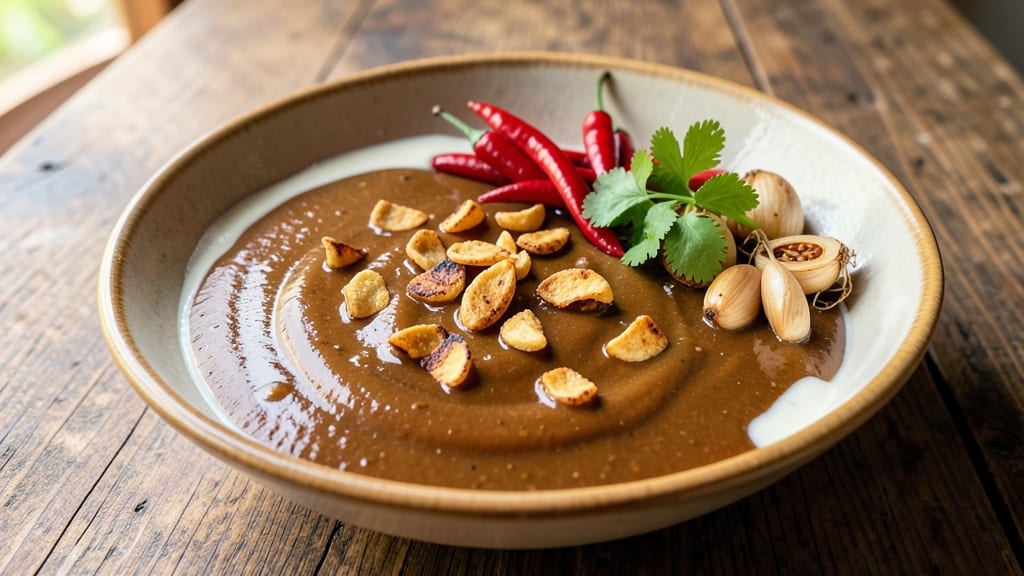
This authentic Indonesian peanut sauce transforms simple ingredients into a velvety, nutty masterpiece with just the right balance of heat and depth. 🌟 The secret lies in slow-toasting whole peanuts for maximum flavor, then blending them with aromatic spices, tangy tamarind, and rich coconut milk—a process that creates a sauce so complex it elevates everything from satay skewers to steamed rice.
What sets this apart is the careful layering of flavors: smoky shallots, fragrant garlic, and a hint of chili that lingers without overpowering.
What makes this sauce truly special is its versatility—it works as a dipping sauce for crispy fried tofu, a glaze for grilled meats, or even a vibrant topping for noodles. The texture is smooth yet clingy, coating every bite with a rich, peanut-forward richness that’s both comforting and exciting.
Unlike store-bought versions, this recipe delivers authentic depth through proper spice toasting and tamarind integration, which adds that signature tangy brightness Indonesian cuisine is known for.
Once you taste this sauce, you’ll never go back to bottled versions. The peanuts develop a deep, toasty aroma when ground fresh, while the coconut milk adds a creamy contrast that balances the heat.
A quick simmer reduces the sauce to the perfect consistency—thick enough to cling but still silky enough to drizzle. Store it in the fridge for up to a week or freeze for months, so you always have this restaurant-quality sauce on hand.
This isn’t just a sauce—it’s a flavor experience that transports you to the streets of Jakarta with every spoonful. Whether you’re serving it with satay, stir-fried vegetables, or even as a dressing for salads, this recipe delivers restaurant-quality results at home. Let’s get started on creating your own batch.
Ingredients for authentic indonesian peanut sauce
Simple pantry staples transform into restaurant-quality peanut sauce with just the right toasty heat.
| Ingredient | Amount | Notes |
|---|---|---|
| Raw Peanuts 🥜 | 1 cup | Whole, unsalted, dry-roasted |
| Shallots 🧅 | 3 whole | Smoked or charred for depth |
| Garlic Cloves 🧄 | 5 cloves | Peeled, slightly crushed |
| Red Chili Peppers 🌶️ | 2 whole | Dried or fresh, seeded |
| Tamarind Paste 🍈 | 2 tbsp | Unsweetened, thick consistency |
| Coconut Milk 🥥 | 1 can | Full-fat, 13.5 oz can |
| Coconut Cream 🥥 | ½ cup | From same can, thick part |
| Soy Sauce 🍜 | 1 tbsp | Dark or light, to taste |
| Palm Sugar 🍯 | 2 tbsp | Or brown sugar substitute |
| Ground Cumin 🌿 | ½ tsp | Toasted for aroma |
| Ground Coriander 🌿 | ½ tsp | Freshly ground preferred |
| Salt 🧂 | ½ tsp | Kosher or sea salt |
| Lime Juice 🍋 | 1 tbsp | Freshly squeezed |
| Vegetable Oil 🫒 | 1 tbsp | For dry-roasting peanuts |
The peanuts are the heart of this sauce, so pick unsalted, dry-roasted ones—the natural oils develop maximum flavor when toasted. Trader Joe's and bulk bins at Whole Foods usually have the best quality. Toast them low and slow in a dry skillet until golden and fragrant—about 8-10 minutes. Skip the pre-salted kind, and if you can't find unsalted, rinse them well. The shallots? Smoke them in a dry pan first for that signature charred flavor that takes this sauce to the next level. Char them until blackened in spots, then peel and blend. That's where the magic happens.
No tamarind paste? Mix 1 tbsp lime juice with 1 tbsp brown sugar for a quick substitute, though it won't be identical. Running low on palm sugar? Brown sugar or coconut sugar works in a pinch, but tamarind's tang is key. The chili peppers can be fresh or dried—if using dried, soak them in warm water for 15 minutes first. Want more heat? Add a pinch of cayenne or a dash of Sambal Oelek. The coconut milk should be full-fat for that rich, velvety texture—Thai Kitchen brand is my go-to, but any quality can works. And if you're feeling fancy, toast the spices in a dry pan for 30 seconds before blending for deeper flavor.
This sauce keeps beautifully—1 week in the fridge sealed in a jar, or 3 months in the freezer. I double the batch and freeze half right away so I always have it on hand. To reheat, just warm gently on the stove with a splash of water or coconut milk to loosen it up. The sauce thickens as it cools, so if it gets too stiff, stir in a teaspoon of warm water. Trust me, once you make this, you'll never buy store-bought again—it's that good.
Why You'll Love This Recipe
- No-Fuss Pantry Staples: I swear by this sauce because it uses ingredients I already have—peanuts, shallots, and garlic—no fancy shopping required. The tamarind paste adds that tangy depth without needing a specialty store.
- Umami Bomb Combo: That crispy peanut crunch meets the slow-simmered shallots and garlic—it’s a flavor explosion. Honestly, the chili peppers give it just enough heat to linger, but not overpower.
- Dip, Drizzle, Repeat: Slather it on grilled chicken, toss with noodles, or just eat it with rice crackers. I’ve used it for everything from weeknight stir-fries to Sunday brunch, and it never lets me down.
- Budget Magic Maker: A handful of peanuts and a few spices stretch to feed four people for under $5. Plus, the leftovers keep for days, so I’m always covered when I forget to meal prep.
Step-by-step instructions for authentic Indonesian peanut sauce
Let's create this velvety, nutty masterpiece that balances rich peanut flavor with perfect heat.
🔥 Step 1: Dry-Roast the Peanuts for Maximum Flavor
Heat a dry skillet over medium heat and add the 1 cup raw peanuts. Toast them for 5-7 minutes, stirring constantly, until they're golden brown and smell deeply nutty. This step develops their natural oils and aroma—don't skip it, or your sauce will taste flat.
When they're done, transfer the peanuts to a plate and let them cool slightly. While they're still warm, use a clean kitchen towel to rub off any loose skins. This gives you perfectly smooth peanut paste later. I like to work quickly here so the peanuts don't cool completely before processing.
🍳 Step 2: Char the Shallots and Chili Peppers
In the same skillet (no need to clean it—the browned bits add flavor), add the 1 tablespoon vegetable oil over medium-high heat. Add the 3 whole shallots and 2 whole red chili peppers (cut in half lengthwise, seeds removed). Cook for 5-6 minutes, turning occasionally, until the shallots are deeply charred and the peppers are blistered.
Here's the thing—charred shallots add an incredible depth of flavor that's essential for authentic taste. When they're properly charred, they'll be blackened in spots but still hold their shape. Transfer them to a cutting board and let cool for 2 minutes before processing.
👨🍳 Step 3: Blend the Base Ingredients
In a high-powered blender or food processor, combine the toasted peanuts, charred shallots, 5 cloves garlic cloves, 2 tablespoons tamarind paste, 0.5 teaspoon ground cumin, 0.5 teaspoon ground coriander, and 0.5 teaspoon salt. Blend until you get a smooth, thick paste—about 1-2 minutes—scraping down the sides as needed.
This is your flavor foundation. The tamarind paste adds that signature tangy-sweet balance, while the spices create warmth. If your mixture is too dry, add 1 tablespoon water at a time until it forms a smooth paste. The consistency should be thick enough to coat the back of a spoon but still blendable.
🥘 Step 4: Cook the Sauce to Perfection
Heat a clean skillet over medium-low heat and add the peanut paste. Cook for 3-4 minutes, stirring constantly, until it's fragrant and slightly darkened. This step develops the peanut flavor and removes any raw taste. Don't let it burn—watch carefully and keep stirring.
Now add the 1 can coconut milk and 0.5 cup coconut cream (the thick part from the can). Stir well and bring to a gentle simmer. Let it cook for 5-6 minutes until slightly thickened. Taste and adjust seasoning with 1 tablespoon soy sauce and 2 tablespoons palm sugar—you want a balance of salty, sweet, and nutty.
🍽️ Step 5: Finish with Lime and Serve
Remove the sauce from heat and stir in the 1 tablespoon lime juice. This brightens all the flavors and cuts through the richness. Let it sit for 2 minutes to let the lime juice fully incorporate. Taste again and adjust seasoning if needed—sometimes the sauce needs just a pinch more salt or sugar.
Your authentic Indonesian peanut sauce is now ready! Serve it warm over grilled meats, rice dishes, or use it as a dipping sauce. The texture should be velvety with just the right amount of body, and each bite should deliver that perfect balance of nutty richness, subtle heat, and tangy brightness. Store any leftovers in the fridge for up to 5 days—it actually tastes better the next day as the flavors meld further.
Pro Tips For Making Authentic Indonesian Peanut Sauce
- Toast Peanuts Slowly: Low heat is your friend here—spread raw peanuts on a dry pan and cook them on medium-low for 8-10 minutes, stirring often, until they’re golden and fragrant. I learned the hard way that rushing this step makes the sauce taste bitter and raw. The goal is nutty aroma, not burnt edges.
- Mince Shallots and Garlic: Use a knife, not a press—finely minced shallots and garlic blend better into the sauce and caramelize more evenly. I was skeptical until I tried it: pressed garlic burns faster and leaves chunks that don’t dissolve, no matter how long you cook.
- Balance Tamarind with Sugar: Tamarind paste is sour by nature, so add ½ teaspoon sugar per tablespoon to round out the flavor. Skip this, and your sauce will taste harshly acidic. Trust me, your taste buds will notice the difference more than you expect.
- Simmer, Don’t Boil: Once the peanut sauce thickens, reduce to a gentle simmer—no splattering, just a slow bubble. Boiling makes it separate, and you’ll end up with a greasy, uneven mess. Keep it steady, like a lazy Sunday morning, not a rushed weekday dinner.
Common mistakes when making perfect results
Skipping the Toast
I see this all the time—people rush the peanut toasting step, either because they're impatient or they think it's optional. Don't skip it! Dry-roasting the peanuts develops their natural oils and creates that deep, toasty aroma that makes this sauce authentic.
If you use raw peanuts straight from the bag, your sauce will taste flat and one-dimensional. I recommend toasting them in a dry skillet over medium heat for 5-7 minutes until golden brown and fragrant. 🥜
Under-Charring Shallots
The shallots are where many home cooks fall short—they don't char them enough. For authentic flavor, you need those shallots to be deeply blackened in spots while still holding their shape. This caramelization adds a smoky depth that's essential.
I use medium-high heat and cook them for 5-6 minutes, turning occasionally, until they're properly charred. If you're hesitant about the dark color, trust the process—it's what gives this sauce its complex flavor profile.
Using Pre-Salted Peanuts
This is a common mistake that completely throws off the balance of your sauce. Pre-salted peanuts add extra sodium that you can't easily adjust for later. The recipe calls for unsalted peanuts so you have complete control over the seasoning.
If you accidentally use salted, don't panic—just reduce the added salt by about ¼ teaspoon and taste as you go. I always keep unsalted peanuts on hand specifically for this recipe.
Incorrect Tamarind Substitution
Many people try to substitute tamarind with just lime juice and sugar, but this misses the mark completely. While you can make a quick substitute with 1 tbsp lime juice + 1 tbsp brown sugar, it won't replicate tamarind's complex tangy-sweet profile.
For the most authentic flavor, use real tamarind paste. If you must substitute, try 1 tbsp lime juice + ½ tsp cream of tartar for a closer approximation of tamarind's acidity. The sauce will still be good, but it won't have that signature Indonesian brightness.
Burning the Peanut Paste
When cooking the peanut paste in step 4, it's easy to let it burn if you're not paying attention. This step requires constant stirring over medium-low heat for only 3-4 minutes. The paste should darken slightly but not char.
If it starts to smell burnt, remove it immediately and start over. The key is patience—let it develop flavor gradually rather than rushing it. I keep a close eye on mine and stir every 30 seconds to prevent any burning.
Overblending the Ingredients
Some people overblend the peanut mixture, which can turn it into a thin, soupy consistency rather than a thick paste. You want it smooth but still thick enough to coat the back of a spoon.
If your blender struggles, add 1 tablespoon water at a time until you reach the right consistency. I use a high-powered blender like a Vitamix for this recipe, as it handles the peanuts and charred shallots more effectively than standard blenders.
The texture should be velvety but still substantial—like a thick peanut butter.
Nutrition facts
Frequently asked questions
Can I make this peanut sauce without tamarind?
Yes, but the flavor will differ slightly. For a quick substitute, mix 1 tablespoon lime juice with ½ teaspoon cream of tartar to mimic tamarind's tang. If you only have sugar, try 1 tbsp lime juice + 1 tbsp brown sugar, though it won't be identical. The sauce will still be delicious but lose that signature Indonesian brightness. For best results, use real tamarind paste when possible.
How long will this sauce keep, and can I freeze it?
This sauce stays fresh for up to 5 days in the fridge when stored in an airtight container. For longer storage, freeze it for up to 3 months. To thaw, let it sit at room temperature for 30 minutes or warm gently on the stove with a splash of water. The texture may thicken after freezing—just stir in a teaspoon of warm water to restore it.
What's the best way to use leftover peanut sauce?
This versatile sauce works perfectly as a dipping sauce for satay skewers, grilled chicken, or crispy tofu. You can also drizzle it over steamed rice, noodles, or even use it as a marinade for meats. For extra richness, mix it with a spoonful of coconut cream before serving. The sauce actually tastes better the next day as the flavors meld further!
Why does my sauce taste bitter or burnt? Bitterness usually comes from overcooking the peanut paste or burning it. Keep the heat at medium-low and stir constantly for only 3-4 minutes—the paste should darken slightly but not char. If it burns, remove it immediately and start over. For extra flavor without bitterness,
Can I make this sauce vegan?
This recipe is already vegan-friendly. Just ensure your tamarind paste and coconut milk are plant-based (many brands are). The palm sugar can be substituted with coconut sugar or maple syrup if needed. All other ingredients are naturally vegan. The sauce works perfectly as a vegan dipping sauce for tofu satay or grilled vegetables.