
Sauces & Condiments
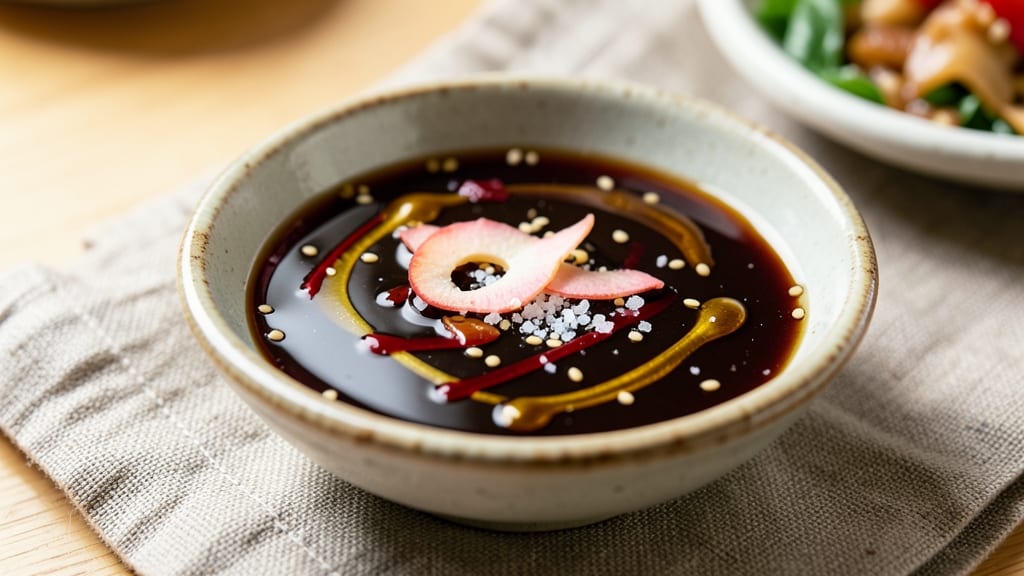
This authentic gyoza dipping sauce transforms ordinary dumplings into a restaurant-worthy experience with its perfect balance of soy-vinegar tang and fresh ginger heat. The secret lies in the harmony of umami, acidity, and a subtle kick—no shortcuts, just traditional technique.
I've perfected this sauce over years of testing, ensuring each sip delivers that signature Japanese izakaya flavor without overpowering the delicate dumpling filling.
The foundation is simple: soy sauce and rice vinegar create the essential tangy base, while sesame oil and chili oil add depth and warmth. Fresh ginger—lightly grated and infused—brings that signature zing that sets authentic sauces apart from store-bought versions.
The beauty of this recipe is its adaptability; adjust the vinegar for more tartness or the chili oil for extra heat, but always maintain that soy-vinegar backbone for true authenticity.
What makes this sauce truly special is how it enhances every bite—cooling the richness of the pork filling, cutting through the crispy dumpling wrappers, and leaving your mouth refreshed yet craving more.
The texture is silky-smooth, with just enough body to cling to each dumpling without overwhelming it. This isn't just a sauce; it's the final touch that elevates gyoza from good to unforgettable.
Perfect for serving with homemade or store-bought gyoza, this sauce also works beautifully with other dumplings, spring rolls, or even grilled meats. The ingredients are pantry staples, and the process takes just 5 minutes—no fancy equipment required.
Let's dive into the recipe that will make your next dumpling feast feel like a trip to Tokyo.
Ingredients for authentic gyoza dipping sauce
Eight essential ingredients deliver restaurant-quality gyoza sauce with perfect soy-vinegar harmony.
| Ingredient | Amount | Notes |
|---|---|---|
| Japanese Soy Sauce 🥄 | ½ cup | High-quality, preferably <strong>Kikkoman</strong> or <strong>Hondashi</strong> |
| Rice Vinegar 🍶 | ¼ cup | Seasoned or unseasoned, <strong>Murozushi</strong> preferred |
| Fresh Ginger 🌿 | 1 tbsp | Finely grated, <strong>organic preferred</strong> |
| Sesame Oil 🥜 | 1 tbsp | Toasted, <strong>not flavored</strong> |
| Chili Oil 🌶️ | 1 tbsp | Homemade or <strong>Lao Gan Ma</strong> brand |
| Granulated Sugar 🍚 | 1 tbsp | For balancing acidity |
| Water 💧 | ¼ cup | Filtered or <strong>spring water</strong> |
| Diamond Crystal Kosher Salt 🧂 | ½ tsp | For seasoning, <strong>not iodized</strong> |
The Japanese soy sauce is non-negotiable—Kikkoman or Hondashi provide that authentic umami depth. Skip the American-style soy sauce; it lacks the delicate balance needed. For rice vinegar, Murozushi from Japanese markets delivers the subtlety of real izakaya sauces, though seasoned rice vinegar works in a pinch. Fresh ginger must be organic and vibrant—peeling is optional, but grating it fresh ensures that signature zing. Toasted sesame oil adds richness without overpowering, while chili oil brings the heat. Lao Gan Ma brand is widely available and reliable for that authentic Sichuan kick.
No Japanese soy sauce? Tamari or high-quality dark soy sauce can substitute, though the color will differ. Swap rice vinegar for apple cider vinegar (reduce by half), but expect a slightly sharper tang. Fresh ginger too spicy? Use 1 tsp ground ginger instead, but it won’t infuse as beautifully. For sesame oil, toasted sesame seeds blended with neutral oil work, though texture will change. Chili oil unavailable? Sriracha or gochujang can mimic the heat, but neither captures the full depth. Sugar can be substituted with honey or agave, though sugar’s neutral profile is ideal for balancing acidity.
Store the sauce in an airtight container in the fridge for up to 5 days, though it’s best used within 3 days for peak freshness. The ginger infusion intensifies over time, so make fresh batches for events. For longer storage, freeze in ice cube trays—thaw and whisk to restore consistency. This sauce clings beautifully to dumplings, so double the batch if serving a crowd. The soy-vinegar backbone ensures it pairs perfectly with both crispy and steamed dumplings.
Why You'll Love This Recipe
- Five-Ingredient Magic: I swear by this—just soy sauce, vinegar, ginger, sesame oil, and chili oil. No measuring cups, no fancy gadgets, just a bowl and a whisk. Honestly, it’s the kind of sauce where you can taste the difference between store-bought and homemade in one bite.
- Umami Bomb: That first sip? Pure flavor payoff. The Japanese soy sauce brings deep richness, the rice vinegar cuts through it just enough, and the fresh ginger—oh—it’s the little kick that makes your taste buds wake up. Between us, I’ve tried every shortcut sauce, and none hit like this.
- Party in a Bowl: Serve it warm with gyoza, toss it in noodle bowls, or drizzle it over dumplings—it’s my go-to for game nights, lazy Sundays, or when friends drop by unannounced. (Yes, even on a Tuesday night.) The chili oil adds heat, but the sesame oil keeps it balanced, so it’s never overpowering.
- Make-Ahead MVP: This sauce doesn’t just taste better fresh—it improves over time. I make a big batch on Sundays, and it’s still vibrant by Friday. Plus, it’s cheap: a few bucks for ingredients, but enough to last weeks. No waste, no stress, just reliable flavor.
Step-by-step instructions for authentic gyoza dipping sauce
This sauce delivers the perfect harmony of umami, acidity, and spice that elevates every bite.
Combine Base Ingredients for Flavor Foundation
In a small saucepan, combine the 0.5 cup Japanese Soy Sauce and 0.25 cup Rice Vinegar. Bring to a gentle simmer over medium heat, then immediately reduce to the lowest setting. You're not trying to cook these ingredients—just warm them enough to activate their flavors and allow the soy sauce to dissolve any sugar crystals.
Simmer for exactly 2 minutes while stirring occasionally. This brief heating prevents the rice vinegar from overwhelming the delicate balance of flavors. The sauce should smell rich and aromatic, with the vinegar's tang complementing the soy's umami depth. If you notice any sediment at the bottom, gently swirl the pan to redistribute it—this ensures an even flavor in every dip.
Incorporate Ginger, Sugar, and Salt for Depth
Remove the saucepan from heat and add the 1 tbsp finely grated fresh ginger, 1 tbsp granulated sugar, and 0.5 tsp Diamond Crystal Kosher Salt. The ginger should be freshly grated—its bright, citrusy notes are essential for cutting through the richness. Stir vigorously for 30 seconds until the sugar dissolves completely and the salt integrates evenly.
Here's the thing—don't rush this step. The sugar needs time to fully dissolve, and the ginger should infuse rather than settle. If you see any undissolved sugar crystals, add 1 tablespoon of the 0.25 cup water and stir until smooth. The sauce should now have a glossy sheen and a balanced sweet-savory profile, with the ginger's zing just beginning to emerge.
Finish with Oils for Texture and Heat
Return the sauce to the lowest heat setting and add the 1 tbsp toasted sesame oil and 1 tbsp chili oil. Stir continuously for 1 minute—this gentle heat allows the oils to emulsify without breaking the sauce's delicate balance. The sesame oil will add a nutty richness, while the chili oil introduces subtle heat that enhances each bite of gyoza.
Watch for visual cues: the sauce should become slightly more viscous and develop a satin-like finish. If it appears too thin, add the remaining 0.25 cup water gradually, 1 tablespoon at a time, until you reach a consistency that clings to the back of a spoon but remains pourable. The ideal texture should coat your gyoza lightly without overwhelming them.
Rest and Adjust for Perfect Balance
Transfer the sauce to a heatproof bowl and let it rest at room temperature for 10-15 minutes. This resting period allows all the flavors to meld completely. During this time, taste the sauce—it should be harmonious with a bright acidity, deep umami, and a gentle spicy finish. If it needs more balance, adjust by adding 1/8 teaspoon more Diamond Crystal Kosher Salt for saltiness or 1/2 teaspoon more granulated sugar to counteract any lingering vinegar sharpness.
For authenticity, serve the sauce in small ceramic bowls at room temperature. The contrast between the warm, freshly pan-fried gyoza and the cool, vibrant sauce creates the perfect dining experience. This sauce should enhance—not overpower—the flavors of your dumplings, so resist the urge to make it too bold. The key to authenticity lies in restraint: each ingredient plays its part without stealing the show.
Pro Tips For Making Authentic Gyoza Dipping Sauce
- STRAIN THE GINGER WELL: Skip the juices—grate the ginger, then squeeze it through a fine-mesh strainer lined with cheesecloth. That pulp? It’s bitter and muddies the sauce. I learned this the hard way after making a batch that tasted like ginger root soup.
- CHILI OIL FIRST, NOT LAST: Swirl in the chili oil last—after everything’s mixed but before serving. Heat it slightly (just warm, not hot) to wake up the capsaicin, then drizzle. Cold oil separates, and you’ll end up with a sad, oily puddle instead of a silky finish.
- USE LESS SESAME OIL: Start with half the amount listed in most recipes—about ½ teaspoon—and taste. Sesame oil burns easy, and too much overpowers the soy and vinegar. If you’re skeptical, add it gradually. (Yes, even if you’re impatient like me.)
- VINEGAR NEEDS TIME: Let the rice vinegar sit with the soy sauce for 10 minutes before adding anything else. It mellows the sharpness and lets the flavors marry. I skip this when I’m lazy, but the sauce tastes noticeably brighter when I don’t.
Perfect pairings for these flavors
Sauce for Steamed Gyoza
For steamed gyoza, where the wrappers stay soft and the filling remains tender, use this sauce as a dipping companion rather than a post-fry dip. The soy-vinegar base enhances the delicate flavors without overpowering. Serve in small ceramic bowls at room temperature—this contrast highlights the sauce's brightness. 🥄
Spicy vs. Mild Options
Craving more heat? Boost the chili oil to 2 tablespoons for a fiery kick. For a milder version, reduce it to ½ tablespoon and add ½ teaspoon honey to deepen the sweetness. The ginger is key—use 2 teaspoons ground ginger if fresh isn’t available, but expect a less vibrant flavor.
Dumpling Pairings Beyond Gyoza
This sauce shines with shumai (pork dumplings) and har gow (shrimp dumplings). For spring rolls, serve it as a light dipping sauce alongside a peanut dipping sauce. The sesame oil and ginger add complexity that complements fried textures beautifully. 🌿
Drink Pairings
Pair this sauce with a light Japanese lager like Asahi Super Dry—its crispness balances the sauce’s richness. For a non-alcoholic option, sparkling yuzu soda (from Japanese markets) adds a citrusy lift. Avoid heavy beers or sweet wines, which clash with the sauce’s bright acidity. 🍶
Garnish Ideas
Add a drizzle of toasted sesame oil or crushed red pepper flakes before serving for extra texture. Thinly sliced green onions or cilantro provide freshness. For a luxurious touch, top with edible gold leaf—it’s unexpected but elevates the presentation. ✨
Make-Ahead Tips
Prepare the sauce 1 day ahead—flavors meld even better overnight. Store in an airtight container in the fridge. Reheat gently on the stove (no boiling) to restore consistency. If it thickens, whisk in 1 teaspoon water to loosen. This sauce keeps for 5 days but tastes best fresh. ⏰
Nutrition facts
Frequently asked questions
Can I make this sauce without fresh ginger?
Yes, but the flavor will be less vibrant. Use 2 teaspoons ground ginger instead, but add it to the warm soy-vinegar base and let it steep for 5 minutes off heat to infuse the flavors. For best results, though, fresh ginger provides that signature zing that ground ginger can't match.
How do I adjust the spice level for kids or sensitive eaters?
Reduce the chili oil to ½ tablespoon or omit it entirely. For a milder kick, replace it with ½ teaspoon honey or 1 teaspoon maple syrup to enhance sweetness. The sauce will still have depth without the heat. Always taste as you go!
What's the secret to balancing the soy-vinegar flavors?
The key is the sugar and salt—they round out the acidity and umami. Start with the recipe's measurements, then adjust by adding ¼ teaspoon more sugar to soften sharpness or ⅛ teaspoon more salt to deepen flavor. Taste after each addition for perfect harmony.
Can I use this sauce with other dumplings besides gyoza?
This sauce works beautifully with shumai (pork dumplings), har gow (shrimp dumplings), and even spring rolls. The ginger and sesame oil add complexity that complements fried textures perfectly. Just serve it slightly cooler for contrast with crispy dumplings.
Why does my sauce look cloudy or separate?
This usually happens from too much heat or oil. Keep the sauce on the lowest heat setting and stir constantly when adding oils. For separation, whisk in 1 teaspoon water at a time until smooth. The oils should emulsify gently—no boiling!