
Sauces & Condiments
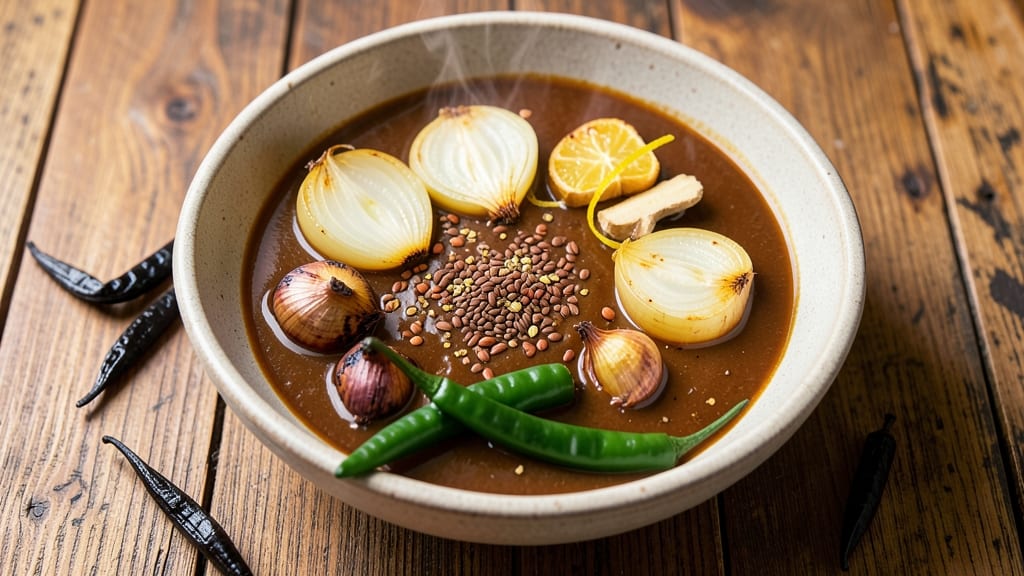
This authentic curry sauce recipe delivers the complex, aromatic layers that define traditional curries—where warm spices and fresh herbs create a balance of heat, sweetness, and umami.
The foundation begins with toasting whole spices until they release their essential oils, then simmering them with onions, garlic, and ginger to build depth.
What sets this sauce apart is the careful reduction of coconut milk and tomatoes, which creates a velvety texture with just the right consistency to cling to proteins or vegetables.
The recipe draws inspiration from classic Indian techniques but remains approachable for home cooks, using simple ingredients like fresh cilantro, curry leaves, and a touch of tamarind for brightness.
Unlike many store-bought versions, this sauce develops its flavor over time—each layer of spice and herb working together to create something greater than the sum of its parts. The result is a sauce that transforms simple proteins into restaurant-quality dishes with minimal effort.
Perfect for pairing with grilled chicken, shrimp, or rice, this curry sauce keeps well in the refrigerator for up to five days, allowing you to make a big batch and enjoy it throughout the week.
The fresh herb finish—cilantro and curry leaves—adds a vibrant contrast to the rich, spiced base, ensuring every bite feels fresh and full of character. Whether you're serving it over basmati rice or drizzling it over roasted vegetables, this sauce elevates any meal.
For those who love customization, the recipe includes easy variations—adjust the heat level with chili powder, or swap in turmeric and cumin for a different regional twist. The key to authenticity lies in the slow simmering process, which allows the spices to meld without overpowering the natural flavors.
Let’s get started on creating a sauce that tastes like it’s been simmering in a professional kitchen all day.
Ingredients for authentic curry sauce
Warm spices, aromatic herbs, and velvety coconut milk create this restaurant-quality curry sauce.
| Ingredient | Amount | Notes |
|---|---|---|
| Yellow Onions 🧅 | 1 whole | Finely chopped for base |
| Garlic Cloves 🧄 | 6 cloves | Peeled and minced |
| Fresh Ginger Root 🌿 | 2 tbsp | Grated, about 1 oz |
| Cumin Seeds 🌶️ | 1 tbsp | Toasted until fragrant |
| Coriander Seeds 🌶️ | 1 tbsp | Toasted lightly |
| Black Cardamom Pods 🌿 | 4 whole | Lightly crushed |
| Green Chili Peppers 🌶️ | 2 whole | Seeds removed for mild heat |
| Canned Crushed Tomatoes 🍅 | 1 cup | About 14 oz total |
| Coconut Milk 🥥 | 1 cup | Full-fat for richness |
| Fresh Curry Leaves 🌿 | ¼ cup | Packed, finely chopped |
| Fresh Cilantro 🌿 | ¼ cup | Chopped for garnish |
| Tamarind Paste 🍯 | 1 tbsp | For tangy brightness |
| Salt 🧂 | 1 tsp | Adjust to taste |
| Extra-Virgin Olive Oil 🫒 | 2 tbsp | For sautéing spices |
The spices are the heart of this sauce—toast them whole in olive oil until fragrant, then grind them for maximum flavor. Whole spices from Penzeys or the bulk section at Whole Foods deliver the best quality. Fresh ginger and garlic should be vibrant (no shriveled cloves or fibrous ginger). For curry leaves, Indian grocery stores carry them fresh year-round, or use dried at half the amount if needed. The tamarind paste adds that signature tang—Trader Joe's sells a great jarred version when fresh isn't available.
No fresh curry leaves? Dried curry powder at one-third the amount works in a pinch, though it lacks that floral note. Substitute canned tomatoes with San Marzano crushed tomatoes for superior flavor. For extra richness, swap half the coconut milk for cashew cream. Heat-sensitive? Reduce the green chilies to just one for milder heat. The tamarind can be replaced with lemon juice at double the amount, though it won't be identical. Always toast your spices—this step makes the difference between good and extraordinary.
This sauce develops deeper flavor over time, so make a double batch and store it in airtight containers. Keeps for 5 days in the fridge or 3 months frozen. The coconut milk separates when chilled—just stir before using. For restaurant-quality results, simmer the sauce uncovered for 20-25 minutes to reduce and concentrate the flavors. The fresh herbs should be added at the very end to preserve their brightness.
Why You'll Love This Recipe
- No Chopping Chaos: I swear by this—just dice one onion and mince a few cloves of garlic. The ginger? A thumb-sized knob, grated in seconds. Toasting the cumin and coriander seeds takes two minutes on the stove, and suddenly, your kitchen smells like a spice market. Honestly, it’s the kind of recipe that makes me question why I ever stressed over complicated prep.
- Layered Heat Magic: That moment when the toasted spices hit the pan with the onions? Chef’s kiss. The cumin’s earthy bite, coriander’s citrusy lift, and the way fresh ginger cuts through it all—it’s the kind of flavor that builds in your mouth like a slow-burning ember. Between us, this isn’t just curry sauce; it’s the backbone of meals that taste like they simmered all day.
- Weeknight to Dinner Party: Slap this on rice with store-bought rotisserie chicken for a Tuesday night win. Or thicken it with coconut milk and serve it over naan for guests who’ll ask for the recipe. I’ll be real: my roommates still think I’m some kind of curry genius because of this sauce. (They don’t know it’s my secret weapon.)
- Fridge Goldmine: Make a double batch—it’s that cheap and easy—and you’ve got freezer-friendly sauce for lazy days. Toss it with frozen veggies and chickpeas for a 15-minute curry, or drizzle it over grilled fish. My freezer’s stocked with jars of this stuff because, let’s face it, no one wants to cook when they’ve got this in reserve. (Yes, even on a Tuesday night.)
Step-by-step instructions for authentic curry sauce
Here's how to build layered spice complexity and bright herb finish from scratch.
Toast Whole Spices for Maximum Flavor
Heat a dry skillet over medium heat and add the 2 tablespoons extra-virgin olive oil. Once the oil shimmers, add the 1 tablespoon cumin seeds and 1 tablespoon coriander seeds along with the 4 whole black cardamom pods and 2 whole green chili peppers (seeds removed). Toast for 1-2 minutes until the spices release their aroma and the cumin begins to darken slightly—you'll smell their nutty, earthy fragrance intensify.
This dry toasting step is critical for developing deep, toasty notes that form the foundation of your sauce. Watch carefully—if the spices start to burn, remove them immediately. Immediately transfer the toasted spices to a small bowl and set aside. The residual heat will continue to develop their flavors even after removal.
Build the Spice Base with Aromatics
In the same skillet (no need to clean it—the browned bits add flavor), add the 1 whole yellow onion that's been finely chopped. Cook over medium heat for 5-6 minutes until the onions soften and begin to caramelize at the edges. Stir occasionally to prevent burning, but let them develop some color.
Add the 6 cloves peeled and minced garlic and 2 tablespoons freshly grated ginger root (about 1 ounce). Cook for another 2-3 minutes until the garlic becomes fragrant and the raw ginger aroma disappears. This aromatic trifecta—onion, garlic, and ginger—creates the savory backbone of your curry sauce. The onions should be golden in spots but not browned.
Incorporate Tomatoes and Tamarind
Pour in the 1 cup canned crushed tomatoes and stir to combine with the aromatic base. Add the 1 tablespoon tamarind paste and 1 teaspoon salt. Simmer over medium-low heat for 8-10 minutes until the mixture thickens slightly and the raw tomato flavor mellows into a sweet, tangy base.
Here's where the sauce begins to transform. The tamarind adds that signature tangy brightness while the tomatoes provide acidity to balance the richness that will come from the coconut milk. Stir occasionally and taste the mixture—it should be developing complexity with layers of sweet, sour, and savory notes. If it's too thick, add 2-3 tablespoons water to loosen it slightly.
Add Coconut Milk and Simmer Gently
Reduce the heat to low and stir in the 1 cup full-fat coconut milk. The sauce will lighten in color and become more velvety. Simmer gently for 10-12 minutes, stirring occasionally, until the sauce thickens to your desired consistency—it should coat the back of a spoon but still be pourable.
This is where the sauce comes together. The coconut milk adds richness while its natural oils help emulsify the sauce. You'll notice small bubbles forming on the surface and the aroma becoming more complex. Taste again and adjust the seasoning if needed—this is your chance to balance the flavors before adding the fresh herbs.
Finish with Fresh Herbs and Garnish
Remove the sauce from heat and stir in the 0.25 cup finely chopped fresh curry leaves and 0.25 cup chopped fresh cilantro. Let the mixture sit for 2-3 minutes to allow the flavors to meld. The curry leaves will release their distinct, slightly bitter aroma while the cilantro adds freshness.
This final step is what makes the sauce authentic. The curry leaves are essential for that traditional South Indian flavor profile, while the cilantro adds brightness and freshness. The sauce should now have a perfect balance of spice, acidity, sweetness, and freshness. Serve immediately over rice or with your choice of protein to experience the full depth of flavors you've created.
Pro Tips For Making Authentic Curry Sauce
- TOAST YOUR WHOLE SPICES: I learned this the hard way—skipping the dry toast for cumin and coriander seeds means they’ll just turn bitter instead of nutty. Heat your pan to medium-high, add the seeds whole, and stir constantly for 30 seconds until they dance and smell like a spice shop. That’s when you know they’re ready to release their magic.
- GRATE GINGER LIKE YOU MEAN IT: Fresh ginger is non-negotiable here, but thinly sliced or chopped won’t cut it. Use a microplane or the smallest holes on a box grater—you want a paste, not confetti. Pack it into the pan with the onions and garlic; this guarantees it’ll melt into the sauce instead of sitting as stubborn chunks. (Yes, even if you’re impatient like me.)
- LOW AND SLOW AFTER BROWNING: The onions start caramelizing after 5 minutes—don’t walk away. Once they’re deep golden, immediately drop the heat to low. Too much heat after browning turns your sauce bitter, and no one wants that. Let it simmer gently so the flavors meld instead of racing to ruin.
- SWAP CORIANDER FOR CILANTRO SEEDS: If you can’t find whole coriander seeds, grab cilantro seeds (they’re the same thing, just labeled differently). Toast them the same way, then grind them fresh in a spice grinder—this makes a real difference over pre-ground powder, which loses its brightness. (Your future self will thank you.)
Serving suggestions for authentic curry sauce
Rice Pairings
This sauce shines when paired with jasmine rice or basmati rice, both of which absorb the rich coconut and spice flavors beautifully. Cook 1 cup basmati rice with 1½ cups water and ½ teaspoon salt—simmer for 12-15 minutes until tender.
For extra aroma, add 2-3 cardamom pods while cooking. The grains should be fluffy and separate, ready to soak up every drop of your sauce. 💛
Protein Combinations
Grilled chicken thighs or shrimp transform into a restaurant-worthy dish when tossed in this sauce. For chicken, marinate 2 bone-in thighs in ¼ cup sauce for 30 minutes before grilling. For shrimp, simmer 12-15 large shrimp in ½ cup sauce for 3-4 minutes until pink.
The sauce’s velvety texture clings perfectly to both proteins, creating a harmonious balance of heat and richness.
Vegetable Applications
Roasted eggplant and cauliflower become irresistible when drizzled with this sauce. Toss 1 cup cubed eggplant and 1 cup cauliflower florets in 1 tablespoon olive oil, roast at 400°F for 20 minutes, then finish with 2 tablespoons sauce.
The sauce’s tangy-sweet profile complements the smoky roasted flavors beautifully. For extra depth, sprinkle with toasted cumin seeds before serving.
Bread and Flatbreads
Use this sauce as a dipping sauce for naan or roti. Warm 2 flatbreads in a dry skillet for 30 seconds per side, then brush with 1 tablespoon melted ghee. The sauce’s richness pairs perfectly with the buttery, pillowy texture of fresh bread.
For a heartier option, spread 2 tablespoons sauce on warm naan and top with sautéed onions and crumbled feta for a fusion twist.
Meal Prep Ideas
Double the batch and store in airtight containers for up to 5 days in the fridge or 3 months frozen. Reheat gently on the stovetop with 1-2 tablespoons water to restore its velvety texture.
Use as a quick weeknight sauce for stir-fries, or freeze in ice cube trays for portion control. The sauce’s versatility makes it perfect for meal prep—simply thaw and toss with your favorite proteins or veggies. ✨
Nutrition facts
Frequently asked questions
Can I make this sauce without coconut milk?
For a dairy-free version, substitute with cashew cream (blend soaked cashews with water) or full-fat Greek yogurt for a tangier profile. The sauce will be slightly lighter but still rich. If avoiding dairy entirely, use 1 cup vegetable broth and reduce the sauce longer to achieve similar thickness. The key is balancing the richness—add a touch of honey or maple syrup if needed to maintain depth.
How do I adjust the heat level?
For milder heat, reduce the green chilies to just 1 whole pepper (seeds removed) or swap them for ½ teaspoon mild chili powder. For extra spice, add 1 teaspoon red chili flakes or ½ teaspoon cayenne pepper at the end. Always taste as you go—you can't remove heat later, but you can balance it with a splash of coconut milk or yogurt.
What's the difference between this sauce and store-bought curry pastes?
This homemade version builds flavor through toasted whole spices and fresh herbs, while store-bought pastes often use pre-ground spices that lose potency quickly. The slow simmering process develops complex layers that canned pastes can't replicate. Plus, you control the heat and freshness—no preservatives or artificial flavors! For a shortcut, use 2 tablespoons of this sauce as a base with 1 tablespoon store-bought paste to boost depth.
Can I use dried curry leaves instead of fresh?
Yes, but use only ½ teaspoon dried curry leaves (about ¼ the amount of fresh). Crush them lightly before adding to release their aromatic oils. Keep in mind dried leaves lack the floral brightness of fresh—if possible, find fresh curry leaves at Indian markets. For extra flavor, toast the dried leaves in the same oil as your spices before adding to the sauce.
Why did my sauce separate when I refrigerated it?
This happens when coconut milk separates naturally—just stir it gently before reheating. For a smoother texture, add 1 tablespoon cornstarch mixed with 2 tablespoons water to the warm sauce and simmer for 2 minutes. The sauce should thicken and become velvety again. Always reheat gently on low heat with a splash of water to prevent curdling.