
Sauces & Condiments
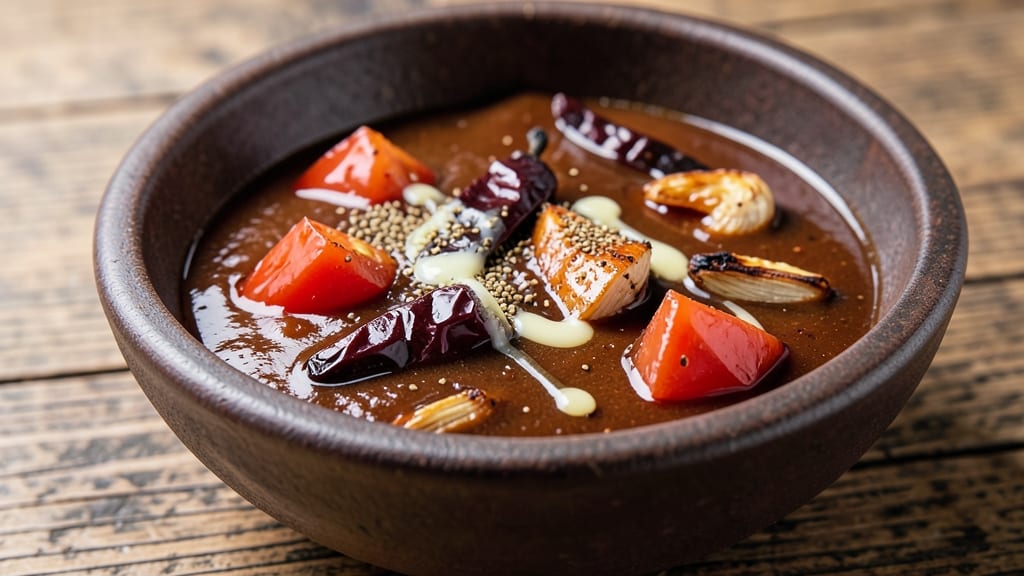
This authentic chipotle adobo sauce transforms simple ingredients into a smoky, complex condiment that elevates everything from tacos to grilled meats. The secret lies in balancing smoldering chipotle peppers with tangy vinegar and earthy spices—a technique perfected in Mexican kitchens but easily adapted at home.
Unlike store-bought versions, this sauce builds layers of flavor through slow simmering and careful blending, ensuring depth that stands up to bold dishes.
The process begins with dried chipotle peppers, rehydrated in their adobo sauce—a step that preserves their natural heat while infusing the liquid with smoky intensity. Garlic, cumin, and a touch of cinnamon round out the spice profile, while vinegar brightens the sauce without overpowering its rich character.
For those who prefer milder heat, simply reduce the number of peppers or increase the vinegar ratio, but never compromise on the slow simmer that develops the sauce’s signature complexity.
What you’ll end up with is a velvety, aromatic sauce that coats proteins and vegetables with a perfect balance of heat, tang, and smokiness. It thickens slightly as it cools, making it ideal for drizzling over grilled corn, folding into soups, or using as a marinade base.
The best part? This sauce keeps for weeks in the fridge or months in the freezer, so you can make a big batch and enjoy it whenever the craving strikes.
Whether you’re cooking for a crowd or prepping for meal prep, this authentic chipotle adobo sauce delivers restaurant-quality results with minimal effort. The key is patience—letting the flavors meld during the simmer creates a sauce that’s far more nuanced than anything you’d find in a jar.
Ready to elevate your dishes with real depth? Let’s get started.
Ingredients for authentic chipotle adobo sauce
Nine simple ingredients create this smoky, restaurant-quality sauce with depth you won't find in jars.
| Ingredient | Amount | Notes |
|---|---|---|
| Dried Chipotle Peppers in Adobo 🌶️ | 4 whole | Stems and seeds removed |
| Adobo Sauce from Chipotle Jar 🍅 | 1 cup | From the same jar as peppers |
| Tomatoes 🍅 | 1 ½ cups | Fire-roasted, diced (canned preferred) |
| White Vinegar 💧 | ½ cup | White or apple cider vinegar |
| Garlic Cloves 🧄 | 4 cloves | Peeled and smashed |
| Ground Cumin 🌿 | 1 tbsp | Toasted for deeper flavor |
| Ground Cinnamon 🍃 | ½ tsp | For subtle warmth |
| Salt 🧂 | 1 tsp | Diamond Crystal preferred |
| Extra-Virgin Olive Oil 🫒 | 2 tbsp | For richness and balance |
| Water 💧 | 1 cup | Adjust for desired consistency |
The chipotle peppers are the heart of this sauce—Goya or La Costeña brands work best, but any quality dried chipotle in adobo will do. Look for peppers that are plump and slightly oily from their adobo bath. The adobo sauce from the jar is just as important as the peppers themselves—it's what keeps them preserved and flavorful. For the tomatoes, Muir Glen fire-roasted canned tomatoes are my go-to; they're sweeter and more flavorful than fresh in this application. If you can't find them, regular canned tomatoes work in a pinch, but you'll lose some of that smoky depth. Toast your cumin seeds in a dry pan for 30 seconds before grinding if you've got whole cumin seeds—game changer for flavor.
No fire-roasted tomatoes? Regular canned tomatoes plus 1 tbsp tomato paste gets you close. Short on vinegar? Lemon juice at half the amount works, though it'll be slightly less tangy. Want to dial down the heat? Remove seeds from 2 of the chipotle peppers before blending. The olive oil is non-negotiable here—it's what gives the sauce that silky texture. Trader Joe's or Whole Foods carry great extra-virgin options. If you're making this for a crowd, double the batch—it keeps beautifully and makes everything taste like you've been to Mexico. The cinnamon might seem odd, but it rounds out the smokiness beautifully—trust me on this one.
This sauce thickens as it cools, so start with 1 cup of water and add more if needed. Store in a sealed jar in the fridge for up to 2 weeks, or freeze for 6 months. I like to portion it into ice cube trays for easy single-use servings—perfect for drizzling over tacos or tossing with grilled veggies. The flavor actually improves after 24 hours as everything melds together. If it gets too thick, just stir in a splash of water or vinegar to loosen it up.
Why You'll Love This Recipe
- No Blender Needed: I’ll be real—this sauce only requires a blender if I’m feeling fancy. Most of the time, I just toss the adobo sauce, tomatoes, and garlic into a pot, simmer until everything breaks down, then strain it. That’s it. No pulsing, no seeds to pick out—just pure, smoky simplicity.
- Smoky Heat Magic: Between us, that first bite of adobo sauce—where the smoldering chipotle meets the bright acidity of vinegar—is chef’s kiss. The tomatoes soften into a velvety base while the garlic infuses deep, and the vinegar cuts through the richness just enough to keep it balanced. It’s the kind of flavor that lingers, making everything it touches taste like a restaurant dish.
- Pantry-to-Table Flexibility: This sauce works as a marinade for chicken, a drizzle over tacos, or even a punch in your chili. I’ve used it to glaze roasted sweet potatoes, stir-fried with tofu, and even slathered on grilled corn. It’s my go-to for weeknight dinners, game-day snacks, or when I’m craving something bold but don’t want to slave over it.
- Lasts All Week: Honestly, I make a big batch on Sundays and let it sit. The flavors deepen overnight, and it keeps for weeks in the fridge—no weird aftertaste, just pure smoky goodness. Plus, since it’s mostly pantry staples, it’s way cheaper than store-bought sauces. That means more money for extra chipotles next time. Win-win.
Step-by-step instructions for authentic chipotle adobo sauce
Here's how to craft restaurant-quality adobo sauce with that perfect smoky depth.
Prepare the Chipotle Peppers
Start by removing the stems and seeds from the 4 whole dried chipotle peppers in adobo. I like to use a small paring knife for this—it gives you better control than your fingers. The seeds contain most of the heat, so removing them creates a balanced sauce with just the right amount of smoky flavor without overwhelming spiciness.
Place the cleaned peppers in a small bowl and cover them with the 1 cup adobo sauce from the same jar. Let them soak for at least 15 minutes while you prepare the rest of your ingredients. This step ensures the peppers rehydrate fully and infuse the sauce with their deep, earthy flavor. Don't skip this—it makes all the difference in the final product.
Sauté the Aromatics
Heat the 2 tablespoons extra-virgin olive oil in a medium saucepan over medium heat. Add the 4 peeled and smashed garlic cloves and toast them for about 30 seconds until they're just beginning to turn golden. You'll smell that wonderful aromatic punch—this is where the sauce gets its depth of flavor.
Next, add the 1 tablespoon ground cumin and 0.5 teaspoon ground cinnamon. Stir constantly for 1 minute until the spices are fragrant and the cumin has released its earthy aroma. Be careful not to let the spices burn—they'll turn bitter if you walk away. This is the foundation of your sauce, so pay attention to the colors and smells developing in the pan.
Combine and Simmer
Add the 1.5 cups fire-roasted tomatoes, 0.5 cup white vinegar, and 1 cup water to the saucepan. Stir well to combine all the ingredients. Bring the mixture to a gentle boil, then reduce the heat to low and let it simmer uncovered for 15-20 minutes. You're looking for the sauce to reduce slightly and thicken—it should coat the back of a spoon.
During this time, add the soaked chipotle peppers and their adobo sauce to the pot. Stir everything together and continue simmering for another 5 minutes. The sauce should now have a rich, smoky aroma with a beautiful deep red color. Taste and adjust the seasoning with the 1 teaspoon salt if needed—this is where you can fine-tune the balance of flavors.
Blend for Smooth Perfection
Carefully transfer the sauce to a blender or food processor. I prefer using an immersion blender right in the pot for convenience. Blend until completely smooth, about 30-45 seconds. The sauce should have a velvety texture with no visible chunks. If it's too thick, add a splash of water or vinegar to reach your desired consistency.
Return the blended sauce to the saucepan and let it simmer for another 5 minutes to meld all the flavors together. The longer it simmers, the more complex and developed the sauce will become. This is where the magic happens—the flavors come together and deepen. You'll know it's ready when it has that perfect balance of smoky, slightly sweet, and tangy notes.
Rest and Serve
Remove the sauce from heat and let it rest for 10 minutes. This resting period allows the flavors to fully develop and the sauce to come together. I like to taste it again after resting—you'll notice how much more balanced and complex it becomes. The sauce should be thick enough to coat the back of a spoon but still pourable.
Your authentic chipotle adobo sauce is now ready to use. It's perfect for drizzling over tacos, soups, or grilled meats, or as a marinade for meats. Store any leftovers in an airtight container in the refrigerator for up to 2 weeks, or freeze for up to 3 months. The flavors will continue to develop as it sits, making it even more delicious over time.
Pro Tips For Making Authentic Chipotle Adobo Sauce
- REMOVE THE PEPPERS FIRST: Chipotles in adobo come packed in sauce—don’t just dump the whole jar. Pull out the peppers first, slice them open lengthwise, and scrape out the seeds and membranes. That’s where the raw heat lives, and skipping this step means your sauce will taste like a mouthful of fireworks instead of smoky depth. (Yes, even if you love spice, balance matters.)
- SIMMER LOW AND SLOW: After blending your tomatoes, vinegar, and adobo sauce, resist the urge to boil it hard. A gentle simmer—just bubbles breaking the surface—keeps the flavors melding without turning the sauce bitter. I used to rush it, and the result was always sharp and one-dimensional. Trust me, 15 minutes at low heat does the trick.
- STRAIN THE GARLIC: Mince your garlic fine, but don’t skip straining it after cooking. Press the blended mixture through a fine-mesh sieve to remove any bits—those little chunks burn easily and can make the sauce taste harsh. (I learned this after serving a batch with a garlic chunk that turned into a bitter, charred memory.)
- USE THE ADOBO SAUCE: That jarred adobo sauce isn’t just a liquid—it’s flavor gold. Don’t substitute it with vinegar or water. It’s got the smoky, tangy base that makes the sauce authentic. If you’re short on time, blend it directly with your tomatoes and vinegar; no need to strain it out. (Your taste buds will notice the difference.)
Regional styles of authentic chipotle adobo sauce
Oaxacan Roots
The chipotle adobo sauce we're making today traces its roots directly to the Oaxaca region of Mexico, where chipotle peppers originated from their ancestor, the jalapeño. In traditional Oaxacan cuisine, this sauce is known as "salsa de chile chipotle" and is used as both a condiment and a marinade.
The key to authentic Oaxacan style is using dried chipotle peppers in adobo sauce—a preservation method that gives the sauce its signature smoky depth. 🌶️
What makes Oaxacan adobo sauce special is its balance of smoke, heat, and acidity. The region's high-altitude climate and volcanic soil contribute to the peppers' unique flavor profile, which is why authentic versions rely on Goya or La Costeña brand chipotles—these brands are trusted for their consistent quality.
The sauce is traditionally simmered longer than commercial versions, allowing the flavors to meld into a complex harmony rather than a simple blend of spices.
Puebla's Bold Twist
While Oaxaca perfected the chipotle sauce, neighboring Puebla put its own spin on the recipe by incorporating tomato-based adobo—a technique that became iconic with the birth of mole poblano. In Puebla, the sauce often includes dried guajillo and pasilla peppers alongside chipotles, creating a deeper, fruitier profile.
For our recipe, we're keeping it focused on chipotle but using fire-roasted tomatoes to capture that Puebla-inspired richness. 🍅
Pueblan cooks also tend to use more vinegar in their adobo sauces, which sharpens the flavor and cuts through the richness of grilled meats. If you're feeling adventurous, try adding 1 teaspoon of dried oregano to your sauce—this is a classic Puebla touch that adds an earthy, slightly floral note.
The result is a sauce that's equally at home on birria tacos or as a marinade for pork carnitas.
Northern Mexico's Smoky Grill
In the northern states like Coahuila and Nuevo León, adobo sauce takes on a grill-house character, often used as a marinade for arrachera (skirt steak) or carne asada. Here, the sauce is typically thicker and oilier, with a focus on smoke intensity rather than tang.
The northern style often includes ground coriander instead of cinnamon, giving it a brighter, more herbaceous profile. For this regional adaptation, you could swap the cinnamon for ½ teaspoon ground coriander and reduce the vinegar to ¼ cup—this creates a sauce that's perfect for slathering on grilled meats. 🔥
One key technique from the north is double-toasting the peppers. After removing the stems and seeds, northern cooks often lightly char the chipotles in a dry skillet before simmering them in the sauce.
This extra step adds an extra layer of smokiness that's worth the effort if you're cooking for a crowd. The result is a sauce that's bold enough to stand up to charred meats without needing extra heat.
Modern Adaptations
Today's home cooks are putting their own spin on traditional adobo sauce, often blending textures or adding unexpected ingredients. One popular modern twist is chipotle-honey adobo, where 1 tablespoon of honey replaces some of the vinegar.
This creates a sweet-smoky sauce that's perfect for glazing pork ribs or drizzling over grilled pineapple. For a spicy-sweet version, try adding 1 teaspoon of maple syrup to the finished sauce—it balances the heat beautifully. 💛
Another contemporary adaptation is smoked adobo, where the sauce is finished with a quick pass under a broiler or even smoked in a pellet grill for 5-10 minutes.
This technique intensifies the smoky flavor and gives the sauce a charred edge that pairs perfectly with tostadas or quesadillas. If you don't have a smoker, a cast-iron skillet over high heat works in a pinch—just watch it closely to avoid burning.
Global Fusion Takes
Chipotle adobo sauce has even made its way into global fusion cuisine, where it's being paired with unexpected flavors. In California-style fusion, it's often mixed with miso paste or soy sauce to create a smoky-savory glaze for grilled salmon or tofu.
For a Korean-Mexican fusion, try adding 1 teaspoon of gochujang (Korean chili paste) to the blended sauce—this adds a fermented depth that complements the chipotle's smokiness. 🌟
Even Italian cuisine has gotten in on the trend, with chefs using adobo sauce as a base for spaghetti aglio e olio or grilled octopus.
The key is to reduce the vinegar (use just ¼ cup) and add 1 clove of roasted garlic and ½ teaspoon of red pepper flakes to bridge the two cuisines. The result is a bold, umami-rich sauce that's perfect for wood-fired dishes.
The beauty of adobo sauce is its versatility—it can be as traditional or as creative as you want!
Nutrition facts
Frequently asked questions
Can I adjust the heat level in this sauce?
For milder heat, remove seeds from 2-3 chipotle peppers before using. For extra spice, keep all seeds and add ½ teaspoon cayenne pepper during simmering. Always taste as you go—you can balance heat later with more vinegar or tomatoes.
What's the best way to store homemade adobo sauce?
Transfer to an airtight container and refrigerate for up to 2 weeks. For longer storage, freeze in ice cube trays (perfect for single servings) or jars for 6 months. Thaw overnight in the fridge—never microwave directly from frozen.
Can I substitute fresh jalapeños for chipotles?
Not for authentic flavor—chipotles provide the signature smoky depth. However, you could roast 4 fresh jalapeños with the skins charred, then blend with 1 tbsp smoked paprika and ½ tsp liquid smoke to mimic the chipotle's complexity. The result won't be identical but works in a pinch.
How can I use this sauce beyond tacos?
This versatile sauce elevates grilled meats (marinate chicken or pork), enhances soups/stews (add 2 tbsp per serving), or makes incredible dipping sauces (mix with Greek yogurt). Try drizzling over avocado toast or mixing into pasta with olive oil and parsley.
Why does my sauce look too thick after blending?
The sauce naturally thickens as it cools. Thin with 1-2 tbsp water or vinegar while warm, stirring constantly. If too thick later, reheat gently with a splash of liquid. For immediate fix, blend with 1 tbsp tomato paste—it dissolves smoothly and adds depth.