
Sauces & Condiments
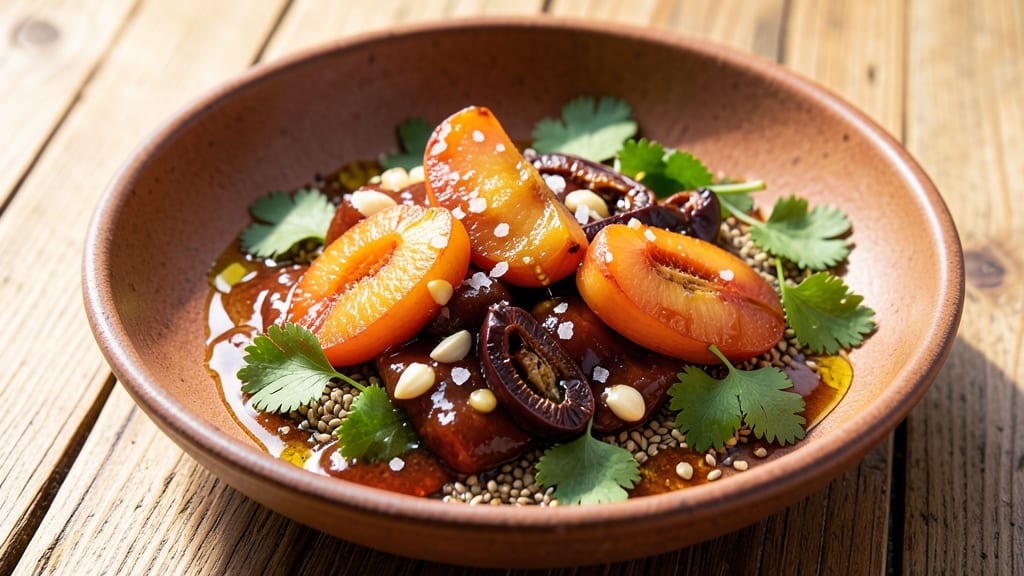
This apricot chipotle sauce transforms ordinary grilled chicken and pork into something extraordinary with its perfect balance of smoky heat and sweet-tart depth. 🔥 The secret lies in simmering fresh apricots with chipotle peppers in a rich broth until the flavors meld into a velvety glaze that clings beautifully.
I developed this recipe after realizing how much better grilled meats tasted when brushed with a sauce that could stand up to their natural richness.
The beauty of this sauce is its versatility—it works as a glaze for meats, a tangy dip for tacos, or even a surprising finishing touch for desserts like ice cream or pound cake.
The process is straightforward: blend apricots with chipotle peppers, garlic, and spices, then reduce the mixture with broth until it reaches a thick, coatable consistency. What you’ll end up with is a sauce that’s sweet enough to please but smoky enough to satisfy those who crave heat.
What makes this sauce truly special is how it elevates simple ingredients. A few minutes of simmering transforms humble apricots and chipotle peppers into a complex, restaurant-quality glaze that’s far more impressive than store-bought alternatives.
The sauce keeps well in the refrigerator for up to a week, making it perfect for meal prep or gifting to fellow food lovers.
Whether you’re grilling for a summer barbecue or looking to add a new dimension to your weeknight dinners, this sauce delivers bold flavor without the fuss. The best part?
It’s ready in just 30 minutes, leaving you more time to enjoy the meal you’ve created. Let’s get started on making this versatile, crowd-pleasing sauce.
Ingredients for apricot chipotle sauce
Sweet-tart apricots meet smoky chipotle in this crowd-pleasing glaze that's perfect for grilled meats and beyond.
| Ingredient | Amount | Notes |
|---|---|---|
| Fresh Apricots, Pitted 🍑 | 1 ½ cups | Peeled if skin-on variety |
| Chipotle Peppers in Adobo Sauce 🌶️ | 3 whole | 2 peppers for mild, 3 for heat |
| Garlic Cloves 🧄 | 4 cloves | Freshly minced for depth |
| Extra-Virgin Olive Oil 🫒 | ½ cup | High-quality for richness |
| Chicken or Vegetable Broth 💧 | 1 ½ cups | Low-sodium preferred |
| Apple Cider Vinegar 🍏 | 1 tbsp | Brightens flavors beautifully |
| Pure Maple Syrup 🍯 | 2 tbsp | For natural sweetness |
| Ground Cumin 🌿 | ½ tsp | Earthy warmth essential |
| Smoked Paprika 🌶️ | ½ tsp | Enhances smoky profile |
| Salt 🧂 | ½ tsp | Kosher or sea salt |
The apricots are the star here—fresh, ripe ones from the farmers market have the best flavor, but canned apricots in juice (drained) work in a pinch. Chipotle peppers in adobo are a must; Frontera or Chipotle brand are my go-tos for consistent quality. I always grab extra peppers because they freeze perfectly for future sauces. The garlic should be fresh, not powdered—it makes all the difference in that smoky-sweet balance. If you're using skin-on apricots, a quick peel before pitting saves time and keeps the sauce silky smooth.
No fresh apricots? Dried apricots soaked in warm water for 20 minutes work surprisingly well. Short on chipotle peppers? Substitute smoked paprika plus a pinch of cayenne for a milder heat. The broth can be swapped for apple juice if you want a sweeter glaze, but chicken or veggie broth keeps it balanced. Want more depth? Add 1 tsp of lime juice at the end for brightness. The maple syrup is non-negotiable—it's what ties the sweet and smoky flavors together beautifully. If you're making this ahead, the sauce actually improves overnight as the flavors meld.
This sauce keeps beautifully in the fridge for up to 1 week—just store it in a sealed jar with a thin layer of olive oil on top to preserve freshness. For longer storage, freeze in ice cube trays and transfer to a bag; it'll last 6 months. I always double the batch because it disappears fast—perfect for grilling season or gifting. The sauce thickens as it cools, so if it's too thick after chilling, just whisk in a splash of warm water. Trust me, the first time you brush this on grilled pork or chicken, you'll be hooked.
Why You'll Love This Recipe
- Fewer Ingredients, Bigger Payoff: I swear by this recipe because it’s that rare sauce where the ingredients actually matter—no filler, no guesswork. Just apricots (those natural sugars caramelize beautifully), a couple of chipotles for smoky depth, and garlic that sings when simmered in olive oil. Honestly, my pantry’s been stocked with these basics for months, and I’ve never regretted it.
- Sweet Heat Magic: The moment the apricot juices hit the simmering chipotle and garlic? Chef’s kiss. It’s not just spicy—it’s a slow-building warmth with a fruity finish that feels luxurious. I’ve drizzled it over grilled chicken, tossed it with roasted veggies, and even stirred it into yogurt for a dip. Every time, my taste buds do a happy dance.
- Weeknight to Dinner Party: This sauce is my secret weapon for when I’m too tired to think but still want to impress. Toss it with shrimp for a 20-minute seafood dish, or glaze some pork tenderloin for a Sunday roast. Between us, I’ve served it at potlucks and had people ask for the recipe before dessert even came out. (Yes, even on a Tuesday night.)
- Makes Leftovers Worth It: Simmer a big batch, and you’ve got flavor for days—no sad, dried-out sauce here. The broth keeps it luscious, and the apricot chunks add texture that freezes perfectly. I’ve reheated this stuff straight from the freezer for tacos, stir-fries, and even a quick pasta sauce. Not the prettiest, but the taste makes up for it every time.
Step-by-step instructions for apricot chipotle glaze
This smoky-sweet sauce comes together in minutes with bold flavors that'll transform your grilled meats.
🍳 Step 1: Sauté Garlic and Toast Spices
Heat the 0.5 cup extra-virgin olive oil in a medium saucepan over medium heat. Add the 4 minced garlic cloves and cook for 1-2 minutes until fragrant but not browned—you want aroma, not bitterness. Here's the thing: garlic burns fast, so keep an eye on it.
Lower the heat to low and add the 0.5 tsp ground cumin, 0.5 tsp smoked paprika, and 0.5 tsp salt. Toast the spices for 30 seconds until you can smell their warm, earthy notes. This step builds the sauce's complex foundation—don't skip it!
🔥 Step 2: Add Apricots and Chipotles
Increase heat to medium-high and add the 1.5 cups pitted fresh apricots (cut into quarters if large). Cook for 3-4 minutes until the apricots soften slightly and release their juices. You'll see them collapse and turn translucent—this is your visual cue they're ready.
Next, add the 3 whole chipotle peppers in adobo sauce, minced (keep the adobo sauce—it's packed with flavor). Stir well and let everything simmer for 2 minutes until the chipotles are fully incorporated. The sauce will start to thicken slightly as the apricot juices meld with the spices.
🥘 Step 3: Build the Sauce Base
Pour in the 1.5 cups chicken or vegetable broth and 1 tbsp apple cider vinegar. Bring to a gentle boil, then immediately reduce heat to low. Let it simmer uncovered for 8-10 minutes until the sauce thickens to a glaze-like consistency—it should coat the back of a spoon.
Real talk: if it reduces too quickly, add 1-2 tablespoons water to maintain balance. The sauce should be thick enough to cling to grilled meats but still glossy enough to glaze beautifully. Stir occasionally to prevent sticking—this is where patience pays off.
🍯 Step 4: Finish with Sweetness
Remove the pan from heat and stir in the 2 tbsp pure maple syrup. Let it sit for 2 minutes to allow the flavors to meld completely. Taste and adjust seasoning—you might need a pinch more salt or a splash of vinegar to balance the sweet and smoky notes.
The sauce should be vibrant red-orange with a glossy sheen and a perfect balance of sweet, smoky, and tangy flavors. If you're using it immediately, strain out the chipotle peppers and apricot pieces for a smoother glaze. For extra depth, leave them in for texture contrast.
⏰ Step 5: Rest and Use
Let the sauce rest for 10 minutes at room temperature. This allows all the flavors to fully develop and the sauce to reach its ideal consistency. The resting period is crucial—it's when the spices really bloom and the sweetness mellows.
Use the glaze immediately on grilled chicken, pork, or even as a dipping sauce. For best results, brush it on during the last 3-5 minutes of grilling so the heat caramelizes the sugars and intensifies the flavors. Store leftovers in the fridge for up to 1 week or freeze for 3 months—it reheats beautifully!
Pro Tips For Making Apricot Chipotle Sauce
- Simmer Slowly, Not Fast: Fresh apricots release their sweetness when given time—don’t rush the simmer. A gentle, steady heat for 15-20 minutes breaks down the fruit into a luscious sauce without burning it, especially if you’re using the pits (they add bitterness if overcooked).
- Strain Twice for Smoothness: Skip the food mill if you hate cleanup—just strain the sauce twice: first through a fine-mesh sieve, then a cheesecloth-lined strainer. The pits and chipotle seeds will clog a single strainer, leaving you with a gritty mess (I learned this after three attempts).
- Toast the Chipotle First: Open the adobo can and let the chipotle peppers sit in the oil for 5 minutes before adding them to the sauce. This softens their raw heat and deepens their smoky flavor—no need to chop them fine, just tear them into rough pieces for easier blending later.
- Blend with Broth Gradually: Dumping all the broth into the blender at once dilutes the sauce and makes it watery. Start with half, blend, then add the rest while tasting—this keeps the apricot’s intensity sharp and the chipotle’s heat balanced (I used to overdo it and end up with soup).
Common mistakes when making your apricot chipotle sauce
Overcooking Apricots
One of the biggest mistakes is letting the apricots cook too long, which turns them mushy and makes the sauce lose its natural sweetness. I’ve ruined batches by keeping them on high heat for more than 4-5 minutes—the texture becomes unappealing, and the sauce tastes flat.
Keep the heat at medium-high and watch closely for that translucent collapse. 🍑
Skipping the Resting Time
Rushing to use the sauce immediately after making it means missing out on flavor development. I’ve learned the hard way that letting it rest for 10 minutes lets the spices bloom and the sweetness mellow. If you’re impatient, at least wait 5 minutes—the difference is noticeable.
Ignoring the Adobo Sauce
The adobo sauce from the chipotle peppers isn’t just a liquid to discard—it’s packed with flavor! I used to strain it out, thinking it was just filler, but now I leave it in.
It adds depth and prevents the sauce from being too one-dimensional. If you’re worried about bitterness, use 2 peppers instead of 3.
Not Adjusting Seasoning
Tasting the sauce before using it is non-negotiable. I’ve made batches where the sweetness overwhelmed the smokiness or vice versa. Always adjust with a pinch of salt, a splash of vinegar, or even a touch of maple syrup. Trust your taste buds—they’ll guide you to the perfect balance.
Using Low-Quality Ingredients
Cheap olive oil, powdered garlic, or canned apricots in syrup will make your sauce taste off. I always use extra-virgin olive oil, fresh garlic, and fresh apricots (or high-quality dried ones). The difference in flavor is night and day—don’t skimp on the basics.
Over-Reducing the Sauce
Thickening the sauce too much turns it into a paste instead of a glossy glaze. I’ve seen people reduce it down to a syrup-like consistency, which loses its versatility. Aim for a sauce that coats the back of a spoon but still drizzles easily.
If it’s too thick, add 1-2 tablespoons of water or broth to restore balance. ✨
Nutrition facts
Frequently asked questions
Can I use dried apricots instead of fresh?
Yes! Soak ½ cup dried apricots in warm water for 20 minutes to rehydrate before using. Drain well and measure 1.5 cups (they'll expand). The texture will be slightly thicker, so you may need to add 1-2 tablespoons water during simmering to achieve the perfect glaze consistency.
How spicy will this sauce be with 3 chipotles?
The sauce will have a moderate heat with 3 chipotles—think "warm" rather than "spicy." For milder heat, use 2 chipotles or remove seeds before mincing. The sweetness from apricots and maple syrup balances the heat beautifully, making it kid-friendly while still satisfying adults.
What are the best ways to use this sauce besides grilling?
This versatile glaze works as a dipping sauce for tacos or quesadillas, a marinade for chicken or pork (add 1 tbsp olive oil), or even a dessert drizzle over vanilla ice cream or pound cake. Try it as a pizza sauce base or mixed with yogurt for a sweet-spicy dip. The possibilities are endless!
Can I make this sauce in a slow cooker?
Combine all ingredients in your slow cooker on LOW for 2-3 hours or HIGH for 1 hour. The slow cooking enhances the flavors beautifully. Since slow cookers reduce less dramatically, you may need to simmer uncovered on the stovetop for 5-10 minutes at the end to thicken it properly.
How do I adjust the sweetness if I prefer less sugar?
Reduce the maple syrup to 1 tbsp and add 1 tbsp honey or agave instead. For even less sweetness, omit the syrup entirely and increase the vinegar to 2 tbsp to balance flavors. Taste frequently during simmering—you can always add more sweetener at the end if needed.