
Sauces & Condiments
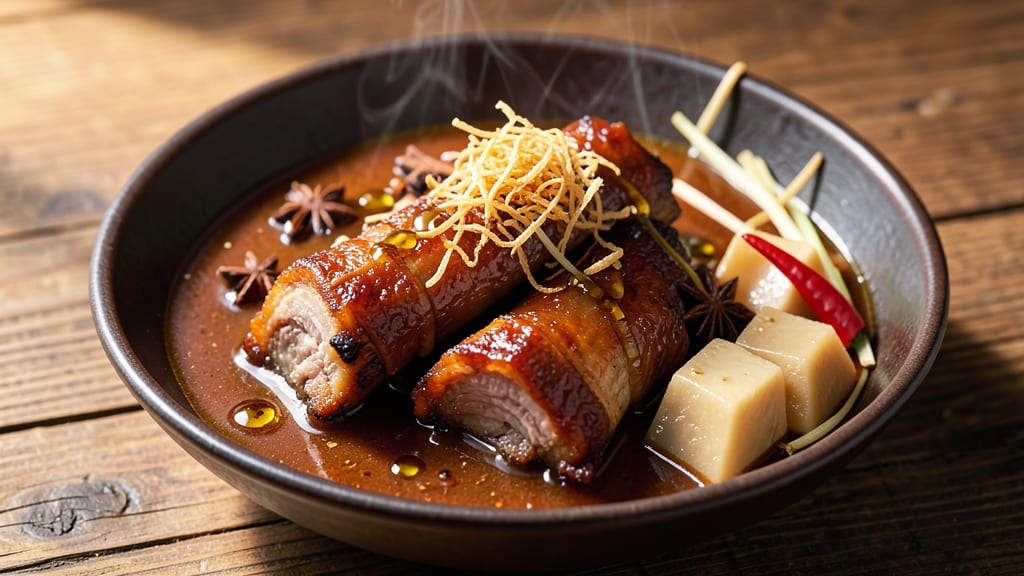
This bak kut teh sauce recipe transforms humble ingredients into a deep, aromatic elixir that defines Malaysian comfort food.
The secret lies in slow-simmering pork bones with fermented bean curd (tauco), creating a sauce that's rich, savory, and subtly sweet—packed with warm spices like star anise and cinnamon that linger long after the first sip.
What makes this sauce extraordinary is how it develops complexity over time, turning simple pantry staples into something restaurant-worthy.
The process is straightforward but requires patience—simmering for 3-4 hours allows the flavors to meld perfectly, with the pork breaking down into tender, melt-in-your-mouth pieces while the spices infuse the broth. The tauco adds its signature funky depth, balancing the sauce's sweetness and umami.
Unlike store-bought versions, this homemade version delivers layers of flavor you won't find in any bottle, making it worth the effort.
By the time you're done, you'll have a sauce that's velvety yet robust, with just the right balance of saltiness, sweetness, and spice. It's the kind of sauce that transforms simple rice into a meal fit for a feast, or elevates stir-fries and noodles to new heights.
The best part? It keeps beautifully in the fridge for up to a week, or can be frozen for months—so you can enjoy this taste of Malaysia anytime.
Whether you're serving it over rice, using it as a marinade, or drizzling it over grilled meats, this sauce is a game-changer. Here's how to make it—step by step—for a flavor experience that's pure comfort in every spoonful.
Ingredients for bak kut teh sauce
Ten simple ingredients that build into a rich, aromatic sauce with deep Malaysian roots.
| Ingredient | Amount | Notes |
|---|---|---|
| Pork Bones 🥩 | 2 lb | Marinated overnight preferred |
| Fermented Bean Curd (Tauco) 🧀 | ½ cup | Malaysian brand preferred |
| Star Anise Pods 🌿 | 2 whole | Whole, not ground |
| Cinnamon Sticks 🌿 | 2 whole | 1-inch pieces preferred |
| Dried Lemongrass 🌿 | 1 cup | Chopped into 2-inch pieces |
| Brown Sugar 🍚 | ½ cup | Packed, light brown preferred |
| Soy Sauce 🥄 | ¼ cup | Dark soy sauce preferred |
| Shallots 🧅 | 4 whole | Peeled, roughly chopped |
| Garlic Cloves 🧄 | 6 cloves | Peeled, smashed |
| Water 💧 | 8 cups | Filtered preferred |
The pork bones are the heart of this sauce—look for marrow-rich bones at your local Asian market or butcher shop. Malaysian or Singaporean brands like Golden Leaf or Fraser & Neave carry the best tauco, but if you can't find it, sub with 1/4 cup miso paste plus 1 tbsp soy sauce—it won't be identical but works in a pinch. Star anise and cinnamon should smell warm and sweet when whole, not dusty. If they're stale, toast them briefly in a dry pan to wake up the flavors. The lemongrass needs to be fresh enough to smell citrusy—if it's dried out, soak it in warm water for 10 minutes before chopping.
No tauco? Miso paste plus soy sauce is your best bet, though it won't have that funky depth. Running short on brown sugar? White sugar plus 1 tsp molasses mimics the caramel notes. The shallots and garlic can be swapped for 1 small yellow onion if needed, but don't skip them—they're the sweet backbone. For a quicker version, pressure cook the bones for 1.5 hours instead of simmering, though the flavor won't develop as fully. The water amount is flexible—add more if the sauce gets too thick during simmering.
This sauce only gets better with time—3-4 hours of simmering is non-negotiable for that restaurant-quality depth. Strain and store in a clean jar, then let it cool completely before sealing. Keeps in the fridge for 1 week or freezes for 3 months. I always make a double batch—one for immediate use, one to freeze for lazy weeknights. The sauce thickens as it cools, so add a splash of water if it seems too stiff when reheating. Serve over rice or noodles, or use as a marinade for grilled meats.
Why You'll Love This Recipe
- One-Pot Magic: I swear by this—just toss pork bones, tauco, and those aromatic spices into a pot, and let them work their magic. No chopping, no fussing, just simmer until the flavors meld into something rich and deep.
- Umami Bomb: That fermented bean curd? It’s the secret weapon here. The pork bones add depth, but the tauco gives it this funky, savory punch that makes every spoonful irresistible—like a hug in a bowl.
- Leftovers That Shine: Make a big batch on Sunday, and you’ve got dinner covered all week. The sauce only gets better as it sits, so reheating it for rice or noodles is always a win—no sad takeout nights here.
- Budget-Friendly Luxury: Pork bones and dried spices won’t break the bank, but they taste like you spent hours slaving over a fancy dish. Honestly, it’s the kind of recipe that makes you feel like a chef without emptying your wallet.
Step-by-step instructions for bak kut teh sauce
This aromatic broth develops rich depth over time—let's build it layer by layer.
Parboil the Pork Bones
Place the 2 lb pork bones in a large pot and cover with cold water. Bring to a boil over high heat, then immediately reduce to a simmer. Skim off any foam that rises to the surface for the first 5 minutes—this removes impurities for a cleaner broth. Simmer uncovered for 30 minutes to help extract initial flavors and soften the bones slightly. You'll notice the water turn cloudy at first, then gradually clear as impurities release.
After 30 minutes, drain and rinse the bones thoroughly under cold water. This removes any scum and prepares them for the next flavor infusion. Return the cleaned bones to the same pot and set aside—we'll build our aromatic base around them next.
Build the Aromatic Base
In the same pot, add the 4 whole shallots, 6 cloves garlic, 2 whole star anise pods, and 2 whole cinnamon sticks. Toast these aromatics over medium heat for 2-3 minutes until you smell their warm, earthy fragrance. This step awakens their flavors before we add liquid. Be careful not to let them brown—they should just smell amazing, not look charred.
Add the 8 cups water and bring to a gentle boil. Immediately reduce heat to low and add the 1 cup dried lemongrass and 0.5 cup brown sugar. The sugar will help caramelize slightly and balance the broth's richness. Return the pork bones to the pot and let everything simmer uncovered for 45 minutes. You'll see the liquid develop a pale golden hue and smell the lemongrass releasing its citrusy aroma.
Add Fermented Bean Curd and Soy Sauce
After 45 minutes, stir in the 0.5 cup fermented bean curd (tauco) and 0.25 cup soy sauce. The tauco will sink to the bottom—this is normal. Let the broth simmer uncovered for another 1 hour, skimming any foam that rises occasionally. The liquid should reduce slightly and develop a deep amber color with visible specks of spice. This is where the sauce transforms from simple broth to complex elixir.
I like to taste the broth at this stage—it should be sweet, savory, and subtly funky from the tauco. If it needs more depth, you can add a pinch of salt, but trust the soy sauce and tauco to deliver most of the umami. The bones should be tender enough to pull apart slightly with a fork, but still have some structure.
Simmer to Perfection
Continue simmering uncovered for another 1-2 hours until the broth reduces to about 6 cups and the pork bones are fork-tender. The sauce should coat the back of a spoon and have a syrupy consistency. You'll know it's ready when the aroma is intense and the flavors are perfectly balanced—sweet from the sugar, funky from the tauco, and aromatic from the spices.
Strain the broth through a fine-mesh sieve to remove all solids, pressing gently on the pork bones to extract maximum flavor. Discard the bones and aromatics. The finished sauce should be deep amber with a glossy sheen. Let it cool to room temperature before storing—this allows the flavors to meld completely. The sauce keeps well in the refrigerator for up to 5 days or can be frozen for longer storage.
Pro Tips For Making Bak Kut Teh Sauce
- BLANCH BONES FIRST: I learned this the hard way—skipping the quick blanch (3 minutes in boiling water) leaves your pork bones with a muddy broth instead of a crystal-clear base. The starch rinse also cuts down on that cloudy look later, so don’t skip it, even if it feels like extra work.
- CRUSH TAUCO GRAINS: Fermented bean curd (tauco) works best when the grains are broken open—this releases the funky umami depth. Use the flat side of a knife or a mortar and pestle (yes, even if you’re impatient like me) to crack them before adding to the pot. Whole chunks just sit there like decorative rocks.
- SIMMER LOW AND SLOW: After the initial hard boil, drop the heat to the lowest setting you can tolerate—this isn’t a race. Star anise and cinnamon need 2+ hours to infuse properly, and rushing it turns the sauce bitter. Cover the pot and let it whisper, not shout.
- STRAIN THE SPICES: Remove the star anise, cinnamon, and lemongrass stalks before serving—unless you fancy chewing on them. Straining through a fine-mesh sieve (or even cheesecloth) guarantees a smooth sauce. I used to leave them in for "more flavor," but the texture was all wrong. Trust the process.
Troubleshooting this recipe
Cloudy Broth Fix
If your broth turns cloudy during simmering, it’s not ruined—just skim the surface foam vigorously for 5 minutes with a fine-mesh ladle. The cloudiness comes from impurities in the pork bones, but they’ll dissipate as the broth reduces.
For extra clarity, strain through a cheesecloth-lined sieve after simmering, pressing gently on the solids to extract flavor without transferring sediment. 🌡️
Tauco Shortage Substitute
Without fermented bean curd (tauco), blend ¼ cup miso paste with 1 tbsp soy sauce and 1 tsp fish sauce for a similar funky depth. Add it with the soy sauce during Step 3, but simmer 15 minutes longer to let the umami develop.
The flavor won’t be identical, but it’ll save your sauce from being flat. I’ve used this swap in a pinch when traveling—it’s a lifesaver!
Overly Sweet Sauce
If your sauce tastes too sweet, balance it with 1 tsp fish sauce or ½ tsp white pepper (added in the final 10 minutes of simmering). The acidity from a splash of rice vinegar (just ½ tsp) also cuts sweetness beautifully.
Taste as you go—adjust gradually to avoid overpowering the delicate spices. 💡
Bones Not Tender Enough
If your pork bones feel tough after 3-4 hours, they likely need more time. Extend simmering by 30-60 minutes at a gentle boil, or switch to a pressure cooker for 1.5 hours (high pressure) to break them down faster.
Avoid rushing—undercooked bones make the sauce taste bland. I’ve had to wait up to 5 hours for stubborn bones, but it’s worth it for that melt-in-your-mouth texture.
Sauce Too Thin
Simmer uncovered until reduced by 25-30%, or thicken with a cornstarch slurry (1 tbsp cornstarch + 2 tbsp cold water) stirred in during the final 5 minutes.
For a more traditional approach, mash a few pork bones against the pot’s side to release collagen, which naturally thickens the sauce. Avoid adding flour—it can make the sauce taste grainy. ✨
Stale Spices
If your star anise or cinnamon sticks smell dull, toast them in a dry pan over low heat for 1-2 minutes** until fragrant. Stale spices lose their aromatic oils, so this quick step revives their flavor.
For extra insurance, crush the star anise pods slightly with the back of a spoon before adding to the pot—this releases more flavor into the broth. Freshness matters, especially with whole spices!
Nutrition facts
Frequently asked questions
Can I make this sauce without pork bones?
The pork bones are essential for that signature rich, gelatinous texture that makes bak kut teh sauce so special. For a vegetarian version, use 2 cups mushrooms (like shiitake or oyster) plus 1 tbsp soy sauce to mimic umami depth, but the sauce will be thinner. Simmer the mushrooms for 1 hour first to develop flavor, then proceed with the rest of the recipe.
How do I know when the tauco is ready to use?
Fresh tauco should smell funky and fermented—like a mix of soy sauce and aged cheese. Look for a slightly sticky, crumbly texture with visible mold spots (this is normal!). If it smells too sharp or has a sour vinegar-like odor, it may be past its prime. Store-bought tauco usually comes pre-fermented, but if homemade, ensure it's been fermenting for at least 3 months for proper depth.
Can I use this sauce in other dishes besides rice?
This versatile sauce elevates everything from stir-fries to noodles. Use it as a marinade for grilled meats (especially pork or chicken), drizzle over dumplings, or mix into soups. For extra richness, reduce the sauce by 50% first to create a thick glaze. The warm spices pair beautifully with roasted vegetables too—try tossing them in the sauce before roasting.
Why does my sauce smell stronger than it tastes?
This happens when spices overpower the broth. Simmer uncovered to let volatile aromas escape, or reduce the star anise to 1 pod and cinnamon to 1 stick. The tauco and soy sauce should carry the flavor—if the spices dominate, strain them out earlier. For a more balanced taste, add a pinch of white pepper in the final 10 minutes to highlight the broth's depth.
How do I store leftovers to keep them fresh?
Let the sauce cool completely before transferring to an airtight container. It keeps in the fridge for 5-7 days—the flavors actually improve over time! For freezing, portion into ice cube trays, then transfer cubes to a bag. Thaw overnight in the fridge and stir in 1 tsp water to restore consistency. The sauce thickens when cold, so reheat gently on low heat.