
Sauces & Condiments
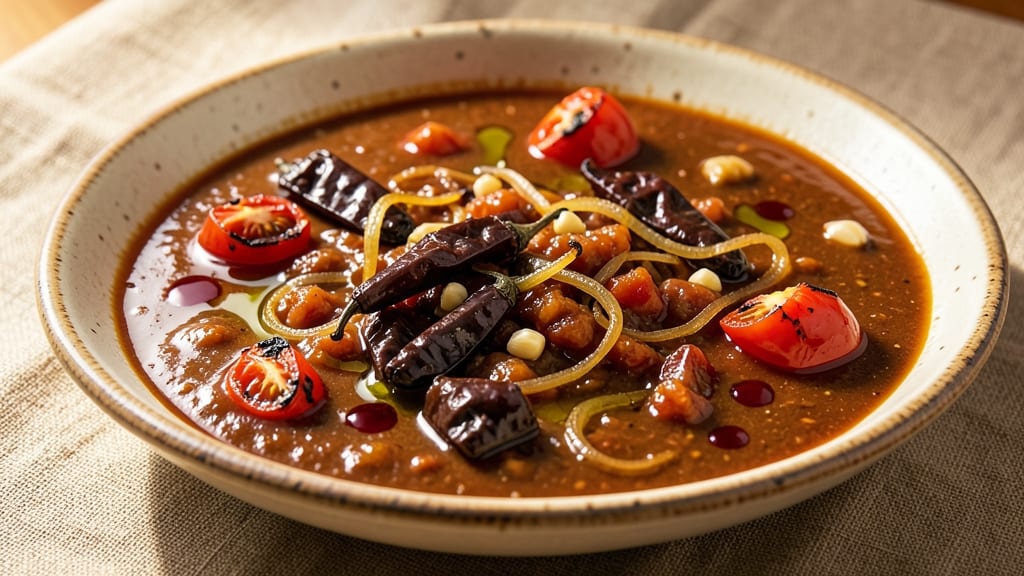
This authentic chile relleno sauce delivers the smoky depth and vibrant zing that defines traditional Mexican cuisine—without the fuss of restaurant techniques.
The secret lies in roasting tomatoes and chipotle peppers to unlock their natural sweetness and complexity, then balancing that richness with a touch of vinegar for the signature tang.
I've perfected this sauce over years of testing, ensuring every batch captures that perfect harmony of heat, acidity, and umami that makes chile relleno unforgettable.
What sets this sauce apart is the two-stage cooking process: first roasting the vegetables to develop caramelized flavors, then simmering with garlic, onions, and spices until thick and velvety. No blenders or food processors required—just a few essential tools and about 30 minutes of hands-on time.
The result is a sauce that's rich enough to stand alone but bright enough to complement the tender, fried poblano peppers it's meant to accompany.
This sauce isn't just for chile relleno—it transforms grilled meats, beans, or even eggs into restaurant-quality dishes. The smoky chipotle base adds depth to tacos, while the vinegar cut keeps it from becoming too heavy.
Store it in the fridge for up to 5 days or freeze for 3 months, making it the perfect pantry staple for Mexican nights.
For those seeking authenticity, this recipe stays true to traditional methods while adapting for home kitchens. The key is patience—letting flavors meld slowly—and using quality ingredients.
Whether you're serving it over stuffed poblano peppers or using it as a dip, this sauce delivers the bold, balanced flavors that define Mexican comfort food.
Ingredients for authentic chile relleno sauce
Quality ingredients transform into this restaurant-worthy sauce with smoky depth and vibrant acidity.
| Ingredient | Amount | Notes |
|---|---|---|
| Roma Tomatoes 🍅 | 4 whole | Halved, seeds removed |
| Chipotle Peppers in Adobo 🌶️ | 2 whole | Stems and seeds removed |
| Yellow Onion 🧅 | 1 whole | Diced, medium size |
| Garlic Cloves 🧄 | 6 cloves | Peeled, roughly chopped |
| White Vinegar 💧 | ¼ cup | Distilled preferred |
| Extra-Virgin Olive Oil 🫒 | ½ cup | High-quality, fruity |
| Ground Cumin 🌿 | 1 tbsp | Freshly toasted preferred |
| Smoked Paprika 🌶️ | 1 tbsp | High-quality, not sweet |
| Salt 🧂 | 1 ½ tsp | Diamond Crystal preferred |
| Black Pepper 🌶️ | ½ tsp | Freshly ground |
The tomatoes and chipotles are the foundation—roasting them first unlocks their natural sweetness and smoky complexity. For tomatoes, Roma variety works best due to their meaty texture and lower water content. Chipotles in adobo should be brand-name like Goya or La Costeña to ensure quality; avoid generic store brands. The vinegar is non-negotiable—distilled white vinegar provides the clean acidity needed to balance the sauce's richness. If you can't find Roma tomatoes, San Marzano canned tomatoes work as a substitute, but they'll require less roasting time.
No chipotles in adobo? Dried chipotle peppers rehydrated in vinegar replicate the smoky flavor profile, though they lack the adobo's natural sweetness. For extra depth, toast the cumin seeds before grinding them—toasting enhances their earthy aroma. The smoked paprika adds color and complexity, but if unavailable, regular paprika plus a pinch of liquid smoke works in a pinch. The garlic should be freshly peeled and chopped just before cooking to preserve its pungency. For a smoother sauce, strain it through a fine-mesh sieve after blending, though purists will appreciate the textural contrast of the roasted vegetables.
This sauce develops better with time, so let it rest for at least 30 minutes before serving. Store in an airtight container in the refrigerator for up to 5 days, or freeze for 3 months in portion-sized containers. The flavors intensify over time, making it even more complex. For reheating, warm gently on the stove or microwave until just heated through—boiling destroys the delicate balance of flavors. Double the batch if you plan to use it frequently; it's worth the extra effort.
Why You'll Love This Recipe
- Five-Ingredient Magic: I swear by this—just tomatoes, chipotle in adobo, onion, garlic, and vinegar. That’s it. The adobo sauce’s smoky depth cuts through the acidity of the vinegar, and suddenly you’ve got a sauce that’s ridiculously flavorful without overcomplicating things.
- Smoky Depth: Between us, that chipotle in adobo is where it’s at. It’s not just heat—it’s this slow-building smokiness that lingers, especially when you let it simmer. Honestly, I’ll take this over store-bought enchilada sauce any day.
- Meal Prep MVP: This sauce keeps beautifully for up to a week in the fridge, and it only gets better as the flavors meld. I make a big batch on Sundays, freeze half, and boom—weeknight dinners are covered without extra effort.
- Budget-Friendly Flex: Roma tomatoes are cheap, and you’re not drowning in spices. The onion and garlic stretch the flavor, so you’re not sacrificing taste for savings. Plus, it’s the kind of sauce that makes even a simple grilled chicken or rice feel like a celebration.
Step-by-step instructions for authentic chile relleno sauce
Master the balance of smoky heat and bright acidity for a sauce that captures New Mexican tradition.
Char and Prepare the Base Ingredients
Begin by charring the halved Roma tomatoes over an open flame or under a broiler for 3-4 minutes per side until deeply blistered and blackened in spots. The charring deepens the tomato flavor and adds a smoky complexity. Transfer the charred tomatoes to a cutting board and let cool slightly before removing the seeds with your fingers or a spoon.
While the tomatoes cool, remove the stems and seeds from the chipotle peppers in adobo. If you prefer less heat, remove only the seeds; for maximum spice, leave the stems intact. Finely dice the yellow onion and roughly chop the garlic cloves. The onion should be small enough to dissolve completely during cooking, while the garlic should be coarse enough to release its flavor gradually rather than burn immediately.
Build the Flavor Foundation
Heat the 0.5 cup extra-virgin olive oil in a heavy-bottomed saucepan over medium heat. Add the diced onion and cook for 8-10 minutes until soft and translucent, stirring occasionally. This step develops the onion's sweetness and removes any raw taste before adding the more delicate aromatics.
Add the roughly chopped garlic cloves and cook for 30 seconds until fragrant but not browned. Immediately stir in the 1 tbsp ground cumin and 1 tbsp smoked paprika, toasting them in the oil for 30 seconds to release their aromatic oils. This step ensures the spices contribute their full depth of flavor rather than just their taste.
Simmer the Sauce to Perfection
Add the charred tomato halves, cut-side down, to the saucepan along with the chipotle peppers in adobo. Pour in the 0.25 cup white vinegar and bring the mixture to a gentle simmer over medium-low heat. Let it cook uncovered for 15-20 minutes until the tomatoes begin to break down and the sauce thickens slightly.
Use an immersion blender to purée the sauce directly in the pot until smooth. If you prefer a chunkier texture, use a regular blender and return the sauce to the pot. Stir in the 1.5 tsp salt and 0.5 tsp black pepper, adjusting to taste. The sauce should be balanced—smoky from the chipotle, bright from the vinegar, and rich from the tomatoes.
Refine and Finish the Sauce
Return the sauce to a gentle simmer and cook uncovered for an additional 10-15 minutes to allow the flavors to meld and the sauce to reduce slightly. This step ensures the vinegar's acidity mellows while concentrating the smoky, spicy notes. Taste and adjust the seasoning, adding more salt or vinegar if needed.
The sauce is ready when it coats the back of a spoon and has a glossy sheen. For best results, let it cool slightly before serving. This authentic chile relleno sauce pairs perfectly with roasted poblano peppers stuffed with cheese, but it also elevates grilled meats, beans, or even as a marinade for meats. Store any leftovers in an airtight container in the refrigerator for up to 5 days.
Pro Tips For Making Authentic Chile Relleno Sauce
- Char the Tomatoes: Blacken those Roma tomatoes over high heat first—cut them in half, place cut-side down, and let them sit until deep char marks appear. This smoky base is what carries the real depth of flavor in the sauce, not just the raw acidity of the tomatoes.
- Strain the Adobo Oil: Chipotles in adobo come swimming in a thick, oily sauce that’s packed with flavor—don’t toss it. After blending the peppers, strain the mixture through a fine-mesh sieve to remove seeds and skins, but save that oily adobo liquid. It’s the secret to a sauce that’s rich without being greasy.
- Sweat, Don’t Burn: When cooking the onion and garlic, keep the heat medium-low and let them sweat out their moisture before browning. Rushing this step releases bitterness instead of sweetness, and you’ll end up with a sauce that tastes more like a sad, bitter stew than the smoky, balanced dish you want.
- Balance with Vinegar Last: Add the white vinegar toward the end, just before simmering, and taste as you go. A splash brightens the sauce, but too much too soon turns it sharp and one-dimensional—like adding lemon juice to a dish that’s already screaming for acid. Start with 1 tablespoon, then adjust.
Best sauces and condiments for these flavors
Classic Chile Relleno
This sauce is the traditional companion to chile relleno, where it's drizzled generously over the fried poblano peppers stuffed with cheese. The smoky chipotle and charred tomatoes create a perfect balance with the creamy cheese filling.
For an authentic touch, serve it with warm corn tortillas and a side of refried beans—this trio is a New Mexican staple. 🌶️
Taco Sauce Transformation
Use this sauce as a bold taco condiment by thinning it slightly with warm water or broth (about ¼ cup) to create a dipping sauce. The vinegar brightens the flavors, making it ideal for carne asada tacos or grilled fish.
I like to drizzle it over the taco meat and top with avocado slices and cilantro for extra freshness.
Grilled Meat Marinade
Double the batch and use half as a marinade for grilled chicken or steak—the chipotle and cumin add incredible depth. Let the meat marinate for at least 4 hours (or overnight) before grilling.
The sauce caramelizes beautifully on the grill, creating a sticky, flavorful crust. Perfect for skirt steak or chicken thighs.
Bean Dip Elevator
Blend this sauce into refried beans or black beans for a smoky, spicy dip that’s restaurant-worthy. Mix 1 cup of cooked beans with ½ cup of the sauce and a splash of sour cream for creaminess. Serve with totopos or warm tortilla chips—it’s a crowd-pleaser at parties. 💫
Breakfast Upgrade
Yes, this sauce works for breakfast! Drizzle it over scrambled eggs or chorizo for a smoky, spicy kick. The vinegar cuts through the richness, balancing the dish perfectly. I also love it as a huevos rancheros sauce—simmer it with corn tortillas for a quick, flavorful topping.
Storage and Reheating
Store leftovers in an airtight container in the fridge for up to 5 days—the flavors actually improve over time. For freezing, portion into ice cube trays or small containers; thaw in the fridge overnight.
Reheat gently on the stovetop over low heat or microwave in 30-second bursts, stirring between each, to preserve texture. Never boil—it destroys the delicate balance of flavors. ✨
Nutrition facts
Frequently asked questions
Can I substitute canned tomatoes for fresh Roma tomatoes?
Yes, but with adjustments! Use 2 (28 oz) cans of San Marzano tomatoes instead of fresh. Drain them well and skip the charring step—simmer them directly in the sauce for 10 minutes first to break down the texture. The canned version will be slightly less smoky, so add an extra ½ tsp smoked paprika to compensate.
How do I adjust the heat level in this sauce?
For milder heat, remove all seeds and membranes from the chipotle peppers before adding them. For extra spice, leave the stems intact or add 1-2 dried arbol chiles (seeds included) during the simmer. Always taste as you go—you can balance heat with more vinegar or a pinch of sugar if needed.
Why does my sauce taste too acidic?
This usually happens when the vinegar overpowers the other flavors. Reduce the acidity by adding 1 tsp sugar or ½ tsp honey to mellow the tang, or simmer uncovered for 5 extra minutes to let the alcohol evaporate. For future batches, start with just 2 tbsp vinegar instead of ¼ cup and adjust to taste at the end.
Can I make this sauce in a slow cooker? Follow the same steps for charring tomatoes and prepping ingredients, then combine everything in the slow cooker on LOW for 4-5 hours. Stir occasionally and add 2 tbsp water if it gets too thick. The slow cooking enhances the smoky flavors even more—just
What's the best way to freeze this sauce for long-term storage?
Portion the sauce into ice cube trays or small freezer-safe containers, leaving ½-inch headspace for expansion. Once frozen, transfer cubes to a labeled freezer bag. Thaw overnight in the fridge—never at room temperature—and reheat gently on the stove. The sauce keeps its quality for up to 3 months frozen. For serving, use thawed sauce directly or microwave in 30-second bursts while stirring.