
Sauces & Condiments
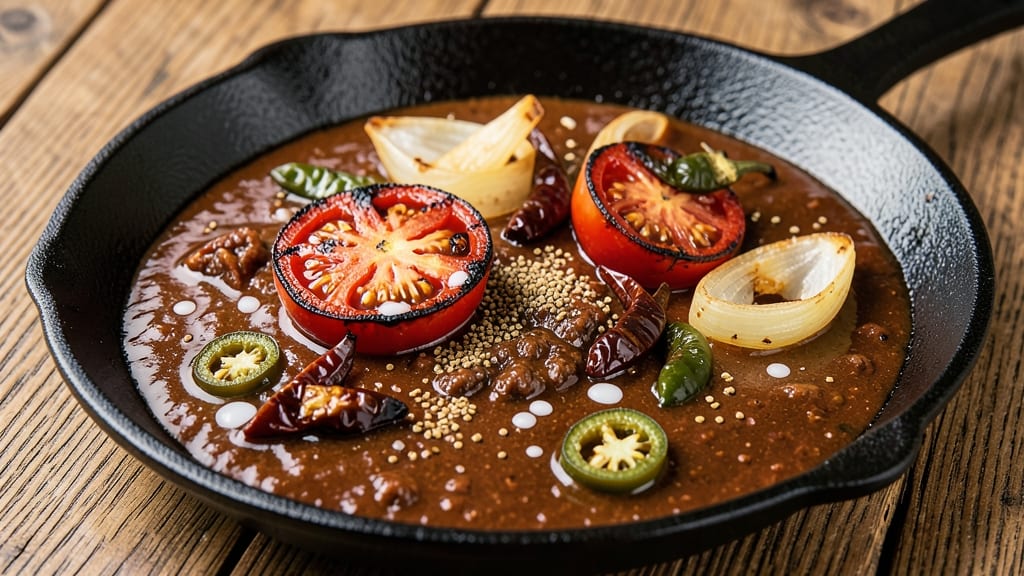
This authentic beef enchilada sauce recipe delivers restaurant-quality depth with just five essential ingredients and a technique that transforms ordinary tomatoes into rich, smoky perfection.
The secret lies in charring tomatoes and peppers over an open flame, then simmering them with chipotle peppers and a touch of vinegar for that signature tangy complexity. I've been perfecting this sauce for years, and it's the foundation of my most requested enchilada dishes.
The process begins with traditional techniques that build flavor layer by layer: toasting spices, charring vegetables, and simmering the sauce until it reaches that ideal balance of thickness and vibrancy.
What makes this sauce truly authentic is the combination of chipotle heat, tomato sweetness, and vinegar's bright acidity—elements that come together to create a sauce with depth you won't find in store-bought versions. The result is a sauce that clings beautifully to tortillas and complements any protein you choose.
By the time you're done, you'll have a sauce that's ready to use immediately or store for later—it freezes beautifully and reheats with perfect consistency. This isn't just another enchilada sauce; it's the kind of sauce that transforms ordinary meals into something extraordinary.
The smoky, slightly spicy flavor profile makes it versatile enough for enchiladas, tacos, or even as a marinade.
What sets this recipe apart is the attention to traditional methods without sacrificing simplicity. The sauce comes together in about 45 minutes, with minimal hands-on time, and delivers results that taste like you spent hours in the kitchen.
Whether you're making a family dinner or prepping for a party, this sauce will be the star of the show.
Ingredients for authentic beef enchilada sauce
Five ingredients transform into smoky, tangy enchilada sauce that beats store-bought versions every time.
| Ingredient | Amount | Notes |
|---|---|---|
| Roma Tomatoes 🍅 | 2 lb | Chartered and peeled for depth |
| White Onion 🧅 | 1 whole | Chartered for smoky base |
| Jalapeño Peppers 🌶️ | 2 whole | Seeds removed for mild heat |
| Chipotle Peppers in Adobo 🔥 | 4 whole | 2 tbsp adobo sauce reserved |
| White Vinegar 💧 | ¼ cup | Brightens sauce complexity |
| Ground Cumin 🌿 | 1 tbsp | Toasted for aromatic depth |
| Garlic Cloves 🧄 | 4 cloves | Toasted with cumin |
| Extra-Virgin Olive Oil 🫒 | ¼ cup | For charring vegetables |
| Salt 🧂 | 1 ½ tsp | Diamond Crystal preferred |
| Fresh Cilantro 🌿 | ¼ cup | Chopped for garnish |
The tomatoes and jalapeños are your flavor foundation—char them over an open flame for that authentic smoky depth. Mexican Roma tomatoes from Trader Joe's or your local Latin market have the best balance of sweetness and acidity. If you can't find fresh chipotles, Goya or La Costeña brands in adobo sauce work perfectly. Toast your cumin and garlic in olive oil first—this step builds flavor that's non-negotiable. The white vinegar might seem simple, but it's what cuts through the richness for that signature tang.
No fresh jalapeños? Pickled jalapeños work in a pinch, but drain them well first. Running short on chipotles? Substitute 1 tsp smoked paprika plus 1/2 tsp cayenne for heat, but you'll lose that smoky complexity. The cilantro is optional but adds freshness—skip it if you're sensitive to bright flavors. For extra richness, blend in 1/4 cup tomato paste with the charred veggies. And if you're making a big batch, double the vinegar—it's the secret to balancing all that smoky goodness.
This sauce keeps beautifully—1 week refrigerated or 3 months frozen. Let it cool completely before storing to prevent skin formation. I always make extra and freeze it in ice cube trays for perfect portions later. When reheating, add a splash of water or broth to restore thickness. The flavor actually improves after 24 hours as everything melds together—trust me on that.
Why You'll Love This Recipe
- No Blender Needed: I swear by this method—just char the tomatoes and onions in a skillet until blackened. That smoky depth? Pure magic with zero gadgets required.
- Smoky Heat Balance: The chipotle in adobo gives it that deep, slow-cooked warmth, while the jalapeños add a bright, fresh kick. Honestly, it’s the kind of sauce that makes you want to eat it straight from the pot.
- Taco Tuesday and Sunday Supper: This sauce works for enchiladas, tacos, or even as a marinade. I’ve used the leftovers to dress up grilled chicken or as a dip—it’s my go-to for any Mexican-inspired meal.
- Fridge Ready in Minutes: Make a double batch and store it for up to a week. The flavors actually get better as it sits, and it’s half the cost of store-bought. (Yes, even on a Tuesday night.)
Step-by-step instructions for authentic beef enchilada sauce
This sauce delivers smoky depth and vibrant complexity—trust the process for restaurant-quality results.
Char the Vegetables for Smoky Foundation
Heat a large skillet over high heat and add the 0.25 cup extra-virgin olive oil. Once shimmering, add the 2 lb Roma Tomatoes cut into quarters, 1 whole White Onion sliced into wedges, and 2 whole Jalapeño Peppers halved lengthwise. Let them char undisturbed for 8-10 minutes, turning occasionally, until deeply browned in spots with blackened edges. This charring builds the sauce's signature smoky depth.
Remove the vegetables from the skillet and transfer to a blender. Add the 4 whole Chipotle Peppers in Adobo (minced) and 2 tbsp reserved adobo sauce. The charred vegetables should look like they've been kissed by flames—this is your flavor anchor. The smoky notes from the charred vegetables will carry through the entire sauce, creating that authentic Mexican restaurant taste.
Toast Aromatics and Build the Base
In the same skillet (no need to clean it—those browned bits are pure flavor), reduce heat to medium and add the 4 cloves Garlic Cloves and 1 tbsp ground cumin. Toast for 1-2 minutes until the garlic turns golden and fragrant, being careful not to burn it. The cumin should release its earthy aroma—this is where the sauce gets its authentic warmth.
Pour in the 0.25 cup white vinegar and scrape up all those delicious browned bits from the bottom of the pan. Let it simmer for 2-3 minutes until the vinegar reduces by half. This step brightens the sauce and balances the smokiness with a subtle tang. The vinegar also helps break down the charred vegetables, creating a smoother texture while keeping that authentic zing.
Blend and Simmer for Perfect Texture
Transfer the charred vegetable mixture to the blender along with the toasted garlic-cumin mixture. Add the 1.5 tsp salt and blend until completely smooth, scraping down the sides as needed. The sauce should be velvety with no visible chunks. If it's too thick, add 2-4 tablespoons of water to reach a pourable consistency—this sauce should coat the back of a spoon.
Return the blended sauce to the skillet and simmer over medium-low heat for 15-20 minutes, stirring occasionally. The sauce should thicken slightly but remain smooth. Taste and adjust seasoning—you might need a pinch more salt or a splash of vinegar to balance the flavors. This simmering step develops the sauce's complexity, allowing all the flavors to meld together perfectly.
Finish with Fresh Herbs and Garnish
Remove the sauce from heat and stir in the 0.25 cup fresh cilantro, chopped. The cilantro adds a bright, fresh finish that cuts through the smokiness and adds a pop of color. Let the sauce sit for 5 minutes before serving—this allows the flavors to settle and the texture to thicken slightly. The cilantro should be evenly distributed throughout the sauce.
This authentic beef enchilada sauce is now ready to use. It should have a deep red color with a velvety texture and layers of smoky, spicy, and tangy flavors. Serve it warm over your favorite enchiladas, tacos, or even as a dip for tortilla chips. The sauce will keep well in the refrigerator for up to 5 days, making it perfect for meal prep.
Pro Tips For Making Authentic Beef Enchilada Sauce
- Char the Tomatoes Properly: Blister the Roma tomatoes over high, dry heat for 5-7 minutes until their skins blacken and pucker. I learned this the hard way—skipping the char means a sauce that’s bright but lacks that deep, smoky backbone that ties everything together.
- Seed and Dice the Jalapeños: Remove the seeds and membranes from the jalapeños before dicing—this keeps the heat balanced without bitterness. My grandmother swore by this, and she was right: the sauce stays vibrant, not overpowering.
- Simmer Low and Slow: After blending, reduce the sauce on low heat for at least 20 minutes, stirring occasionally. Rushing this step makes the sauce separate or taste raw; patience here guarantees a smooth, rich finish.
- Toast the Chipotles: Pat the chipotle peppers dry and toast them in a dry skillet for 30 seconds per side before blending. This step intensifies their smoky flavor—yes, even if you’re impatient like me, don’t skip it. The difference is noticeable.
Storing and reheating your leftovers
Refrigerator Storage
Let your enchilada sauce cool completely before transferring it to an airtight container—I use glass mason jars for easy reheating. Store it in the fridge for up to 5 days, but I’ve found the flavors actually deepen after 24 hours as the spices meld together.
The sauce will thicken slightly when cold, so stir in 1-2 tablespoons of water before reheating if needed. 💧
Freezing for Long-Term
For longer storage, freeze the sauce in ice cube trays for perfect portions or silicone molds for larger batches. Once frozen, transfer to heavy-duty freezer bags with all air removed to prevent freezer burn.
This sauce keeps for 3 months without losing its smoky depth. Thaw overnight in the fridge before reheating—never microwave directly from frozen. 🧊
Stovetop Reheating
My preferred method is reheating on the stovetop over medium-low heat for 5-7 minutes, stirring occasionally. Add 1-2 tablespoons of water or beef broth to restore thickness if needed.
Taste and adjust seasoning—you might need a pinch of salt or a splash of white vinegar to balance flavors. The sauce should be smooth and velvety, not grainy. 🔥
Microwave Safety
For quick reheating, transfer sauce to a microwave-safe bowl and heat in 30-second intervals, stirring between each, until warmed through. Avoid overheating, which can break down the sauce’s texture.
If it looks too thick after reheating, thin with 1 tablespoon of water or broth. Always check the internal temperature reaches 165°F for safety. ⚡
Reviving Thickened Sauce
If your sauce thickens too much during storage, stir in 1 tablespoon of water or broth at a time until it reaches a pourable consistency. For extra richness, add a pat of butter or a drizzle of olive oil while reheating.
The sauce should coat the back of a spoon but still flow smoothly over tortillas. This trick works wonders for restoring the perfect texture. 💡
Garnish Before Serving
Before serving, always garnish with fresh cilantro and a pinch of salt to brighten the flavors. If you froze the sauce, the cilantro should be added fresh after reheating.
A drizzle of crema or a sprinkle of queso fresco adds another layer of complexity. The contrast of fresh herbs and creamy toppings elevates the dish every time. ✨
Nutrition facts
Frequently asked questions
Why does this sauce need charring?
Charring the tomatoes, onions, and jalapeños creates that signature smoky depth found in authentic Mexican cooking. The blackened edges develop complex caramelized flavors that can't be replicated with raw vegetables. This technique is key to achieving restaurant-quality taste at home.
Can I make this sauce without chipotle peppers?
Yes, but you'll lose some authentic smokiness. For heat, substitute 1 tsp smoked paprika plus ½ tsp cayenne pepper. For depth, add 1 tbsp tomato paste to the charred vegetables before blending. The sauce will still be delicious but with a slightly different flavor profile.
How spicy will this sauce be?
The sauce has mild heat from jalapeños (seeds removed) and chipotle peppers. For a milder version, remove seeds from all peppers and reduce chipotles to 2-3 peppers. For extra heat, keep seeds in jalapeños and add 1 extra chipotle pepper. Always taste as you go!
Can I use this sauce for other dishes?
This versatile sauce works perfectly for tacos, quesadillas, or even as a marinade for grilled meats. The smoky chipotle flavor pairs beautifully with chicken, pork, or shrimp. For tacos, thin the sauce slightly with water or broth before serving.
What if my sauce is too thick after blending?
Add 2-4 tablespoons of water one at a time while blending until you reach a smooth, pourable consistency. The sauce should coat the back of a spoon but still flow easily. If it thickens again after simmering, just stir in a bit more water while reheating.