
Sauces & Condiments
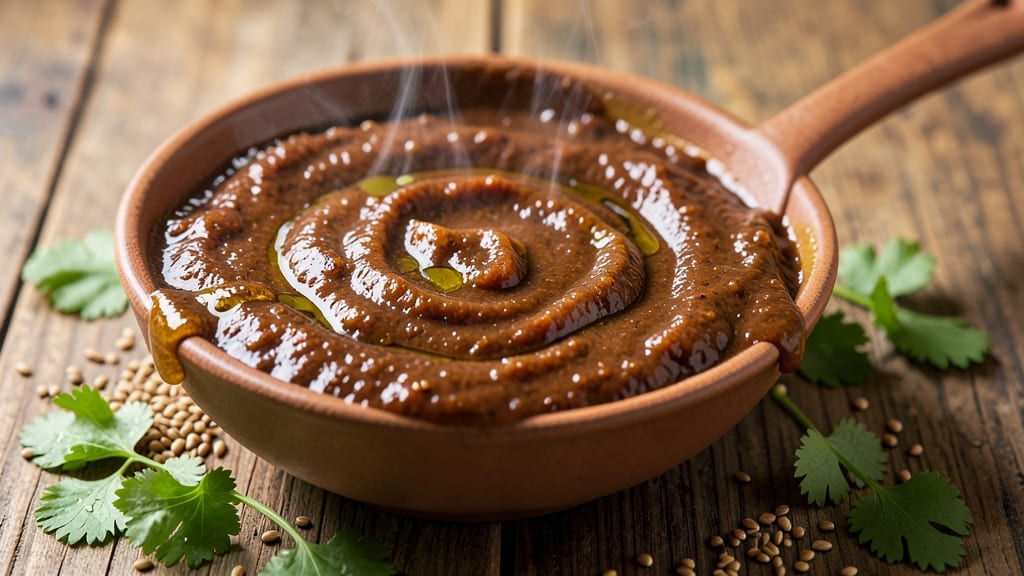
This authentic brown enchilada sauce recipe delivers the deep, smoky chipotle flavor and bright vinegar kick that make restaurant versions unforgettable. 🔥 The secret lies in roasting dried chiles and building layers of flavor through slow simmering—no shortcuts, just pure depth.
This isn't your average tomato-based sauce; it's a complex, velvety blend that transforms ordinary enchiladas into something extraordinary.
The recipe begins with charring dried chiles over an open flame, unlocking their natural sweetness and smokiness before blending them into a smooth paste. A touch of apple cider vinegar cuts through the richness, while chicken or vegetable stock ensures the sauce remains rich and balanced.
Simmering time is key—this isn't a quick fix, but the results are worth every minute of patience.
What you'll end up with is a glossy, smoky brown sauce that clings perfectly to tortillas or beans, adding a sophisticated depth to any dish. The texture is silky yet substantial, with just enough body to hold its shape without being gluey.
This sauce keeps beautifully in the fridge for up to a week or freezes for months, making it a pantry staple for any Mexican-inspired meal.
Whether you're making enchiladas, tacos, or even a hearty soup, this sauce elevates everything it touches. The balance of smoky, tangy, and slightly sweet flavors makes it versatile enough for weeknight dinners or special occasions. Let's get started on creating your own batch—your taste buds will thank you.
Ingredients for authentic brown enchilada sauce
Nine ingredients, endless depth—this sauce transforms enchiladas into a restaurant-worthy experience.
| Ingredient | Amount | Notes |
|---|---|---|
| Dried Ancho Chiles 🌶️ | 4 whole | Stems and seeds removed |
| Dried Chipotle Peppers 🔥 | 2 whole | Smoked, stems and seeds removed |
| Extra-Virgin Olive Oil 🫒 | ¼ cup | For roasting chiles |
| Apple Cider Vinegar 🍏 | ½ cup | For tangy brightness |
| Chicken or Vegetable Stock 💧 | 2 cups | Homemade preferred |
| Tomato Paste 🍅 | ¼ cup | High-quality, no sugar added |
| Garlic Cloves 🧄 | 3 cloves | Peeled, for depth |
| Cumin Seeds 🌿 | 1 tbsp | Toasted for warmth |
| Salt 🧂 | 1 ½ tsp | Diamond Crystal preferred |
| Ground Black Pepper 🌶️ | ½ tsp | Freshly cracked |
The chiles are the soul of this sauce. Grab ancho and chipotle at a Mexican market—they’re usually sold dried in bulk. If you can’t find them, Penzeys or La Tienda ship them fresh. Charring them over an open flame (or under a broiler) unlocks their natural sweetness. Skip the pre-roasted kind—they lack that smoky depth. Toast the cumin seeds in a dry pan for 30 seconds until fragrant, then grind them fresh for maximum punch. The stock? Homemade is ideal, but Pacific Foods or Swanson low-sodium work in a pinch.
No ancho chiles? Pasilla or guajillo peppers in equal amounts will work, but adjust the vinegar to taste. Chipotle peppers too spicy? Remove the seeds before roasting. Running low on apple cider vinegar? White wine vinegar or lime juice adds brightness, though the flavor shifts slightly. The tomato paste can be skipped if you prefer a deeper, smokier sauce—just reduce the stock by 1/4 cup. And if you’re making a vegetarian version, swap the chicken stock for vegetable stock or mushroom broth—the umami holds up beautifully.
This sauce tastes even better the next day as flavors meld. Store in an airtight container in the fridge for up to 1 week, or freeze in ice cube trays for 3 months. To reheat, warm gently on the stove—never microwave, or it’ll turn grainy. I always make a double batch: one for enchiladas, one for tacos. The leftovers? Perfect for drizzling over grilled corn or black beans. Trust me, you’ll reach for this sauce long after the enchiladas are gone.
Why You'll Love This Recipe
- I’ll be real: I used to dread soaking dried chiles, but this sauce skips that step entirely. Just toast the ancho and chipotle in a dry pan—five minutes max—until they smell like a smoky campfire. That’s it. No waiting, no fuss.
- Here’s what sold me: the chipotle’s heat and the ancho’s earthy sweetness marry in ways store-bought sauce never touches. A splash of apple cider vinegar brightens it up, so you get that tangy balance—like a hug from a Mexican abuela, but better.
Step-by-step instructions for authentic brown enchilada sauce
Master this traditional technique for sauce with deep smoky heat and balanced acidity.
🔥 Step 1: Toast the Dried Chiles Until Fragrant
Heat a dry skillet over medium heat and add the 4 whole dried ancho chiles and 2 whole dried chipotle peppers (stems and seeds removed). Toast for 30-45 seconds per side until they darken slightly and release their aroma—you'll smell that unmistakable earthy, smoky scent. This step awakens their natural oils and flavors.
Watch carefully—they're ready when they smell deeply aromatic but haven't started to smoke. Remove immediately and set aside to cool. The slight char will deepen the sauce's complexity, but be careful not to burn them. I like to work in batches if my skillet is too crowded, as overcrowding steams instead of toasts.
🍳 Step 2: Roast the Chiles in Olive Oil
Pour the ¼ cup extra-virgin olive oil into the same skillet over medium heat. Once shimmering, add the toasted chiles and cook for 2-3 minutes, stirring occasionally, until they soften and begin to release their oils. You'll see the oil turn a beautiful reddish hue from the chiles' natural pigments.
This step is crucial for developing the sauce's rich color and flavor. The oil carries the chiles' essential oils and creates that velvety texture we want. Remove the chiles with a slotted spoon and set aside, leaving the fragrant oil in the pan. You'll use this oil later to build the sauce's foundation.
🥘 Step 3: Build the Sauce Base with Aromatics
Return the skillet to medium heat and add the 3 peeled garlic cloves, minced 1 tablespoon cumin seeds, and ¼ cup tomato paste. Cook for 1-2 minutes until the cumin begins to sizzle and the garlic becomes fragrant but doesn't brown—you want aroma, not bitterness.
Here's where the magic happens: the cumin seeds should pop and release their warm, earthy aroma. If they start to darken too quickly, reduce the heat to medium-low. Stir constantly to prevent burning. This aromatic layer forms the backbone of your sauce's complex flavor profile.
🍳 Step 4: Simmer with Stock and Vinegar
Pour in the ½ cup apple cider vinegar and 2 cups chicken or vegetable stock, scraping up any browned bits from the bottom of the pan. Bring to a gentle simmer over medium-low heat, then reduce to a bare simmer and cook uncovered for 15-20 minutes until slightly thickened.
The vinegar adds that bright, tangy kick that balances the smokiness, while the stock carries all the flavors together. You'll notice the sauce reduce slightly and develop a glossy sheen. Here's where patience pays off—don't rush this step. The longer it simmers, the deeper the flavors meld together.
⏰ Step 5: Blend and Season to Perfection
Transfer the sauce to a blender (use caution—hot liquids) and blend until completely smooth. Return to the saucepan and stir in the reserved toasted chiles. Season with 1½ teaspoons salt and ½ teaspoon ground black pepper, then simmer for another 5 minutes to let the flavors meld.
Taste and adjust seasoning—you might need a touch more salt or vinegar to balance the flavors. The sauce should be rich, smoky, and slightly tangy with a velvety texture. If it's too thick, thin with a splash of stock. If too thin, simmer uncovered to reduce. This sauce tastes even better after resting for 30 minutes or overnight in the fridge.
Pro Tips For Making Authentic Brown Enchilada Sauce
- STEAM THE CHILES FIRST: Skip the soak—just toss dried ancho and chipotles in a bowl, cover with boiling water, and let them steam for 10 minutes. This softens them faster than soaking and keeps the skins intact for better texture. (Yes, even if you’re impatient like me.)
- USE A MORTAR AND PESTLE: Blending the rehydrated chiles with stock in a blender? You’re missing depth. A mortar and pestle releases more oils and creates a smoother, richer sauce—no graininess, no pulsing. I learned this the hard way after tasting a blender-only version.
- SIMMER LOW AND SLOW: Crank the heat to medium-high at first, but once it’s simmering, drop to the lowest setting you can tolerate. Skipping this step makes the sauce bitter. Low heat lets the flavors meld without burning—think 20 minutes, not 10.
- ADD VINEGAR LAST: Stir in the apple cider vinegar at the very end—just before serving. Too early, and the acidity cuts through the chiles’ smoky sweetness. A splash (2-3 tablespoons) brightens the sauce without overpowering it. (Your future enchiladas will thank you.)
Dietary considerations for this recipe
Gluten-Free Adaptations
This sauce is naturally gluten-free since it relies on chiles, vinegar, stock, and spices—no wheat or gluten-containing ingredients. Always check your stock labels, though, as some brands add gluten for thickening. I use Pacific Foods gluten-free chicken broth to ensure safety.
The tomato paste and cumin seeds are also typically gluten-free, but verify brands like Muir Glen tomato paste for cross-contamination warnings. 🌱
Low-Sodium Options
For a lower-sodium version, reduce the salt to ½ teaspoon and use low-sodium chicken stock (like Swanson Low Sodium). Boost flavor with an extra ½ teaspoon smoked paprika or an additional ¼ cup apple cider vinegar for tang.
Taste as you go—this sauce holds up well to bold seasoning adjustments. The smoky depth from the chiles carries the dish even without extra salt.
Dairy-Free Considerations
This recipe is inherently dairy-free, but if you're making enchiladas with cheese, opt for vegan cheese or skip it entirely. The sauce's rich, smoky profile stands strong on its own.
For extra creaminess in other dishes, stir in ½ cup coconut milk at the end—it blends seamlessly and adds a subtle sweetness that complements the vinegar's tang. Always check your stock for dairy traces if using vegetarian versions.
Spice-Free Alternatives
To reduce heat, remove the seeds and membranes from the chipotle peppers before roasting. For a completely mild version, substitute them with 1 dried pasilla pepper (milder and sweeter). The ancho chiles½ teaspoon ground cumin instead of toasting whole seeds—it mellows the flavor while keeping the warmth. 🌶️
Vegetarian/Vegan Versions
Swap the chicken stock for vegetable stock or mushroom broth to keep this fully plant-based. The umami in mushrooms enhances the sauce's depth, making it even more satisfying.
For extra richness, add 1 tablespoon nutritional yeast when blending—the sauce will have a slightly cheesy note that pairs perfectly with vegan enchiladas. Always use high-quality vegetable stock to avoid a watery texture.
Allergen-Friendly Tips
For nut allergies, avoid any cross-contamination with nut oils or shared utensils. Soy allergies? Check your tomato paste for soy additives, though most brands are soy-free. Egg allergies aren't a concern here, but if you're making enchiladas, use corn tortillas (naturally egg-free) and verify your cheese for egg-based stabilizers.
The sauce itself is one of the safest components for most allergies—just watch the supporting ingredients. 💡
Nutrition facts
Frequently asked questions
Why does this sauce turn brown instead of red?
The deep brown color comes from roasting the dried chiles and simmering the sauce uncovered. The natural sugars in the chiles caramelize during toasting, while the vinegar and stock create a rich reduction. This is traditional for authentic Mexican brown sauces—it's not a mistake! The color indicates proper development of smoky, complex flavors.
Can I make this sauce without a blender?
Yes! If you don't have a blender, simmer the sauce longer (30-40 minutes) and stir vigorously with a wooden spoon or immersion blender. For extra smoothness, press the chiles through a fine-mesh sieve after toasting, then strain the finished sauce. The texture will be slightly rustic but still delicious.
How do I adjust the spice level?
Remove seeds and membranes from chipotle peppers before roasting for less heat. For milder flavor, substitute with 1 pasilla pepper instead. If you want more spice, add ½ teaspoon cayenne at the end. Always taste as you go—this sauce can be easily adjusted!
What's the best way to store leftover sauce?
Transfer to an airtight container and refrigerate for up to 1 week. For longer storage, freeze in ice cube trays (thaw in fridge) or small portions. Reheat gently on the stove—never microwave, or it'll separate. The sauce actually improves overnight as flavors meld!
Can I use this sauce for dishes other than enchiladas?
It's perfect for tacos, quesadillas, or even as a marinade. Drizzle over grilled vegetables, use as a base for soups, or serve with beans. The smoky depth works beautifully in anything that needs Mexican-inspired richness. Think beyond enchiladas—this sauce is a pantry game-changer!