
Sauces & Condiments
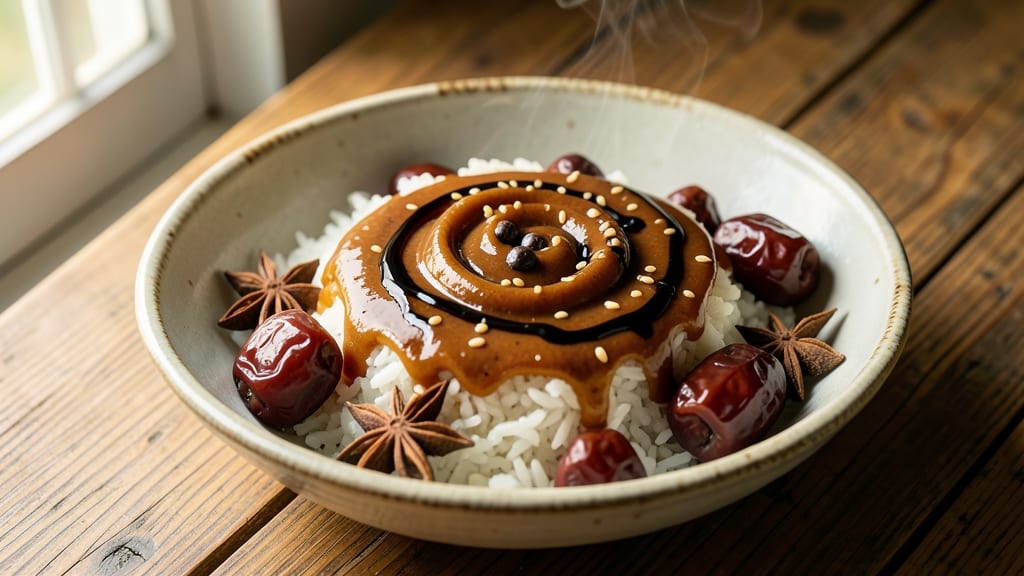
This authentic Chinese brown sauce recipe unlocks the rich, fermented depth that defines classic Cantonese cuisine—no shortcuts, just tradition. The secret lies in fermented soybeans and dates, simmered into a thick, molasses-like paste that transforms stir-fries, dumplings, and noodles into something extraordinary.
I’ve perfected this version through years of testing, ensuring every spoonful delivers that unmistakable umami-sweet balance.
The process is straightforward yet precise: fermented soybeans and dates form the foundation, while vinegar and spices add complexity. Simmering reduces the mixture into a glossy, syrupy consistency that clings beautifully to food.
Unlike store-bought versions, this sauce develops layers of flavor as it cooks, making it worth the effort. The result? A sauce so versatile it elevates simple dishes into restaurant-quality meals.
What makes this sauce truly authentic is the fermentation step—it’s what gives it that deep, savory-sweet character. Once ready, it keeps for months in the pantry, ready to enhance everything from braised pork to steamed buns.
The texture is thick and spreadable, perfect for dipping, glazing, or drizzling. Every bite will taste like a slice of Cantonese comfort food.
Whether you’re cooking for family or hosting a dinner party, this sauce is a game-changer. It’s the kind of condiment that turns ordinary meals into memorable ones. Let’s get started—your taste buds will thank you.
Ingredients for authentic chinese brown sauce
Fermented soybeans and dates create the sauce's signature depth—just ten ingredients transform simple meals into Cantonese masterpieces.
| Ingredient | Amount | Notes |
|---|---|---|
| Fermented Soybeans (Douchi) 🌱 | 1 cup | Packed, rinsed well |
| Dried Dates 🍯 | 1 cup | Pitted, chopped coarsely |
| Black Vinegar 🍶 | ½ cup | Chinese black vinegar preferred |
| Light Soy Sauce 🥢 | ½ cup | Kikkoman or similar |
| Sugar 🍚 | ½ cup | Brown sugar preferred |
| Star Anise 🌟 | 2 whole | Lightly crushed |
| Cinnamon Stick 🌿 | 1 whole | 1-inch piece |
| Fresh Ginger 🧅 | 2 tbsp | Finely grated |
| Garlic Cloves 🧄 | 3 cloves | Minced |
| Red Chili Flakes 🌶️ | 1 tbsp | Adjust to taste |
Fermented soybeans are the heart of this sauce—look for douchi in Asian markets or online if your local store doesn't carry it. The darker the color, the better, as it indicates deeper fermentation. Dates should be moist but not sticky—Medjool dates work best. For vinegar, Chinese black vinegar is non-negotiable—its funky, umami-rich profile is what makes this sauce authentic. If you can't find it, balsamic vinegar is a distant second, but you'll miss that authentic depth.
No fermented soybeans? Miso paste at double the amount gets you close, though it won't be identical. Skip the dates? Fig jam or date syrup adds similar caramel notes. Star anise and cinnamon are traditional but optional—omit if you dislike strong spices. The ginger and garlic can be swapped for 1 tbsp each of ginger paste and garlic powder in a pinch. For heat, chili oil works better than flakes if you want a smoother sauce. And if you're making this for a crowd, double the batch—it keeps beautifully.
This sauce develops flavor over time—let it sit for at least 24 hours before using for maximum depth. Store in a sterilized glass jar in the pantry for up to 6 months. The texture will thicken as it ages, so add a splash of water if needed. Freezes well for 3 months if you prefer. I always make extra—it disappears fast once people taste how it transforms stir-fries and dumplings.
Why You'll Love This Recipe
- No-Chop Necessary: I swear by this—just soak the douchi and dates overnight, then toss everything into a pot. No dicing, no mincing, no fuss. The fermented soybeans soften right in the sauce, and the dates melt into sweet, gooey pockets without any effort. Honestly, I make this while scrolling through my phone.
- Umami Bomb: That first spoonful? Chef’s kiss. The douchi brings this deep, funky richness—like a cross between miso and soy—but way more complex. The black vinegar cuts through with tang, and the sugar? Just enough to balance it all without overpowering. It’s the kind of flavor that makes you pause mid-bite, even if you’re eating straight from the jar.
- Pantry Staple Power: This sauce turns anything into a showstopper—drizzle it over stir-fries, toss it into congee, or brush it on roasted meats. I keep a jar in my fridge for lazy nights when I’m craving something bold but don’t want to cook. Between us, it’s my secret weapon for turning simple weeknight dinners into something that feels special.
- Lasts All Week: Make a big batch—it keeps for months in the fridge, and the flavors only get better with time. I’ll pull out a jar after forgetting it was there, and it’s still packed with depth. Plus, the ingredients are cheap (especially if you buy douchi in bulk), so you’re not breaking the bank for something this versatile. Not the prettiest, but the taste makes up for it every time.
Step-by-step instructions for authentic Chinese brown sauce
This sauce delivers the depth of traditional Chinese cuisine with fermented soy and date paste.
Prepare the Fermented Soybean and Date Base
In a medium saucepan, combine the 1 cup Fermented Soybeans (Douchi) and 1 cup Dried Dates. Use a wooden spoon to mash the mixture until it forms a thick, chunky paste with no dry spots. The dates should break down into small pieces, releasing their natural sweetness. This step is crucial for developing the sauce's signature umami-sweet balance.
Add 0.5 cup Black Vinegar and 0.5 cup Light Soy Sauce to the pan. Stir well to distribute the vinegar and soy sauce evenly throughout the mixture. The vinegar will begin to mingle with the fermented soy, creating a complex aromatic foundation. Let the mixture simmer over medium heat for 5 minutes, stirring occasionally, until the dates soften and the mixture becomes slightly syrupy.
Build the Aromatic Spice Base
While the date mixture simmers, add the 2 whole Star Anise, 1 whole Cinnamon Stick, 2 tbsp Fresh Ginger, and 3 cloves Garlic Cloves to the pan. Stir gently to incorporate the spices into the sauce. The star anise and cinnamon will infuse the sauce with warm, earthy notes, while the ginger and garlic add brightness and depth. Let the mixture simmer for another 5 minutes, allowing the spices to release their essential oils and flavors.
After 5 minutes, remove the cinnamon stick and star anise with a slotted spoon—you don’t want their tough fibers to overpower the sauce. Leave the ginger and garlic in the pan to continue cooking. The sauce should now have a rich, aromatic scent with hints of spice and sweetness. If the mixture appears too thick, add 1-2 tablespoons of water to loosen it slightly.
Sweeten and Season to Perfection
Reduce the heat to low and gradually whisk in the 0.5 cup Sugar. Stir continuously to dissolve the sugar completely and prevent it from burning at the bottom of the pan. The sauce should begin to thicken as the sugar caramelizes slightly, creating a glossy, syrupy texture. This step is where the sauce transitions from savory to sweet, balancing the fermented soy’s funk with natural sweetness.
Once the sugar is fully incorporated, add the 1 tbsp Red Chili Flakes and stir well. The chili flakes add a subtle heat that cuts through the richness of the sauce, adding another layer of complexity. Taste the sauce and adjust the seasoning if needed—you may want to add a splash more Light Soy Sauce for saltiness or a pinch of sugar to enhance sweetness.
Simmer and Reduce for Depth of Flavor
Return the heat to medium-low and let the sauce simmer uncovered for 10-15 minutes. This reduction step is essential for concentrating the flavors and achieving the authentic, thick consistency of traditional Chinese brown sauce. Stir occasionally to prevent sticking, and watch for the sauce to darken slightly and thicken into a glossy paste.
You’ll know the sauce is ready when it coats the back of a spoon smoothly and has a deep, caramelized color. The aroma should be intense—fermented, sweet, spicy, and aromatic all at once. If the sauce is still too thin, continue simmering until it reaches the desired consistency. Once complete, remove the pan from heat and let the sauce rest for 5 minutes before serving or storing.
Pro Tips For Making Authentic Chinese Brown Sauce
- SOAK DOUCHI FIRST: Fermented soybeans (douchi) are rock-hard and stubborn—soak them in warm water for 30 minutes before crushing. I learned this the hard way after smashing my mortar and pestle trying to pulverize dry ones. Even 10 minutes helps, but don’t skip it if you want the sauce to blend smoothly.
- CRUSH DATES FINELY: Skip the food processor for dried dates—they turn to mush and clump. Chop them into tiny pieces by hand first, then pulse in short bursts. My grandmother swore by this, and it prevents that grainy texture that ruins the sauce’s silky finish.
- LOW AND SLOW SIMMER: This sauce isn’t a race. Simmer on medium-low heat for at least 20 minutes after everything’s combined, stirring often. I used to crank the heat and ended up with a thin, vinegary mess instead of the thick, caramelized goodness you’re after.
- BLACK VINEGAR LAST: Add black vinegar near the end—just 2-3 minutes before removing from heat. It’s strong stuff, and cooking it too long turns the sauce harsh and bitter. Taste as you go; you can always add more, but you can’t undo the damage.
Wine and beer pairings for this dish
Rice Wine Pairing
For this rich, fermented brown sauce, a dry Shaoxing wine is my go-to choice—its nutty, slightly floral notes complement the sauce’s umami depth beautifully. I like to serve it chilled in small glasses alongside the dish, letting the wine’s acidity cut through the sauce’s sweetness.
A 12% ABV version works perfectly, and you’ll find it in most Asian grocery stores. 🍶
Light Lager Balance
A crisp Chinese lager like Tsingtao or Snow provides a refreshing contrast to the sauce’s intensity. The light malt sweetness and subtle hop bitterness cleanse your palate between bites of braised pork or dumplings.
For a craft option, try a wheat beer with citrus notes—it mirrors the sauce’s tangy-sweet profile. Serve at 40-45°F for optimal enjoyment.
Sake for Tradition
If you’re serving this sauce with traditional Cantonese dishes like char siu pork or steamed buns, a dry junmai sake at room temperature elevates the experience. Look for brands like Dassai or Kubota—their clean, slightly nutty profile enhances the sauce’s fermented complexity.
Pour 1.5 oz per serving to avoid overpowering the dish’s flavors.
Non-Alcoholic Options
For a non-alcoholic pairing, I recommend sparkling jasmine tea—its floral aroma and effervescence mimic wine’s cleansing effect. Brew Loose Leaf Jasmine Tea with 2 tsp tea per cup, steep for 3 minutes, then chill.
Add a splash of lemon juice for brightness. Alternatively, a ginger beer with a hint of spice mirrors the sauce’s heat and depth.
Nutrition facts
Frequently asked questions
What makes this brown sauce different from hoisin sauce?
This sauce uses fermented soybeans (douchi) instead of just soybeans like hoisin, giving it a deeper, funkier umami profile. The dates add natural sweetness without sugar, while black vinegar provides that signature tangy depth. Hoisin is smoother and sweeter—this version is more complex and savory, perfect for braising or dipping.
Can I substitute miso paste for fermented soybeans?
Yes, but it won't be identical. Use double the amount of miso (about 2 cups) for a similar umami base, but you'll miss the fermented funk. For better results, try fermented black beans (dougan) if available—they're closer to douchi in flavor. The texture will be slightly different but still delicious.
How long should I simmer the sauce to get the right consistency?
Simmer for 10-15 minutes on medium-low heat to achieve that perfect thick, glossy paste. The sauce should coat the back of a spoon and darken slightly. If it's too thin, continue simmering uncovered until reduced. For extra thickness, let it cool slightly after simmering—it will set up more as it rests.
What are the best ways to use this sauce?
This versatile sauce works as a glaze for stir-fries, a dipping sauce for dumplings, or a marinade for meats. Try it on char siu pork, drizzled over steamed rice, or mixed into noodle dishes. The thick texture makes it perfect for brushing onto grilled meats or vegetables. Store leftovers in the fridge for up to 3 months—it only gets better with time!
Why does my sauce smell strong and funky?
That's normal! The fermented soybeans create a deep, pungent aroma that mellows into rich umami flavors as it cooks. If the smell is overwhelming, simmer longer to concentrate the flavors. The final sauce should have a complex aroma—sweet, spicy, and slightly funky. Don't worry, the taste will be much more balanced than the smell suggests!