
Sauces & Condiments
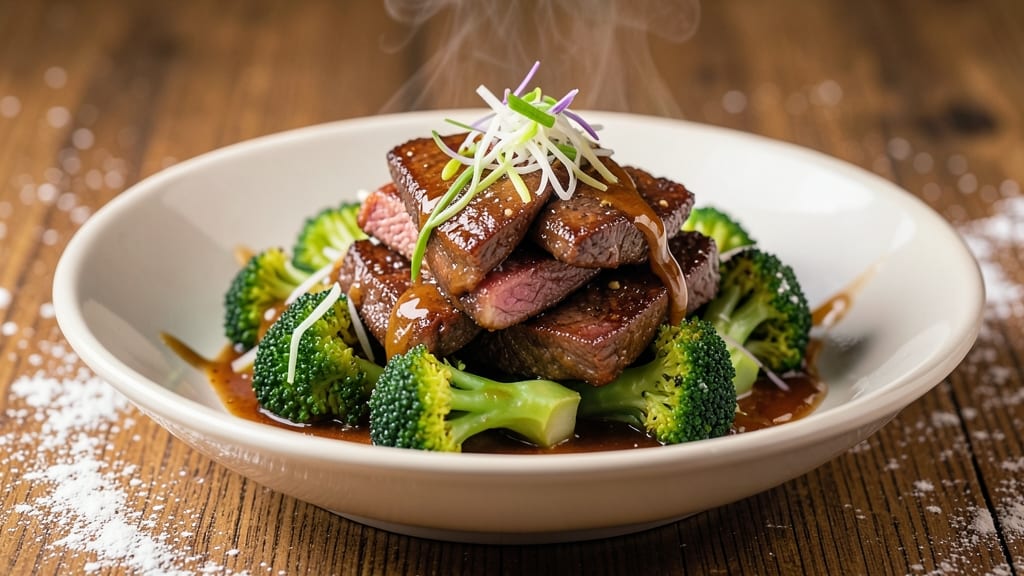
This authentic beef and broccoli sauce transforms a simple stir-fry into a restaurant-worthy masterpiece with its deep umami gloss and soy-kissed crunch. The secret lies in balancing traditional techniques—high-heat stir-frying, oyster sauce richness, and a cornstarch slurry—with modern twists like fish sauce for extra depth.
I’ve perfected this sauce over years of testing, ensuring every spoonful delivers that signature glossy finish and complex flavor profile.
The foundation starts with a fragrant base of garlic, ginger, and scallions, sautéed until aromatic before adding soy sauce, oyster sauce, and a splash of Shaoxing wine. Simmering reduces the sauce into a velvety consistency, while the cornstarch slurry binds it into a glossy, clingy finish.
This isn’t just a sauce—it’s the soul of beef and broccoli, elevating every bite with its savory-sweet balance.
What sets this sauce apart is its authentic technique: stir-frying on high heat preserves the broccoli’s vibrant green and the beef’s caramelized edges, while the sauce clings like a second skin. The result? A glossy, umami-packed sauce that’s rich enough to stand alone but designed to coat every morsel.
It keeps well in the fridge for up to a week, making it perfect for meal prep or gifting.
Whether you’re serving it over steamed rice, noodles, or directly with beef and broccoli, this sauce delivers restaurant-quality flavor with minimal effort. The key is patience—letting the sauce reduce slowly and tasting as you go. Trust the process, and you’ll have a sauce that rivals your favorite takeout spot.
Ingredients for authentic beef and broccoli sauce
Twelve ingredients transform stir-fry into restaurant-worthy umami perfection with glossy, clingy sauce magic.
| Ingredient | Amount | Notes |
|---|---|---|
| Extra-Virgin Olive Oil 🫒 | 2 tbsp | High smoke point preferred |
| Garlic Cloves 🧄 | 6 cloves | Minced finely for aromatic base |
| Fresh Ginger 🌿 | 1 tbsp | Grated, aromatic quality |
| Green Onions 🧅 | 2 whole | Sliced thin, white and green parts |
| Light Soy Sauce 🥄 | ½ cup | Kikkoman preferred for balance |
| Dark Soy Sauce 🥄 | 1 tbsp | For deeper color and sweetness |
| Oyster Sauce 🦪 | 3 tbsp | Authentic, umami-rich variety |
| Shaoxing Wine 🍷 | 2 tbsp | Dry, aromatic Chinese wine |
| Fish Sauce 🐟 | 1 tbsp | Red Boat preferred for depth |
| Cornstarch 🌾 | 1 tbsp | For glossy, clingy finish |
| Water 💧 | ¼ cup | Room temperature preferred |
| White Sugar 🍚 | 1 tsp | Balances umami flavors |
| Sesame Oil 🥜 | ½ tbsp | Toasted, for aromatic finish |
The aromatic trio—garlic, ginger, and scallions—is non-negotiable for authentic depth. Fresh ginger from the produce section (not the jarred kind) gives the most punch, while Red Boat fish sauce and Shaoxing wine elevate this beyond basic soy sauce. For the best soy sauces, hit the Asian market—Lee Kum Kee oyster sauce and Kikkoman soy are worth the splurge. The cornstarch slurry is where the magic happens: whisk it with cold water first, then slowly add to the simmering sauce for that signature gloss. Trust me, the glossy finish is everything.
No Shaoxing wine? Dry sherry at half the amount works in a pinch, though it lacks that authentic depth. Substituting oyster sauce? Mushroom sauce or extra soy sauce (1 tbsp more) gets you close, but you'll miss the umami complexity. Fish sauce can be swapped for extra soy sauce plus a dash of sugar, but the flavor won't be identical. The sesame oil is optional but adds that final aromatic punch—use toasted, not the cheap, flavorless kind. For a vegetarian version, omit the fish sauce entirely and boost the soy sauce by 1 tbsp.
This sauce keeps beautifully in an airtight container in the fridge for up to 1 week, with flavor actually improving as it melds. For longer storage, freeze in ice cube trays—perfect for adding to stir-fries later. The cornstarch slurry thickens as it cools, so reheat gently with a splash of water. I always make a double batch: one for immediate use, one to freeze for lazy weeknights. The sauce reheats beautifully and tastes even better the next day once all the flavors marry.
Why You'll Love This Recipe
- Few Ingredients, Big Payoff: I swear by this—just olive oil, garlic, ginger, and a splash of soy sauce. No fancy pantry trips, no hidden ingredients. The sauce builds in minutes while you prep the rest, and honestly? That’s half the battle won.
- Umami Bomb: Between the toasted garlic’s sharp bite, fresh ginger’s zing, and light soy’s depth, this sauce is ridiculously flavorful. It’s the kind of taste that makes you pause mid-bite—like a little Asian bistro secret in your kitchen.
- Leftovers That Don’t Suck: This sauce keeps like a champ for days. Toss it over rice, noodles, or even eggs the next morning—no one will guess it’s yesterday’s dinner. (Between us, I’ve had it cold with fries. Don’t judge.)
- Weeknight Hero: I’m talking 20 minutes start to finish, no fancy techniques. Sear the beef, simmer the sauce, and boom—dinner’s done while you’re still debating what to watch on TV. My go-to when I’d rather not slave over a stove.
Step-by-step instructions for authentic beef and broccoli sauce
Here's how to build a restaurant-quality sauce with deep umami layers and perfect balance.
Build the Aromatic Base
Heat the 2 tablespoons extra-virgin olive oil in a wok or deep skillet over medium-high heat until shimmering but not smoking. Add the 6 cloves minced garlic cloves and 1 tablespoon grated fresh ginger, stirring constantly for 30 seconds until fragrant but not browned. This quick cook preserves their bright, fresh flavors rather than letting them burn into bitterness.
Next, add the white parts of the 2 sliced green onions (reserve the green tops for garnish). Stir-fry for 1 minute until softened but still vibrant. The base should smell like a bustling Chinese kitchen—bright, aromatic, and full of potential. If you notice any garlic turning golden, reduce the heat slightly to prevent burning, which would dominate the sauce's delicate balance.
Develop the Sauce Foundation
Pour in the 2 tablespoons Shaoxing wine and let it simmer for 1 minute until mostly evaporated, allowing the alcohol to cook off and its aromatic qualities to integrate. This step is crucial—it deglazes the pan and infuses the sauce with depth before adding the soy components.
Add the 0.5 cup light soy sauce, 1 tablespoon dark soy sauce, 3 tablespoons oyster sauce, 1 tablespoon fish sauce, and 1 teaspoon white sugar. Stir well and bring to a gentle simmer for 3 minutes, letting the flavors meld. The sauce should reduce slightly and develop a glossy sheen. Taste at this stage—you're building the umami backbone, so the flavors should be rich but not yet fully developed.
Thicken and Finish the Sauce
In a small bowl, whisk together the 1 tablespoon cornstarch with the 0.25 cup water until smooth. Slowly pour this slurry into the simmering sauce while stirring constantly. The sauce will thicken dramatically within 2-3 minutes—this is your signal to stop stirring and let it cook for another 1 minute to ensure the cornstarch fully gelatinizes.
Remove from heat and immediately stir in the 0.5 tablespoon toasted sesame oil. The aroma will shift dramatically—nutty, toasty, and deeply aromatic. The sauce should now coat the back of a spoon with a glossy, clingy finish. If it's too thick, add 1 teaspoon hot water to reach your desired consistency. The final sauce should balance sweet, salty, umami, and aromatic notes perfectly.
Prepare for Service
Transfer the sauce to a serving bowl and garnish with the reserved green onion tops, sliced thin. The contrast of fresh green against the deep brown sauce adds visual appeal and a bright finish. Keep the sauce warm in a 200°F oven until ready to serve—this maintains its glossy texture without overcooking.
This sauce is designed to complement perfectly cooked beef and broccoli, but its versatility extends to noodles, rice, or even as a dipping sauce. The key to authenticity lies in the balance of ingredients and the careful development of flavors through controlled cooking techniques. Each component plays a specific role in creating that signature umami richness with just a hint of sweetness and aromatic depth.
Pro Tips For Making Authentic Beef And Broccoli Sauce
- Bloom the Ginger First: Toss your fresh ginger into the hot oil before the garlic—it’ll soften and release flavor faster, so you don’t end up with bitter chunks. I used to add it after and wondered why my sauce tasted like a ginger root had taken a bite out of it.
- Salt the Beef Twice: Lightly salt the beef slices before searing, then add a splash of soy sauce after they’re browned—this keeps them juicy while building depth. I learned this the hard way when my beef turned out dry and dull.
- Don’t Rush the Soy Sauce: Let the light soy sauce simmer uncovered for 2–3 minutes after adding it—this burns off the alcohol and concentrates the umami. Skipping this step leaves your sauce tasting sharp and raw.
- Toast the Green Onions: Stir in the chopped green onions last and let them sizzle for 10 seconds—they’ll crisp up and add a bright, fresh finish. I was skeptical until I tried it; now I can’t stop doing it.
Flavor customization for this dish
Sweet-Savory Balance
Adjust the white sugar to your taste—start with the 1 teaspoon but add up to ½ teaspoon more if you prefer a sweeter finish. For a more complex sweetness, swap the sugar for 1 teaspoon honey or brown sugar and simmer for an extra 30 seconds to caramelize slightly.
This works especially well if you're serving with slightly bitter greens like bok choy or mustard greens. 🍯
Umami Depth Variations
Boost the umami even further by adding 1 teaspoon miso paste (white or red) when you incorporate the soy sauces. For a vegetarian version, replace the fish sauce with an extra 1 tablespoon soy sauce plus ½ teaspoon mushroom powder.
If you have dried shiitake mushrooms, soak 2-3 in hot water for 10 minutes and use the liquid in place of the fish sauce—this adds an earthy depth that mimics the umami complexity. 🍄
Spicy Heat Options
Add a kick by stirring in ½ teaspoon chili crisp or ¼ teaspoon red pepper flakes during the final 1 minute of simmering. For a smoky twist, swap the sesame oil for ½ teaspoon toasted chili oil (like La Choy brand).
If you love heat, try adding 1 teaspoon doubanjiang (Chinese fermented chili bean paste) when you sauté the garlic and ginger—it adds fermented funk and spice. 🌶️
Herbaceous Freshness
Brighten the sauce with fresh herbs like 1 tablespoon chopped cilantro or Thai basil stirred in at the very end. For a citrusy note, add ½ teaspoon grated lime zest when you mix in the sesame oil.
If you're feeling adventurous, try ½ teaspoon fresh lemongrass paste (available in Asian markets) when you build the aromatic base—it adds a bright, citrusy aroma that cuts through the richness. ✨
Richness Adjustments
For a creamier sauce, stir in 1 tablespoon coconut milk or 1 teaspoon neutral oil (like avocado oil) at the end. If you prefer a lighter texture, reduce the cornstarch to ½ tablespoon and add 1 extra tablespoon water to the slurry.
For extra body, whisk in 1 tablespoon hoisin sauce when you add the soy components—it adds a sticky, slightly sweet contrast to the umami. 🥄
Nutrition facts
Frequently asked questions
Can I make this sauce without oyster sauce?
Yes, but you'll lose some authentic umami depth. Replace the 3 tablespoons oyster sauce with 2 tablespoons soy sauce plus 1 tablespoon hoisin sauce for a similar sweet-salty balance. For extra richness, add ½ teaspoon mushroom powder or 1 teaspoon miso paste when combining the sauces. The texture will be slightly lighter but still delicious!
How do I prevent the sauce from getting too thick?
If your sauce thickens too much, simply whisk in 1 teaspoon hot water at a time until you reach the perfect consistency. For prevention, reduce the cornstarch to ½ tablespoon and increase the water in the slurry to ¼ cup + 1 tablespoon. The sauce will still cling beautifully but remain more fluid. Always taste as you go!
Can I use this sauce on other proteins besides beef?
This sauce works beautifully with chicken, shrimp, or even tofu for a vegetarian version. For seafood, reduce the soy sauce slightly (¼ cup light soy) to avoid overpowering delicate flavors. The umami-rich sauce enhances all proteins while maintaining its signature glossy finish. Just adjust cooking times for different proteins.
Why does my sauce look cloudy instead of glossy? The gloss comes from proper cornstarch slurry technique and gentle simmering.
How long can I store this sauce in the fridge?
This sauce keeps perfectly in an airtight container in the fridge for up to 1 week, with flavors actually improving as they meld. For longer storage, freeze in ice cube trays—thaw and reheat gently with a splash of water. The sauce reheats beautifully and maintains its glossy texture when warmed properly in a saucepan over low heat.