
Sauces & Condiments
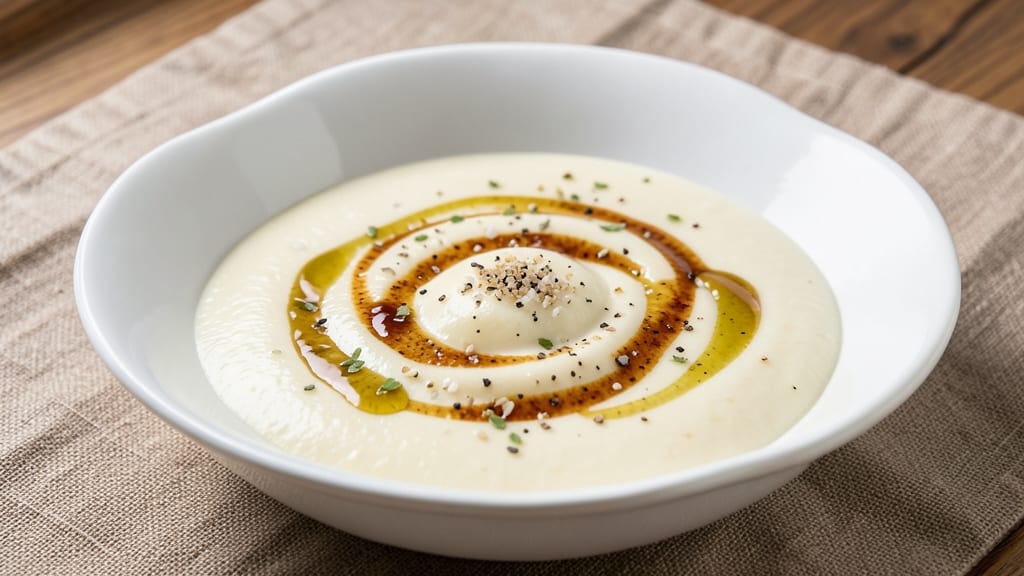
This authentic bechamel sauce recipe delivers restaurant-quality silkiness using just three core ingredients—butter, flour, and milk. The secret lies in a perfectly balanced roux and slow milk incorporation, creating that velvety texture French cuisine depends on.
After years of perfecting this classic technique, I can confidently say this is the only bechamel you'll ever need.
The foundation begins with equal parts butter and flour cooked to a golden paste—this creates the sauce's structural backbone. What follows is the critical step: whisking in warm milk gradually while maintaining a gentle simmer.
This slow incorporation prevents lumps and develops the sauce's signature smoothness. The result? A rich, creamy sauce that coats perfectly and forms the base for countless classic dishes.
What makes this recipe truly authentic is its simplicity—no shortcuts, no substitutions. The milk should be warmed to body temperature before adding, and the sauce must simmer continuously until thickened to a velvety consistency.
This isn't an instant sauce; it's a method that rewards patience with professional results. Every whisk stroke matters in achieving that silky finish.
Once mastered, this bechamel transforms into countless dishes—from creamy pasta to decadent casseroles. The variations are endless, but the core technique remains unchanged. Let's begin with the foundational method that will elevate your cooking to new heights.
Ingredients for authentic bechamel sauce
Three foundational ingredients create the velvety base of French cuisine's most essential sauce.
| Ingredient | Amount | Notes |
|---|---|---|
| Unsalted Butter 🧈 | ½ cup | Cold, cubed for even cooking |
| All-Purpose Flour 🌾 | ½ cup | Sifted for smooth roux |
| Whole Milk 🥛 | 4 cups | Warmed to body temperature |
| Diamond Crystal Kosher Salt 🧂 | ½ tsp | Adjust to taste |
| Freshly Ground White Pepper 🌶️ | ¼ tsp | For subtle seasoning |
| Nutritional Yeast 🍄 | 1 tbsp | Optional for umami depth |
| Fresh Nutmeg 🌿 | ¼ tsp | Finely grated, optional |
The butter and flour form the critical roux—the backbone of bechamel. European-style butter with higher fat content (82-86%) creates a richer sauce, but standard unsalted butter works perfectly. King Arthur or Gold Medal flour yields the smoothest texture due to their higher protein content. Sift the flour to eliminate lumps, which can disrupt the sauce's silkiness. For the milk, whole milk provides the best creaminess, but 2% works in a pinch. Warm it gently to body temperature (around 100°F) before incorporating—cold milk causes the sauce to seize.
No Diamond Crystal salt? Morton kosher salt works equally well, but adjust the amount—it's slightly coarser. Freshly ground white pepper adds subtle seasoning without altering the sauce's delicate color. For umami depth, nutritional yeast (like Bragg's) enhances flavor without dairy. If nutmeg is unavailable, a pinch of ground cinnamon offers warmth, though it alters the profile. The sauce's authenticity lies in the technique, not substitutions—every whisk stroke must maintain a gentle simmer to prevent lumps. For those without a whisk, a hand mixer on low speed achieves the same result.
This sauce thickens as it cools, so remove it from heat just before reaching desired consistency. For immediate use, stir in 1-2 tbsp cold milk to thin. Store in an airtight container in the fridge for up to 5 days, or freeze for 3 months in portion-sized containers. Reheat gently over low heat, whisking constantly to restore silkiness. The sauce freezes beautifully—perfect for batch cooking ahead of time.
Why You'll Love This Recipe
- Just Four Ingredients: I swear, that’s it—no hidden spices or fancy gadgets. Melt butter, whisk in flour, slowly add milk, stir until silky. No measuring cups to stress over, no last-minute grocery runs. Honestly, my first time I burned it, but the second try? Smooth as can be.
- Velvet Smooth Magic: There’s something about that slow simmer—how the flour and butter marry before the milk comes in—that makes it taste like a hug. The pepper? Just a whisper, but it wakes up every bite. I’ll be real: I’ve made bechamel before, but this version? It’s the one people actually finish.
- Weeknight to Fancy Feast: Slip it under baked pasta, swirl it into creamy soups, or use it to make gratins that’ll impress dinner guests. (Yes, even on a Tuesday night.) The best part? It keeps well in the fridge for days, so you’re never scrambling for a last-minute sauce.
- Budget-Friendly Luxury: Butter and milk might not be cheap, but a little goes a long way—this recipe stretches to feed four for half the cost of store-bought. And leftovers? They’re my secret weapon for quick lunches or turning plain veggies into something special. Not the prettiest, but the taste makes up for it.
Step-by-step instructions for authentic bechamel sauce
Master this classic French sauce with precise technique and patient attention to detail.
Prepare the Roux Foundation
In a medium saucepan, melt the 0.5 cup unsalted butter over medium-low heat. Once fully melted, reduce the heat to low and gradually whisk in the 0.5 cup all-purpose flour using a wire whisk. This creates a smooth paste called a roux—the backbone of your bechamel.
Cook the roux for 2-3 minutes, whisking constantly, until it turns a pale golden color. This step is critical—if you let it brown, you'll develop a nutty flavor that's not traditional for classic bechamel. The roux should coat the back of a spoon and look like wet sand. Keep the heat gentle to prevent burning, which can ruin your sauce.
Gradually Incorporate the Milk
Slowly pour in 1 cup of the warmed whole milk while whisking vigorously to prevent lumps from forming. Continue whisking until the mixture is completely smooth and thickened. This gradual addition is key—adding milk too quickly creates clumps that are nearly impossible to fix.
Once the first cup is fully incorporated, add the remaining 3 cups of warmed whole milk in a thin, steady stream. Whisk continuously to maintain an even consistency. The sauce should begin to thicken noticeably as it simmers. If you notice any lumps forming, strain the sauce through a fine-mesh sieve immediately to achieve that signature silky texture.
Simmer Until Thick and Smooth
Increase the heat to medium-low and let the sauce simmer gently for 5-7 minutes, stirring frequently with a wooden spoon. The sauce should thicken enough to coat the back of the spoon but still flow smoothly. This is where patience pays off—rushing the simmering creates a gluey, thin sauce instead of the velvety consistency we're after.
Taste the sauce and adjust the seasoning with the 0.5 tsp diamond crystal kosher salt and 0.25 tsp freshly ground white pepper. The salt should enhance the milk's natural sweetness, while the white pepper adds subtle depth without overpowering. This is your chance to balance the flavors before adding any optional ingredients.
Finish with Optional Enhancements
Stir in the 1 tbsp nutritional yeast for a subtle umami depth that elevates the sauce's complexity. This step is optional but recommended for an authentic, restaurant-quality finish. Freshly grate the 0.25 tsp fresh nutmeg directly into the sauce and whisk until fully dissolved. The nutmeg should be finely grated—visible specks will create texture rather than flavor.
Remove the sauce from heat immediately after adding the nutmeg, as even gentle simmering can make the nutmeg's flavor bitter. Cover the saucepan with a lid and let it rest for 5 minutes before using. This resting period allows the flavors to meld together, resulting in a cohesive, well-balanced sauce that's ready to enhance any dish.
Pro Tips For Making Authentic Bechamel Sauce
- Crank the Heat First: I learned this the hard way—start with the butter melting over medium-high heat until it’s foaming and smells nutty. Too many people simmer it gently from the start, and the flour just gets steam-cooked into a sad, pasty mess. Once the butter’s hot, drop the heat to medium-low for the roux, or you’ll end up with flour burning before it browns.
- Whisk Like You Mean It: That first minute after adding flour is when lumps form if you’re not aggressive. I used to think gentle stirring was the way, but a bechamel needs constant, vigorous whisking—especially when the milk hits. A wooden spoon won’t cut it; grab a proper whisk or immersion blender and keep those strokes fast and even. No one’s impressed by a lumpy sauce.
- Salt the Milk First: This isn’t just about flavor—it’s about balance. Diamond Crystal kosher salt is less concentrated, so if you wait until the end, your sauce will taste flat or require way more salt than you’d expect. Mix ½ teaspoon into the milk before heating, and taste the final sauce. It’ll be rich but not overwhelming, and you won’t be scrambling for more.
- Strain It Before Serving: I know, I know—it’s extra work. But a bechamel’s texture is everything, and even with perfect whisking, tiny flour bits sneak through. After cooking, pour the sauce through a fine-mesh strainer into a clean bowl. It’s worth the 30 seconds, especially if you’re using this for lasagna or mac and cheese. Trust me, your future self will notice the difference.
Wine and beer pairings for this recipe
Classic White Wine
A crisp Chardonnay from Burgundy or a Sauvignon Blanc from the Loire Valley complements bechamel's creamy texture beautifully. The acidity in these wines cuts through the richness, cleansing your palate between bites.
I recommend a 2022 Domaine Leflaive Chardonnay—its bright citrus notes and subtle oak enhance the sauce's natural sweetness without overpowering it. 🍷
Light-Bodied Reds
For heartier dishes like macaroni and cheese or lasagna, a Pinot Noir from Oregon or Burgundy works surprisingly well. The wine's delicate red fruit flavors and earthy undertones pair perfectly with nutmeg and white pepper.
A 2021 Domaine Serene Pinot Noir balances the sauce's creaminess while adding subtle complexity. Avoid bold reds like Cabernet Sauvignon—they'll clash with the sauce's delicate profile.
Beer Pairings
A Belgian witbier like Hoegaarden or Stella Artois offers a refreshing contrast to bechamel's richness. The beer's citrusy coriander and light effervescence cleanse your palate between bites. For a craft option, try a Belgian-style wit from New Belgium Brewing—its peppery notes complement the nutmeg in the sauce.
Avoid heavy stouts or lagers, which can make the dish taste overly heavy. 🍺
After-Dinner Options
If serving bechamel as part of a dessert (like crème brûlée or bread pudding), a late-harvest Riesling from Germany or a Moscato d'Asti from Italy adds a sweet, floral finish. The wine's residual sugar mirrors the sauce's natural sweetness, creating a harmonious pairing.
I love pairing a 2020 Dr. Loosen Blue Slate Riesling with a nutmeg-infused bechamel—it's a match made in dessert heaven.
Regional Variations
In French cuisine, bechamel is often paired with Bordeaux reds for meat dishes, while German cooks might opt for a Riesling with their Käsespätzle (German mac and cheese). For Italian dishes like gnocchi alla sorrentina, a Pinot Grigio from Alto Adige provides the perfect balance.
The key is matching the wine's body and acidity to the dish's richness—never let the wine compete with the sauce's delicate flavors.
Nutrition facts
Frequently asked questions
Why does my bechamel turn out lumpy?
Lumps usually happen when milk is added too quickly or the sauce isn't whisked vigorously enough. Always warm your milk first, add it slowly in a thin stream, and whisk constantly. If lumps appear, strain the sauce through a fine-mesh sieve immediately to achieve that signature silky texture.
Can I use half-and-half or cream instead of milk?
While possible, it creates a much richer, heavier sauce that won't have the same light texture. Whole milk gives the perfect balance of creaminess and smoothness. For a slightly lighter version, you could use a 50/50 milk-cream blend, but expect a different mouthfeel.
How do I fix bechamel that's too thick?
Simply whisk in 1-2 tablespoons of warm milk at a time until you reach the desired consistency. Never add cold milk directly—it can cause the sauce to seize. For immediate use, thin with milk while still hot, then adjust as it cools (it thickens further when chilled).
What's the best way to store leftover bechamel?
Store in an airtight container in the fridge for up to 5 days, or freeze for 3 months in portion-sized containers. To reheat, warm gently over low heat while whisking constantly to restore its velvety texture. Never microwave directly—it creates graininess.
Can I make bechamel without butter?
Traditional bechamel requires butter for its rich flavor and proper texture, but you can substitute with vegetable oil or olive oil for a dairy-free version. Use the same ratio (½ cup fat to ½ cup flour) and expect a slightly different taste profile. The sauce will be lighter but still functional for many dishes.