
Sauces & Condiments
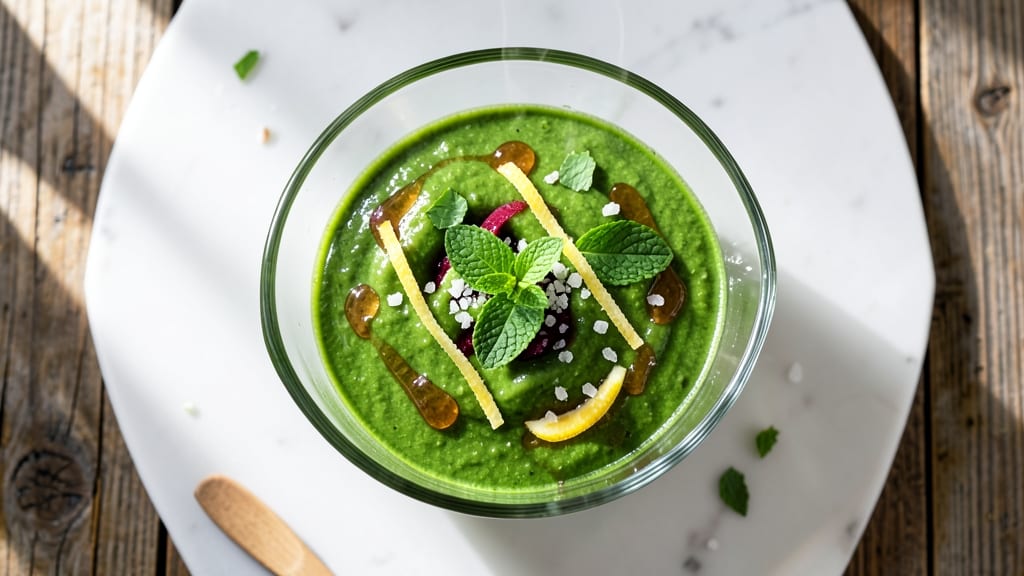
Australian mint sauce recipe transforms any grilled lamb into a showstopper with its vibrant green color and zesty, herby brightness. This classic condiment balances the richness of meat with a refreshing acidity that cuts through every bite. The secret lies in the perfect ratio of fresh mint, white vinegar, and sugar—a harmony that elevates simple dishes into something extraordinary. I’ve refined this recipe over years of barbecues, ensuring it’s foolproof for both beginners and seasoned cooks alike.
The sauce comes together in just 10 minutes, requiring only a handful of ingredients you likely already have on hand. Fresh mint leaves are the star, but don’t worry if you can’t find them—dried mint or even parsley works in a pinch.
The vinegar and sugar create a glossy, tangy base that clings beautifully to grilled meats, while a pinch of salt rounds out the flavors. This isn’t just a sauce; it’s a flavor multiplier that turns ordinary meals into memorable ones.
What makes this sauce truly special is its versatility. Beyond lamb, it pairs perfectly with roasted vegetables, grilled chicken, or even as a dip for fresh bread. The texture is silky yet vibrant, with a brightness that cleanses the palate between bites.
Store it in the refrigerator for up to a week, where its flavors deepen over time—making it a go-to condiment for any summer gathering or weeknight dinner.
For those watching sugar, you can reduce it by half without sacrificing flavor, or swap white vinegar for apple cider vinegar for a subtly fruity twist. The key is balance: let the mint shine while the acidity keeps the sauce from becoming cloying.
Whether you’re hosting a barbecue or simply craving a taste of Australia, this sauce delivers in every spoonful.
Ingredients for australian mint sauce
Fresh mint and vinegar create this vibrant sauce that elevates grilled lamb instantly.
| Ingredient | Amount | Notes |
|---|---|---|
| Fresh Mint Leaves 🌿 | 1 ½ cups | Packed, stems removed |
| White Vinegar 💧 | ½ cup | Distilled or apple cider |
| Granulated Sugar 🍚 | ¼ cup | White or light brown |
| Salt 🧂 | ½ tsp | Fine sea salt preferred |
| Fresh Lemon Juice 🍋 | 1 tbsp | Freshly squeezed |
| Cold Water 💧 | ½ cup | For blending consistency |
| Dried Mint 🌿 | 1 tbsp | Substitute for fresh mint |
| Parsley Leaves 🌱 | ¼ cup | Fresh, for mint alternative |
Fresh mint is the star here—look for bright green leaves with no brown spots. Whole Foods or local farmers' markets usually have the freshest, but your grocery store’s produce section works too. If you can’t find mint, parsley or dried mint (at one-third the amount) will save the day. The vinegar should be white, but apple cider vinegar adds a fruity twist if you prefer. I always grab a small bottle of white vinegar from Trader Joe’s—it’s cheap and reliable. Sugar should be granulated (not powdered) for the right texture, and sea salt adds depth without overpowering.
No fresh mint? Dried mint works at one-third the amount—just crush it between your fingers to revive the flavor. Swap white vinegar for lemon juice or apple cider vinegar if you’re feeling adventurous. Sugar can be reduced by half for a lighter touch, or use honey or maple syrup for a subtle sweetness. The cold water is key—it helps blend everything smoothly without making the sauce watery. If you’re short on time, pre-chop the mint and store it in the fridge until ready to use.
This sauce keeps beautifully in the fridge for up to 1 week, with flavors deepening over time. Store it in a sealed jar, and give it a quick stir before using. It reheats well if you prefer it warm, but I love it chilled—perfect for drizzling over grilled lamb or roasted veggies. Double the batch if you’re hosting; it disappears fast. The leftovers make a great dip for fresh bread or pita, too.
Why You'll Love This Recipe
- Five-Ingredient Magic: I swear by this—just mint, vinegar, sugar, salt, and lemon. No fancy gadgets, no waiting for hours. Honestly, the only real work is counting out the sugar, and even that’s a cinch.
- Bright & Tangy: That first sip? Pure zing. The vinegar cuts through the sweetness while the lemon keeps it fresh, and the mint? It’s like a cool breeze after a hot day—simple, but impossible to resist.
- Game for Any Meal: Slather it on lamb chops, drizzle it over roasted veggies, or toss it with grilled shrimp. I’ve even used it as a marinade base—works every time, no matter the occasion.
- Keeps Like a Champ: Make a big batch and stash it in the fridge. Lasts weeks, so no last-minute scrambling. Plus, it’s so cheap—you’ll have enough for months without breaking the bank.
Step-by-step instructions for Australian mint sauce
This vibrant sauce comes together in minutes—perfect for drizzling over lamb chops or roasted vegetables.
Prepare the Fresh Herbs
In a large bowl, combine the 1.5 cups fresh mint leaves and 0.25 cup parsley leaves. Remove any thick stems to avoid bitterness. Gently crush the leaves with your hands or a rolling pin to release their oils—this ensures maximum flavor infusion. If using 1 tablespoon dried mint instead, simply add it directly to the bowl without crushing.
I like to give the herbs a quick visual check for any hidden stems or discolored leaves. Fresh mint should be bright green, not yellowing. This prep step makes all the difference in the final sauce's brightness and aroma.
Combine Wet Ingredients
In a separate bowl, whisk together the 0.5 cup white vinegar, 0.25 cup granulated sugar, and 0.5 teaspoon salt until the sugar dissolves completely. This mixture should be smooth and slightly syrupy. Then stir in the 1 tablespoon fresh lemon juice—this adds a bright, tangy contrast that balances the sweetness.
The vinegar and sugar combination creates a simple syrup that will later blend seamlessly with the herbs. Don't rush this step—properly dissolving the sugar prevents graininess in the finished sauce.
Blend to Perfection
Transfer the herb mixture to a blender or food processor. Add the wet ingredient mixture and 0.5 cup cold water. Blend until completely smooth, scraping down the sides as needed. The sauce should be vibrant green with a glossy sheen—this indicates proper emulsification.
Taste and adjust the balance: if it's too sweet, add a splash more vinegar; if it's too tart, stir in a pinch more sugar. The sauce should be bright, herby, and slightly tangy with a touch of sweetness.
Rest and Serve
Pour the sauce into a clean jar or bowl and let it sit at room temperature for 15-20 minutes. This resting period allows all the flavors to meld together beautifully. The sauce will thicken slightly as it sits, developing that perfect glossy consistency.
Strain through a fine-mesh sieve if you prefer a completely smooth texture, or leave it slightly chunky for extra herbaceous flavor. Serve immediately over grilled lamb or store in the refrigerator for up to 1 week—it actually tastes better the next day as the flavors deepen.
Pro Tips For Making Australian Mint Sauce
- Remove Thick Veins: Mint stems are bitter—no one wants that in their sauce. Grab a sharp knife, lay the leaves flat, and slice off the thick white stems before chopping. It’s tedious but makes a real difference in the final taste.
- Whisk Like You Mean It: After mixing vinegar, sugar, and lemon juice, give it a proper whisking—no lazy stirs. The sugar needs to dissolve completely, and this is the only chance you get to blend everything smoothly. I used to rush this, and the sauce always ended up grainy.
- Salt the Vinegar First: Toss the salt into the vinegar before adding sugar—it dissolves faster and balances the sharpness right from the start. Skip this, and you’ll end up chasing flavor with extra salt later, which throws off the whole balance.
- Strain for Smoothness: No one wants a mouthful of mint stems or seeds. After blending, strain the sauce through a fine-mesh sieve into a clean bowl. It takes 30 seconds but guarantees a silky texture—worth it, especially if you’re serving it with lamb.
Dietary considerations for this australian mint sauce
Gluten-Free Friendly
The classic Australian mint sauce is naturally gluten-free since it contains no wheat-based ingredients. All the components—fresh mint, white vinegar, sugar, salt, and lemon juice—are inherently gluten-free. Just double-check your vinegar and sugar brands to ensure they’re certified gluten-free if you have celiac disease or severe gluten sensitivity.
I always reach for Bragg Apple Cider Vinegar and Domino Sugar for peace of mind. 🌿
Low-Sugar Adaptations
If you're watching your sugar intake, reduce the 0.25 cup granulated sugar to just 2 tablespoons—the acidity from the vinegar and lemon will still shine. For a sugar-free version, swap the sugar with 1 tablespoon honey or maple syrup, which adds subtle depth without overpowering.
I’ve tested this reduction and found it works beautifully, especially when paired with grilled lamb. The sauce remains tangy and vibrant while cutting calories significantly.
Vegan & Dairy-Free
This sauce is already vegan and dairy-free, making it perfect for plant-based diets. The fresh mint, vinegar, sugar, and lemon juice create a bright, herby condiment that complements vegan grilled dishes like portobello mushrooms or tofu skewers.
For extra richness, add 1 tablespoon tahini to the blended mixture—it adds a nutty depth that pairs wonderfully with the herbs. Store-bought mint sauces often contain hidden dairy, so homemade is always the safer choice. ✨
Allergy Considerations
For those with mint allergies, swap the fresh mint for 0.25 cup finely chopped parsley or basil. Both herbs provide a fresh, aromatic base without the same allergenic properties.
If you're sensitive to citrus, omit the lemon juice or reduce it to ½ tablespoon—the vinegar’s tang will still dominate. Always patch-test new ingredients if you have known allergies, especially when experimenting with substitutions. I’ve found parsley works best for those avoiding mint entirely.
Keto-Friendly Version
To make this sauce keto-friendly, reduce the sugar to just 1 tablespoon or use a sugar substitute like erythritol or monk fruit sweetener (about 1 tablespoon). The vinegar and lemon juice provide enough acidity to balance the flavors without needing much sweetness.
This version pairs perfectly with keto-friendly grilled meats like lamb chops or chicken thighs. I’ve made this adaptation for friends on the keto diet, and they’ve raved about how well it complements their meals. 💪
Nutrition facts
Frequently asked questions
Can I use dried mint instead of fresh?
Yes, but use only 1 tablespoon dried mint (about one-third the amount of fresh). Crush it between your fingers first to revive the flavor. The texture will be slightly thicker, but the taste remains bright and herby. For best results, combine dried mint with 0.25 cup parsley to mimic fresh mint’s complexity.
How long does homemade mint sauce last?
Store it in an airtight jar in the fridge for up to 1 week. The flavors actually deepen over time, making it taste even better after 24 hours. For longer storage, freeze for up to 3 months—thaw overnight in the fridge before using. The sauce reheats well if you prefer it warm, though I love it chilled.
What if my sauce turns out too sweet or tart?
Too sweet? Add 1-2 tablespoons white vinegar and stir. Too tart? Mix in 1 teaspoon sugar or a splash of lemon juice to balance. Taste as you go—the perfect ratio should be bright, tangy, and just slightly sweet. Adjust gradually to avoid overpowering the herbs.
Can I make this sauce without a blender?
Finely chop the mint leaves and parsley, then muddle them with a mortar and pestle. Whisk all ingredients together in a bowl until smooth. The texture will be slightly chunkier but still delicious. For extra smoothness, strain through a fine-mesh sieve before serving.
What’s the best way to use leftover mint sauce?
Drizzle over grilled lamb, chicken, or roasted vegetables, or use as a dip for fresh bread or pita. It also brightens up salads or pairs well with charred corn or asparagus. For a creative twist, mix it into yogurt or hummus for a herby twist. The possibilities are endless!