
Sauces & Condiments
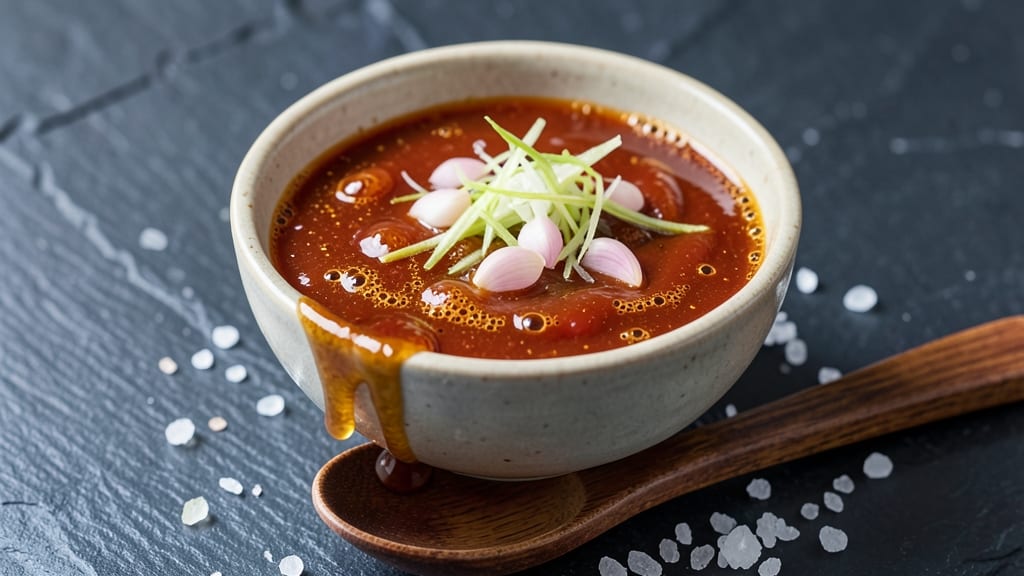
This Asian yum yum sauce recipe transforms simple pantry staples into a vibrant, tangy-sweet glaze that elevates everything from spring rolls to grilled meats. The secret lies in balancing ketchup’s sweetness with rice vinegar’s sharpness, creating a glossy sauce that clings perfectly to crispy edges.
I developed this version after years of testing—no artificial additives, just bold, restaurant-quality flavor in under 15 minutes.
The sauce’s magic comes from simmering vinegar, sugar, and soy sauce until syrupy, then folding in ketchup for that signature red hue. A touch of garlic and ginger adds depth, while a splash of hot sauce keeps it lively.
The result? A glossy, addictive sauce that’s equally at home dipping fries, glazing chicken wings, or drizzling over stir-fried vegetables. It’s the kind of condiment that turns ordinary meals into something special.
What makes this recipe stand out is its versatility—use it as a dipping sauce, marinade, or finishing glaze. The balance of sweet, tangy, and umami flavors works with almost any protein or vegetable. For extra richness, stir in a spoonful of mayo or a drizzle of sesame oil.
The sauce thickens as it cools, making it perfect for meal prep—just thin with a splash of water if needed.
Once you taste homemade yum yum sauce, store-bought versions will never compare. The fresh ingredients and careful balancing create layers of flavor you won’t find in a bottle. Ready to make your meals unforgettable? Let’s get started with this foolproof recipe.
Ingredients for asian yum yum sauce
Nine simple ingredients create this vibrant, tangy-sweet sauce that transforms any dish into something extraordinary.
| Ingredient | Amount | Notes |
|---|---|---|
| Ketchup 🍅 | ½ cup | High-quality, no artificial additives |
| Rice Vinegar 💧 | ¼ cup | White or seasoned variety |
| Granulated Sugar 🍚 | ¼ cup | White or raw cane sugar |
| Soy Sauce 🥢 | ¼ cup | Light or dark preferred |
| Garlic Cloves 🧄 | 3 cloves | Freshly minced for aromatic depth |
| Fresh Ginger 🌿 | 1 tbsp | Finely grated, peeled |
| Hot Sauce 🌶️ | 1 tbsp | Sriracha or similar preferred |
| Sesame Oil 🫒 | 1 tbsp | Toasted for authentic aroma |
| Mayonnaise 🥚 | 2 tbsp | Optional for richness |
| Water 💧 | ¼ cup | For thinning if needed |
The ketchup forms the base of this sauce, so Heinz or organic brands are ideal—they provide that signature sweetness without artificial aftertastes. For rice vinegar, Mushroom or Kikkoman varieties add subtle depth, while generic brands work in a pinch. Sugar can be swapped for honey or maple syrup, though granulated ensures smooth blending. Soy sauce selection matters: Kikkoman or Tamari deliver balanced umami, while cheaper brands may taste overly salty. Fresh garlic and ginger are non-negotiable for authentic flavor—organic markets or bulk bins often yield the best quality. Pre-minced jarred versions lack the aromatic punch, so invest the 30 seconds to chop them yourself.
No rice vinegar? Apple cider vinegar works in a bind, though it adds slight sweetness. Substitute honey for sugar at a 1:1 ratio, but reduce water slightly since honey thickens differently. Short on soy sauce? Coconut aminos provide a milder alternative, though the flavor profile shifts. The hot sauce can be omitted entirely for a milder version, or gochujang or sambal oelek add complexity. Sesame oil is optional but essential for that signature aroma—Kadoya or La Choy brands excel. For extra richness, Greek yogurt or vegan mayo can replace mayo, though texture will differ slightly. Always taste as you go: adjust sweetness with more sugar or tang with extra vinegar.
This sauce thickens as it cools, so store in an airtight container in the fridge for up to 2 weeks. The flavors meld beautifully overnight, making it perfect for meal prep. For long-term storage, freeze in ice cube trays—thaw and thin with water as needed. The sauce pairs exceptionally with fried foods, grilled meats, or stir-fried vegetables. To revive dried-out sauce, whisk in a splash of water or vinegar. For a restaurant-quality finish, drizzle with extra sesame oil or sprinkle with toasted sesame seeds before serving.
Why You'll Love This Recipe
- Pantry Magic: I swear by this sauce because it’s all pantry staples—no specialty trips, no last-minute grocery runs. That jar of ketchup gathering dust? The rice vinegar you bought for sushi night? They’re the stars here, and honestly, I’ve made this sauce three times this month without buying a single new thing.
- Sweet-Savory Balance: The garlic hits first—fresh, punchy, and just minced (no fancy techniques, just a knife and 30 seconds). Then the sugar and soy sauce kiss it into something addictive: tangy, salty, with this weirdly perfect sweetness that makes you want to pour it on everything. (Yes, even on toast. Don’t judge.)
- Weeknight Superhero: This is my secret weapon for takeout nights—drizzle it over fried rice, toss it with noodles, or slap it on grilled chicken. It turns a sad microwave meal into something that feels restaurant-worthy without the effort. Between us, I’ve used it to rescue burnt toast and sad store-bought dumplings. It works.
- Make-Ahead Gold: I double the batch every time because it keeps for weeks in the fridge. That means less stress on busy nights, more flavor for leftovers, and zero food waste. Plus, the longer it sits, the deeper the flavors get—like a slow dance of soy and vinegar that just gets better. Budget-friendly? Absolutely. Lazy-friendly? Even more so.
Step-by-step instructions for Asian yum yum sauce
This tangy-sweet sauce comes together in minutes with precise technique and bold flavors.
Combine Wet Ingredients for the Base
In a medium saucepan, measure out the 0.5 cup ketchup, 0.25 cup rice vinegar, 0.25 cup granulated sugar, and 0.25 cup soy sauce. Pour them together and place over medium heat. Stir constantly for 3-4 minutes until the sugar fully dissolves and the mixture begins to simmer gently.
The sugar should integrate completely, creating a smooth foundation. If you notice any graininess, keep stirring—this is critical for a silky final texture. Here's the thing: the sugar needs to fully incorporate before adding anything else, or you'll end up with a gritty sauce that ruins the smooth consistency we're aiming for.
Infuse with Aromatics and Simmer
Add the 3 minced garlic cloves and 1 tablespoon finely grated fresh ginger to the simmering mixture. Stir for 1-2 minutes until the garlic becomes fragrant and the ginger's sharp aroma permeates the sauce. Then reduce heat to low and let it simmer uncovered for 5 minutes to allow the flavors to meld.
You'll know it's ready when the mixture reduces slightly and the garlic turns a pale golden color. This step develops the sauce's depth—don't rush it. If you see the sauce starting to thicken too much before the 5 minutes are up, you can add 1-2 tablespoons of the 0.25 cup water to maintain balance, but aim to keep it as is if possible.
Incorporate Richness and Balance Flavors
Remove the saucepan from heat and let it cool for 2-3 minutes. While it cools, whisk together the 1 tablespoon sesame oil, 2 tablespoons mayonnaise, and 1 tablespoon hot sauce in a small bowl. Then slowly pour this mixture into the saucepan while stirring continuously to combine evenly.
The mayonnaise adds a luxurious creaminess that balances the tangy-sweet profile, while the sesame oil contributes nutty depth. Here's where it gets fun—the hot sauce should be added last so it doesn't cook off its heat during the initial simmer. Taste and adjust seasoning if needed, adding a pinch more soy sauce for saltiness or sugar to enhance sweetness.
Thin and Finish to Perfect Consistency
Return the sauce to low heat and stir in the remaining 0.25 cup water if needed to reach your desired consistency. It should coat the back of a spoon but still be pourable enough to drizzle. Simmer for 1-2 minutes just to warm through, then transfer to a bowl and let it cool completely before serving.
This sauce thickens as it cools, so don't be tempted to thin it too much now. If it becomes too thick later, you can always loosen it with a splash of water or rice vinegar. The final texture should be glossy and cling to whatever you're drizzling it over—whether it's crispy fries, fresh spring rolls, or a perfectly seared stir-fry.
Pro Tips For Making Asian Yum Yum Sauce
- MINCE THE GARLIC FINE: I learned this the hard way—chopping garlic cloves into rough chunks just makes the sauce taste uneven. Use a knife or garlic press to get it down to a paste-like consistency before adding it to the sauce. That way, every bite gets that garlicky punch without any surprise chunks.
- STIR CONSTANTLY ON LOW: The sauce can burn faster than you think, especially if you’re using a nonstick pan or skillet. Keep the heat at a steady low and stir every 30 seconds or so. I used to walk away for even a minute, and suddenly—charred ketchup disaster.
- USE LIGHT SOY SAUCE: Dark soy sauce adds color but can make the sauce taste bitter if you’re not careful. Light soy sauce keeps the flavor balanced and bright. If you only have dark, reduce the amount by half and add a splash of water to thin it out.
- SWEETEN THE SAUCE GRADUALLY: Start with half the sugar called for and taste as you go. The ketchup and rice vinegar already bring sweetness, so you might not need all of it. I’ve ruined batches by dumping in the full amount upfront—now I adjust slowly until it’s just right.
Creative variations of this asian yum yum sauce
Sweet and Spicy Fusion
Transform this classic sauce into a spicy-sweet glaze by doubling the hot sauce to 2 tablespoons and adding 1 teaspoon of chili flakes.
For extra heat, stir in 1 tablespoon of sriracha-infused honey—this fusion works amazingly on grilled pork skewers or as a dipping sauce for spicy spring rolls. 🌶️
Creamy Sesame Twist
For a richer, nutty variation, replace the mayo with 2 tablespoons of tahini and add 1 tablespoon of toasted sesame seeds. This Middle Eastern-Asian fusion pairs perfectly with crispy falafel or grilled halloumi cheese. The sesame seeds add texture, while tahini deepens the umami flavor.
Lighter Citrus Glaze
Brighten the sauce with 2 tablespoons of orange juice and 1 teaspoon of orange zest, reducing the sugar to 0.125 cup. This zesty version is ideal for seafood dishes like shrimp or grilled fish. The citrus cuts through the richness, making it a refreshing alternative for summer meals.
Umami Boost with Miso
Swap 2 tablespoons of soy sauce for 1 tablespoon of white miso paste and reduce the water to 0.125 cup. This Japanese-inspired twist adds a deeper, savory complexity that works beautifully with teriyaki-glazed chicken or miso-marinated tofu. The miso also enhances the sauce’s natural stickiness.
Smoky Chipotle Version
For a smoky kick, stir in 1 teaspoon of adobo sauce (from canned chipotle peppers) and ½ teaspoon of smoked paprika. This Mexican-Asian fusion is perfect for grilled meats or smoky dipping sauces like for nachos.
The chipotle adds a slow-building heat that pairs well with the sauce’s sweetness.
Herb-Infused Garden Sauce
Add 1 tablespoon each of finely chopped cilantro and Thai basil along with ½ teaspoon of fish sauce for a Vietnamese-inspired variation. This herbaceous version is fantastic with fresh spring rolls or as a dipping sauce for summer rolls.
The herbs add freshness, while the fish sauce deepens the umami profile. ✨
Nutrition facts
Frequently asked questions
What's the best way to store homemade yum yum sauce?
Transfer the sauce to an airtight container and refrigerate for up to 2 weeks. The flavors actually improve overnight! For long-term storage, freeze in ice cube trays—thaw and thin with water or vinegar as needed. Always store it in the fridge after opening to maintain freshness.
Can I make this sauce without mayo?
Skip the mayo for a lighter version, or use 2 tablespoons of Greek yogurt or vegan mayo instead. The sauce will still be delicious—just slightly less rich. For extra tang, add 1 extra tablespoon of rice vinegar to compensate for the missing creaminess.
Why did my sauce turn out too thick?
This happens when the sauce cools and thickens naturally. Thin it with 1-2 teaspoons of water or vinegar while warm. If it's still too thick, simmer it longer to reduce excess liquid. The ideal consistency should coat the back of a spoon but still be pourable—like honey.
What are the most popular uses for this sauce?
This versatile sauce excels as a dipping sauce for spring rolls or fries, a glaze for grilled meats, or a finishing drizzle for stir-fries. It's also perfect for marinating chicken wings or enhancing fried rice. The tangy-sweet balance makes it a crowd-pleaser for any Asian-inspired dish!
How can I make this sauce spicier?
Double the hot sauce to 2 tablespoons and add ½ teaspoon of cayenne pepper or 1 teaspoon of chili flakes. For smoky heat, stir in 1 teaspoon of gochujang. Always taste as you go—you can adjust the heat level to your preference after the initial simmer.