
Sauces & Condiments
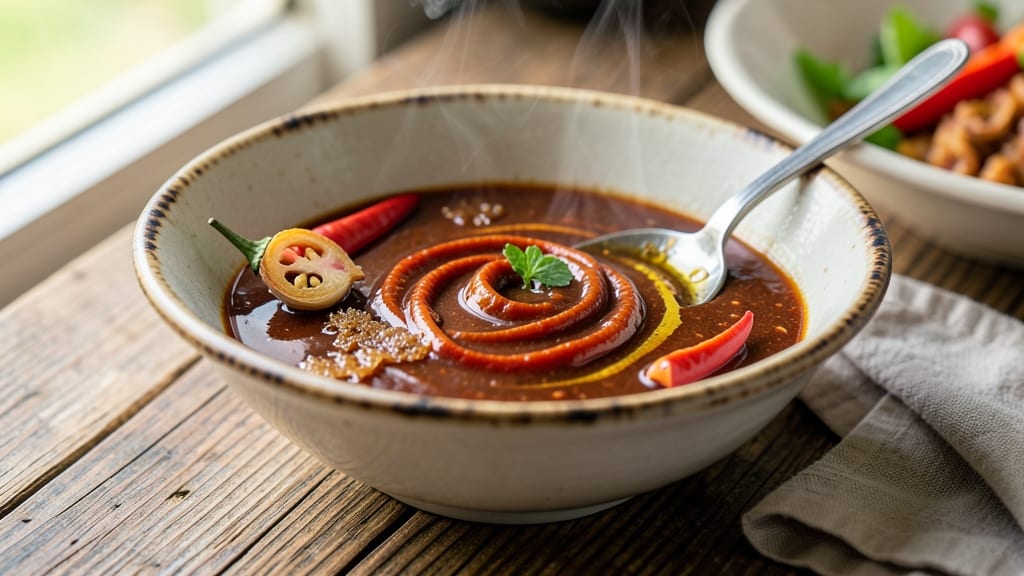
This Asian tiger sauce recipe delivers the perfect balance of sweet, spicy, and tangy heat that elevates everything from stir-fries to spring rolls. The secret lies in a precise blend of chili paste, vinegar, and brown sugar that creates a sauce with depth and complexity.
I developed this version after years of tasting different versions—some too sweet, others too spicy—and finally landed on this foolproof formula.
The magic happens when you simmer the ingredients just until they meld, allowing the flavors to develop without burning. This sauce isn’t just for dipping—it’s a game-changer for marinades, stir-fry glazes, and even as a finishing drizzle.
The heat builds gradually, so you can adjust the spice level to your preference without sacrificing the signature sweet-tangy profile.
What you’ll end up with is a glossy, vibrant sauce that clings to every bite, adding a bold punch of flavor.
It’s the kind of condiment that transforms ordinary meals into something extraordinary—think crispy spring rolls, sizzling noodles, or grilled meats that taste like they came from a street food stall. The best part?
It keeps well in the fridge for up to two weeks, so you’ll always have a jar ready for spontaneous cooking.
Whether you’re cooking for a crowd or just craving a flavor boost, this tiger sauce is your secret weapon. Let’s make it—your taste buds will thank you.
Ingredients for asian tiger sauce
Nine bold flavors come together for the perfect balance of sweet, spicy, and tangy heat.
| Ingredient | Amount | Notes |
|---|---|---|
| Red Curry Paste 🌶️ | 2 tbsp | High-quality, fresh paste preferred |
| Rice Vinegar 💧 | ½ cup | White or seasoned variety |
| Brown Sugar 🍯 | ½ cup | Light or dark, packed |
| Soy Sauce 🍶 | ¼ cup | Light or dark preferred |
| Fresh Chili Peppers 🔥 | 2 whole | Bird's eye or Thai chili, seeded |
| Garlic Cloves 🧄 | 4 cloves | Peeled, minced |
| Ginger Root 🌿 | 1 tbsp | Fresh, grated |
| Fish Sauce 🍢 | 1 tbsp | Red Boat preferred |
| Sesame Oil 🫒 | 1 tbsp | Toasted, for finishing |
| Water 💧 | ½ cup | For thinning consistency |
The curry paste is where the magic starts—Maesri or Maesan brands are my go-to for that authentic kick. If you can't find fresh paste, Red Boat or Thai Kitchen jars work too, but they won't have the same depth. Look for vibrant red color and no clumps—those mean it's been sitting too long. The brown sugar should be packed firmly in the cup; Trader Joe's has a great organic version if you want to splurge. Fresh chili peppers are non-negotiable here—they give that bright, fiery heat that jarred sauces can't match. Asian markets usually have them in the freezer section if you're not growing your own.
No fish sauce? Soy sauce plus a splash of lime juice gets you close, though the umami won't be identical. Running out of rice vinegar? Apple cider vinegar works in a pinch, but it'll have a slightly different tang. The ginger and garlic can be swapped for paste if you're in a hurry—just use half the amount since they're more concentrated. Penzeys sells pre-minced jars if you hate peeling cloves. For extra richness, add a teaspoon of hoisin sauce to the mix. And if you're feeling adventurous, swap half the brown sugar for palm sugar—it caramelizes differently and adds a unique depth.
This sauce keeps beautifully—two weeks in the fridge sealed tightly in a jar. The flavors actually improve after a day or two as everything melds. For longer storage, freeze in ice cube trays—just thaw and shake before using. I always make a double batch because it disappears fast. Sesame oil should be added last to preserve its nutty aroma, and if the sauce gets too thick, just stir in a splash of water. Trust me, you'll want to keep this on hand for everything from dumplings to grilled meats.
Why You'll Love This Recipe
- Pantry Magic: I swear by this sauce—no fresh herbs, no fancy prep. Just toss in red curry paste, a splash of rice vinegar, and brown sugar to balance the heat. Honestly, it’s the kind of recipe I make when I’ve forgotten to grocery shop.
- Sweet-Spicy Kick: That first bite? The chili peppers pack a punch, but the soy sauce and brown sugar smooth it out into something addictive. It’s the kind of flavor that makes you want to pour it over everything—eggs, noodles, even grilled chicken.
- Meal Prep Hero: Between us, this sauce keeps for weeks in the fridge, and it only gets better. I make a big batch on Sundays, then drizzle it on rice bowls all week. (Yes, even on a Tuesday night when I’m too tired to cook.)
- Budget Game-Changer: Red curry paste and soy sauce are cheap, and a single batch stretches across three meals. I’ll be real: my grocery bill dropped after I started using this instead of store-bought sauces. Plus, fresh chilies add heat without breaking the bank.
Step-by-step instructions for sweet and spicy Asian tiger sauce
Here's how to balance bold flavors into a sauce that's perfect for stir-fries or dipping.
Bloom the Red Curry Paste
Heat a medium saucepan over medium-low heat and add the 2 tablespoons red curry paste. Stir continuously for 2-3 minutes until it becomes fragrant and the oil begins to separate slightly. You'll smell the warm spices—this is your signal that the paste is fully activated.
This step develops the paste's complex flavors. If you skip it, the sauce will taste raw and underdeveloped. Keep the heat gentle to prevent burning the paste, which would make the sauce bitter. Stir frequently to ensure even heating throughout the paste.
Add Aromatics and Cook Until Fragrant
Increase heat to medium and add the 4 minced garlic cloves, 1 tablespoon grated ginger root, and the 2 seeded fresh chili peppers. Cook for 1-2 minutes until the garlic turns golden and the chili peppers soften slightly. Be careful not to let the garlic burn—it should smell sweet and nutty, not acrid.
The chili peppers will release their heat gradually. If you prefer less spice, remove the seeds before adding them. The garlic and ginger should sizzle gently but not brown too quickly. This is where the sauce builds its aromatic foundation—don't rush this step.
Combine Wet Ingredients
Pour in the 0.5 cup rice vinegar, 0.25 cup soy sauce, 1 tablespoon fish sauce, and 0.5 cup brown sugar. Stir well to combine and bring the mixture to a gentle simmer. Let it cook for 5-7 minutes, stirring occasionally, until the sugar dissolves completely and the sauce begins to thicken slightly.
The vinegar will make the sauce bubble gently. The sugar will help balance the acidity while adding depth. If you notice the sauce separating or becoming too thick, add 1-2 tablespoons of water to maintain a smooth consistency. This is where the sauce's signature sweet-spicy balance begins to develop.
Simmer and Reduce
Continue simmering for another 3-5 minutes until the sauce reduces by about 25%. You want it to coat the back of a spoon but still be pourable. Taste and adjust seasoning—add more soy sauce for saltiness, more brown sugar for sweetness, or more fish sauce for umami depth.
This reduction step concentrates the flavors and creates a glossy finish. The sauce should be vibrant in color—deep red from the curry paste with hints of green from the chili peppers. If it's too thin, simmer another minute or two. If it's too thick, add 1 tablespoon water at a time until you reach the right consistency.
Finish with Sesame Oil
Remove the sauce from heat and stir in the 1 tablespoon toasted sesame oil. This adds a nutty aroma and rich finish. Let the sauce sit for 5 minutes to allow the flavors to meld completely. The sesame oil should be evenly distributed throughout the sauce, giving it a beautiful sheen.
This final step is crucial—it elevates the sauce from good to exceptional. The sesame oil not only adds flavor but also helps balance the heat from the chili peppers. Serve immediately over stir-fried vegetables, noodles, or grilled meats, or use as a dipping sauce for spring rolls or dumplings.
Pro Tips For Making Asian Tiger Sauce
- Cook Paste First: Simmer the red curry paste in oil for 3-4 minutes before adding liquids—this toasts the spices and deepens their flavor. I used to skip this, and the sauce always tasted flat until I realized the paste needs time to bloom (yes, even if it smells like nothing’s happening).
- Mince Chili Like You Mean It: Pulse fresh chilies in a food processor for 10-15 seconds—this breaks down their flesh and seeds evenly, giving the sauce a smooth, consistent heat. Hand-chopping leaves uneven bits that burn before the rest cooks (trust me, I’ve done it).
- Balance Heat Gradually: Add soy sauce and brown sugar after the chilies cook down, not upfront—this prevents the sauce from turning bitter or overly salty. I learned this after one disastrous batch where I dumped everything in at once and ended up with a muddy, one-dimensional flavor.
- Simmer Low and Slow: Reduce the heat to medium-low once the sauce starts thickening, and let it bubble gently for 10-15 minutes. Rushing this step makes the vinegar taste harsh and the sugar grainy. Patience here makes the difference between a glossy sauce and a sad, clumpy mess.
Serving suggestions for this recipe
Dipping Sauce Perfection
This tiger sauce shines as a dipping sauce for crispy spring rolls or egg rolls. Serve it warm in a small bowl with a spoon for dipping—its glossy texture makes every bite irresistible. For extra flair, sprinkle with crushed roasted peanuts or chopped cilantro right before serving. 🌟
Pair it with vegetable spring rolls for a lighter option or pork and shrimp spring rolls for a richer flavor experience. The sauce's sweet-spicy balance cuts through the crispy exterior beautifully. I like to serve it alongside a cold Thai iced tea to cool the palate between dips.
Stir-Fry Glaze Magic
Use this sauce as a glaze for stir-fries by tossing cooked proteins or vegetables in 1-2 tablespoons of the warm sauce. It works wonderfully with chicken, shrimp, or tofu.
For example, stir-fry 1 lb chicken breast with bell peppers and snap peas, then toss with 2 tablespoons tiger sauce and 1 teaspoon sesame oil for a restaurant-quality finish.
For extra richness, add a splash of oyster sauce or hoisin sauce to the stir-fry before glazing. The sauce's glossy texture clings perfectly to ingredients, making every bite flavorful.
I love using it on pad Thai noodles—just toss the cooked noodles with 1-2 tablespoons of sauce and garnish with crushed peanuts.
Marinade for Grilled Meats
Transform this sauce into a marinade by thinning it with 1 tablespoon water per 2 tablespoons sauce. Use it on chicken, pork, or shrimp for 30 minutes to 2 hours before grilling.
The marinade adds a sticky, flavorful crust that caramelizes beautifully on the grill. I recommend using it on pork skewers or grilled chicken satay for a bold flavor profile.
For extra tenderness, add 1 tablespoon honey to the marinade. The combination of sweet, spicy, and tangy flavors makes the meat incredibly juicy and flavorful. Always let the meat rest for 5 minutes after grilling before serving to lock in the juices.
Finishing Drizzle
Elevate any dish with a final drizzle of tiger sauce. Use it on pho broth, ramen noodles, or even grilled vegetables like eggplant or zucchini. A simple 1 teaspoon drizzle adds a burst of flavor without overpowering the dish.
For example, drizzle it over steamed jasmine rice with a fried egg for a quick, flavorful meal.
It also works as a topping for fried rice or noodle soups. Just drizzle 1-2 teaspoons over the top and garnish with green onions or sesame seeds. The sauce's vibrant color makes any dish look more appetizing, and its bold flavors take it to the next level. 💛
Nutrition facts
Frequently asked questions
Can I make this tiger sauce without fresh chili peppers?
Yes! Use 1 teaspoon chili flakes or ½ teaspoon cayenne pepper instead, but reduce the amount since dried chilies are more concentrated. For a closer match, blend 2 dried Thai chilies with 1 tablespoon water to mimic fresh heat. The sauce will still be flavorful, though the texture will differ slightly.
How can I adjust the spice level?
For milder heat, remove chili seeds before cooking and reduce the cooking time to 30 seconds when adding fresh peppers. For extra spice, add 1 extra chili pepper or ½ teaspoon extra chili flakes at the end. Always taste before serving—you can't reverse the heat, but you can balance it with more brown sugar or vinegar.
What's the best way to store leftover tiger sauce?
Transfer to an airtight container and refrigerate for up to 2 weeks. The flavors actually improve over time! For longer storage, freeze in 1-tablespoon portions in ice cube trays. Thaw overnight in the fridge before using. The sauce may thicken when refrigerated—just stir in 1 teaspoon water to restore consistency.
Can I substitute fish sauce in this recipe?
Yes, but the umami depth will change. Use 1 tablespoon soy sauce + ½ teaspoon lime juice for a similar salty profile. For vegan versions, replace with 1 tablespoon coconut aminos. The sauce will still work well, though it won't have the same complexity. If you're avoiding fish sauce entirely, add ½ teaspoon MSG for extra savory punch.
Why did my tiger sauce separate?
This happens when the sauce cools too quickly or if too much water is added. To fix it, gently reheat the sauce over low heat while stirring constantly until smooth. For prevention, always stir occasionally while simmering and avoid adding water too early. The sugar should dissolve completely before reducing—if it crystallizes, whisk in 1 teaspoon warm water to break it up.