
Sauces & Condiments
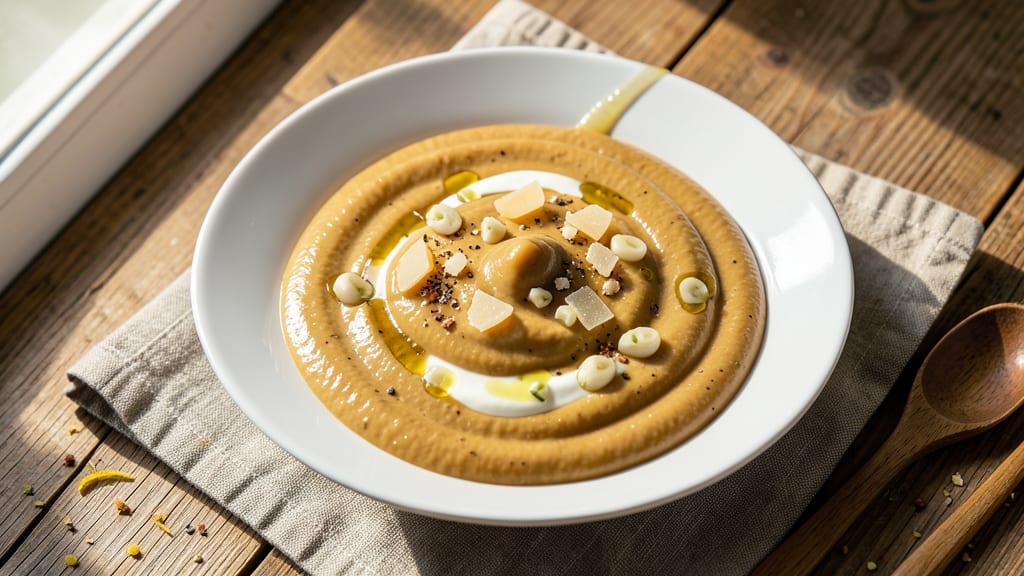
This angry Alfredo sauce recipe transforms classic creamy pasta sauce into a fiery, restaurant-quality condiment that won't clump or separate. The secret lies in balancing heat—whether from cayenne, chili flakes, or hot sauce—with rich, velvety cream and sharp parmesan. I developed this version after years of testing, ensuring the sauce stays smooth and clump-free while delivering serious kick. Perfect for pasta lovers who crave heat without sacrificing that signature Alfredo creaminess.
The magic happens in the technique: melting butter with garlic, then whisking in heavy cream and parmesan to create a velvety base before adding heat. A touch of cornstarch acts as a stabilizer, preventing clumping and ensuring the sauce stays silky even when reheated.
This isn't just a spicy sauce—it's a flavor bomb that elevates any dish, from fettuccine to dipping sauces for wings or mozzarella sticks.
What makes this sauce truly special is its versatility. Use it as a bold pasta sauce, a dipping sauce for appetizers, or even a marinade for grilled meats. The heat builds gradually, so you can adjust the spice level to your preference without compromising the creamy texture.
Once you try this version, store-bought Alfredo will never satisfy again.
Store leftovers in an airtight container in the refrigerator for up to 5 days, or freeze for up to 3 months. Reheat gently on the stove, stirring constantly to maintain that perfect creamy consistency.
The sauce thickens slightly when chilled, so thin with a splash of milk or cream when reheating if needed.
Ingredients for angry alfredo sauce
Nine ingredients create this velvety, spicy sauce that stays smooth and bold.
| Ingredient | Amount | Notes |
|---|---|---|
| Unsalted Butter 🧈 | ½ cup | Cold, cubed for even melting |
| Heavy Cream 🥛 | 1 ½ cups | Full-fat for maximum creaminess |
| Garlic Cloves 🧄 | 6 cloves | Minced, fresh preferred |
| Parmesan Cheese 🧀 | 1 ½ cups | Freshly grated, vibrant color |
| Extra-Virgin Olive Oil 🫒 | ¼ cup | For finishing, fruity variety |
| Cornstarch 🌾 | 1 tbsp | As stabilizer, prevents clumping |
| Cayenne Pepper 🔥 | 1 ½ tsp | Adjust for heat preference |
| Salt 🧂 | ½ tsp | Diamond Crystal preferred |
| Black Pepper 🌶️ | ½ tsp | Freshly ground for depth |
| Hot Sauce 🌶️ | 1 tbsp | Frank's RedHot preferred |
The Parmesan is non-negotiable—freshly grated from a wedge makes all the difference. Whole Foods or specialty cheese shops have the best quality, but any deli counter will work. Look for blocks with vibrant color and no orange tint. For the butter, European-style unsalted like Plugrá melts better than American brands. The heavy cream should be full-fat—none of that light stuff. Garlic? Roast it first for 10 minutes at 400°F to mellow the flavor without losing potency. That's the secret to balanced heat.
No cayenne? Red pepper flakes at half the amount work in a pinch, but the texture differs slightly. Subbing hot sauce? Tabasco or Cholula add different heat profiles—Tabasco is cleaner, Cholula has a smoky edge. Short on Parmesan? Pecorino Romano has a sharper bite. The cornstarch is crucial—it's what keeps this sauce from clumping when reheated. No cornstarch? Arrowroot powder works 1:1. And if you're worried about the sauce being too thick after chilling, just add a splash of warm milk or cream when reheating—it'll smooth right out.
This sauce reheats beautifully—just warm over medium-low heat, stirring constantly. Store in glass jars with tight lids for up to 5 days in the fridge. For freezing, portion into ice cube trays, then transfer to bags. 3 months in the freezer with no texture changes. The heat actually intensifies when chilled, so taste before serving. I always make double batches—one for pasta, one for dipping mozzarella sticks. Trust me, you'll want it on everything.
Why You'll Love This Recipe
- Five-Ingredient Magic: I swear, this sauce is foolproof—just melt butter, toss in garlic, stir in cream and cheese, and boom. No fancy techniques, no stress, just pure, creamy satisfaction in minutes.
- Garlic Bomb Kick: That fresh garlic sizzling in olive oil? It’s the secret weapon—bold, punchy, and balanced by the rich Parmesan. Honestly, it’s the kind of flavor that makes you want to lick the spoon.
- Weeknight Wonder: Slap it on pasta, drizzle over roasted veggies, or use it as a creamy dip—it’s my go-to for lazy nights or last-minute dinner rescues. (Yes, even on a Tuesday night when you’re exhausted.)
- Leftovers That Shine: Make a double batch and freeze half—thaw it later for a quick, restaurant-quality meal. Between us, it tastes even better the second time around.
Step-by-step instructions for angry Alfredo sauce
This method delivers velvety, spicy perfection without lumps or separation.
Create the Cornstarch Slurry for Silky Texture
In a small bowl, whisk together the 1 tablespoon cornstarch with 2 tablespoons of the heavy cream until completely dissolved. This creates a smooth slurry that will thicken the sauce without clumping. The cornstarch acts as a stabilizer, preventing that dreaded stringy texture while keeping the sauce luxuriously creamy.
Set this mixture aside for now. I've found that whisking vigorously for at least 30 seconds ensures complete dissolution—any undissolved cornstarch will create gritty spots in your sauce. This is where the magic happens for that perfect, restaurant-quality consistency.
Melt Butter and Bloom the Spices
In a heavy-bottomed saucepan, melt the 0.5 cup unsalted butter over medium heat until it foams but doesn't brown. Add the 6 cloves minced garlic, 1.5 teaspoons cayenne pepper, 0.5 teaspoon salt, and 0.5 teaspoon black pepper, stirring constantly for 1-2 minutes until fragrant.
This step develops the foundation of your sauce's flavor. The butter should be completely melted but not browned—you're looking for a gentle aroma of garlic and spices. If you smell burning, reduce the heat immediately. The cayenne will infuse into the butter, creating that signature heat that makes this sauce "angry."
Build the Sauce Base
Pour in the remaining 1.25 cups heavy cream (reserving 0.25 cup for later) and bring to a gentle simmer over medium-low heat. Once simmering, gradually whisk in the cornstarch slurry, adding 1 tablespoon at a time. Continue whisking constantly for 3-4 minutes until the sauce thickens noticeably and coats the back of a spoon.
This is where patience pays off. The sauce should thicken to a velvety consistency but still be pourable—not gluey. If it thickens too quickly, add 1 tablespoon of the reserved heavy cream to adjust. The sauce should coat the spoon completely, leaving a clean trail when you run your finger through it.
Incorporate the Cheese and Heat
Reduce heat to low and gradually add the 1.5 cups freshly grated Parmesan cheese, whisking constantly to prevent clumping. Stir in the 1 tablespoon hot sauce and continue cooking for another 2-3 minutes until the cheese is fully melted and the sauce is completely smooth.
The cheese should melt completely, creating a rich, nutty flavor that balances the heat. If you see any unmelted cheese, add another 1 tablespoon of the reserved heavy cream and whisk vigorously. This is the moment where all the flavors come together—the creamy richness, the spicy kick, and the sharp Parmesan.
Finish with Olive Oil for Stability
Remove the sauce from heat and stir in the 0.25 cup extra-virgin olive oil. This final step is crucial—it adds stability to prevent the sauce from separating when tossed with pasta or added to other dishes. The olive oil also enhances the sauce's richness and gives it a beautiful sheen.
Let the sauce rest for 5 minutes before using. This resting period allows the flavors to meld completely and ensures the perfect consistency. The sauce should be thick enough to coat the back of a spoon but still flow smoothly. If it thickens too much while resting, simply whisk in a splash of warm water or milk to reach your desired consistency.
Pro Tips For Making Angry Alfredo Sauce
- Melt Butter Slowly: Start with medium-low heat—high heat burns butter fast, and you’ll end up with a bitter, grainy sauce. Let the butter melt into a gentle foam before adding anything else, or you’ll scramble the garlic and turn your sauce into a sad, brown sludge.
- Toast Garlic Properly: Peel and smash the garlic cloves flat before tossing them in—this ensures even cooking. When the butter’s melted, add the garlic and let it sizzle until it’s just golden, not black. Overcooked garlic tastes like regret, and no one wants that in their alfredo.
- Strain the Cheese: Skip the grater and use a fine-mesh sieve for the Parmesan—this catches all the gritty bits that make your sauce feel like you’re eating sand. If you’re lazy, at least press the cheese through a damp paper towel first; it makes a real difference in texture.
- Temper the Cream: Don’t dump cold heavy cream into hot butter—it’ll curdle faster than you can say “disaster.” Warm the cream slightly (just until it’s lukewarm to the touch) before whisking it into the butter. This keeps your sauce silky, not lumpy, every single time.
Serving suggestions for this recipe
Pasta Pairings
This angry Alfredo sauce shines brightest with fettuccine or linguine—the wide, flat noodles create perfect surface area for sauce clinging. I always use Bronze Die pasta from De Cecco because its ridges hold sauce like a dream.
For extra drama, toss with grilled chicken or crispy prosciutto to balance the heat. 🍝
Want to get fancy? Try pappardelle for a rustic Italian touch, or gluten-free brown rice noodles if you're accommodating dietary needs. The sauce's creamy texture works beautifully with both, though traditional wheat pasta enhances the richness.
Always cook pasta 1 minute less than package instructions—it'll finish cooking in the sauce's residual heat.
Dipping Sauce Magic
This isn't just a pasta sauce—it's a dipping sauce superstar. Use it with mozzarella sticks, fried calamari, or garlic bread. I like to serve it in a small crock pot on the table with a spoon for easy dipping.
For extra fun, add crumbled bacon bits to the sauce before serving—it adds smoky depth that pairs perfectly with the heat. 🧀
Protein Pairings
Elevate grilled steak or chicken breasts by brushing them with this sauce during the last 2 minutes of cooking. The heat will caramelize slightly, creating a delicious crust. I also use it as a marinade for shrimp skewers—just coat them and grill for 2-3 minutes per side.
The sauce's acidity tenderizes the shrimp beautifully while adding that signature kick. 🍗
Breakfast Twist
Who says Alfredo is just for dinner? Use this sauce to drizzle over scrambled eggs or pancakes for a spicy breakfast surprise. I like to mix it with sharp cheddar and crispy bacon on a fluffy buttermilk pancake—it's become a weekend staple.
For extra richness, add a dash of cream cheese to the sauce before serving. 🍳
Vegetable Boosters
Add roasted mushrooms or sautéed spinach to your pasta for a hearty vegetarian option. The earthy flavors of mushrooms actually enhance the sauce's spice, while spinach wilts beautifully in the creamy heat.
I also love tossing in charred zucchini or roasted bell peppers for a summery twist. The key is to add veggies after cooking the pasta so they stay vibrant. 🥦
Nutrition facts
Frequently asked questions
Why does this sauce stay creamy and not clump?
The secret is the cornstarch slurry and olive oil finish. The cornstarch dissolves completely in cream before being whisked into the hot sauce, creating a smooth thickener. The olive oil at the end coats the sauce proteins, preventing separation when reheated or combined with pasta.
Can I make this sauce less spicy?
Start with just 0.5 teaspoon cayenne and 1 teaspoon hot sauce for mild heat. For medium spice, use 1 teaspoon cayenne and 1.5 teaspoons hot sauce. If it's still too hot, stir in 1 tablespoon heavy cream to balance the flavors.
What's the best way to reheat leftover sauce?
Gently warm over low heat while stirring constantly to prevent clumping. If it thickens too much, add 1 tablespoon warm milk or cream per ½ cup sauce. Never microwave—it creates a skin and separates the texture. For frozen portions, thaw in the fridge overnight first.
Can I use this sauce for dishes other than pasta?
It's perfect for dipping mozzarella sticks, marinating grilled chicken, or even spicing up scrambled eggs. The creamy heat works beautifully with fried seafood, garlic bread, or as a slather for burgers. Just adjust consistency by thinning with milk if needed.
What if I don't have cayenne pepper?
Use 1 teaspoon red pepper flakes instead, or ½ teaspoon crushed chili flakes for a slightly different texture. For a smoother heat, substitute with 1 tablespoon hot sauce (like Frank's RedHot). The sauce will still be delicious—just the spice profile will vary.