
Sauces & Condiments
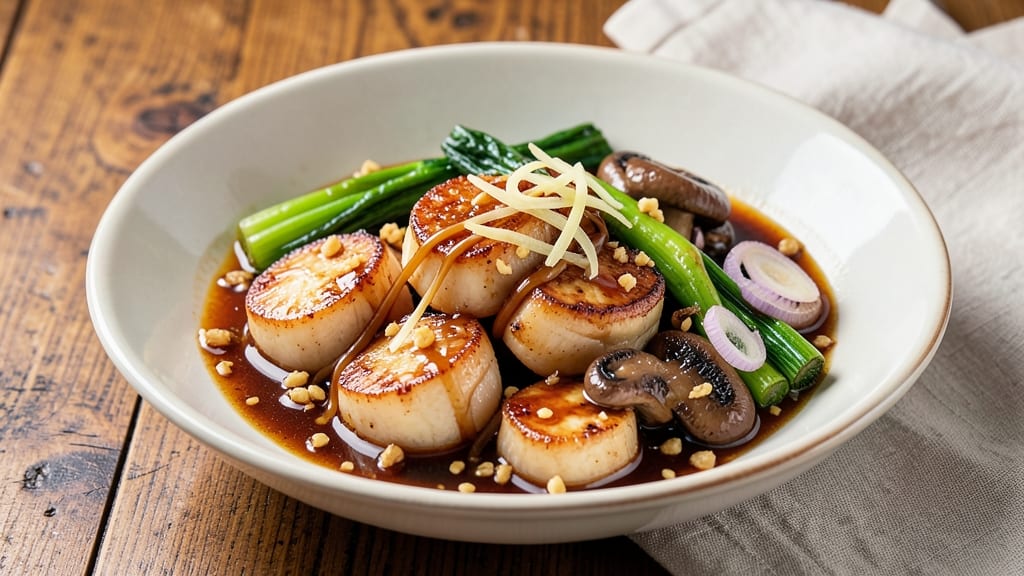
This Asian sticky sauce recipe transforms ordinary stir-fries into restaurant-quality dishes with its glossy, umami-rich glaze. The perfect balance of sweet, salty, and tangy flavors comes from simmering soy sauce, fish sauce, and sugar until it thickens into a velvety consistency. I developed this version after years of testing—it's the one that finally sticks (literally) to every bite without overpowering the dish.
The secret lies in the aromatics: garlic, ginger, and chili create layers of depth that elevate simple proteins and vegetables. Unlike store-bought versions, this sauce builds flavor through controlled reduction, creating a glossy finish that's ideal for glazing meats or dipping spring rolls.
The process takes just 20 minutes but delivers professional results every time.
What makes this sauce truly versatile is its ability to adapt—use it as a marinade for tenderizing proteins, a finishing glaze for roasted vegetables, or a dipping sauce for fresh spring rolls.
The balance of sweetness from brown sugar and acidity from rice vinegar ensures it works across a variety of Asian-inspired dishes while maintaining that signature sticky texture.
Once made, this sauce keeps beautifully in the refrigerator for up to two weeks, making it perfect for meal prep. The instructions below break down the exact ratios and techniques to achieve that perfect glossy consistency. Let's make this sauce that will become your new kitchen staple.
Ingredients for asian sticky sauce
Nine bold ingredients create this restaurant-quality umami glaze that transforms any dish.
| Ingredient | Amount | Notes |
|---|---|---|
| Light Soy Sauce 🥫 | ½ cup | High-quality, low-sodium preferred |
| Fish Sauce 🍶 | ¼ cup | Red Boat brand recommended |
| Brown Sugar 🍚 | ¼ cup | Packed firmly for accuracy |
| Rice Vinegar 🍶 | ¼ cup | Seasoned preferred for balance |
| Garlic Cloves 🧄 | 6 cloves | Minced finely for depth |
| Fresh Ginger 🌿 | 2 tbsp | Finely grated, not minced |
| Red Chili Flakes 🌶️ | 1 tbsp | Adjust for heat preference |
| Sesame Oil 🫒 | 1 tbsp | Toasted for nutty aroma |
| Cornstarch 🌾 | 1 tbsp | For thickening consistency |
| Water 💧 | ¼ cup | Room temperature preferred |
The soy sauce is your flavor foundation—Kikkoman or Pearl River Bridge are my go-tos, but any high-quality brand works. Fish sauce adds that signature umami depth, and Red Boat is the gold standard (no funny aftertaste). Brown sugar should be packed firmly—use a spoon to level off for consistency. The garlic and ginger? Fresh is non-negotiable here—they're the aromatic backbone. Buy extra ginger since it keeps for weeks in the freezer. For the chili flakes, Lao Gan Ma from Asian markets brings the heat without overpowering.
No fish sauce? Extra soy sauce plus a splash of Worcestershire gets you close—just remember Worcestershire has vinegar, so reduce the rice vinegar slightly. Substituting brown sugar? White sugar works, but honey adds unwanted moisture. Fresh garlic or ginger not available? Powdered versions at half the amount will work in a pinch, though purists will notice the difference. The sesame oil is for aroma only—add it last to preserve its nutty punch. Cornstarch is the secret to that glossy finish—never skip it if you want that professional sheen.
This sauce keeps for 2 weeks in the fridge, sealed tightly in a jar. The longer it sits, the more complex the flavors become—make extra if you can. For freezing, portion into ice cube trays and transfer to a bag. Thaw overnight in the fridge before using. A little goes a long way—1-2 tbsp per serving is perfect for glazing or dipping. The sauce thickens as it cools, so warm gently with a splash of water if it gets too stiff.
Why You'll Love This Recipe
- Pantry Magic: I swear by this sauce because it uses things I already have—no special trips to the store. Light soy and fish sauce give that deep umami punch, while brown sugar cuts through the saltiness like a perfect balance. Honestly, it’s the kind of recipe that makes me feel like I’m cooking with intention, even when I’m just throwing stuff together.
- Umami Bomb: That garlic and fish sauce combo? Chef’s kiss. The brown sugar caramelizes just enough to make it sticky and sweet-savory, while the rice vinegar brightens it up—like a little wake-up call for your taste buds. It’s not overly sweet or salty; it’s just right.
- Glaze Everything: Slather it on grilled chicken, drizzle it over noodles, or toss it with roasted veggies—this sauce doesn’t play favorites. I’ve used it for weeknight dinners, potlucks, and even as a quick marinade before a dinner party. Between us, it’s my go-to for when I don’t want to think too hard about what’s for dinner.
- Budget Stretch: A few tablespoons of this sauce stretch a meal into something special without breaking the bank. The ingredients cost pennies, but the flavor feels luxurious. Plus, it keeps in the fridge for weeks, so I can make a big batch and use it whenever I’m in a pinch—or just craving that sticky, garlicky goodness.
Step-by-step instructions for glossy umami glaze
This sauce transforms simple stir-fries into restaurant-worthy dishes with its perfect balance of sweet, salty, and spicy.
Bloom the Aromatics in Sesame Oil
Heat a small saucepan over medium-low heat and add the 1 tablespoon sesame oil. Let it warm for 1 minute until fragrant—you'll smell that nutty, toasted aroma that forms the sauce's foundation. This step is crucial; it prevents the oil from burning while extracting maximum flavor from the aromatics.
Add the 6 cloves minced garlic and 2 tablespoons finely grated ginger (not minced—this ensures a smooth texture). Cook for 2-3 minutes until the garlic turns golden and the ginger loses its raw bite. Watch closely—garlic burns quickly, and you want that sweet, caramelized flavor, not bitterness. Stir constantly to distribute the heat evenly.
Combine Wet Ingredients for Flavor Fusion
Pour in the 0.5 cup light soy sauce, 0.25 cup fish sauce, 0.25 cup rice vinegar, and 0.25 cup packed brown sugar. Bring the mixture to a gentle simmer over medium heat, then reduce to low heat. Let it cook uncovered for 5-6 minutes until the sugar dissolves completely and the mixture reduces slightly—you're looking for about 25% reduction in volume.
Here's the thing—this reduction is where the sauce develops its signature depth. The heat helps the soy sauce's umami compounds concentrate while the vinegar brightens the flavors. Taste occasionally; if the sauce tastes too acidic, add a pinch more brown sugar. If it's too sweet, a splash of rice vinegar balances it. Adjust now while you can still correct it easily.
Thicken and Finish with Chili Heat
In a small bowl, whisk together the 1 tablespoon cornstarch with the 0.25 cup room-temperature water until completely dissolved. This slurry is your thickening agent—it creates that signature glossy, clingy texture. Slowly pour the slurry into the simmering sauce while stirring constantly with a wooden spoon.
Keep the sauce at a gentle simmer for 2-3 minutes until it thickens to a coatable consistency—it should leave a visible trail when you run your finger through it. Stir in the 1 tablespoon red chili flakes and remove from heat. The chili adds heat without overpowering the sauce's complexity. Let the sauce sit off heat for 5 minutes to allow the flavors to meld completely.
Adjust Consistency and Use Immediately
The sauce should now be glossy with a smooth, velvety texture. If it's too thick, whisk in 1 teaspoon water at a time until it reaches your desired consistency for dipping or tossing. For stir-fries, you want it slightly thicker so it clings to ingredients without making them soggy. Taste again and adjust seasoning—another pinch of sugar or soy sauce can perfect the balance.
This sauce is best used fresh, but it will keep in an airtight container in the refrigerator for up to 1 week. The flavors actually improve slightly as they meld over time. Use it to glaze proteins, toss with noodles, or serve as a dipping sauce for spring rolls. The key to success? Patience in the reduction and attention to the thickening process—these steps make all the difference between a good sauce and an extraordinary one.
Pro Tips For Making Asian Sticky Sauce
- Simmer Low and Slow: This sauce isn’t a race—after adding the brown sugar, drop the heat to a gentle simmer (barely bubbling) and let it melt fully. I used to rush it and end up with grainy bits that ruined the texture. Give it 5-7 minutes, stirring occasionally, until the sugar dissolves completely.
- Mince Garlic Like It’s 1999: Skip the food processor for garlic—hand-mince it fine enough to disappear when stirred in. I learned this the hard way when chunky bits settled at the bottom. If you’re impatient, use a garlic press, but don’t skip the extra pulse to break it down.
- Balance the Fish Sauce: Fish sauce can overpower if you’re not careful. Start with ½ teaspoon, taste, then add more—it’s easier to fix than to undo. The goal is a savory depth, not a punch to the face. (Yes, even if you love umami.)
- Reduce the Vinegar First: Add the rice vinegar after the sauce has thickened slightly, then let it cook off for 2-3 minutes. This cuts the harsh tang and lets the sweetness shine. I used to add it all at once and end up with a sauce that tasted like a salad dressing.
Creative variations of this asian sticky sauce
Sweet & Spicy Glaze
Double the brown sugar to ½ cup and add 1 tbsp honey for a caramelized finish. Reduce the fish sauce to ¼ cup and increase chili flakes to 2 tbsp for a fiery kick. This version works perfectly for glazing ribs or grilled pineapple. 🌶️
Thai-Inspired Peanut Variation
Replace ½ cup soy sauce with ¼ cup soy sauce + ¼ cup peanut butter (smooth, unsweetened). Add 1 tbsp lime juice and 1 tsp ground coriander for a Thai-inspired twist. Thin with 1-2 tbsp water if needed for dipping satay skewers.
Japanese Miso Glaze
Swap fish sauce for ¼ cup white miso paste and reduce soy sauce to ¼ cup. Add 1 tbsp mirin and 1 tsp grated daikon for a Japanese-inspired umami depth. Simmer uncovered for 8-10 minutes until thickened—this version pairs beautifully with teriyaki chicken.
Vegan Adaptation
Use ¼ cup coconut aminos instead of fish sauce and 1 tbsp maple syrup instead of brown sugar. Add 1 tsp nutritional yeast for a cheesy umami note. This version works perfectly for vegan stir-fries or tofu dishes while maintaining that signature sticky texture.
Sweet Chili Dipping Sauce
Reduce the sugar to ¼ cup and add 2 tbsp sweet chili sauce (like Mae Ploy) and 1 tbsp lime zest. Thin with 1 tbsp water for a dipping sauce that's perfect with spring rolls or grilled shrimp.
The lime zest adds a bright, citrusy finish that balances the sweetness.
Smoky BBQ Fusion
Add 1 tbsp smoked paprika and 1 tsp liquid smoke to the base recipe. Replace ¼ cup rice vinegar with ¼ cup apple cider vinegar for a smoky-sweet fusion. This version is ideal for glazing pulled pork or brisket—it bridges Asian and American BBQ flavors beautifully. ✨
Nutrition facts
Frequently asked questions
Can I make this sauce without fish sauce?
Yes! Replace the ¼ cup fish sauce with ¼ cup soy sauce plus 1 tbsp Worcestershire sauce for umami depth. The Worcestershire adds a tangy note that complements the sweetness. For a fully vegetarian version, use ¼ cup coconut aminos instead—it mimics the salty profile while keeping the sauce flavorful. Adjust seasoning after cooking as needed.
Why did my sauce turn out too thin?
This usually happens if you didn't reduce the sauce long enough or if the cornstarch slurry didn't thicken properly. For next time, simmer uncovered for 3-5 minutes longer after adding the cornstarch, stirring constantly. If it's still too thin, mix 1 tsp cornstarch with 1 tbsp water, stir in, and cook for another 1-2 minutes. The sauce should coat the back of a spoon when cool.
How can I use this sauce beyond stir-fries?
This versatile sauce works as a marinade for 2-4 hours (great for chicken or tofu), a dipping sauce for spring rolls or dumplings, or a glaze for grilled meats. Try brushing it on baked salmon during the last 5 minutes of cooking for a caramelized finish. For extra shine, reheat gently before using—this restores that glossy texture if the sauce has thickened in storage.
Can I make this sauce in a slow cooker?
Combine all ingredients (except cornstarch) in your slow cooker and cook on Low for 2-3 hours until reduced by about 50%. Stir in the cornstarch slurry and cook on High for 15-20 minutes, stirring occasionally, until thickened. The slow cooker method develops deeper flavors but requires more monitoring to prevent over-reduction. For best results, use the stovetop method for quick, precise control.
What's the best way to store leftover sauce?
Transfer the cooled sauce to an airtight container and refrigerate for up to 2 weeks. The flavors actually improve as they meld! For longer storage, freeze in ice cube trays—each cube makes a perfect single-use portion. Thaw overnight in the fridge before reheating. If the sauce thickens when cold, simply whisk in 1 tsp water at a time until smooth. Always reheat gently to preserve that glossy texture.