
Sauces & Condiments
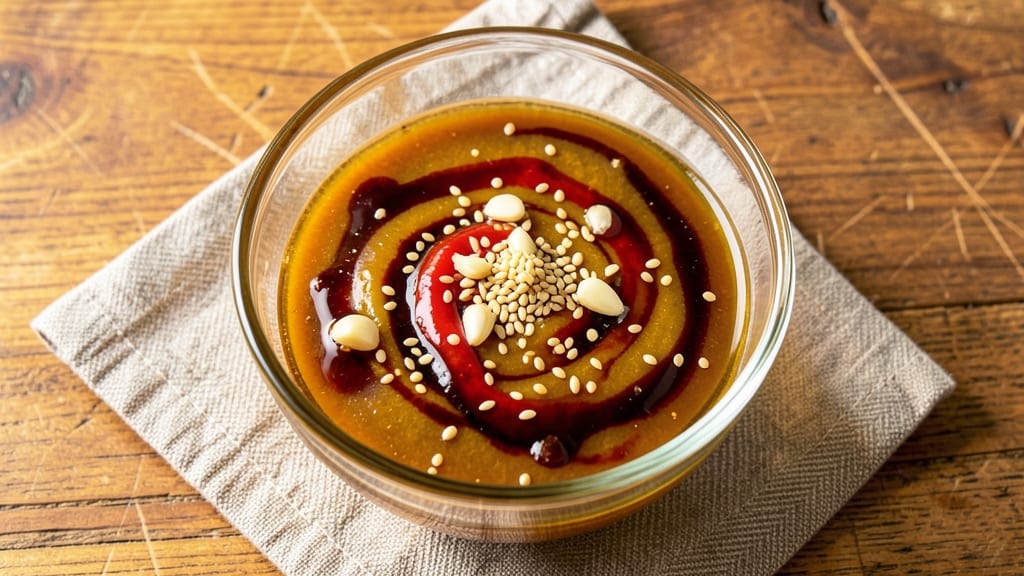
This Asian slaw sauce recipe transforms ordinary salads into vibrant, flavor-packed bites with just five simple ingredients. The perfect balance of tangy rice vinegar, nutty sesame oil, and a touch of sweetness creates a sauce that clings beautifully to crisp vegetables, adding depth without overpowering.
What makes this sauce special is its versatility—it elevates everything from crunchy cabbage slaw to noodle bowls and even wraps.
The secret to this sauce lies in the harmony of flavors: a splash of soy sauce for umami, a drizzle of sesame oil for richness, and a hint of honey or sugar to round out the tang.
Unlike store-bought versions, this recipe uses high-quality ingredients that deliver a fresher, more complex taste. It comes together in just 10 minutes, making it ideal for quick meal prep or last-minute dressing needs.
Once mixed, this sauce keeps well in the fridge for up to a week, allowing you to batch-prep for the week ahead. The texture is silky yet slightly thick, ensuring it coats every bite of your slaw or dish without making it soggy.
Whether you're serving it over fresh cabbage, drizzling it on grilled chicken, or tossing it with noodles, the result is a restaurant-quality flavor that’s simple to achieve at home.
For extra depth, consider adding a pinch of red pepper flakes or a dash of sriracha for heat, or a splash of lime juice for brightness. The possibilities are endless, but the base recipe remains foolproof—perfect for anyone looking to add a burst of Asian-inspired flavor to their meals.
Ingredients for asian slaw sauce
Five simple ingredients create this vibrant, restaurant-quality slaw sauce that elevates any dish.
| Ingredient | Amount | Notes |
|---|---|---|
| Rice Vinegar 🍶 | ¼ cup | Unseasoned, mild variety preferred |
| Sesame Oil 🫒 | 2 tbsp | Toasted sesame oil for nutty flavor |
| Soy Sauce 🥢 | 2 tbsp | Light or dark soy sauce works |
| Honey 🍯 | 2 tbsp | Or light agave syrup for vegan option |
| Toasted Sesame Seeds 🌾 | 1 tbsp | For texture and aroma |
| Garlic Cloves 🧄 | 1 clove | Minced for subtle garlic flavor |
| Fresh Ginger 🌿 | ½ tsp | Grated, for zesty kick |
| Sesame Paste 🥜 | 1 tbsp | Optional for deeper sesame flavor |
| Lime Juice 🍋 | 1 tbsp | Freshly squeezed for brightness |
| Salt 🧂 | ½ tsp | Diamond Crystal kosher salt preferred |
The rice vinegar is the foundation—grab the unseasoned kind from the Asian aisle at Trader Joe's or Whole Foods for the cleanest flavor. Sesame oil can vary wildly in quality, so look for toasted sesame oil in dark bottles (light exposure ruins it). The honey adds just enough sweetness to balance the tang, but if you prefer a vegan option, light agave syrup works perfectly. Fresh garlic and ginger are non-negotiable for that bright, zesty punch—don't use powdered versions. For sesame seeds, toasted and unsalted is ideal, but plain works in a pinch.
No rice vinegar? Apple cider vinegar or lime juice can stand in, though the flavor won't be identical. Short on honey? Maple syrup or even brown sugar dissolved in warm water does the trick. The sesame paste is optional but adds a rich, nutty depth—skip it if you're keeping this strictly to five ingredients. For heat, add a pinch of red pepper flakes or a dash of sriracha (start with 1/4 tsp and adjust). If your sauce seems too thin, stir in 1 tsp cornstarch mixed with 1 tsp water to thicken it slightly.
This sauce keeps beautifully in the fridge for up to 1 week in an airtight container. For longer storage, transfer to a sterilized glass jar and refrigerate—it'll stay fresh for 2-3 weeks. If you make a big batch, portion it into small containers for easy grab-and-drizzle convenience. The texture thickens slightly when chilled, so give it a quick whisk before using. Freezing isn't recommended, as the texture can separate.
Why You'll Love This Recipe
- Pantry Magic: I swear by this sauce because it’s made with things I always have—rice vinegar, soy sauce, even that half-empty honey jar. No fancy shopping trips needed; just stir and go.
- Umami Bomb: That little splash of sesame oil? It’s the secret weapon. One whiff and you’re hit with nutty, toasty depth that turns plain veggies into something ridiculously good.
- Leftover Hero: I make a big batch on Sundays and toss it in everything—bowls, wraps, even grilled chicken. It lasts a week in the fridge, and honestly? I’m always glad I did.
- Five-Minute Fix: Between us, this sauce is that easy. Five ingredients, two minutes of stirring, and zero cleanup. Perfect when you’re starving but don’t want to slave over dinner.
Step-by-step instructions for Asian slaw sauce
This tangy sesame drizzle comes together in minutes with simple ingredients and precise technique.
Prepare the Aromatic Base
In a small bowl, combine the 0.25 cup rice vinegar, 2 tbsp soy sauce, and 2 tbsp honey. Whisk vigorously for 30 seconds until the honey fully dissolves and the mixture becomes smooth and glossy. This base creates the perfect balance of sweet, salty, and acidic flavors that define the sauce.
Next, add the 1 clove minced garlic cloves and 0.5 tsp grated fresh ginger. Stir well to distribute the aromatics evenly. The garlic and ginger should be finely minced—this ensures they blend seamlessly without overpowering the sauce. Let the mixture sit for 5 minutes at room temperature to allow the flavors to meld.
Incorporate the Sesame Elements
In a separate small bowl, whisk together the 2 tbsp sesame oil and 1 tbsp sesame paste (if using). This combination adds depth and richness to the sauce. If you're skipping the sesame paste, simply use the 2 tbsp sesame oil alone—it still delivers that signature nutty flavor.
Gradually pour the sesame mixture into the vinegar base while whisking continuously. The sauce will thicken slightly as the oil emulsifies with the other ingredients. Add the 1 tbsp lime juice and 0.5 tsp salt, then whisk again until fully combined. Taste and adjust seasoning—you may want to add a pinch more salt or a splash of lime juice to achieve the perfect balance of tang and sweetness.
Finish with Texture and Emulsify
Remove the sauce from the heat (if you've been warming it) and let it cool slightly. Sprinkle in the 1 tbsp toasted sesame seeds, reserving a few for garnish. Gently stir to distribute the seeds evenly—this adds a delightful crunch and visual appeal to the sauce.
For a smoother texture, transfer the sauce to a blender or food processor and pulse for 10-15 seconds until fully emulsified. If you prefer a slightly textured sauce, simply whisk vigorously by hand for 1 minute until thick and glossy. The sauce should coat the back of a spoon with a silky consistency. If it's too thick, thin it with 1 tsp water at a time until it reaches your desired drizzling consistency.
Rest and Adjust for Perfection
Cover the bowl and let the sauce rest for 10 minutes at room temperature. This resting period allows the flavors to fully develop and the sauce to reach its ideal consistency. After resting, give it one final taste and adjust seasoning if needed—perhaps a touch more honey for sweetness or a splash of lime juice for brightness.
The sauce is now ready to use. It pairs beautifully with fresh slaw, grilled meats, or as a dipping sauce for spring rolls. For best results, use it within 24 hours for maximum freshness, though it will keep in the refrigerator for up to 5 days in an airtight container.
Pro Tips For Making Asian Slaw Sauce
- WHISK IN STAGES: Mix the rice vinegar and soy sauce first—this prevents the honey from crystallizing on contact. I learned this the hard way after scraping clumps off my bowl twice. Start with just the liquids, then slowly drizzle in the honey while whisking like you’re trying to dissolve sugar in iced tea.
- USE COLD SESAME OIL: Add the sesame oil last, right before tossing with the slaw. Hot oil burns out its nutty aroma fast—it’s subtle but makes the difference between "good" and "wow." Stir it in just before serving, or the flavor fades like a forgotten takeout container.
- TOAST SEEDS FRESH: Skip the pre-toasted seeds from the jar. Toast your own sesame seeds in a dry pan over medium heat for 60 seconds until they smell like a bakery—just until golden, not brown. The freshness pops the flavor, and you’ll notice how much more aromatic they are compared to store-bought.
- BALANCE THE SWEET: Taste before adding all the honey. Soy sauce and rice vinegar are salty and acidic, so the honey can overpower if you’re not careful. Start with half the amount listed, then adjust—you can always add more, but you can’t take it out. (Yes, even if you’re impatient like me.)
Troubleshooting this recipe
Thin Sauce Fix
If your sauce turns out too thick after mixing, don't panic—this happens when sesame oil and honey combine. Thin it gradually with 1 teaspoon water at a time while whisking continuously.
For a smoother texture, strain through a fine-mesh sieve to remove any sesame seed bits that might have thickened the mixture. I've found that 1-2 teaspoons of water usually brings it back to perfect drizzling consistency. 💫
Oil Separation
Sesame oil can sometimes separate from the other ingredients if not whisked properly. To prevent this, whisk vigorously for at least 1 minute after combining all ingredients. If separation occurs, simply whisk again or gently warm the sauce over low heat for 10-15 seconds while stirring constantly.
The heat helps re-emulsify the oil without cooking the flavors. For extra insurance, add ½ teaspoon cornstarch mixed with ½ teaspoon water to stabilize the emulsion.
Overpowering Garlic/Ginger
Fresh garlic and ginger can dominate if not minced finely enough. Use a microplane for garlic and ginger to create a paste-like texture that blends smoothly. If the flavors are too strong, balance them with ½ teaspoon more honey or 1 teaspoon lime juice to mellow the intensity.
I've learned to taste as I go—adding these ingredients gradually prevents over-seasoning while keeping the aromatic base intact.
Lack of Tang
The sauce might taste flat if your rice vinegar isn't acidic enough. For extra tang, add ½ teaspoon more rice vinegar or 1 teaspoon lemon juice. If you're using apple cider vinegar as a substitute, it's naturally stronger, so reduce to ¼ cup instead of ½ cup.
For a deeper umami kick, stir in ½ teaspoon fish sauce (common in Asian cooking) or an extra ½ teaspoon soy sauce. 🍶
Sesame Oil Taste Too Strong
If the sesame flavor overwhelms, reduce the sesame oil to 1 tablespoon and replace the remaining 1 tablespoon with neutral oil like avocado or vegetable oil. For a lighter profile, skip the sesame paste entirely.
If you still want sesame notes, try 1 teaspoon tahini (thinned with water) instead—it adds creaminess without the same intensity. Always taste as you go to find your perfect balance.
Storage Texture Issues
After refrigerating, the sauce may thicken or separate. To fix, whisk in 1 teaspoon warm water at a time until smooth. If it still looks grainy, strain through a fine-mesh sieve. For future batches, store the sauce in a glass jar (not plastic) to maintain texture.
I've found that reheating in 10-second bursts in the microwave (stirring between each) restores consistency without cooking the flavors. Always let it cool before using again.
Nutrition facts
Frequently asked questions
Can I make this sauce without sesame oil?
Yes! If you're avoiding sesame oil, replace it with 2 tbsp neutral oil (like avocado or vegetable) and add 1 tsp tahini for a similar nutty depth. The sauce will still taste delicious but with a slightly lighter profile. For extra umami, boost the soy sauce to 3 tbsp instead.
How long will this sauce keep in the fridge?
This sauce stays fresh in an airtight container for up to 5 days in the fridge. For longer storage, transfer to a sterilized glass jar and it'll last 1-2 weeks. The texture may thicken slightly when chilled—just whisk in 1 tsp water before using to restore consistency.
What's the best way to use leftover sauce?
This versatile sauce works on anything! Drizzle it over fresh coleslaw, toss with rice noodles, or use as a dip for spring rolls. It also elevates grilled chicken, fish tacos, or even as a marinade for tofu. For extra crunch, sprinkle with crushed peanuts or fried shallots before serving.
Can I make this sauce spicier?
For heat, add ½ tsp red pepper flakes or 1 tsp sriracha when mixing. Start with less and adjust to taste—Asian slaw sauces often balance sweet, tangy, and spicy flavors beautifully. If you love it fiery, try 1 tsp gochujang (Korean chili paste) for depth with heat.
Why did my sauce separate?
Sesame oil is prone to separating if not whisked properly. Fix it by whisking vigorously for 1 minute or gently warming the sauce over low heat for 10 seconds while stirring. For prevention, add ½ tsp cornstarch mixed with ½ tsp water to stabilize the emulsion. Always whisk thoroughly after adding sesame oil!