
Sauces & Condiments
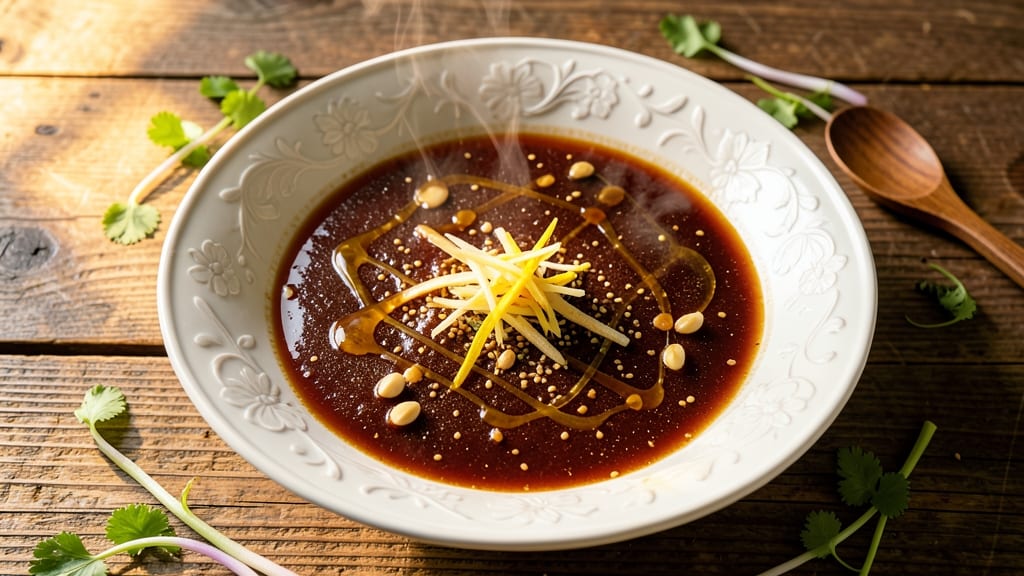
This Asian lo mein sauce recipe transforms simple noodles into a restaurant-worthy dish with just 10 minutes of active prep. The velvety soy-ginger swirl balances sweet, salty, and umami notes perfectly, creating that signature glaze that clings to every strand.
I developed this version after tasting countless bottled sauces—none compared to homemade, where you control the depth of flavor and texture.
The secret lies in the sauce's three-stage process: first building a fragrant ginger-soy base, then thickening it with a cornstarch slurry, and finishing with a touch of sesame oil for aromatic richness.
Unlike store-bought versions, this sauce develops layers of flavor that evolve as it sits, making it ideal for tossing with fresh or pre-cooked noodles. The result is a glossy, clingy sauce that coats noodles beautifully without turning them soggy.
What makes this sauce truly versatile is its adaptability—adjust the sweetness with honey or the heat with chili paste to match your preference. It keeps well in the fridge for up to a week, allowing you to make a big batch for multiple meals.
Whether you're serving crispy lo mein, stir-fried vegetables, or even drizzling it over grilled meats, this sauce elevates every dish with its balanced, complex flavor profile.
For best results, let the sauce sit for at least 30 minutes before using to allow the flavors to meld completely. The slight sheen and glossy finish you'll achieve are key indicators of a well-made lo mein sauce—proof that homemade truly tastes better.
Here's how to make it, step by step.
Ingredients for asian lo mein sauce
Ten simple ingredients create this restaurant-style sauce that transforms any noodle dish.
| Ingredient | Amount | Notes |
|---|---|---|
| Low-Sodium Soy Sauce 🍶 | ½ cup | Use high-quality for depth |
| Fresh Ginger Root 🌿 | 2 tbsp | Finely grated, aromatic |
| Honey 🍯 | 2 tbsp | Adjust for sweetness preference |
| Rice Vinegar 🍶 | 2 tbsp | White or seasoned variety |
| Sesame Oil 🫒 | 1 tbsp | Toasted for nutty aroma |
| Cornstarch 🌾 | 1 tbsp | For smooth thickening |
| Water 💧 | 2 tbsp | Cold for slurry |
| Garlic Cloves 🧄 | 2 cloves | Minced for aromatic punch |
| Red Chili Flakes 🌶️ | ½ tsp | Adjust for heat preference |
| Salt 🧂 | ½ tsp | Kosher or sea salt |
The soy sauce makes or breaks this—Kikkoman or Pearl River Bridge are my go-tos, but any good-quality low-sodium brand works. Fresh ginger is non-negotiable here; the peel-on variety from Asian markets is easiest to grate. If you're using dried ginger, it's half the amount, but it won't have the same zing. The honey should be pure, nothing with additives. I grab mine from Trader Joe's—it's affordable and does the job perfectly. For sesame oil, Kadoya is my favorite, but any toasted variety works. If you can't find it, regular sesame oil will do, but it won't have that nutty depth.
No low-sodium soy sauce? Regular soy sauce plus half the salt works in a pinch. Fresh ginger too expensive? Ground ginger at half the amount, but it's not the same. Want more heat? Add a dash of chili paste or a splash of sriracha. The cornstarch slurry is key for that glossy finish—don't skip it! If you're making this ahead, let it sit for at least 30 minutes before using so the flavors meld. The sauce thickens as it cools, so if it's too thick, just add a splash of water. For extra richness, a teaspoon of oyster sauce (vegetarian version if needed) adds umami depth.
This sauce keeps beautifully in the fridge for up to 1 week—it actually tastes better the next day as the flavors develop. For longer storage, freeze it in ice cube trays. Each cube makes a perfect single serving for noodles. When reheating, add a splash of water to loosen it up. The sauce pairs perfectly with lo mein, stir-fries, or even grilled meats. If you make a big batch, portion it into small containers so you always have some ready. Trust me, you'll want to make this all the time.
Why You'll Love This Recipe
- Five-Ingredient Magic: I swear by this combo—ginger and honey balance the tangy vinegar, while sesame oil adds that nutty depth. No fancy techniques, just a quick simmer and you’ve got restaurant-quality flavor without the fuss.
- Weeknight Wonder: Honestly, this sauce is my secret weapon when I’m too tired to think. Toss it with store-bought noodles, frozen veggies, and whatever protein’s on hand—done in 15 minutes. (Yes, even on a Tuesday night.)
- Double-Duty Sauce: Make a big batch and use it for lo mein, stir-fries, or even as a dipping sauce for dumplings. The honey keeps it versatile, so it works with spicy dishes or mild ones—no need to reinvent the wheel.
- Budget-Friendly Boost: Low-sodium soy sauce and rice vinegar stretch this sauce far, and ginger lasts forever in the freezer. I’ve made a full jar for under $3, and it’s still the star of my meal prep rotation.
Step-by-step instructions for Asian lo mein sauce
This sauce delivers that perfect balance of sweet, tangy, and umami—exactly what your noodles crave.
Create the Ginger-Garlic Base
Start by finely grating the 2 tbsp Fresh Ginger Root using a microplane or fine grater—you want it as smooth as possible to avoid texture in your sauce. In a small bowl, mix the grated ginger with the 2 cloves Garlic Cloves, minced into a fine paste. Let this sit for 5 minutes while you prep the rest—this allows the ginger's natural oils to soften and release their aromatic punch.
Heat a small saucepan over medium-low heat and add the ginger-garlic mixture. Cook for 1-2 minutes until fragrant but not browned—you're just waking up those flavors, not deep-frying them. Here's the thing: if you let it get too dark, you'll end up with bitter notes instead of that bright, fresh ginger kick we're after. Keep the heat gentle and stir constantly.
Build the Sauce Foundation
Add the 0.5 cup Low-Sodium Soy Sauce, 2 tbsp Honey, and 2 tbsp Rice Vinegar to the pan. Stir well to combine and let the mixture simmer gently for 3-4 minutes. You'll see it start to bubble slightly—that's when the flavors begin to meld together. The honey will help balance the acidity from the vinegar while adding just the right amount of sweetness.
Now's the time to taste. You should notice a perfect harmony of salty, sweet, and tangy notes. If it's too sharp, add a tiny bit more honey. If it's too sweet, stir in a splash of rice vinegar. This is your flavor baseline—get it right now and the rest will come together beautifully. The sauce should coat the back of a spoon with a velvety consistency.
Thicken and Finish with Sesame Oil
In a separate small bowl, whisk together the 1 tbsp Cornstarch and 2 tbsp Water to create a smooth slurry. This is your thickening agent, and it needs to be completely dissolved before adding—any lumps will make your sauce grainy. Return the saucepan to medium heat and slowly pour in the cornstarch mixture while stirring constantly.
Simmer for 1-2 minutes until the sauce thickens noticeably. It should coat the back of a spoon but still be pourable—think of it like a light syrup consistency. Remove from heat and stir in the 1 tbsp Sesame Oil, 0.5 tsp Red Chili Flakes, and 0.5 tsp Salt. The sesame oil adds that nutty aroma that makes this sauce truly Asian-inspired, while the chili flakes and salt bring everything into perfect balance.
Rest and Adjust to Perfection
Let the sauce sit off the heat for 5 minutes—this resting period allows all the flavors to fully meld together. You'll notice it thickens slightly more as it cools, which is exactly what we want. Taste again and make any final adjustments: more salt for depth, more honey for sweetness, or more chili flakes if you want extra heat.
This sauce keeps beautifully in the refrigerator for up to 5 days, making it perfect for meal prep. When you're ready to use it, simply reheat gently over low heat, stirring occasionally, until warmed through. The magic happens when you toss it with hot lo mein noodles—those strands will soak up the sauce perfectly, creating that signature glossy, flavorful coating that makes every bite irresistible.
Pro Tips For Making Asian Lo Mein Sauce
- GRATE GINGER FINE: I learned this the hard way—those big chunks of ginger just sit there like awkward guests. Use a microplane or the smallest holes on a box grater to turn it into a paste that dissolves completely into the sauce. No one wants to bite into a surprise ginger shard.
- SIMMER LOW AND SLOW: This isn’t the time to rush. After adding soy sauce and honey, keep the heat at a gentle simmer—no boiling. I used to crank it up, and the sauce would turn cloying or the vinegar would evaporate too fast. A steady, low simmer lets the flavors meld without burning.
- SALT THE GINGER: Fresh ginger’s bitterness can overpower the sauce if you skip this. Toss the grated ginger in a pinch of salt and let it sit for 5 minutes before adding it to the sauce. The salt draws out moisture and mellows the sharp edges—trust me, it makes a real difference.
- ADD SESAME OIL LAST: This is the thing that matters most: sesame oil burns faster than you’d think. Stir it in only at the very end, off the heat, or right before serving. I’ve ruined a sauce by adding it too early—now I treat it like the delicate finishing touch it is.
Wine and beer pairings for asian lo mein sauce
Light Asian Beers
A crisp, light Asian lager like Asahi Super Dry or Sapporo Premium Beer complements this sauce beautifully. Their clean, slightly sweet profiles mirror the sauce’s honey notes without overpowering the delicate ginger and soy flavors.
I always keep a six-pack of Asahi in my fridge—it’s the perfect palate cleanser between bites of saucy noodles. The carbonation also helps cut through the richness, leaving your taste buds refreshed. 🍺
Dry Riesling
For a wine pairing, I reach for a dry Riesling from Germany or China—think Dr. Loosen Blue Slate or Chateau Ste. Michelle Riesling. The wine’s bright acidity and subtle citrus notes echo the sauce’s ginger and vinegar, while its mineral finish balances the soy’s saltiness.
Serve it slightly chilled to enhance its crispness. I’ve found that a 2019 vintage from the Mosel region works wonders with this dish.
Sake Pairings
If you’re serving this sauce with traditional lo mein, nothing beats a dry junmai sake like Dassai 23 or Hakkaisan Junmai. The sake’s clean, umami-rich profile enhances the sauce’s depth without competing.
For extra authenticity, try a warm sake (slightly heated) to complement the dish’s comforting qualities. I like to serve it in small cups alongside the meal for sipping between bites.
Spiced Rum Cocktail
For a festive twist, mix 2 oz of spiced rum (like Bacardi Limón or Plantation Dark) with 1 oz of ginger beer and a splash of rice vinegar.
The rum’s caramel and spice notes harmonize with the sauce’s honey and ginger, while the ginger beer adds a fizzy contrast. Serve over ice for a refreshing accompaniment that’s perfect for summer meals. 🍹
Non-Alcoholic Options
Don’t overlook non-alcoholic choices! A sparkling yuzu soda (like Yuzu Soda from Japan) adds a citrusy zing that pairs wonderfully with the sauce’s sweet and savory elements. For something warmer, try hibiscus tea (brewed strong and slightly sweetened)—its tartness cuts through the richness, making each bite feel fresh.
I keep a stash of Yuzu Soda in my pantry for quick, refreshing pairings.
Nutrition facts
Frequently asked questions
Can I make this sauce without fresh ginger?
Yes, but expect a less vibrant flavor. Use 1 tbsp ground ginger instead of the fresh, though it won't have the same bright, aromatic punch. For best results, toast the ground ginger in a dry pan for 30 seconds to deepen its flavor before adding to the sauce.
How do I adjust the sweetness or spice level?
For extra sweetness, add 1-2 tsp more honey while the sauce simmers. For heat, stir in ¼ tsp extra chili flakes or ½ tsp chili paste at the end. Taste as you go—small adjustments make all the difference!
Can I make this sauce ahead of time?
This sauce actually tastes better after resting. Store it in an airtight container in the fridge for up to 5 days or freeze in 1-tbsp portions for up to 3 months. Reheat gently over low heat, stirring occasionally, until warmed through.
What's the best way to use leftover sauce?
Drizzle it over stir-fried vegetables, toss with cold noodles for a quick salad, or use as a marinade for chicken or tofu. It also works wonders as a dipping sauce for spring rolls or dumplings. The possibilities are endless!
Why did my sauce turn out too thick?
This usually happens if the cornstarch slurry thickens too much during cooking. Next time, reduce the cornstarch to ½ tbsp or add 1 tsp water at a time while stirring until you reach your desired consistency. The sauce will thicken further as it cools.