
Sauces & Condiments
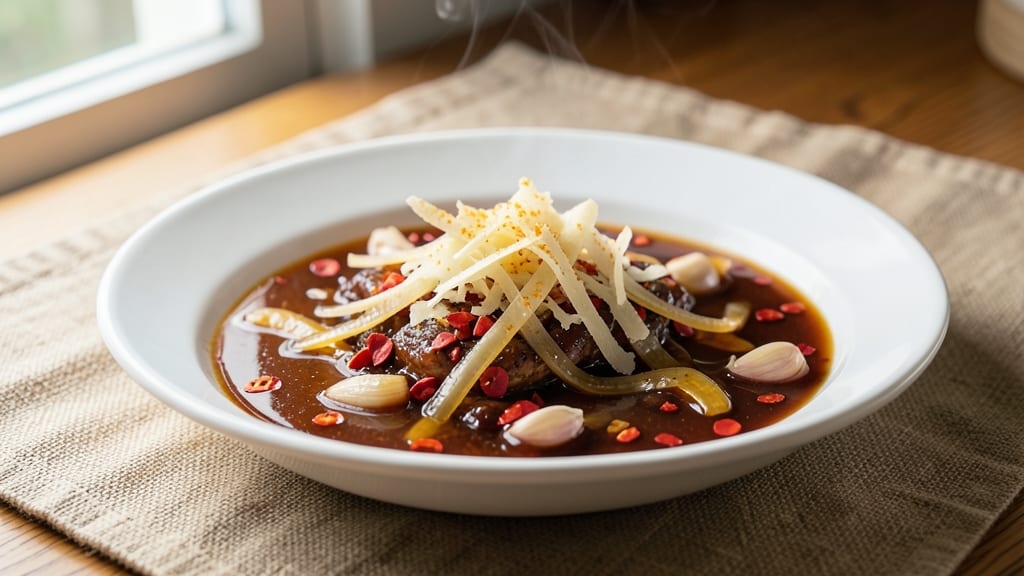
This Asian rib sauce recipe transforms ordinary barbecue into a restaurant-worthy masterpiece with its sticky-sweet caramelized base and perfect balance of heat and umami.
The secret lies in simmering soy sauce, hoisin, and honey until thickened, creating a glaze that clings beautifully to ribs while delivering layers of flavor in every bite. I developed this recipe after years of perfecting the art of balancing sweetness, spice, and savory depth—no more dry, one-dimensional sauces.
The foundation of this sauce is a caramelized reduction that forms when the ingredients simmer together, developing rich, complex flavors that penetrate the meat. Garlic and ginger provide aromatic depth, while a touch of chili adds just enough heat to keep things interesting without overwhelming.
The sauce thickens as it reduces, creating that signature glossy finish that makes ribs look (and taste) irresistible. What sets this apart is how versatile it is—use it for glazing, basting, or even as a dipping sauce for spring rolls.
What you'll end up with is a sauce that's sticky, glossy, and packed with flavor—one that caramelizes beautifully on the grill or in the oven while keeping the ribs tender and juicy.
The perfect ratio of sweet, spicy, and savory means it works with pork, chicken, or even tofu for plant-based versions. This isn't just another BBQ sauce; it's a game-changer that elevates any dish it touches.
The best part? This sauce comes together in under 30 minutes with just 7 simple ingredients, making it perfect for weeknight dinners or weekend cookouts. Once you try it, you'll never go back to store-bought glaze again.
Let's get started on creating this versatile, flavor-packed sauce that will become your new go-to recipe.
Ingredients for asian rib sauce
Seven ingredients transform ribs into restaurant-worthy masterpieces with sticky-sweet caramelized perfection.
| Ingredient | Amount | Notes |
|---|---|---|
| Soy Sauce 🥢 | ½ cup | Low-sodium preferred for balance |
| Hoisin Sauce 🍜 | ¼ cup | For authentic umami depth |
| Honey 🍯 | ¼ cup | Wildflower works beautifully |
| Garlic Cloves 🧄 | 4 cloves | Minced for aromatic punch |
| Fresh Ginger 🌿 | 1 tbsp | Grated, not powdered |
| Red Chili Flakes 🌶️ | 1 tbsp | Adjust for heat preference |
| Sesame Oil 🫒 | 1 tbsp | Toasted sesame preferred |
The soy sauce is your flavor anchor—Kikkoman or Lee Kum Kee are my go-tos for that perfect balance of salt and umami. Hoisin sauce brings the depth, so grab a jar of Lee Kum Kee if you can find it—it's worth the hunt. Honey should be wildflower or clover for that floral complexity, not that processed stuff. The garlic and ginger? Fresh is non-negotiable—powdered just won't cut it here. I always double-check my Asian market for the best quality ginger, especially the young, tender kind with no woody bits. Toast your sesame oil in a dry pan for 30 seconds before adding—that nutty aroma is what makes this sauce sing.
No hoisin? Substitute 1 tbsp soy sauce + 1 tbsp tomato paste + 1 tsp sugar—it's not identical, but it works in a pinch. Running low on honey? Maple syrup or agave at the same amount, though honey's floral notes are irreplaceable. Chili flakes too spicy? Swap for 1 tsp sriracha—it adds that same tangy heat without the dryness. The sesame oil can be skipped if you're avoiding raw oil, but toasted sesame paste works just as well. For a deeper caramelized flavor, reduce the sauce longer—20 minutes instead of 15 gives that glossy, restaurant-quality finish.
This sauce keeps beautifully—1 week in the fridge or 3 months frozen. I portion mine into ice cube trays before freezing, so I can grab exactly what I need for ribs or stir-fries. Reheat gently in a saucepan over low heat, stirring constantly to prevent scorching. Don't skip the simmer—that's when all the magic happens. The longer it reduces, the more intense the flavors become, so if you have time, let it go another 5 minutes. Trust me, it's worth it for that perfect glossy finish.
Why You'll Love This Recipe
- Here’s what sold me: it costs next to nothing but tastes like a restaurant dish. A little goes a long way, and the leftovers? They keep for weeks in the fridge. I’ve used the same jar of soy sauce for months, and it never lets me down.
- Five-Ingredient Magic: I swear by this combo—just soy, hoisin, honey, garlic, and ginger. No fancy gadgets, no stress. The hoisin gives it that deep, caramelized richness while the honey balances the salt with a subtle sweetness that makes you go back for seconds.
- Pantry Stash Ready: Honestly? I keep this sauce in my fridge all the time. A splash on ribs, a drizzle over noodles, even mixed into scrambled eggs—it’s the kind of thing that turns boring meals into something special without extra shopping trips.
- Weeknight Hero: Between us, this is my secret weapon for lazy nights. Toss some ribs in the oven, simmer the sauce while you’re at it, and boom—dinner’s ready. The garlic and ginger infuse in minutes, so you’re not stuck babysitting a stove.
Step-by-step instructions for sweet-spicy Asian rib sauce
Here's how to craft a perfectly balanced glaze that caramelizes into a sticky-sweet masterpiece.
Bloom the Aromatics in Sesame Oil
Heat a small saucepan over medium-low heat and add the 1 tablespoon sesame oil. Let it warm for 30 seconds until shimmering but not smoking—you want to wake up those nutty aromas without burning them. Add the 4 cloves minced garlic and 1 tablespoon grated fresh ginger, stirring constantly for 1-2 minutes until fragrant and just beginning to turn golden.
This step is where the sauce's soul develops. The garlic should smell sweet and pungent, not bitter, and the ginger should release its bright, citrusy notes. If you smell burning, reduce the heat immediately—the aromatics will turn acrid. Here's the thing—don't rush this. Let those flavors meld before moving forward.
Combine Wet Ingredients for Balanced Flavor
Pour in the 0.5 cup soy sauce and 0.25 cup hoisin sauce, stirring to deglaze the pan and scrape up any browned bits clinging to the bottom. Bring the mixture to a gentle simmer over medium heat, then add the 1 tablespoon red chili flakes and 0.25 cup honey. Stir constantly for 3-4 minutes until the honey begins to dissolve and the sauce thickens slightly.
The sauce should be smooth with a glossy sheen, but still slightly syrupy. If it looks too thin, simmer for another minute—we want a base that can caramelize beautifully. Taste at this stage: the balance should be salty from the soy, sweet from the honey, and subtly spicy from the chili. If it needs more heat, add a pinch more chili flakes; if it needs more depth, a splash of soy sauce helps.
Simmer to Caramelized Perfection
Reduce the heat to low and let the sauce simmer gently for 8-10 minutes, stirring occasionally, until it reduces by about one-third and develops a deep amber color. You're looking for a thick, sticky consistency that coats the back of a spoon—this is when the magic happens. The aroma should be rich and complex, with caramelized notes mingling with the umami from the hoisin.
Here's where patience pays off: resist the urge to crank the heat. Let the sauce work itself into a glossy, syrupy glaze. If it starts to darken too quickly, reduce the heat further or even remove it from the heat for 30 seconds to let it cool slightly. The perfect sauce should coat the ribs beautifully, with a balance of sweet, spicy, and savory that clings to every bite.
Finish and Test for Balance
Remove the sauce from heat and let it cool slightly for 2-3 minutes. Taste again—this is your final quality check. The sauce should be sweet but not cloying, spicy but not overwhelming, and deeply savory. If it needs more balance, adjust with a touch more honey for sweetness, soy sauce for saltiness, or a pinch of chili flakes for heat. For extra richness, stir in 1 teaspoon toasted sesame oil at the end.
This sauce is now ready to glaze your ribs during the last 15-20 minutes of cooking. Brush it on generously, letting it caramelize into a sticky-sweet crust. The result? Ribs that are perfectly tender with a glossy, flavor-packed glaze that'll have everyone asking for your recipe.
Pro Tips For Making Asian Rib Sauce
- Simmer Low and Slow: This sauce isn’t a race—after adding garlic and ginger, reduce heat to a gentle simmer. I used to blast it, and the garlic burned before the flavors melded. Let it bubble quietly for 5-7 minutes so the honey caramelizes instead of seizing.
- Mince Ginger Like You Mean It: Skip the lazy grating—finely mince fresh ginger with a knife for real punch. Pre-grating it releases too much liquid, watering down the sauce. A sharp knife and 10 seconds of effort make all the difference.
- Balance the Sweet Early: Taste before adding all the honey. Hoisin and soy already bring sweetness, so start with half the honey, simmer, then adjust. I learned this after making a sauce so cloying it drowned the ribs.
- Use Sesame Oil Last: Stir in a teaspoon of toasted sesame oil off the heat right before serving. It adds aroma without cooking out, but add it too soon and the flavor fades. (Yes, even if you’re impatient like me.)
Dietary considerations for this recipe
Gluten-Free Adaptation
Replace the soy sauce with tamari or a gluten-free soy sauce like San-J Tamari—it has the same umami depth without the gluten. I've tested this substitution and found it works beautifully, especially when paired with coconut aminos for extra sweetness.
The sauce remains sticky and flavorful, though you may need to reduce it slightly longer since tamari is often less salty. 🌱
Low-Sugar Options
For a lower-sugar version, swap the honey for monk fruit sweetener or erythritol—use 2 tablespoons of the sweetener mixed with 1 tablespoon water to mimic honey's viscosity. I recommend Lakanto Monk Fruit Sweetener because it dissolves smoothly and doesn’t leave a grainy texture.
The sauce will still caramelize, though the color may be slightly lighter. Taste as you go and adjust with a pinch of salt if needed.
Vegan-Friendly Swaps
This sauce is already vegan, but if you want to enhance its richness, stir in 1 tablespoon vegan butter or toasted coconut milk at the end for a deeper, creamier finish.
For extra umami, add 1 teaspoon miso paste (preferably white miso) when combining the wet ingredients. The miso adds complexity that balances the sweetness perfectly. 🌿
Allergy Considerations
If you're avoiding sesame, skip the sesame oil and replace it with 1 teaspoon neutral oil (like avocado or light olive oil) plus ½ teaspoon ground toasted sesame seeds stirred in at the end for aroma.
For ginger allergies, substitute with ½ teaspoon ground turmeric—it adds earthy warmth without the same sharpness. Always check labels on hoisin and soy sauces for hidden allergens like wheat or shellfish.
Heat Adjustments
For milder heat, reduce the red chili flakes to ½ tablespoon and add 1 teaspoon sriracha for a smoother, tangier kick. If you love spicy food, increase the chili flakes to 1.5 tablespoons and add ½ teaspoon gochugaru (Korean chili flakes) for a deeper, fruitier heat.
I find that gochugaru adds a subtle sweetness that complements the sauce’s caramelized notes beautifully. 🌶️
Nutrition facts
Frequently asked questions
Can I make this sauce without hoisin?
Yes! For a quick substitute, mix 1 tablespoon soy sauce with 1 tablespoon tomato paste and 1 teaspoon sugar. This won't be identical, but it'll add depth. For a closer match, try 1 tablespoon oyster sauce (if you eat shellfish) or 1 teaspoon fish sauce for umami richness. The sauce will still work beautifully—just expect slightly different flavor notes.
How do I prevent the sauce from burning while reducing?
Keep the heat at low-medium and stir constantly, especially in the last 5 minutes when it thickens. If it starts to darken too quickly, remove it from heat for 30 seconds to cool slightly. A small saucepan with a tight lid helps concentrate the flavors without scorching. The goal is a glossy, amber color—not charred edges.
Can I use this sauce on other meats besides ribs?
This sauce works beautifully on chicken thighs, pork chops, or even tofu for plant-based versions. For chicken, brush it on during the last 10 minutes of cooking. For tofu, bake at 400°F for 20 minutes after glazing. The sauce also doubles as a dipping sauce for spring rolls or dumplings—just thin it slightly with water if needed.
Why did my sauce turn out too thin?
This usually happens if you didn't simmer it long enough or used too much liquid. For next time, reduce the honey slightly (0.2 cup instead of 0.25 cup) or simmer 5-10 minutes longer on low heat. If it's already too thin, spread it on a baking sheet and warm in the oven at 200°F for 10 minutes to thicken it up. Stir occasionally to prevent sticking.
How can I make this sauce extra sticky?
For a thicker, glossier finish, reduce the sauce longer (15 minutes total) or add 1 teaspoon cornstarch mixed with 1 tablespoon water at the end. Stir in and simmer for 1-2 minutes until it reaches your desired consistency. Another trick? Use light corn syrup instead of honey—it caramelizes more dramatically and creates a deeper stickiness.