
Sauces & Condiments
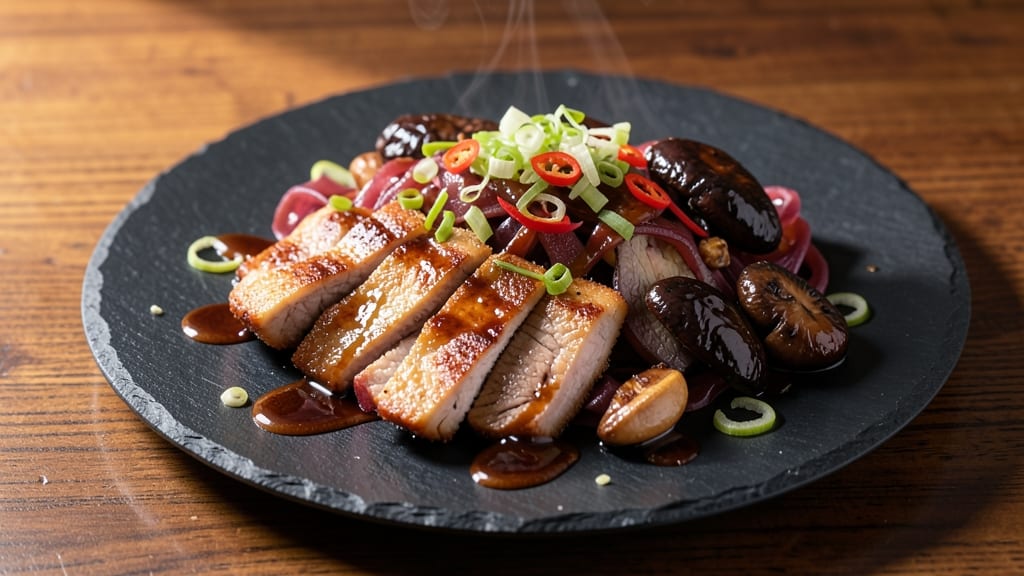
This Asian pork sauce recipe transforms simple stir-fries into restaurant-worthy masterpieces with its perfect balance of sweet, savory, and umami. The secret lies in simmering soy sauce, vinegar, and sugar until thick and glossy, creating a sauce that clings beautifully to proteins and vegetables.
I developed this version after years of testing—it’s the one that finally delivers that signature glossy finish without being overly sweet or cloying.
The foundation of this sauce is a simple yet powerful combination of ingredients: soy sauce for depth, rice vinegar for tang, and brown sugar for caramelized sweetness. Aromatics like garlic, ginger, and chili add layers of complexity, while a splash of sesame oil ties everything together.
The sauce reduces slowly on the stove, intensifying flavors and creating that coveted sticky consistency that makes every bite irresistible.
What sets this recipe apart is its versatility—it elevates everything from stir-fries and noodle bowls to grilled meats and even as a dipping sauce. The balance of flavors ensures it won’t overpower delicate ingredients, while still delivering bold, restaurant-quality taste.
Once you try this, store-bought sauces will never measure up again.
Ready in just 20 minutes, this sauce keeps well in the fridge for up to a week, making it perfect for meal prep. The instructions are straightforward, but the results are anything but basic—this is the kind of sauce that turns ordinary meals into something special. Let’s get started!
Ingredients for asian pork sauce
Nine essential ingredients create this restaurant-quality sauce perfect for stir-fries and bowls.
| Ingredient | Amount | Notes |
|---|---|---|
| Light Soy Sauce 🥄 | ½ cup | Use high-quality Japanese brand |
| Dark Soy Sauce 🥄 | ¼ cup | For deeper umami flavor |
| Rice Vinegar 🍶 | ¼ cup | White or seasoned variety |
| Light Brown Sugar 🍚 | ½ cup | Packed, for caramelization |
| Garlic Cloves 🧄 | 6 cloves | Minced for aromatic base |
| Fresh Ginger 🌿 | 2 tbsp | Finely grated, peel removed |
| Red Chili Flakes 🌶️ | 1 tbsp | Adjust for heat preference |
| Sesame Oil 🫒 | 1 tbsp | Toasted for nutty aroma |
| Hoisin Sauce 🍶 | 2 tbsp | For authentic depth |
| Ground Black Pepper 🌶️ | ½ tsp | Freshly cracked for brightness |
The soy sauces form the sauce's backbone—Japanese brands like Kikkoman or Haceta deliver superior depth compared to generic supermarket options. Brown sugar should be packed for accurate measurement, and light and dark varieties work together to balance sweetness and complexity. Fresh ginger and garlic are non-negotiable; frozen or powdered substitutes lack the aromatic punch. For chili flakes, Penzeys or local spice markets offer the freshest, most vibrant options that won't dull over time. The hoisin sauce adds that signature umami richness found in authentic Asian cuisine—Lee Kum Kee is the gold standard, though any reputable brand works.
No rice vinegar? Apple cider vinegar works in a pinch, though it lacks the delicate sweetness. Substituting brown sugar with honey or maple syrup alters the caramelization process—stick with brown sugar for that glossy finish. Fresh ginger can be swapped for ground ginger at half the amount, but you'll lose texture and freshness. Sesame oil can be omitted if avoiding nutty flavors, though it's essential for that signature aroma. For extra heat, add 1 tsp of gochujang to the finished sauce. The sauce thickens as it cools, so if it seems too thin while warm, let it sit for 10 minutes before adjusting.
This sauce thickens beautifully when stored—transfer to an airtight container and refrigerate for up to 7 days. The flavors deepen overnight, making it even more complex the next day. For long-term storage, freeze in 1-tbsp portions for easy use in future recipes. The sauce reheats well—simply warm in a saucepan over medium heat, stirring occasionally, until heated through. If it thickens too much upon reheating, thin with a splash of water or rice vinegar. Leftovers make excellent dipping sauces for spring rolls or dumplings.
Why You'll Love This Recipe
- Pantry Magic: I swear by this sauce because it uses stuff I already have—no special trips to the store. Light and dark soy sauce team up with brown sugar for that perfect balance of salty, sweet, and umami, while garlic cloves add depth with zero fuss.
- Sweet-Savory Bomb: That first bite? The brown sugar caramelizes just enough to make your taste buds dance, while the vinegar cuts through the richness. It’s the kind of flavor that makes you want to drizzle it on everything—even plain rice feels like a celebration.
- Leftovers That Shine: Make a big batch and store it for weeks. I toss it on stir-fries, noodles, or even grilled chicken later—it never gets boring. Honestly, I’ve had this sauce last me through three different meals without a single complaint.
- Weeknight Hero: Five ingredients, one pot, 15 minutes. Between us, this is my secret weapon when I’m too tired to cook but still want flavor. The garlic sizzles in seconds, and by the time the sugar dissolves, dinner’s basically done.
Step-by-step instructions for sweet-savory Asian pork sauce
This sauce delivers perfect balance—sweet, tangy, and umami-rich—ideal for stir-fries, bowls, or marinades.
Prepare the Aromatic Base
In a medium saucepan, combine the 0.5 cup light soy sauce, 0.25 cup dark soy sauce, and 0.25 cup rice vinegar. Bring to a gentle simmer over medium heat while stirring occasionally. This combination creates the foundational tang and depth of flavor that defines the sauce.
Once simmering, add the 6 cloves minced garlic and 2 tablespoons finely grated fresh ginger. Cook for 3-4 minutes until the garlic becomes fragrant and just begins to color at the edges. This step develops the aromatic base—don't let it brown, or it will turn bitter. The heat should remain at a steady simmer, not a rolling boil.
Build Sweetness and Caramelize
Reduce heat to low and gradually whisk in the 0.5 cup packed light brown sugar. Stir constantly for 5-7 minutes until the sugar fully dissolves and the mixture begins to thicken slightly. You'll notice the sauce transition from clear to a glossy amber color as the sugar caramelizes.
This caramelization step is critical—it transforms the sauce from merely sweet to richly complex. Watch for small bubbles forming around the edges of the pan, which indicates proper caramelization. If the sauce starts to stick, add 1 tablespoon water to loosen it while continuing to stir.
Incorporate Depth and Heat
Add the 1 tablespoon red chili flakes and 0.5 teaspoon ground black pepper, stirring to distribute evenly. The chili flakes will infuse subtle heat while the pepper adds brightness. Cook for an additional 2 minutes to let these flavors meld with the caramelized base.
Next, remove the pan from heat and stir in the 2 tablespoons hoisin sauce and 1 tablespoon sesame oil. The hoisin sauce contributes its signature fermented depth, while the sesame oil adds a nutty aroma. The sauce should now have a glossy, syrupy consistency with visible red flecks from the chili flakes.
Simmer to Perfect Consistency
Return the pan to low heat and let the sauce simmer uncovered for 8-10 minutes, stirring occasionally. This final reduction step intensifies the flavors and achieves the ideal consistency—a thick, glossy sauce that coats the back of a spoon without being overly syrupy.
You'll know it's ready when the sauce reduces to about 1 cup total volume and develops a rich, aromatic scent. Taste and adjust seasoning if needed—add a pinch more ground black pepper for brightness or a splash of rice vinegar for increased tang. For best results, use immediately or store in an airtight container in the refrigerator for up to 2 weeks.
Pro Tips For Making Asian Pork Sauce
- Bloom the Garlic First: After mincing those garlic cloves, toss them in a splash of light soy sauce and let them sit for 5 minutes—this softens them and prevents them from burning into bitter sludge when you cook them. (Yes, even if you’re impatient like me, give it those 5 minutes.)
- Balance the Soy Sauces: Dark soy sauce adds color, but too much makes the sauce taste like it’s been sitting in a cupboard for a decade. Start with a 1:3 ratio of dark to light soy (1 tbsp dark to 3 tbsp light), then adjust. Taste as you go—this isn’t a science project, but it’s not guesswork either.
- Simmer, Don’t Boil: Once the sugar dissolves, drop the heat to a gentle simmer. Boiling turns the sauce into syrup and burns the garlic flavor faster than you can say “overcooked.” Keep it at a low bubble, and stir occasionally so the sugar caramelizes instead of seizing.
- Save the Vinegar for Last: Add the rice vinegar only at the very end—right when you’re ready to serve. It cuts through the richness of the soy and sugar, but if you add it too early, the acid will make the sauce taste flat and dull. (I learned this the hard way after making a batch that tasted like sad, watered-down soy milk.)
Pro cooking tips for perfect results
Heat Control Secrets
Maintaining medium-low to low heat throughout simmering is key—too high, and your sauce burns; too low, and it never thickens properly. I use a stainless steel saucepan (like All-Clad) because it distributes heat evenly and prevents scorching.
Once the sugar dissolves, reduce to the lowest setting that keeps tiny bubbles dancing at the edges—this gentle simmer builds depth without overcooking aromatics. 🔥
Stirring Technique
Constant stirring prevents sticking and ensures even caramelization. Use a heatproof silicone spatula (I love OXO Good Grips) to scrape the bottom every 30 seconds during the sugar stage—this breaks down sugar crystals faster for that glossy finish.
When adding hoisin and sesame oil, switch to a whisk for 30 seconds to emulsify the oils smoothly. Never let it boil, or the delicate aromatics will evaporate.
Caramelization Timing
The 5-7 minute sugar stage is where magic happens—watch for the sauce to turn from clear to amber-colored with tiny bubbles forming. If it darkens too quickly, add 1 tbsp water to loosen it while continuing to stir.
I've ruined sauces by walking away during this step, so set a timer! The goal is gentle bubbling, not a rolling boil that kills the sauce's complexity. 💫
Flavor Layering
Add ingredients in this order: soy-vinegar base → aromatics → sugar → heat → depth. Each layer builds complexity—garlic and ginger mellow in the soy, sugar caramelizes into umami, and chili/pepper add brightness.
The hoisin and sesame oil come last to preserve their delicate aromas. Pro tip: Taste after each stage to adjust—this sauce is forgiving if you catch mistakes early.
Thickness Adjustments
If your sauce is too thin after simmering, return it to low heat and simmer uncovered for 2-3 extra minutes—the alcohol in vinegar will evaporate, thickening it naturally. For thicker consistency, reduce by 50% (simmer until volume halves).
If it's too thick, thin with 1 tsp water or rice vinegar at a time. The ideal texture should coat the back of a spoon but still flow freely. ✨
Storage Hacks
Let the sauce cool completely before transferring to an airtight container—this prevents condensation that dilutes flavors. It thickens further in the fridge, so stir before using. For long-term storage, freeze in 1-tbsp portions in silicone molds.
To reheat, warm in a saucepan over low heat with 1 tbsp water to prevent burning. The flavors actually improve after 24 hours—this sauce tastes better the next day! 💡
Nutrition facts
Frequently asked questions
Can I make this sauce without brown sugar?
Yes, but the texture and depth will change. Replace the 0.5 cup brown sugar with 0.3 cup honey or 0.25 cup maple syrup for sweetness, though you won't get the same caramelized gloss. For a closer match, use 0.25 cup granulated sugar—just stir more frequently to prevent graininess. The sauce will be slightly thinner but still flavorful.
How can I adjust the heat level? For milder heat, reduce the red chili flakes to 0.5 teaspoon or omit them entirely and add 0.5 teaspoon ground white pepper instead. For extra spice, increase to 2 tablespoons chili flakes or add 1 teaspoon gochujang at the end.
What's the best way to use leftover sauce?
This versatile sauce works perfectly as a marinade for grilled pork chops or tofu (marinate for 30 minutes). Thin with 1 tablespoon water and use as a dipping sauce for spring rolls or egg rolls. It also elevates rice bowls, ramen, or even as a glaze for roasted vegetables. Store leftovers in an airtight container for up to 2 weeks—flavors deepen over time!
Why did my sauce turn too thick?
This happens when the sauce reduces too much during simmering. Thin it by adding 1 teaspoon rice vinegar or water at a time while stirring over low heat. If it's still too thick, warm it gently and stir until smooth. For future batches, reduce simmering time by 2-3 minutes or keep the pan uncovered to prevent over-reduction. The ideal consistency should coat a spoon but still flow freely.
Can I substitute hoisin sauce?
Yes, but the flavor profile will shift. For umami depth, use 2 tablespoons soy sauce + 1 teaspoon fish sauce instead. For a sweeter alternative, try 1 tablespoon plum sauce (like apricot jam). If you're avoiding gluten, use 1 tablespoon coconut aminos + 1 teaspoon tamari. Just note that hoisin provides that signature fermented richness that's hard to replicate.