
Sauces & Condiments
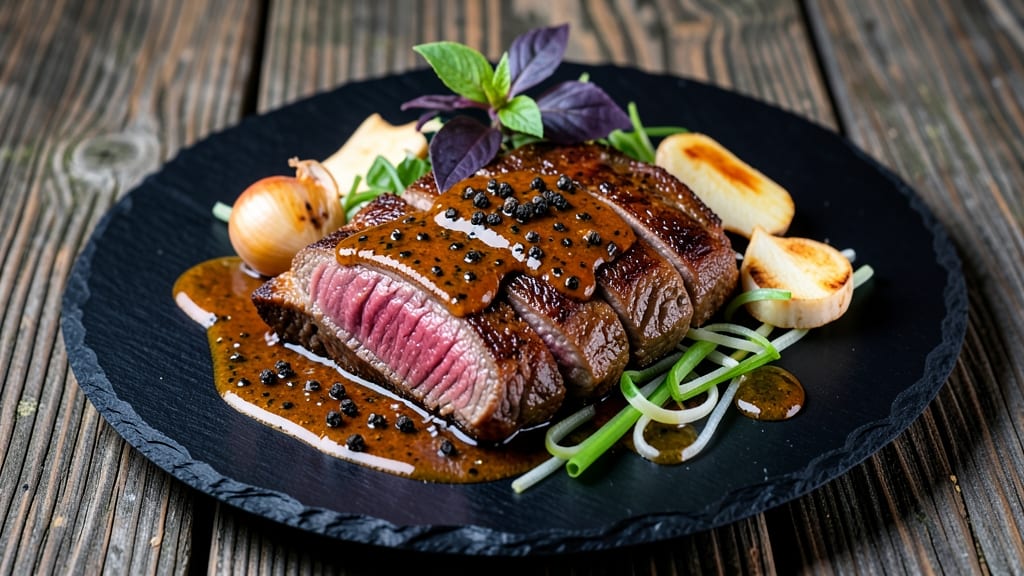
This Asian pepper steak sauce recipe transforms ordinary stir-fries into restaurant-worthy masterpieces with its perfect balance of sweet, tangy, and umami-rich flavors. 🔥 The secret lies in a slow reduction that deepens the sauce's complexity while preserving that signature glossy finish—no cloying sweetness or overwhelming heat. I developed this formula after years of refining takeout-inspired flavors, and it's now my go-to for adding depth to proteins without overpowering them.
The sauce builds flavor through a three-stage cooking process: first, aromatic garlic and ginger bloom in oil to create the foundation, then soy sauce and vinegar establish the tangy-savory base, and finally, a touch of sweetener (like honey or brown sugar) mellows the acidity while the sauce reduces to a velvety consistency.
The black pepper adds a subtle heat that lingers without dominating, making this sauce versatile for everything from steak glazes to noodle tosses.
What you'll end up with is a glossy, aromatic sauce that clings beautifully to proteins, enhancing their natural flavors rather than masking them. The perfect balance of sweet, salty, and slightly spicy notes makes it ideal for stir-fries, marinades, or even drizzling over rice bowls.
Unlike many store-bought versions, this recipe delivers authentic depth without artificial ingredients—just pure, concentrated flavor in every spoonful.
Once you try this sauce, you'll never go back to bottled versions. The best part? It keeps well in the fridge for up to two weeks, so you can make a big batch and use it throughout the week.
Let's create this flavor-packed sauce that will elevate every dish it touches.
Ingredients for asian pepper steak sauce
Ten ingredients. Three stages. Restaurant-quality sauce in one pot.
| Ingredient | Amount | Notes |
|---|---|---|
| Black Peppercorns 🌶️ | 1 ½ tbsp | Freshly cracked for maximum aroma |
| Garlic Cloves 🧄 | 6 cloves | Minced finely for smooth texture |
| Fresh Ginger 🌿 | 1 tbsp | Finely grated, peel removed |
| Soy Sauce 🍶 | ½ cup | Light or all-purpose preferred |
| Rice Vinegar 🍶 | ¼ cup | White or seasoned variety |
| Honey 🍯 | 2 tbsp | Wildflower or clover preferred |
| Sesame Oil 🫒 | 1 tbsp | Toasted sesame oil for aroma |
| Vegetable Oil 🫒 | 2 tbsp | Neutral high-smoke point oil |
| Brown Sugar 🍚 | 1 tbsp | Light or dark variety |
| Cornstarch 🌾 | 1 tsp | For thickening and gloss |
The black peppercorns are non-negotiable—freshly cracked makes all the difference. Penzeys or bulk bins at specialty stores have the best quality, but even your grocery store's whole peppercorns work if you pulse them in a spice grinder. Garlic and ginger should be vibrant and firm—no shriveled cloves here. For the soy sauce, Kikkoman or Lee Kum Kee are my go-tos, but any light soy will do. The sesame oil? Toasted, not flavored—that nutty aroma is what gives this sauce its signature depth. Pro tip: Buy sesame oil in dark bottles to preserve its freshness.
No sesame oil? Toasted peanut oil works in a pinch (same flavor profile, different aroma). Running low on cornstarch? Arrowroot powder at the same amount gives identical gloss. The honey can be swapped for maple syrup or brown sugar if you prefer, but honey's floral notes complement the umami perfectly. For a deeper pepper flavor, add ½ tsp of red pepper flakes when you finish the sauce. And if you're feeling fancy, a splash of mirin (2 tsp) adds that authentic Japanese touch without altering the balance too much.
This sauce gets better with time—24 hours in the fridge lets the flavors meld perfectly. Store it in a glass jar with a tight seal to preserve that glossy finish. It keeps for 2 weeks refrigerated or 6 months frozen. I always make a double batch because once you taste homemade, store-bought sauce just won't cut it. Freeze in ice cube trays for perfect single-use portions—just pop one into your stir-fry for instant flavor boost.
Why You'll Love This Recipe
- Pantry Magic: I’ll admit, this sauce is my secret weapon when I’ve got nothing but a few basics. Those black peppercorns? Toast them first—boom, instant depth. Then just toss in garlic, ginger, and a splash of soy and vinegar. No fancy tools, no stress.
- Umami Bomb: The balance here is chef’s kiss—salty, tangy, with that slow-building heat from the peppercorns. The ginger cuts through the richness, and the vinegar keeps it bright. It’s the kind of sauce that makes you go, “Wait, why didn’t I think of this sooner?”
- Steak’s BFF: Drizzle it over seared flank steak for dinner, toss it with noodles for lunch, or even slather it on grilled chicken. Honestly, I’ve used it on everything from stir-fries to deviled eggs (yes, really). It’s the one sauce that always works.
- Budget Win: A jar of peppercorns and a head of garlic cost pennies, and this sauce stretches like crazy. Make a big batch—it keeps for weeks in the fridge. My college self would’ve cried happy tears over this.
Step-by-step instructions for Asian pepper steak sauce
Here's how to craft this bold, aromatic sauce that transforms simple stir-fry into restaurant-worthy magic.
🔥 Step 1: Toast the Black Peppercorns for Maximum Aroma
Heat a dry skillet over medium heat and add the 1.5 tablespoons of freshly cracked black peppercorns. Toast them for 1-2 minutes until they begin to darken slightly and release their intense aroma. You'll know they're ready when you smell that deep, piney fragrance filling your kitchen.
This step is crucial—it develops the pepper's natural oils and aroma compounds that will infuse your sauce with complex, earthy depth. Immediately transfer the toasted peppercorns to a spice grinder or mortar and pestle and grind them into a fine powder. Set aside for now—we'll use this aromatic foundation later.
🍳 Step 2: Build the Flavor Base with Garlic and Ginger
In the same skillet (no need to clean it—the peppercorns left behind add flavor), add 2 tablespoons of vegetable oil and heat over medium heat. Add the 6 minced garlic cloves and 1 tablespoon of finely grated fresh ginger and sauté for 2-3 minutes until the garlic becomes golden and fragrant.
Here's where it gets good—watch for that perfect moment when the garlic turns golden but hasn't burned. If it darkens too quickly, reduce the heat slightly. The ginger should soften and become translucent. Remove from heat and set aside—these aromatics form the flavor foundation of your sauce.
🥘 Step 3: Combine Wet Ingredients for the Sauce Base
In a medium saucepan, combine the 0.5 cup soy sauce, 0.25 cup rice vinegar, 2 tablespoons honey, 1 tablespoon brown sugar, and the toasted pepper powder. Stir well to fully dissolve the sugar and create a smooth mixture. Return the pan to medium heat and bring to a gentle simmer.
Let the mixture bubble for 3-4 minutes until slightly reduced and the sugars begin to caramelize. You'll notice the sauce becoming glossier and developing a beautiful amber color. This is when the flavors start melding together—don't walk away, as you want to maintain control over the simmering process.
🍳 Step 4: Thicken and Finish with Cornstarch Slurry
In a small bowl, whisk together the 1 teaspoon cornstarch with 2 tablespoons cold water to create a smooth slurry. Slowly pour this into the simmering sauce while stirring constantly. The sauce will thicken dramatically within 1-2 minutes—keep stirring until it reaches your desired consistency, which should be glossy and coat the back of a spoon.
Remove from heat and stir in the 1 tablespoon sesame oil. This final addition brings rich nutty aroma and helps create that signature glossy finish. Taste and adjust seasoning if needed—you might want to add a bit more soy sauce for saltiness or honey for sweetness. The sauce should balance sweet, tangy, umami, and spicy pepper notes perfectly.
⏰ Step 5: Rest and Use for Maximum Flavor
Let the sauce cool slightly for 5-10 minutes before using. This resting period allows the flavors to fully meld and the sauce to thicken further. The sauce will keep well in the refrigerator for up to 2 weeks, making it perfect for meal prep.
Use this versatile sauce to glaze steak, drizzle over stir-fries, or toss with noodles. The peppery depth and sweet-tangy balance make it a showstopper that elevates any dish. For extra richness, let the sauce sit at room temperature for 10 minutes before using—this helps the flavors develop even more.
Pro Tips For Making Asian Pepper Steak Sauce
- CRUSH PEPPERCORNS FIRST: Don’t just toss whole peppercorns into the pan—lightly crush them with the flat side of a knife or mortar and pestle before cooking. This releases more oil and aroma, giving your sauce that deep, peppery punch from the start. (Yes, even if they’re not completely powdered—just break enough to see tiny cracks.)
- TOAST GINGER AND GARLIC: Before adding them to the sauce, dry-toast the sliced ginger and minced garlic in the hot pan for 30 seconds until fragrant. This kills their raw bite and builds a richer, nuttier base for the whole sauce. (I used to skip this—now I notice the difference immediately.)
- DILUTE SOY GRADUALLY: Add soy sauce in stages, tasting as you go, rather than dumping it all at once. The first splash should reduce into a glossy glaze before you add more—this prevents a flat, watery sauce. (Pro move: A splash of rice vinegar at the end brightens the whole thing.)
- USE COLD VINEGAR LAST: Stir in the rice vinegar off the heat at the very end, right before serving. Adding it too early lets the acidity mellow out, but a quick splash at the finish keeps the tang sharp and the sauce vibrant. (Trust me, your taste buds will notice.)
Best sauces and condiments for this dish
Sweet-Tangy Glaze
This sauce doubles as an incredible glaze for steak or chicken. Brush it on thickly over ribeye or flank steak during the last 2-3 minutes of cooking on a screaming-hot grill or cast-iron skillet.
The high heat caramelizes the sugars while the pepper adds a subtle kick that contrasts beautifully with the meat's richness. I like to finish with a sprinkle of toasted sesame seeds right before serving for extra texture. 🔥
Stir-Fry Sauce
Use it as your stir-fry sauce base by thinning it slightly with 1-2 tablespoons of water or beef broth if needed.
Toss 1 lb of protein (like shrimp or chicken) with 2 tbsp of sauce and 1 tbsp of neutral oil, then stir-fry over high heat for 3-4 minutes. Add your favorite veggies (bell peppers, broccoli, snap peas) and toss everything together until the sauce coats everything evenly.
The peppery depth cuts through the natural sweetness of vegetables beautifully.
Noodle Toss
For a quick noodle dish, toss 8 oz of cooked ramen or udon noodles with 3 tbsp of sauce and 1 tbsp of chopped scallions. Add ½ cup of sliced mushrooms or shiitake for extra umami.
The sauce's glossy finish clings perfectly to the noodles, creating a restaurant-quality dish in minutes. Garnish with extra sesame oil and a sprinkle of crushed red pepper for heat lovers. ✨
Marinade Magic
Use this sauce as a marinade for steak, pork, or tofu by adding 1 tbsp of cornstarch to thicken it slightly. Marinate proteins for 30-60 minutes before cooking—this infuses deep flavor while keeping the meat tender.
The pepper and garlic create a beautiful crust when seared. I love using it on flank steak before slicing thinly against the grain for stir-fry. The marinade transforms tougher cuts into melt-in-your-mouth perfection.
Rice Bowl Elevator
Drizzle 2 tbsp of sauce over steamed rice or cauliflower rice to create an instant flavor boost. Top with grilled chicken, soft-boiled eggs, or quick-pickled veggies for a complete meal. The sauce's balance of sweet, tangy, and peppery notes makes it perfect for balancing rich proteins.
For extra depth, add a dash of chili crisp or sriracha on top. This is my go-to for quick weeknight meals that feel gourmet. 💫
Nutrition facts
Frequently asked questions
Can I make this sauce without cornstarch?
Yes, but the texture will be thinner. Replace the 1 teaspoon cornstarch with 1 teaspoon arrowroot powder for similar thickening power, or omit it entirely for a thinner, more liquid consistency. The sauce will still taste great—just adjust the amount of water or broth when using it for stir-fries or glazes. For a thicker sauce later, you can always simmer it longer to reduce naturally.
How do I adjust the heat level?
To reduce spice, omit the toasted peppercorns entirely or use ½ teaspoon instead of 1.5 tablespoons. For more heat, add ½ teaspoon crushed red pepper flakes or a dash of chili crisp at the end. The pepper in this sauce provides warmth without overwhelming heat, so adjustments are subtle but effective. Always taste as you go!
Can I use this sauce for non-meat dishes?
This sauce works beautifully on tofu, tempeh, or even grilled vegetables like eggplant or portobello mushrooms. The umami and sweet-tangy balance complements plant-based proteins perfectly. Try brushing it on baked tofu cubes or drizzling over roasted Brussels sprouts for a flavorful twist. The peppery notes also pair well with seafood like shrimp or scallops.
Why does my sauce look too thin?
If your sauce is too thin, simmer it uncovered for 5-10 minutes longer to reduce the liquid. For a quicker fix, mix ½ teaspoon cornstarch with 1 tablespoon water and stir it in while the sauce is warm. If you prefer a glossy finish, add ½ teaspoon sesame oil—it enhances shine without thickening. Always remember that sauces thicken as they cool, so don't rush the process.
How can I make this sauce spicier?
For extra heat, add ½ teaspoon of chili flakes or 1 teaspoon of gochujang (Korean chili paste) when you finish the sauce. Another option is to infuse the sauce with 1-2 slices of fresh chili (like Thai bird's eye) while simmering, then remove them before serving. For a smoky kick, stir in ½ teaspoon smoked paprika at the end. Balance is key—start with small amounts and adjust to taste.