
Sauces & Condiments
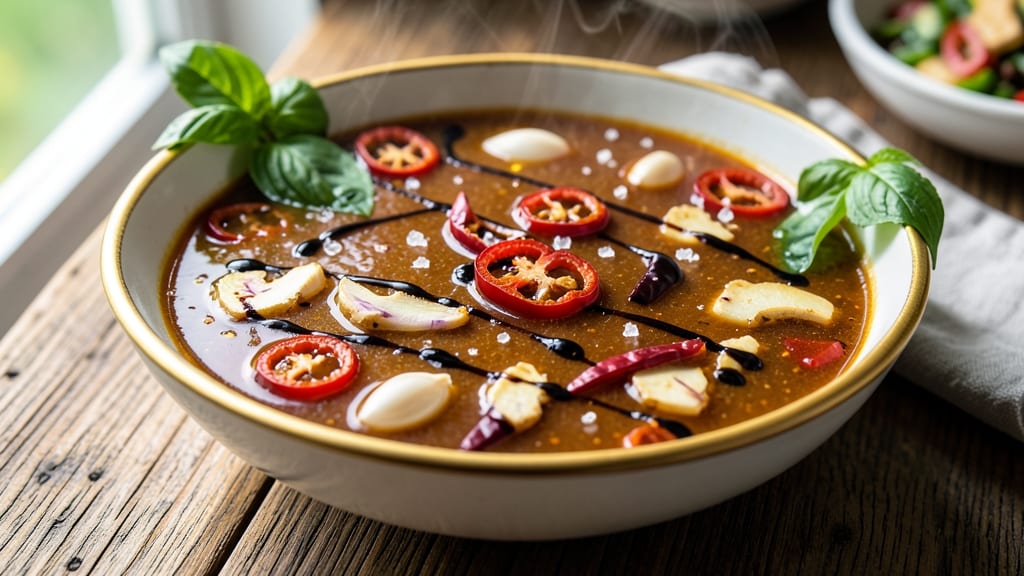
This Asian pepper sauce recipe delivers the perfect balance of fiery heat and sweet tang that elevates wings, fries, and stir-fries to restaurant-quality levels. The secret lies in simmering fresh chili peppers, garlic, and ginger with vinegar and sugar until the flavors meld into a glossy, versatile sauce.
I developed this recipe after years of testing homemade sauces—this version stays balanced without overpowering the dish it accompanies.
The process is straightforward: blend fresh red chili peppers with garlic, ginger, and a touch of soy sauce for depth, then simmer with vinegar and sugar until thickened. The result is a sauce that’s bold enough to stand alone but flexible enough to complement any dish.
Unlike store-bought versions, this one delivers fresh, vibrant heat without artificial additives.
What makes this sauce truly special is its versatility—drizzle it over crispy wings, toss it with fries, or use it as a marinade for grilled meats. The sweetness mellows the heat just enough to make it approachable, while the tangy vinegar keeps every bite lively.
With just 10 minutes of active prep, you’ll have a sauce that transforms ordinary meals into something extraordinary.
The best part? It keeps well in the fridge for up to 2 weeks, so you can make a big batch and enjoy it all season long.
Whether you’re hosting a game day or craving a quick weeknight upgrade, this sauce is your secret weapon. Let’s get started—your taste buds will thank you.
Ingredients for asian pepper sauce
Ten simple ingredients transform into a fiery-sweet sauce that takes wings and fries to the next level.
| Ingredient | Amount | Notes |
|---|---|---|
| Fresh Red Chili Peppers 🌶️ | 1 cup | Jalapeños or serranos for heat |
| Garlic Cloves 🧄 | 6 cloves | Freshly minced for aroma |
| Fresh Ginger 🌿 | 2 tbsp | Grated, not powdered |
| White Vinegar 💧 | ½ cup | Or apple cider vinegar |
| Granulated Sugar 🍯 | ¼ cup | Light brown sugar for depth |
| Soy Sauce 🍶 | 2 tbsp | Light or dark preferred |
| Olive Oil 🫒 | 2 tbsp | Extra-virgin for richness |
| Salt 🧂 | 1 tsp | Kosher or sea salt |
| Black Peppercorns 🌶️ | ½ tsp | Freshly cracked preferred |
| Sesame Oil 🫒 | 1 tbsp | Toasted sesame for aroma |
The chili peppers are the heart of this sauce—jalapeños or serranos give you that perfect balance of heat and freshness. Trader Joe's has great fresh peppers year-round, but if you're in a pinch, frozen will work too. For ginger, grab the fresh root—the good stuff from the produce section, not the jarred kind. The garlic should be freshly minced (no pre-minced garbage), and if you're feeling fancy, toast it in the olive oil first for deeper flavor. Soy sauce matters here—Kikkoman or Pearl River Bridge are my go-tos, but any good-quality light soy will do.
No fresh chili peppers? Red pepper flakes at half the amount will get you close, but the sauce won't be as vibrant. Short on sesame oil? Toasted sesame seeds at 1 tsp work in a pinch, though the flavor won't be identical. The sugar can be swapped for honey or maple syrup, but keep it to the same amount—too much sweetness kills the balance. Vinegar options? Apple cider or rice vinegar both add nice depth. And if you're worried about the heat, start with half the peppers and adjust to taste once it's simmered.
This sauce keeps like a dream—2 weeks in the fridge in an airtight jar, or 6 months in the freezer if you make a big batch. I like to portion it into small jars so I can grab just what I need for wings or fries. If it thickens too much, just add a splash of water or vinegar to loosen it up. And trust me, leftovers taste even better—the flavors meld overnight into something even more complex.
Why You'll Love This Recipe
- Fewer Ingredients, Bigger Bang: I swear by this recipe because it’s the kind of sauce where less is more—just chili peppers, garlic, ginger, and a splash of vinegar. No fancy pantry staples, no measuring cups stressing me out. Honestly, I’ve made it with whatever peppers I had in the fridge, and it still packs a punch.
- Sweet Heat Balance: That sugar-vinegar combo? Chef’s kiss. The ginger and garlic mellow the chili’s bite just enough to make it addictive—bright, tangy, with a lingering warmth. It’s the kind of sauce where the first bite makes you go, “Wait, why haven’t I done this sooner?”
- Pantry Staple Upgrade: This isn’t just for stir-fries. Drizzle it over noodles, toss it with grilled chicken, or even mix it into mayo for a quick sandwich sauce. Between us, I’ve even used it to wake up store-bought sushi rice. (Yes, even on a Tuesday night.)
- Lasts All Week: Make a big batch—it keeps in the fridge for weeks without losing its kick. I’ll be real: I’ve had this sauce sitting in my fridge for nearly a month, and it’s still my go-to for instant flavor. Plus, it’s dirt cheap to make; you’re basically turning scraps into gold.
Step-by-step instructions for Asian pepper sauce
This sauce delivers a perfect balance of heat, sweetness, and umami in just minutes.
Prepare the Chili-Garlic-Ginger Base
Heat the 2 tablespoons olive oil in a medium saucepan over medium heat. Add the 1 cup fresh red chili peppers, sliced into ¼-inch rings, and cook for 3-4 minutes until they begin to soften and release their oils. This step draws out the natural sweetness while building the foundation for the sauce's heat.
Add the 6 cloves garlic cloves, minced, and the 2 tablespoons fresh ginger, grated, to the pan. Cook for another 2-3 minutes until the garlic turns golden and fragrant. Watch carefully—garlic burns quickly at this stage. If it starts to darken too much, reduce the heat slightly. The aroma should fill your kitchen, signaling the base is ready for the next ingredients.
Build Flavor with Vinegar and Sugar
Pour in the ½ cup white vinegar and bring the mixture to a gentle simmer. Let it cook for 5 minutes until the liquid reduces by about half and the raw vinegar smell dissipates. This reduction concentrates the flavors and prepares the sauce for the sweet component.
Stir in the ¼ cup granulated sugar and cook for another 3-4 minutes until the sugar fully dissolves and the mixture thickens slightly. You'll notice the sauce begin to coat the back of a spoon, creating a glossy sheen. This is when the heat from the chili peppers and the sweetness from the sugar start to harmonize beautifully. Taste the mixture at this point—it should be tangy, slightly sweet, and developing a nice kick.
Season and Finish with Umami Depth
Add the 2 tablespoons soy sauce, 1 teaspoon salt, and ½ teaspoon freshly cracked black peppercorns to the pan. Stir well and let the sauce simmer for an additional 2-3 minutes. The soy sauce will deepen the umami flavor, while the salt and pepper balance the heat and sweetness. You'll see the sauce begin to thicken further as it reduces.
Remove the pan from heat and let it cool for 2-3 minutes. Then stir in the 1 tablespoon sesame oil. This final step adds a nutty aroma and rich depth to the sauce. The sesame oil should be incorporated gently to preserve its delicate flavor. The sauce is now ready to use immediately or can be stored for later.
Blend for Smooth Perfection (Optional)
For a completely smooth sauce, transfer the mixture to a blender or food processor. Blend until completely smooth, about 30-45 seconds. This step ensures an even distribution of heat and flavor in every drop. The texture should be silky and ready to drizzle over wings, fries, or noodles.
If you prefer a slightly textured sauce with visible chili pieces, simply stir the sauce with a whisk or fork until well combined. Either way, the sauce should have a glossy appearance and a balance of heat, sweetness, and umami that makes it irresistible. Let it cool to room temperature before serving or storing.
Pro Tips For Making Asian Pepper Sauce
- CHAR THE GINGER FIRST: I learned this the hard way—ginger burns faster than you’d think. Slice it thin (⅛-inch thick) and toss it into the pan before the garlic or chili. A quick 30-second sear at medium-high heat until fragrant but not browned—then pull it out. That way, it adds depth without turning bitter or charring the whole sauce.
- STEAM THE CHILIS: Whole chilies? Don’t just toss them in raw. My grandmother swore by this: Blanch them in boiling water for 30 seconds first, then shock in ice water. It softens them just enough to release flavor without turning the sauce into a chunky mess. Plus, it mutes the raw heat so the vinegar and sugar can shine.
- BALANCE THE VINEGAR: Vinegar’s job is to brighten, not overpower. Start with ¼ cup, taste, then adjust—after the sauce has simmered 5 minutes. If it’s too sharp, add a splash of water or a pinch of sugar to round it out. (Yes, even if you’re impatient like me.) The sauce should taste like a hug, not a slap.
- PULSE THE GARLIC: Minced garlic burns. Pulsed garlic in a food processor (3-4 quick bursts) gives you tiny, even pieces that cook fast but don’t turn to paste. Toss it in at the very end of cooking—just 30 seconds before turning off the heat—so it stays sharp and aromatic. No more bitter garlic flavor ruining your sauce.
Storing and reheating this dish
Fridge Storage Tips
Transfer your homemade Asian pepper sauce to a clean, airtight glass jar—I love using Ball mason jars for their durability. Store it in the fridge at 40°F or below for up to 2 weeks.
The glass preserves the sauce’s vibrant color and prevents any off-flavors from plastic. Always leave ½ inch of headspace to allow for expansion if you plan to reheat later. 🌡️
If the sauce thickens after refrigeration, simply stir in 1-2 teaspoons of water or vinegar to restore its glossy consistency. I’ve found that the flavors actually deepen overnight, making it even more complex the next day. Just give it a good stir before using—sometimes the ingredients settle.
Freezing for Long-Term Use
For longer storage, portion the sauce into ice cube trays or small jars—this makes it perfect for single servings later. Freeze for up to 6 months without losing quality. When ready to use, thaw overnight in the fridge or quickly in a microwave on low power for 30-45 seconds.
Avoid reheating directly from frozen, as it can make the sauce watery. 🧊
Label your jars with the date—trust me, you’ll forget how long it’s been in there! If you notice any mold or off smells after thawing, toss it immediately. The sauce should smell tangy and slightly sweet, not sour or fermented.
Reheating Methods
For the best texture, reheat the sauce in a small saucepan over low heat with 1 tablespoon of water or vinegar to prevent burning. Simmer for 3-5 minutes, stirring constantly, until it reaches 165°F.
This method preserves the sauce’s balance of heat and sweetness without making it too thin. 🔥
If you’re in a hurry, microwave it in 20-second bursts, stirring between each interval. Add a splash of water if it starts to separate. Never microwave it uncovered—the vinegar can cause splattering. Always taste after reheating and adjust seasoning if needed.
Reviving Thickened Sauce
If your sauce thickens too much after storage, don’t panic! Simply whisk in 1-2 teaspoons of water or vinegar until it reaches your desired consistency. For a smoother texture, blend briefly in a food processor. The sauce should coat the back of a spoon but still pour easily. 💫
If the sauce separates completely (like oil and vinegar), stir vigorously or give it a quick blend. The heat from reheating will help re-emulsify it. This happens occasionally with high-fat sauces, but it’s easily fixed with a little patience.
Nutrition facts
Frequently asked questions
Can I make this sauce without fresh chili peppers?
For 1 cup of fresh peppers, use 2 tablespoons of red pepper flakes or ½ teaspoon of cayenne powder instead. The heat will be more concentrated, so start with less and adjust to taste. For a milder version, reduce the amount by half. The sauce will still taste great, though the texture will be smoother without chunks.
How can I adjust the heat level?
For a milder sauce, reduce the chili peppers to ½ cup or remove the seeds before slicing. If you love heat, add an extra ¼ cup of fresh peppers or a pinch of cayenne. Always taste as you go—simmering reduces the heat slightly, so you can adjust after cooking. The sugar and vinegar help balance the spice beautifully.
What are the best ways to use this sauce?
This versatile sauce works as a dipping sauce for wings or spring rolls, a marinade for grilled meats, or a finishing drizzle for stir-fries and noodles. Try tossing it with fries for a spicy kick or using it in place of sriracha in tacos. The sweetness makes it great for balancing rich dishes like fried rice or dumplings too.
Why did my sauce turn out too sweet or too tangy?
If it's too sweet, add 1-2 teaspoons of vinegar and simmer for 1-2 minutes to balance it. For too tangy, stir in ½ teaspoon more sugar and let it dissolve. The key is tasting as you go—adjust gradually. The sauce should have a harmonious blend where neither sweet nor tang dominates the heat.
Can I make this sauce vegan?
Yes! Simply replace the soy sauce with 2 tablespoons of tamari (gluten-free soy sauce) or coconut aminos. The sesame oil can be swapped for toasted sesame seeds or a vegan alternative if needed. All other ingredients are naturally vegan. The flavor profile remains rich and umami-packed.