
Sauces & Condiments
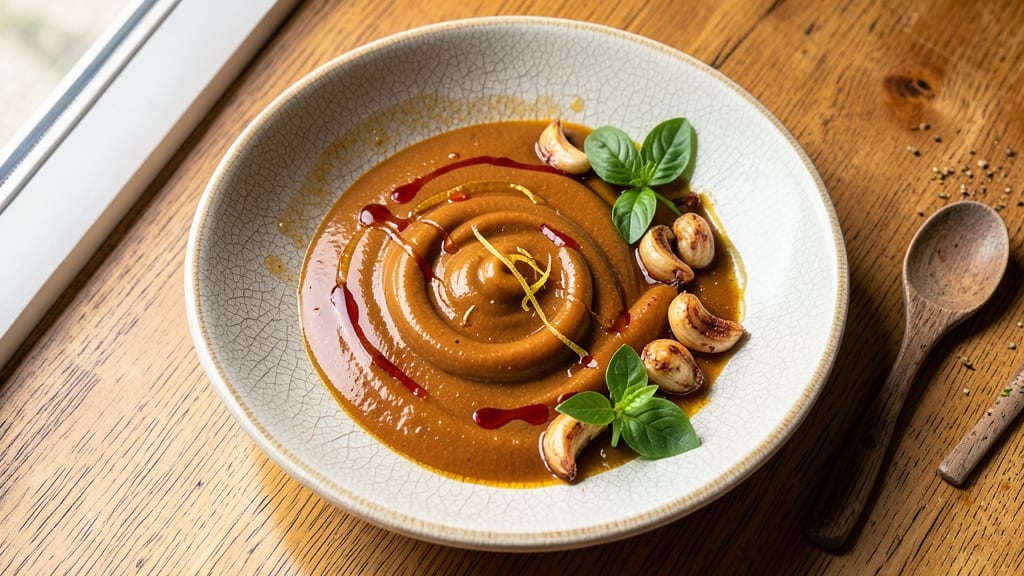
This Asian mustard sauce recipe delivers the perfect balance of tangy, sweet, and umami in just 10 minutes—far better than anything store-bought. The secret lies in combining Dijon mustard with rice vinegar, soy sauce, and a touch of honey for that signature depth.
I developed this sauce after craving a quick, flavorful dip for spring rolls that packed real complexity without requiring hours in the kitchen.
The sauce's versatility makes it a kitchen essential: use it as a dipping sauce for dumplings, a marinade for grilled meats, or a dressing for salads. The ingredients are simple—mustard, vinegar, soy sauce, honey, and optional sesame oil—but the combination creates layers of flavor that elevate any dish.
What sets this apart is the quick homemade approach, which avoids the artificial aftertaste of commercial versions.
What you'll end up with is a glossy, tangy sauce with a subtle sweetness and a hint of heat from the mustard. It stays fresh in the refrigerator for up to 2 weeks, making it perfect for meal prep.
The texture is smooth yet clings beautifully to food, ensuring every bite is packed with flavor.
Ready to transform your meals? This sauce is the ultimate shortcut for adding authentic Asian-inspired flavor without sacrificing quality. Let's get started!
Ingredients for asian mustard sauce
Quick, bold, and packed with umami—this sauce transforms simple ingredients into restaurant-quality flavor.
| Ingredient | Amount | Notes |
|---|---|---|
| Dijon Mustard 🌶️ | ½ cup | High-quality for best flavor |
| Rice Vinegar 🍶 | ⅓ cup | Seasoned preferred for depth |
| Soy Sauce 🥢 | ¼ cup | Light or dark variety |
| Honey 🍯 | 2 tbsp | Pure, unprocessed preferred |
| Sesame Oil 🫒 | 1 tbsp | Toasted for nutty aroma |
| Garlic Cloves 🧄 | 2 cloves | Minced for subtle depth |
| Ginger Root 🌿 | 1 tbsp | Freshly grated for zing |
| Water 💧 | ¼ cup | For smooth consistency |
| Sesame Seeds 🌰 | 1 tsp | Toasted for garnish |
| Salt 🧂 | ½ tsp | Diamond Crystal preferred |
The Dijon mustard is non-negotiable—it's what gives this sauce that signature tangy kick. Maille is my go-to brand, but any high-quality Dijon works. For the rice vinegar, Kikkoman or Seasoned Rice Vinegar from the Asian aisle adds that perfect balance of sweetness and acidity. The honey should be pure and unprocessed—Manuka or clover work beautifully. Sesame oil is optional but adds that nutty aroma that makes it feel authentically Asian. Grab the toasted variety if you can—it's worth it for that extra depth. The garlic and ginger are fresh here, but if you're in a pinch, powdered works at half the amount.
No sesame oil? Toasted peanut oil gives a similar richness, though with a different flavor profile. Short on honey? Maple syrup or agave work in a pinch, though honey's floral notes are ideal. The sauce can be made with just mustard, vinegar, and soy sauce, but the garlic, ginger, and sesame oil create layers of flavor that make it truly special. For a spicier version, add a dash of Sriracha or gochujang. If you're using this as a marinade, reduce the water slightly to prevent over-dilution when grilling.
This sauce keeps beautifully in the fridge for up to 2 weeks, though it's best within the first week. Store it in an airtight container with a thin layer of oil on top to preserve freshness. It also freezes wonderfully for up to 6 months, making it perfect for meal prep. If it thickens over time, just stir in a splash of water or vinegar to loosen it up. The sesame seeds are for garnish—sprinkle them on right before serving to keep them crispy.
Why You'll Love This Recipe
- Five-Ingredient Magic: I swear by this combo—just stir, taste, adjust. No fancy techniques, no waiting for anything to bloom. That Dijon mustard cuts right through the sweetness of the honey, while the sesame oil adds this chef’s kiss nutty finish in one drop.
- Umami Bomb: The soy and rice vinegar marry so well, it’s like a little flavor explosion. Honestly, I’ve tried store-bought versions, but this one’s brighter, tangier, and hits that perfect balance—savory, sweet, and just a little funky.
- Dress-Up Anything: Slather it on grilled chicken, drizzle over noodles, or toss with cold ramen—it works. Even my picky teen devours it on fries. Between us, I’ve used it for everything from quick stir-fries to a fancy-looking salad dressing with zero effort.
- Pantry Staple Power: No fancy ingredients here—just things you’re already buying. A little goes a long way, too; I make a double batch and keep it in the fridge for weeks. Budget-friendly? Absolutely. Zero waste? Check.
Step-by-step instructions for Asian mustard sauce
This bold umami sauce comes together in minutes—no fancy techniques, just bright flavors.
Whisk Together the Base Ingredients
In a medium bowl, combine the 0.5 cup Dijon Mustard, 0.33 cup Rice Vinegar, and 0.25 cup Soy Sauce. Use a whisk to blend them thoroughly until smooth—this ensures no gritty mustard seeds remain. The vinegar will mellow out the sharpness of the mustard, while the soy sauce adds that essential umami depth. Let the mixture sit for 2 minutes while you prep the remaining ingredients.
Here's the thing—this initial blend is your flavor foundation. Skimping on whisking here means uneven texture later, so take your time. The sauce should look homogenous, with no visible streaks of mustard or vinegar.
Add Sweetness and Aromatics
To the mustard mixture, add the 2 tbsp Honey, 1 tbsp Sesame Oil, 2 cloves minced Garlic Cloves, and 1 tbsp freshly grated Ginger Root. Stir vigorously with a fork or small whisk until everything is fully incorporated. The honey will balance the acidity, while the sesame oil and aromatics bring layers of complexity—think nutty warmth from the oil and a subtle kick from the fresh ginger.
I like to taste at this stage to gauge the balance. If it feels too sharp, add a touch more honey. Too bland? A splash of rice vinegar brightens it up. This is your chance to adjust before committing to the final texture.
Thin and Season to Perfection
Pour in the 0.25 cup Water and the 0.5 tsp Salt, then whisk until completely smooth. The water should create a pourable consistency, but if it's too thick, add 1 more tablespoon of water at a time until it reaches a glossy, sauce-like texture. This step is all about achieving that perfect balance—thin enough to coat, thick enough to cling.
Taste again and make final adjustments. The salt should enhance all the flavors without overpowering, while the water ensures the sauce flows beautifully over noodles, meats, or vegetables. If it's still too sharp, a tiny drizzle of honey helps.
Toast the Sesame Seeds for Garnish
While the sauce rests for 10 minutes (this lets flavors meld), heat a small dry skillet over medium heat. Add the 1 tsp Sesame Seeds and toast them for 1-2 minutes, stirring constantly, until they turn a rich golden brown and release their nutty aroma. Transfer them immediately to a small plate to cool.
This final touch elevates the sauce from good to spectacular. The toasted seeds add crunch and visual appeal, while their aroma ties everything together. Sprinkle them over the sauce just before serving to keep them crisp.
Serve Immediately for Maximum Impact
Give the sauce one final whisk to ensure it's smooth, then taste and adjust seasoning if needed. This sauce is best served fresh—its vibrant flavors mellow slightly over time. Drizzle it over grilled meats, toss with stir-fried vegetables, or use as a dipping sauce for spring rolls. The contrast of sweet, tangy, and umami makes every bite unforgettable.
Pro tip: If you're prepping ahead, store the sauce in an airtight container in the fridge for up to 5 days. Before serving, give it a quick whisk and adjust seasoning—you might need a splash of rice vinegar or a pinch of salt to revive its brightness.
Pro Tips For Making Asian Mustard Sauce
- Whisk in stages: Start with the mustard and honey—this keeps the sauce smooth instead of clumpy. Add vinegar and soy sauce next, then just a few drops of sesame oil at the end. Too much oil upfront makes it separate, and you’ll regret it when the sauce splits.
- Use aged soy sauce: Skip the cheap stuff—light or dark aged soy adds depth that instant packets can’t match. A splash of rice vinegar won’t cut through the flavor if your soy tastes flat. Trust me, the difference is noticeable.
- Taste before adding sesame oil: The oil is potent, and once it’s in, you can’t take it out. Balance the sweet, tangy, and salty first, then add just enough oil to tie it all together. I’ve ruined batches by overdoing it—don’t be that person.
- Warm the sauce gently: Heat it over low flame for 30 seconds max—just enough to soften the honey’s thickness. Boiling turns it grainy and kills the bright flavors. A microwave for 10 seconds works too, but don’t skip this step entirely.
Essential equipment for asian mustard sauce
Basic Mixing Bowl
You don’t need anything fancy—a medium-sized glass or stainless steel mixing bowl works perfectly. I prefer glass because it’s non-reactive and lets me monitor the sauce’s color as I whisk. A whisk with a long handle is essential for thorough blending, especially when incorporating the honey and sesame oil.
Avoid plastic bowls—they can absorb odors, which might affect your sauce’s purity. 🌶️
Measuring Tools
Precision matters here, so grab a liquid measuring cup for the vinegar, soy sauce, and water, and a small kitchen scale or measuring spoons for the honey, sesame oil, and salt.
I keep a 2-tablespoon and 1-teaspoon measure handy for the honey and sesame seeds. For the garlic and ginger, a microplane or fine grater ensures even distribution without overpowering the sauce.
Skillet for Toasting
A small non-stick skillet (8-inch diameter) is ideal for toasting the sesame seeds. Non-stick prevents burning, while the small size allows for quick, even heating. I use medium heat to avoid scorching—just enough to make the seeds golden brown in 1-2 minutes.
If you don’t have non-stick, a cast iron skillet works too, but watch closely to prevent sticking.
Optional Immersion Blender
For an ultra-smooth texture, an immersion blender (like the Ninja BN601) can replace whisking entirely. Simply blend the base ingredients directly in their container for 10-15 seconds until silky.
This is especially helpful if you’re making a large batch or prefer a completely seamless finish. Skip this if you love the rustic texture of whisked mustard seeds.
Storage Containers
Transfer the sauce to an airtight glass jar or container with a lid for storage. I like mason jars because they’re reusable and stackable. For long-term freezer storage, use a freezer-safe plastic container with a tight seal.
Label with the date—this sauce stays fresh for 2 weeks in the fridge or 6 months in the freezer. A splash of sesame oil on top before sealing preserves freshness even longer. ✨
Nutrition facts
Frequently asked questions
Can I substitute white vinegar for rice vinegar in this recipe?
You can use white vinegar in a pinch, but the flavor will be sharper and less nuanced. For best results, use seasoned rice vinegar—it adds a subtle sweetness that balances the mustard perfectly. If you must substitute, reduce the amount by 1 tablespoon and add ½ teaspoon sugar to compensate for the missing depth.
How spicy is this sauce, and can I make it milder or hotter?
The recipe is naturally mild but has a subtle kick from the Dijon mustard. For a milder version, reduce the mustard to ¼ cup and add 1 extra tablespoon of honey. For heat, stir in ½ teaspoon gochujang or 1 teaspoon Sriracha per ½ cup of sauce. Always taste before adding more!
What’s the best way to use this sauce if I don’t like mustard?
This sauce works beautifully even without the mustard—just replace it with ¼ cup extra rice vinegar and 1 tablespoon honey to maintain balance. The sauce will still have tangy, umami depth, though the texture will be smoother. It pairs perfectly with grilled chicken, noodles, or as a salad dressing.
Can I make this sauce without sesame oil? What’s a good substitute?
Sesame oil adds nutty aroma but isn’t essential. Substitute with 1 teaspoon toasted peanut oil or ½ teaspoon avocado oil for a neutral flavor. For extra depth, try 1 teaspoon miso paste (dissolved in the water) to mimic the umami richness sesame oil provides.
How do I fix a sauce that’s too thick or too thin?
If it’s too thick, whisk in 1 teaspoon water or rice vinegar at a time until smooth. For a thicker sauce, simmer it gently (without boiling) for 3-5 minutes to reduce. Pro tip: If it separates, whisk vigorously or gently reheat while stirring to restore consistency.