
Sauces & Condiments
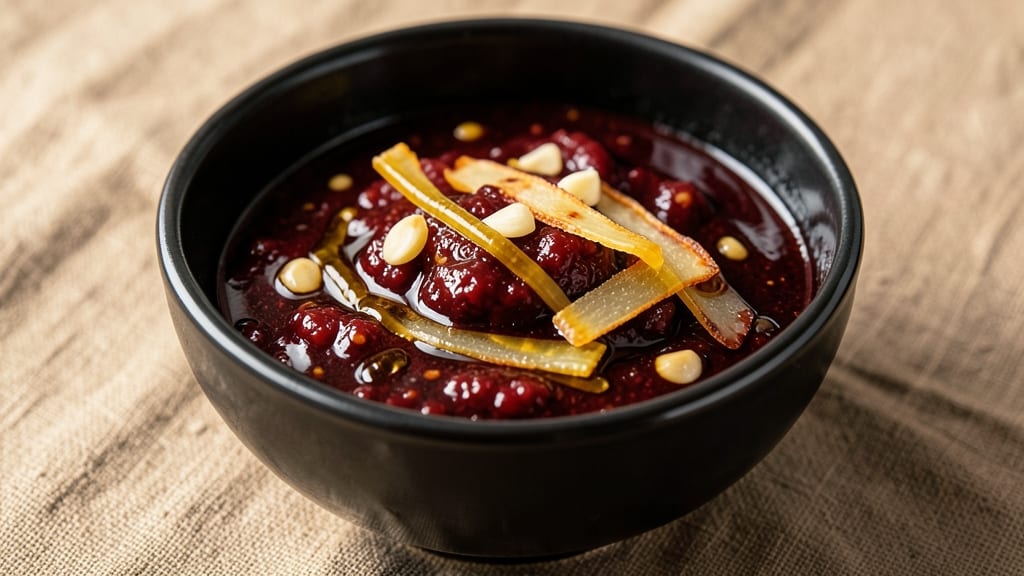
This Asian hot wing sauce recipe transforms ordinary wings into a flavor explosion—fiery, aromatic, and packed with umami depth that lingers long after the last bite.
The secret lies in balancing gochujang’s spicy-sweet profile with garlic, ginger, and soy sauce for a sauce that’s complex yet approachable, perfect for dipping, glazing, or marinating proteins. I developed this after years of experimenting with Asian-inspired heat, and it’s the one sauce that consistently delivers restaurant-quality results at home.
The foundation of this sauce is simplicity: just seven core ingredients that work together to create layers of flavor. Gochujang provides the signature heat and depth, while garlic and ginger add aromatic punch. A touch of honey or brown sugar balances the spice, and rice vinegar brightens the profile.
The sauce thickens slightly as it cooks, creating a glossy, clingy finish that clings to every bite—ideal for wings, tofu, or even drizzling over noodles.
What sets this sauce apart is its versatility. Use it as a dipping sauce for crispy wings, a glaze for grilled meats, or even a marinade for tofu or chicken. The heat level is adjustable—start with less gochujang if you prefer mild heat, or add extra for a fiery kick.
The umami-rich base ensures every application delivers bold, satisfying flavor without overpowering the dish.
Once you taste this sauce, you’ll never settle for store-bought again. The combination of spice, tang, and sweetness creates a perfect harmony that elevates simple ingredients into something extraordinary. Ready to elevate your wings—or any dish—with this game-changing sauce? Let’s get started.
Ingredients for asian hot wing sauce
Seven ingredients, one explosive sauce—transform wings into a flavor-packed sensation.
| Ingredient | Amount | Notes |
|---|---|---|
| Gochujang 🌶️ | ½ cup | Korean fermented chili paste, essential for depth |
| Garlic Cloves 🧄 | 6 cloves | Freshly minced for aromatic punch |
| Fresh Ginger 🌿 | 2 tbsp | Finely grated, not powdered |
| Rice Vinegar 🍶 | ¼ cup | White or seasoned for brightness |
| Soy Sauce 🍶 | ¼ cup | Light or dark, not low-sodium |
| Honey 🍯 | 2 tbsp | Wildflower or clover for balance |
| Sesame Oil 🫒 | 1 tbsp | Toasted, not flavored |
| Water 💧 | ¼ cup | Adjust for desired consistency |
| Salt 🧂 | ½ tsp | Kosher or sea salt for seasoning |
Gochujang is the heart of this sauce—Mae Mun or Dae Jang are my go-tos, but any quality brand works. The garlic and ginger need to be fresh; pre-minced jars lack the aromatic punch. For ginger, peel it first—those fibrous bits are bitter. The rice vinegar should be unseasoned unless you want extra saltiness. Soy sauce? Kikkoman is reliable, but any light or dark variety adds depth. Pro tip: Toast your garlic cloves in the pan for 30 seconds before adding—they’ll caramelize slightly and deepen the flavor.
No gochujang? Substitute with a mix of sriracha and tomato paste (1:1 ratio), but you’ll lose that signature umami. Fresh ginger powdered? Use double the amount, but it won’t be as vibrant. Short on honey? Brown sugar or maple syrup work in a pinch, though honey’s floral notes are unique. The sesame oil is non-negotiable for that nutty aroma—no substitutions here. If your sauce is too thick, add water 1 tbsp at a time. Too thin? Simmer longer. And if you’re feeling adventurous, a dash of fish sauce (1 tsp) adds another umami layer, but skip it for vegetarian versions.
This sauce keeps for 2 weeks in the fridge, sealed tightly in a jar. For longer storage, freeze in ice cube trays—perfect for single-use portions. Reheat gently on the stove or microwave until just warm; never boil, or it’ll lose its glossy finish. I double the batch every time—one for wings, one for tofu. The flavors actually improve after a day or two as everything melds. Store it in the darkest part of your fridge to preserve color and potency.
Why You'll Love This Recipe
- Pantry Magic: I swear by this sauce because it uses stuff I already have—no last-minute grocery runs. That jar of gochujang? The garlic lingering from last week’s stir-fry? Boom, you’re golden.
- Umami Bomb: The combo of gochujang’s deep heat and ginger’s zing hits different—like a wake-up call for your taste buds. Soy sauce ties it all together without overpowering, so it’s rich but balanced.
- Game for Any Occasion: Slather it on wings, toss it with noodles, or drizzle it over rice bowls—this sauce plays well everywhere. Honestly, I’ve even used it to jazz up a sad takeout order.
- Leftovers That Don’t Suck: Make a double batch and store it for weeks. The flavors only get better as it mellows, and a spoonful in soup or a stir-fry later? Pure satisfaction. (Yes, even on a Tuesday night.)
Step-by-step instructions for crafting Asian hot wing sauce
Here's how to blend bold flavors into a sauce that delivers smoky heat, tangy brightness, and umami depth.
Build the Umami Base
In a medium saucepan, combine the 0.5 cup gochujang, 0.25 cup soy sauce, and 2 tbsp honey. Set the heat to medium-low and let the mixture simmer gently for 3-4 minutes, stirring constantly. You'll notice the gochujang's deep red color intensify as it melts into the other ingredients, creating a rich foundation.
This is where the umami magic happens—the gochujang's fermented depth combines with soy sauce's saltiness and honey's natural sweetness. Keep the heat low to prevent the honey from burning, which would turn the sauce bitter. Stir frequently to ensure even distribution of the gochujang's natural oils throughout the mixture.
Infuse with Aromatics
Add the 6 cloves minced garlic and 2 tbsp grated fresh ginger to the saucepan. Increase the heat to medium and cook for 2-3 minutes, stirring constantly. You'll smell the garlic's sharp aroma mellow into something sweeter, while the ginger adds a warm, citrusy brightness.
Here's where it gets good—the garlic should soften but not brown, and the ginger should dissolve completely into the sauce. If you see the bottom of the pan starting to stick, add a splash of 0.25 cup water to keep everything smooth. The goal is to infuse these aromatics without burning them, which would make the sauce bitter rather than fragrant.
Brighten and Balance
Reduce the heat to low and stir in the 0.25 cup rice vinegar and 1 tbsp sesame oil. Let the mixture simmer for another 2 minutes, allowing the vinegar to brighten the sauce and the sesame oil to add nutty depth. You'll see tiny bubbles form on the surface as the sauce begins to thicken slightly.
The vinegar cuts through the richness of the gochujang and honey, while the sesame oil adds a toasty aroma. This is the moment to taste and adjust seasoning—add the 0.5 tsp salt if needed, but be mindful that the soy sauce and gochujang already contribute significant saltiness. The sauce should now have a complex balance of heat, sweetness, tang, and umami.
Simmer to Perfection
Return the sauce to a gentle simmer and cook for 5-7 minutes, stirring occasionally. The sauce should thicken to a glossy, coatable consistency—it should be thick enough to cling to wings but still pourable. If it thickens too much, whisk in 1-2 tablespoons of water to reach your desired consistency.
This final simmer allows all the flavors to meld together. You'll notice the sauce darkening slightly as the ingredients marry, creating a rich, velvety texture. The heat should be low enough to prevent any burning, but high enough to keep the sauce moving. Once it reaches the perfect consistency, remove it from heat immediately to preserve its vibrant color and complex flavor profile.
Rest and Serve
Transfer the sauce to a bowl and let it rest at room temperature for 10 minutes. This resting period allows the flavors to fully develop and the sauce to cool slightly, making it easier to handle. The sauce will thicken further as it cools, so adjust with additional water if needed.
Now your sauce is ready to transform wings into a fiery, flavorful masterpiece. The resting time also lets the heat mellow slightly, making it more approachable while still delivering that signature kick. Serve immediately for the best texture, or store in an airtight container in the refrigerator for up to 2 weeks—just reheat gently before using.
Pro Tips For Making Asian Hot Wing Sauce
- BLEND GINGER LAST: I used to add fresh ginger right at the start with everything else, and it’d turn the sauce bitter fast. Wait until the garlic’s fragrant and the gochujang’s warmed through—then pulse in the ginger. It keeps the bright, zesty kick instead of turning the sauce muddy.
- COOK GARLIC LOW AND SLOW: Garlic burns in seconds, and burned garlic ruins the whole sauce. Sauté those cloves on medium-low heat until they’re just golden at the edges—about 3-4 minutes. If you’re impatient, slice them thin first, but don’t rush the timing.
- THIN WITH VINEGAR GRADUALLY: Dumping all the rice vinegar at once dilutes the gochujang’s depth. Start with half, taste, then add the rest a tablespoon at a time. You’re balancing heat and tang, not just thinning—so go slow.
- SALT THE SOY SAUCE: Soy sauce is already salty, but store-bought brands vary wildly. Taste it first, then adjust with a pinch of kosher salt before mixing it in. I’ve ruined sauces by assuming “1 tablespoon soy sauce” means “1 tablespoon flavor.” It doesn’t.
Wine and beer pairings for this asian hot wing sauce
Asian-Inspired Beer Pairings
For this fiery sauce, I reach for crisp, refreshing beers that cut through the heat while complementing its umami depth. A Hazy IPA like Three Floyds Hazy Little Thing works beautifully—the citrus and tropical notes balance the spice, while its smooth mouthfeel prevents palate fatigue.
The slight sweetness in hazy IPAs also mirrors the sauce's honeyed undertones, creating a perfect harmony. 🍺
If you prefer something lighter, a Japanese lager such as Sapporo or Asahi Super Dry provides crisp cleanliness that refreshes between spicy bites. The subtle maltiness enhances the sauce's caramelized notes without overpowering the heat.
For a local American option, try a wheat beer like Blue Moon—its citrus and banana flavors play off the ginger and garlic in the sauce.
Wine Pairings for Balance
White wines are your best bet here, as their acidity and crispness stand up to the sauce's bold flavors. A dry Riesling from Germany, like Dr. Loosen Blue Slate, offers bright acidity and mineral notes that cleanse the palate between spicy bites.
The wine's slight sweetness also echoes the honey in the sauce, creating a balanced contrast. 🍷
For red wine lovers, a light-bodied Pinot Noir from Oregon—such as Domaine Serene—works surprisingly well. Its red fruit flavors and silky tannins complement the umami without competing with the heat. Avoid heavy reds like Cabernet Sauvignon, as their bold tannins can clash with the sauce's spicy brightness.
Non-Alcoholic Options
Don’t want to drink? A sparkling yuzu soda like San Pellegrino Yuzu provides the same refreshing acidity as wine without the alcohol. The citrus notes mirror the ginger in the sauce, while the bubbles keep your palate clean.
For something warmer, try a ginger beer—the natural ginger enhances the sauce's aromatic profile. 🥤
For a savory option, miso soup with tofu and scallions offers umami depth that complements the sauce's complexity. The warm broth cools the palate while the miso's fermented notes echo the gochujang's depth. It’s a match made in flavor heaven, especially for a full Asian-inspired meal.
Nutrition facts
Frequently asked questions
Can I make this sauce without gochujang?
Yes! For a substitute, mix 3 tbsp sriracha with 2 tbsp tomato paste to mimic the heat and depth. While you’ll lose some of gochujang’s fermented umami, this combo still delivers a spicy-sweet kick. Adjust the honey to taste, as sriracha is typically sweeter than gochujang.
How spicy is this sauce, and can I adjust the heat?
The heat level depends on your gochujang brand—most versions deliver medium-high heat (similar to buffalo sauce but with more complexity). To mellow it, reduce gochujang to 0.25 cup and add 1 extra tbsp honey. For extra fire, increase gochujang to 0.75 cup and add a pinch of cayenne.
What’s the best way to use this sauce beyond wings?
This versatile sauce works as a glaze for grilled meats, a marinade for tofu or chicken, or a dipping sauce for dumplings and spring rolls. Try brushing it on grilled pork skewers or drizzling over ramen noodles. For extra richness, simmer with 1 tbsp butter before serving.
Why does my sauce look too thin or too thick?
If too thin, simmer uncovered for 2-3 extra minutes to reduce. For thickness, whisk in 1 tbsp water at a time until smooth. The ideal consistency should coat the back of a spoon but still be pourable. Over-simmering can make it grainy, so remove from heat as soon as it thickens.
Can I make this sauce ahead of time?
This sauce actually tastes better after 24 hours as flavors meld. Store in an airtight container in the fridge for up to 2 weeks. Reheat gently on the stove or microwave until warm—never boil, or it’ll lose its glossy finish. For longer storage, freeze in ice cube trays for single-use portions.