
Sauces & Condiments
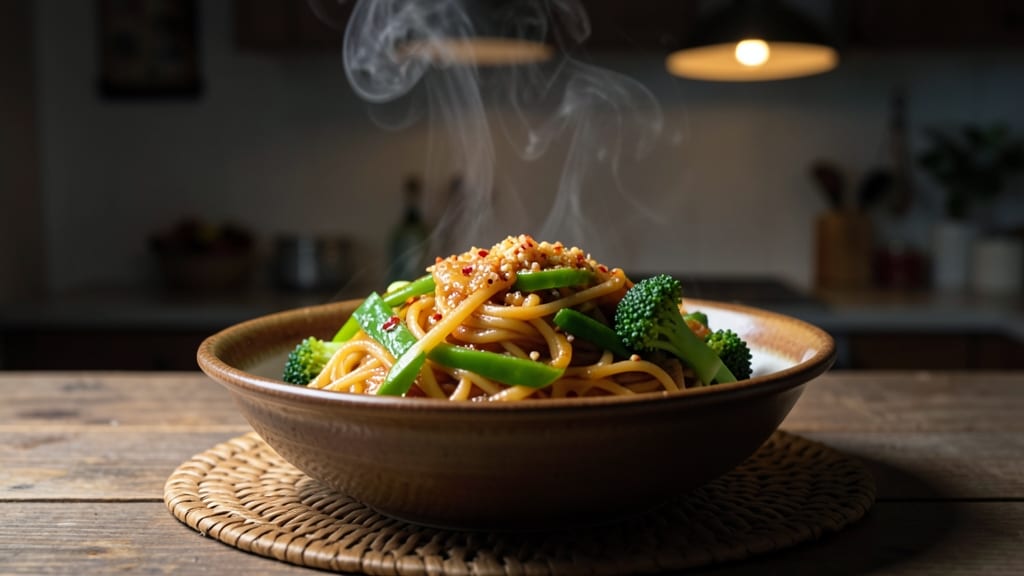
This Asian ginger sauce recipe transforms simple stir-fries into vibrant, restaurant-quality meals with just a few pantry staples. The secret lies in balancing fresh ginger’s zing with soy’s umami depth, creating a sauce that clings to noodles and vegetables like a velvety embrace.
I developed this after years of testing—it’s the one sauce that elevates everything from quick weeknight dinners to elegant takeout-inspired feasts.
The magic happens in the aromatics: garlic sizzled until fragrant, ginger grated fine for maximum punch, and a splash of rice vinegar to brighten the richness. A touch of honey or sugar rounds out the flavors, while sesame oil adds nutty warmth that lingers on the tongue.
This isn’t just a sauce—it’s a flavor multiplier that turns ordinary ingredients into something extraordinary.
What makes this recipe special is its versatility. Use it as a stir-fry drizzle, a marinade for tofu or chicken, or a dipping sauce for spring rolls.
The sauce keeps well in the fridge for up to 2 weeks, so you can make a big batch and have it ready whenever cravings strike. It’s the kind of condiment that makes you reach for the wok instead of the takeout menu.
Once you taste this sauce, you’ll never go back to bottled versions. The balance of sweet, savory, and spicy is precise—no aftertaste, just pure umami satisfaction. Let’s get cooking, because this sauce is about to become your new kitchen essential.
Ingredients for asian ginger sauce
Pantry staples plus fresh aromatics—this sauce is your new stir-fry secret weapon.
| Ingredient | Amount | Notes |
|---|---|---|
| Fresh Ginger Root 🧄 | ½ cup | Finely grated, skin removed |
| Garlic Cloves 🧄 | 4 cloves | Minced for aromatic punch |
| Soy Sauce 🍶 | ½ cup | Use light or dark variety |
| Rice Vinegar 🍶 | ¼ cup | Unseasoned for brightness |
| Sesame Oil 🫒 | 1 tbsp | Toasted for nutty aroma |
| Honey 🍯 | 2 tbsp | Or maple syrup for vegan option |
| Vegetable Oil 🫒 | 1 tbsp | For sizzling aromatics |
| Red Pepper Flakes 🌶️ | ½ tsp | Adjust for heat preference |
| Salt 🧂 | ½ tsp | Kosher or sea salt |
The ginger is non-negotiable here. Look for firm, knobby roots—the fresher, the better. I always grab the organic ginger at Whole Foods when it's on sale, but the regular grocery store stuff works fine if it's not shriveled. For maximum flavor, use a microplane to grate it—no peeling needed, just scrub the skin off. The garlic? Four cloves is perfect, but don't skimp on mincing it. Freshly minced garlic makes all the difference, and it takes 30 seconds. Trust me on this. The soy sauce can be any variety—light for subtlety, dark for depth—but Kikkoman is my go-to for consistency.
No fresh ginger? Ginger paste from a tube works in a pinch, but it's not the same. Running out of sesame oil? Avocado oil at half the amount gives a neutral base, though it lacks that toasty aroma. The honey can be swapped for maple syrup or agave, especially if you're avoiding refined sugar. For extra umami, add 1 tsp fish sauce (if not vegetarian)—it disappears into the sauce but adds depth. The red pepper flakes are optional, but they're what makes this sauce sing when you drizzle it over spicy noodles. And if you're using this as a marinade, reduce the vinegar to 2 tbsp so it doesn't overpower your protein.
This sauce keeps like a dream. Store it in a small glass jar in the fridge, and it'll stay vibrant for 2 weeks. The flavors actually improve after a day or two as everything melds together. For longer storage, freeze it in ice cube trays—perfect for single-use portions. I always make a double batch because once you taste this, you'll want it on everything. It's amazing on cold noodles too—just toss it with chilled soba or ramen for an instant takeout vibe. The sauce thickens as it cools, so give it a quick stir before using if it's been sitting.
Why You'll Love This Recipe
- Five-Ingredient Magic: I swear by this—just peel, mince, and pulse. No fancy techniques, no waiting for hours. The ginger and garlic get a quick sauté while I chop veggies or toss noodles. Honestly, it’s the kind of sauce that makes me feel like I actually cooked something.
- Umami Bomb: That balance of salty soy, bright vinegar, and nutty sesame oil? It’s ridiculously good. The fresh ginger adds a zing that cuts through rich dishes—think crispy tofu or cold rice—like a flavor upgrade button. I’ll be real: I’ve drizzled it on eggs just because.
- Endless Pairings: This sauce is my meal prep best friend. Slather it on stir-fries, toss it with rice bowls, or even use it as a quick marinade. (Yes, even on a Tuesday night.) The best part? It keeps well in the fridge, so I can batch-make it and save myself 10 minutes later in the week.
- Budget Stretch: A little goes a long way—this recipe costs me pennies per serving. Soy sauce and rice vinegar are pantry staples, and ginger lasts forever if you store it right. Between us, I’ve turned a single jar of sesame oil into three meals without breaking the bank. Practical? Absolutely.
Step-by-step instructions for Asian ginger sauce
Here's how to make a vibrant, balanced sauce that adds depth to any dish.
Prep the Aromatics
Start by peeling and finely grating the 0.5 cup fresh ginger root using a microplane or fine grater. You want the texture to be almost paste-like—this ensures the ginger dissolves smoothly into the sauce. In a small bowl, mince the 4 cloves garlic as finely as possible. I like to press each clove with the flat side of my knife first to soften it before mincing, which makes it easier to work with.
Set both aside—the ginger will release its bright, zesty flavor while the garlic adds that essential aromatic punch. If you're using ginger from a jar, drain it well and pat dry before grating to avoid diluting your sauce with excess liquid. The goal here is to maximize flavor concentration in every drop of this versatile sauce.
Sauté the Aromatics
Heat the 1 tablespoon vegetable oil in a small saucepan over medium heat. Once the oil shimmers, add the minced garlic and cook for 30 seconds to 1 minute until it becomes fragrant but doesn't brown. Immediately add the grated ginger and cook for another 30 seconds to 1 minute until it's softened and smells heavenly.
Here's where it gets important: don't let the garlic burn. If it starts to turn golden, you've gone too far. The moment it releases that sweet, nutty aroma is when you want to add the ginger. Stir constantly during this process to ensure even cooking. The combination of garlic and ginger should now smell like the essence of Asian cuisine—bright, warm, and inviting.
Build the Sauce Base
Pour in the 0.5 cup soy sauce and 0.25 cup rice vinegar, stirring to combine. The mixture will bubble gently as it comes to a simmer. Let it cook for 2-3 minutes until the liquid reduces slightly by about 20%. You'll notice the sauce becoming thicker and more concentrated, which is exactly what we want.
This reduction step is crucial—it deepens the flavors and removes any excess acidity from the vinegar. You'll know it's ready when the sauce coats the back of a spoon and has a glossy sheen. If you're using dark soy sauce, you'll see it darken slightly during this process, adding even more depth to your sauce.
Sweeten and Season
Reduce the heat to low and stir in the 2 tablespoons honey, 1 tablespoon sesame oil, 0.5 teaspoon red pepper flakes, and 0.5 teaspoon salt. The honey will help balance the acidity from the vinegar while adding a touch of sweetness that rounds out the flavors. The sesame oil adds that nutty aroma that's characteristic of Asian cuisine.
Let the sauce simmer gently for another 1-2 minutes, stirring occasionally. You want all the ingredients to meld together completely. Taste and adjust the seasoning if needed—you might want to add a bit more honey for sweetness or a touch more soy sauce for saltiness. The red pepper flakes will add just a hint of heat, but you can always adjust this to your preference.
Cool and Store
Remove the sauce from heat and let it cool to room temperature. This cooling process allows the flavors to settle and become more harmonious. Once cooled, transfer the sauce to a clean jar with a tight-sealing lid. It will keep in the refrigerator for up to 2 weeks, making it perfect for batch cooking and meal prep.
This sauce is incredibly versatile—drizzle it over stir-fries, use it as a marinade, or toss it with noodles. The balance of sweet, salty, tangy, and spicy flavors makes it a pantry staple. If you find the sauce too thick after refrigeration, simply stir in a splash of warm water to reach your desired consistency. Enjoy your homemade Asian ginger sauce!
Pro Tips For Making Asian Ginger Sauce
- PEEL GINGER FAST: Use a spoon to tap the ginger root firmly on the cutting board—it loosens the skin so much you’ll peel it off in one long strip like a banana. (I used to waste half my ginger trying to scrape it with a knife.)
- MINCE GARLIC COARSELY: Tiny garlic bits burn instantly. Chop the cloves into rough 1/8-inch pieces instead of a paste—this keeps them fragrant and prevents a bitter aftertaste. (Yes, it’ll look uneven, but it works.)
- SIMMER LOW AND SLOW: After adding soy sauce and vinegar, reduce heat to the lowest setting. Ginger sauce splits and curdles if it boils—just keep it at a bare simmer for 8–10 minutes. (I learned this after a very sad pot of lumpy sauce.)
- FINISH WITH COLD SESAME OIL: Stir in sesame oil off the heat at the very end—heat destroys its nutty aroma. A teaspoon goes a long way; start small and add more if needed. (Your future self will notice the difference.)
Common mistakes when making perfect results
Overcooking the Aromatics
Burnt garlic or overcooked ginger ruins everything—it turns bitter and overpowering. I’ve made this mistake more than once, and trust me, you’ll taste it. The key is to cook the garlic just until it’s fragrant (30 seconds max) and the ginger until it softens (1 minute).
If your kitchen smells like a charred-onion disaster, you’ve gone too far. 🔥
Skipping the Reduction Step
Rushing through the 2-3 minute reduction leaves your sauce thin and flat. This step concentrates the flavors, so don’t skip it! If you’re impatient, at least simmer it for 1 minute—you’ll notice the difference.
The sauce should coat the back of a spoon when done. I’ve tasted versions where people skipped this, and it’s like comparing flat soda to a proper soda—all the fizz (flavor) is gone.
Using Low-Quality Ingredients
Cheap ginger or old soy sauce will make your sauce taste dull. Always use fresh ginger (not powdered) and a good-quality soy sauce like Kikkoman or Tamari. I’ve tried cutting corners with expired pantry staples, and the results were disappointing.
The sauce becomes one-dimensional—no depth, no complexity. Invest in fresh ingredients, and your sauce will shine.
Ignoring the Balance
This sauce needs harmony between sweet, salty, tangy, and spicy. If you skip the honey or forget the vinegar, the flavors won’t come together. Taste as you go!
I often adjust the honey or soy sauce while simmering to get the perfect balance. The goal is a sauce that’s bright, not flat. 💫
Not Letting It Rest
Rushing to use the sauce right after cooking means missing out on its full potential. Let it cool and rest for at least 30 minutes—the flavors meld beautifully. I’ve tasted it fresh and again after resting, and the difference is night and day. Patience here makes all the difference.
Overthinning with Water
If your sauce is too thick after refrigeration, a splash of warm water (not cold) is fine. But don’t drown it! I’ve seen people add too much, turning the sauce into a watery glaze.
Start with 1 teaspoon at a time and adjust to your preference. The sauce should coat the back of a spoon but still flow smoothly.
Nutrition facts
Frequently asked questions
Can I make this sauce without fresh ginger?
You can use ginger paste in a pinch, but it won't have the same bright, fresh flavor. For the best results, always use freshly grated ginger—it's the secret to that zesty kick. If you must substitute, look for high-quality paste with no added water or preservatives.
How spicy should this sauce be?
The 0.5 teaspoon red pepper flakes provide a mild heat, but you can adjust to taste. For extra kick, add 1 teaspoon cayenne or 1/2 teaspoon chili crisp. If you prefer no heat, simply omit the pepper flakes entirely—the sauce will still be delicious.
What's the best way to use this sauce?
This versatile sauce works as a stir-fry drizzle, noodle toss, marinade for tofu or chicken, or even a dipping sauce for spring rolls. It's especially great with rice, grilled meats, or fresh veggies. The key is to use it fresh—straight from the fridge—for the best flavor.
Can I make this sauce without honey?
Swap the honey for maple syrup, agave nectar, or even brown sugar dissolved in 1 tbsp water. For a vegan option, use 1 tbsp coconut sugar instead. The sweetness balances the acidity from the vinegar, so don't skip it entirely.
Why did my sauce turn out too salty?
This usually happens when using dark soy sauce instead of light, or adding too much salt. To fix it, stir in 1-2 teaspoons of water or rice vinegar per 1/4 cup sauce to dilute the saltiness. For prevention, taste as you go—especially after adding the soy sauce and before finishing with salt.