
Sauces & Condiments
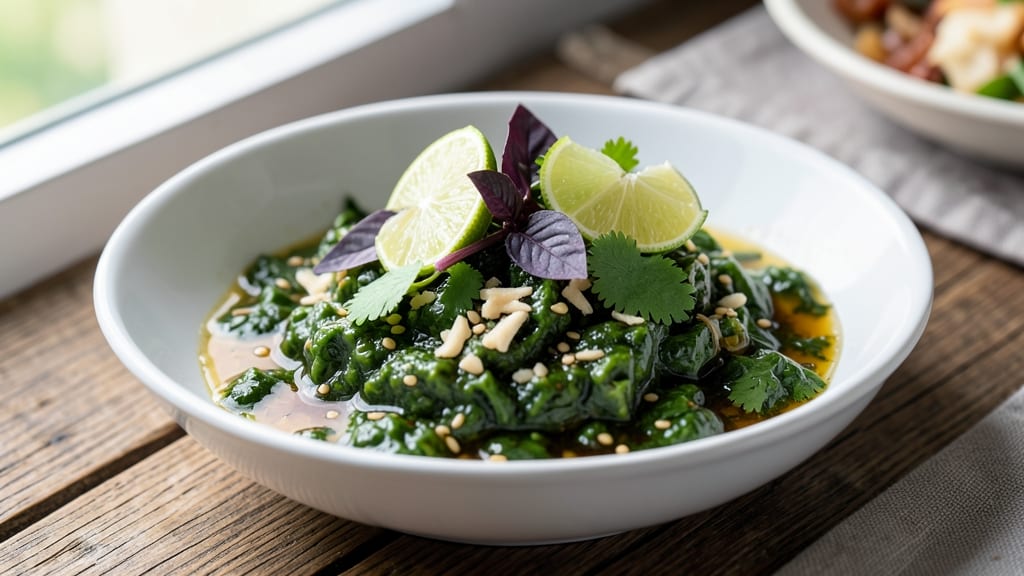
This Asian chimichurri sauce recipe reimagines the classic Argentinian condiment with bold, aromatic flavors that bridge two continents. 🌟 The result is a vibrant, tangy-sweet sauce packed with fresh herbs, bright lime, and nutty sesame—perfect for elevating stir-fries, grilled meats, or even as a dipping sauce for spring rolls.
What sets this apart is the fusion of traditional chimichurri with Asian-inspired ingredients like ginger and chili, creating a sauce that’s both familiar and excitingly new.
The beauty of this sauce lies in its simplicity—just 8 ingredients come together in minutes to create something restaurant-worthy. Unlike traditional chimichurri, this version incorporates toasted sesame oil and a touch of honey for depth, while fresh cilantro, Thai basil, and lime juice deliver that signature herbal zing.
The sauce keeps well in the fridge for up to a week, making it a versatile pantry staple for quick meals.
What makes this sauce truly special is its versatility. Use it as a marinade for chicken or tofu before grilling, drizzle it over noodles for instant flavor, or serve it as a dip for crispy spring rolls.
The balance of tangy, sweet, and umami notes ensures it works with both bold and delicate flavors, transforming simple dishes into something extraordinary with just a few spoonfuls.
The secret to its success? Fresh ingredients and a quick prep time of just 10 minutes. No cooking required—just chop, blend, and taste. Whether you're serving it as part of a full Asian-inspired feast or as a quick weeknight sauce, this chimichurri twist will become a go-to in your kitchen.
Ready to bring this fusion flavor to your table?
Ingredients for asian chimichurri sauce
Eight vibrant ingredients blend into this fusion sauce—bright, tangy, and packed with Asian-inspired depth.
| Ingredient | Amount | Notes |
|---|---|---|
| Fresh Cilantro Leaves 🌿 | 1 cup | Stems removed for best texture |
| Thai Basil Leaves 🌿 | ½ cup | Bright green, stems removed |
| Fresh Lime Juice 🍋 | ½ cup | Freshly squeezed, no pulp |
| Toasted Sesame Oil 🫒 | 2 tbsp | High-quality, nutty aroma |
| Raw Honey 🍯 | 1 tbsp | Mild floral preferred |
| Fresh Ginger 🧄 | 1 tbsp | Finely grated, fresh zest |
| Red Chili Flakes 🌶️ | 1 tsp | Adjust for heat preference |
| Kosher Salt 🧂 | ½ tsp | Diamond Crystal preferred |
The herbs are the heart of this sauce. Thai basil brings that signature anise note you can't get from regular basil, while cilantro adds freshness. Asian markets often have the best selection of Thai basil—look for leaves that are bright green and fragrant. Fresh ginger is a must; the pre-grated stuff in jars lacks the same punch. For lime juice, use organic limes if possible—they're juicier and less bitter. Toast your sesame oil in a dry pan for 30 seconds before using—this deepens the nutty flavor dramatically.
No Thai basil? Regular basil plus a pinch of anise seeds works in a pinch, though it won't be identical. Short on cilantro? Fresh parsley at double the amount gives a similar bright note. The honey can be swapped for agave nectar if you prefer vegan, though it will taste slightly different. For heat control, start with half the chili flakes and adjust to taste. The salt is crucial—taste as you blend and adjust. If you're using a high-powered blender, you can add a splash of water to help emulsify, but this sauce is forgiving either way.
This sauce keeps beautifully in the fridge for up to 7 days when stored in an airtight container. The flavors actually meld and improve over time, so it's perfect for meal prep. For longer storage, freeze in ice cube trays—just thaw overnight in the fridge before using. The sesame oil may separate slightly when refrigerated, but give it a quick shake before using. If you make extra, consider gifting it—it's always a hit at potlucks and makes a fantastic hostess gift.
Why You'll Love This Recipe
- No-Chop Necessary: I swear by this—just roughly tear the cilantro and Thai basil, no knife skills required. The stems add subtle depth, and the lime juice does all the brightening work while you’re still scrolling through your phone.
- Bright & Nutty Magic: That toasted sesame oil hits different—warm, toasty, with a nutty punch that balances the citrusy lime and fresh herbs. Honestly, the honey ties it all together like a little sweet hug for your taste buds.
- Dresses Up Anything: Slather it on grilled fish, toss with noodles, or drizzle over a simple salad. I’ve even used it as a marinade for chicken—it’s the kind of sauce that makes even the most basic meal feel like a restaurant dish.
- Lasts All Week: Between us, this sauce keeps beautifully in the fridge for at least 5 days. The flavors actually get better as the herbs mellow, and it’s cheap to make—just a handful of ingredients that won’t break the bank. (Yes, even on a Tuesday night.)
Step-by-step instructions for Asian chimichurri sauce
Here's how to blend vibrant flavors into a bright, aromatic sauce perfect for stir-fries.
👨🍳 Step 1: Prepare the Herbal Base
In a food processor, combine the 1 cup fresh cilantro leaves and 0.5 cup Thai basil leaves. Pulse until finely chopped but not completely pureed—you want visible texture, not a smooth paste. This preserves the fresh herbal notes that make this sauce special. I like to give it a quick pulse every few seconds to prevent over-processing.
Stop when the herbs resemble coarse sand with visible flecks of green. If you over-blend, the sauce will lose its bright color and fresh flavor. The stems were removed earlier, so you won't have any tough fibers to deal with—just pure leafy goodness.
🍳 Step 2: Add Aromatics and Lime
Transfer the chopped herbs to a mixing bowl. Add the 0.5 cup fresh lime juice, 1 tbsp finely grated fresh ginger, and 0.5 tsp kosher salt. Stir vigorously with a wooden spoon until everything is well combined. The lime juice will immediately brighten the herbs, and you'll notice the mixture becoming more vibrant in color.
Let this sit for 5 minutes while you prepare the remaining ingredients. This brief resting period allows the lime to fully extract flavors from the herbs. Don't skip this step—it's what develops that signature fresh, zesty character that sets this sauce apart from traditional chimichurri.
🥘 Step 3: Incorporate Oil and Sweetness
Slowly drizzle in the 2 tbsp toasted sesame oil while continuing to stir. The oil should coat all the herb mixture evenly. Then add the 1 tbsp raw honey and 1 tsp red chili flakes, mixing until fully incorporated. You'll notice the sauce immediately thicken slightly as the oil emulsifies with the lime juice.
Taste and adjust seasoning if needed. I often find the lime needs a touch more salt at this stage—remember, you can always add more, but you can't take it out. The chili flakes should add just a hint of heat, but you can increase this to 1½ tsp if you prefer more spice. The honey balances the acidity while adding subtle sweetness that complements the herbal notes.
⏰ Step 4: Rest and Thicken
Cover the bowl and let the sauce rest at room temperature for at least 15 minutes. This resting period is crucial—it allows all the flavors to meld together and the sauce to thicken slightly. The acid from the lime will continue to work, breaking down the herbs and creating a more cohesive texture.
After resting, give the sauce one final stir. It should now have a thick, vibrant consistency perfect for drizzling over stir-fries. If it's too thin, let it sit another 5-10 minutes uncovered—this evaporates some of the liquid. If it's too thick, whisk in 1-2 teaspoons of water to reach your desired consistency. The sauce should coat the back of a spoon but still be pourable.
Pro Tips For Making Asian Chimichurri Sauce
- STACK THE HERBS: Pile the cilantro and Thai basil in a single layer on a cutting board—no overlapping—and chop them together with a sharp knife. I used to mix them first, but this keeps the Thai basil’s dark purple stems from turning the sauce muddy (yes, it matters).
- TOAST THE OIL FIRST: Heat the sesame oil in a small pan over low heat until it just shimmers—about 2 minutes—then remove from heat. Cooling it slightly prevents the sauce from tasting bitter, and it blends smoother. I learned this the hard way after one batch tasted like a campfire.
- SQUEEZE, DON’T POUR: Roll the lime wedges between your palms before juicing to extract every last drop—no strainer needed. The pulp adds body, and skipping this step means your sauce will be thinner and less vibrant. (Your future self will notice.)
- SWEETEN AFTER MIXING: Add the honey last, after blending all other ingredients. This lets the lime and herbs brighten first, then lets you adjust sweetness to taste. Dumping it in early can make the sauce cloying—trust me, you’ll regret the first time you don’t.
Serving suggestions for this dish
Stir-Fry Elevation
This sauce transforms simple stir-fries into restaurant-quality dishes. Toss it with garlic green beans and shrimp for a bright, zesty finish—just 2 tablespoons per serving adds instant depth.
For extra richness, stir in 1 teaspoon of soy sauce before adding the sauce. I love pairing it with jasmine rice to soak up every last drop. 🌟
Grilled Protein Pairings
Use it as a marinade for chicken thighs or tofu before grilling—let it sit for 15-20 minutes to tenderize. The lime and ginger work magic on proteins, while the sesame oil adds a smoky aroma.
For beef, try it with flank steak sliced thin—brush on just before serving. The sauce caramelizes beautifully under the grill. 🔥
Spring Roll Dip
Serve it as a dip for crispy spring rolls or edamame fries—its tangy-sweet balance cuts through fried foods perfectly. I like to chill the sauce for 30 minutes before serving to let flavors meld.
For extra texture, sprinkle with toasted sesame seeds and a pinch of flaky salt. It’s a crowd-pleaser at parties! ✨
Noodle Game-Changer
Drizzle over ramen or udon noodles for instant umami and freshness. Toss 2 tablespoons into hot noodles with a splash of vegetable broth to emulsify. For cold noodles, like soba, use it as a dressing—its acidity brightens the dish. Add sliced scallions for crunch. 💫
Breakfast Twist
Yes, it’s breakfast-worthy! Swirl it into scrambled eggs or drizzle over avocado toast for a fusion brunch. The lime and ginger wake up flavors, while the sesame oil adds nuttiness. Try it with poached eggs and sriracha for a spicy kick. It’s my go-to for quick, flavorful mornings. 💪
Vegetable Booster
Toss it with roasted Brussels sprouts or steamed bok choy to elevate simple veggie sides. The sauce’s acidity balances earthy flavors, while the herbs add freshness. For extra crunch, serve with crispy fried shallots. It’s a game-changer for healthy meals! 🥗
Nutrition facts
Frequently asked questions
Can I make this sauce without Thai basil?
Yes! While Thai basil adds that signature anise flavor, you can substitute with regular basil plus 1/4 tsp ground anise seeds or double the cilantro. For extra depth, add 1 tsp fish sauce to mimic the umami notes Thai basil brings. The sauce will still be delicious—just slightly different in aroma.
How spicy should this sauce be?
The recipe starts with 1 tsp chili flakes for a mild kick, but you can adjust to taste. For medium heat, use 1½ tsp. For spicy, add ½ tsp red pepper flakes or 1 tsp gochujang. Remember, you can always add more—just don’t reduce it once mixed!
Can I use this sauce as a marinade?
Use it to marinate chicken, tofu, or shrimp for 15-20 minutes before cooking. The lime and ginger tenderize proteins while the sesame oil adds aroma. For longer marinating (1 hour), reduce the lime juice to ¼ cup to prevent over-acidifying the meat.
Why does my sauce separate when refrigerated?
The sesame oil may rise to the top when chilled—this is normal! Just shake or whisk vigorously before using. For a smoother texture, add 1 tsp cornstarch mixed with 1 tbsp water and stir in. The sauce will thicken slightly but stay emulsified. No need to worry—it’s still safe and delicious!
What’s the best way to store leftovers?
Transfer to an airtight container and refrigerate for up to 7 days. The flavors actually improve over time! For longer storage, freeze in ice cube trays—thaw overnight in the fridge. Avoid freezing with metal utensils to prevent oxidation. Label with the date for tracking.