
Sauces & Condiments
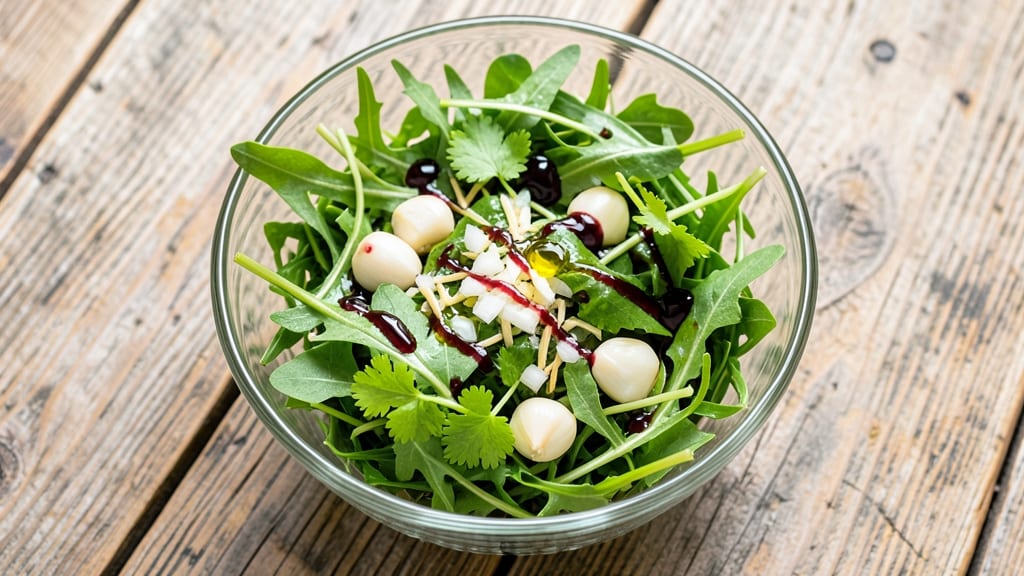
This arugula chimichurri sauce recipe transforms simple ingredients into a vibrant, herb-packed condiment that elevates grilled meats, roasted vegetables, and even sandwiches. The secret lies in blending fresh arugula with parsley, garlic, and red pepper flakes for a bright, slightly spicy kick that clings perfectly to every bite.
Unlike traditional chimichurri, this version incorporates arugula for a peppery depth that cuts through rich flavors while adding a fresh, almost citrusy brightness.
The sauce comes together in minutes with just a few ingredients: fresh herbs, olive oil, red wine vinegar, and a pinch of salt.
The key is proper blending—pulse the ingredients in a food processor until you achieve a coarse, chunky texture that retains the herbs' vibrant green color and delicate crunch. This isn’t just a topping; it’s a flavor enhancer that transforms ordinary meals into something restaurant-worthy with minimal effort.
What makes this sauce truly versatile is its ability to adapt to any dish. Drizzle it over grilled steak or chicken for instant zing, toss it with roasted potatoes for a herby finish, or use it as a bold dressing for salads.
The acidity from the vinegar and lemon juice balances the richness of meats, while the herbs add layers of freshness that keep every bite exciting. Plus, it keeps beautifully in the refrigerator for up to 5 days, making it a perfect make-ahead condiment for busy weeknights.
For an extra boost, add a splash of lemon juice or a pinch of red pepper flakes to intensify the flavor. This sauce is foolproof, customizable, and guaranteed to become a staple in your kitchen—whether you’re grilling outdoors or cooking up a quick weeknight dinner. Let’s get started!
Ingredients for arugula chimichurri sauce
Fresh herbs and bright acids create this vibrant sauce that transforms ordinary dishes into restaurant-worthy meals.
| Ingredient | Amount | Notes |
|---|---|---|
| Fresh Arugula Leaves 🌿 | 2 cups | Packed, stems removed |
| Fresh Flat-Leaf Parsley 🌿 | ½ cup | Chopped, stems included |
| Garlic Cloves 🧄 | 4 cloves | Peeled, roughly chopped |
| Extra-Virgin Olive Oil 🫒 | ½ cup | High-quality, fruity variety |
| Red Wine Vinegar 🍷 | ¼ cup | Dry, bold variety preferred |
| Lemon Juice 🍋 | 2 tbsp | Freshly squeezed |
| Red Pepper Flakes 🌶️ | 1 tsp | Adjust for heat preference |
| Kosher Salt 🧂 | 1 tsp | Fine grain preferred |
| Red Onion 🧅 | ¼ cup | Finely chopped, white part |
| Fresh Oregano 🌿 | 1 tbsp | Chopped, or 1 tsp dried |
The arugula and parsley are non-negotiable—they bring that signature peppery brightness. Grocery store parsley works, but farmers market herbs have more flavor. Look for arugula with deep green leaves and no yellowing. The garlic should be fresh, with no soft spots. For the olive oil, California extra-virgin is ideal—it has that fruity punch that stands up to the herbs. Red wine vinegar? Bartles & Jaymes is reliable, but any dry red works.
No red wine vinegar? White wine vinegar plus a splash of red grape juice mimics the depth. Short on arugula? Baby spinach or extra parsley stretches it out. Want more heat? Add ½ tsp cayenne or a dash of hot sauce. The red onion can be skipped if you dislike raw onion flavor—just boost the garlic slightly. For storage, keep the herbs fresh by wrapping them in damp paper towels until ready to use. The sauce itself? Pulse in batches if your processor is small to avoid over-blending.
This sauce keeps beautifully in an airtight container in the fridge for up to 5 days. The texture will soften slightly, but a quick pulse with a splash of water brings it back. For longer storage, freeze in ice cube trays—thaw and pulse again to restore texture. Label containers since it looks like pesto at first glance. The flavor actually improves after sitting overnight as the herbs mellow and the acids mellow out. Perfect for meal prep!
Why You'll Love This Recipe
- No Blender Needed: I swear by this—just a knife and a bowl. The arugula and parsley stay chunky, which means that bright, peppery bite stays sharp. No pulsing, no straining, no cleanup. Honestly, it’s one of those recipes where I forget I’m even cooking.
- Garlic-Parsley Punch: That first taste? Chef’s kiss. The raw garlic hits like a fresh breeze, but the parsley and arugula soften it into something lush—almost like a green pesto, but with a vinegar kick that wakes everything up. Drizzle it on grilled chicken, and suddenly, you’re eating restaurant-quality.
- Weeknight to Dinner Party: Between us, this sauce is my lazy-day hero. Toss it with pasta in 10 minutes, or let it sit overnight in the fridge—it actually gets better. Bring it to a potluck, and no one will guess it took less effort than a salad. (Yes, even on a Tuesday night.)
- Pantry-Friendly Flex: I make a big batch and keep it for a week. The olive oil and vinegar preserve it like magic, so no sad wilted herbs here. Plus, arugula is cheaper than you think, and parsley lasts forever if you store it right. Budget-friendly? Absolutely. Waste-free? Even better.
Step-by-step instructions for arugula chimichurri sauce
This vibrant sauce comes together in minutes with fresh herbs and bright acidity.
Chop the Herbs and Aromatics
In a large bowl, combine the 2 cups fresh arugula leaves (packed) and 0.5 cup chopped fresh flat-leaf parsley (stems included). Add the 4 peeled garlic cloves (roughly chopped) and 0.25 cup finely chopped red onion (white part only). Use a sharp chef's knife for even chopping—this ensures the herbs release their oils properly when mixed.
I like to work in batches if needed, but keep everything in one bowl for convenience. The arugula should be tightly packed—don't worry if it looks like too much, as it will soften during mixing. The red onion adds subtle sweetness that balances the peppery arugula, while the parsley rounds out the flavor profile.
Add Acid and Salt
Pour the 0.25 cup red wine vinegar and 2 tablespoons freshly squeezed lemon juice over the herb mixture. Sprinkle with 1 teaspoon kosher salt and 1 teaspoon red pepper flakes. Use your hands to gently massage the ingredients together for 1-2 minutes—this helps break down the herbs and distribute the acid evenly.
The vinegar and lemon juice will begin to wilt the arugula slightly, which is normal. You'll notice the mixture turning a vibrant green and developing a fresh, bright aroma. The red pepper flakes should be distributed evenly, but don't worry if some remain visible—they'll blend in during the final mixing.
Finish with Olive Oil
Drizzle in the 0.5 cup extra-virgin olive oil in a slow, steady stream while continuing to stir with a wooden spoon. Add the 1 tablespoon chopped fresh oregano (or 1 teaspoon dried) and mix thoroughly. The sauce should begin to take on a thick, paste-like consistency—this is ideal for chimichurri.
Taste and adjust seasoning if needed. If the sauce tastes too acidic, add a pinch more salt. If it needs more brightness, add another teaspoon of lemon juice. The olive oil should coat the herbs completely, creating a glossy, vibrant sauce with a perfect balance of fresh, tangy, and slightly spicy flavors.
Rest Before Serving
Cover the bowl and let the chimichurri rest at room temperature for 10-15 minutes. This allows the flavors to meld together and the herbs to soften slightly, resulting in a more cohesive sauce. The color will deepen to a rich, emerald green, and the aroma will become even more enticing.
Stir once more before serving to ensure everything is evenly distributed. This sauce pairs perfectly with grilled meats, roasted vegetables, or even as a bright dressing for salads. Use it immediately for the freshest flavor, or store it in an airtight container in the refrigerator for up to 3 days. The flavors will continue to develop over time, making it even more complex.
Pro Tips For Making Arugula Chimichurri Sauce
- Pulse, Don’t Grind: A food processor will turn your chimichurri into a paste—ruin the texture. Use a knife or a heavy-bottomed bowl with a fork and your hands. Chop the arugula and parsley first, then crush the garlic with the flat of your knife before adding it. This keeps the sauce bright and chunky, not muddy.
- Salt the Garlic: Toss your minced garlic with a pinch of salt before adding it to the mix. It softens the bite and prevents that harsh, raw garlic flavor from overpowering the arugula. I learned this the hard way—skipping it makes the sauce taste like a punch to the face.
- Strain the Vinegar: If your red wine vinegar has sediment, strain it through a fine-mesh sieve before measuring. Sediment in chimichurri makes it gritty and dulls the bright acidity. I used to ignore this, but now I always strain—it’s a 10-second fix for a smoother sauce.
- Dress It Gradually: Start with half the olive oil and vinegar, then taste. The arugula’s peppery bite needs balancing—too much liquid will turn it into a sad, watery mess. Add more oil in drizzles, not all at once. You’re not making vinaigrette; you’re marrying flavors, not drowning them.
Regional styles of arugula chimichurri sauce
Argentinian Roots
This sauce traces its lineage to Argentina’s classic chimichurri, where parsley and oregano dominate. Traditional versions use parsley-heavy blends with red wine vinegar and garlic, but my arugula twist adds that signature peppery bite Argentinian cooks love.
The original chimichurri was born from necessity—Argentinian ranchers needed a way to preserve herbs and add flavor to grilled meats without refrigeration. 🌶️
In Buenos Aires, chimichurri is often served with grilled beef or asado, but modern chefs now use it on everything from roasted vegetables to pasta. The arugula version keeps that fresh, herby essence while adding a modern twist.
I first discovered this variation in a Patagonian steakhouse—the chef insisted it cut through the richness of their ribeye perfectly.
Italian Influence
While chimichurri is Argentinian, this arugula version borrows from Italy’s love of peppery greens. Arugula, or rucola, is a staple in Italian cuisine, often used in salads or as a pizza topping.
The bright, slightly bitter flavor mirrors the peppery parsley in traditional chimichurri but with a fresher, crunchier texture. Italian cooks often pair arugula with lemon zest and olive oil, which is exactly what we’re doing here—just with a South American twist. 🍋
The Italian influence is also in the extra-virgin olive oil used—high-quality Italian EVOO adds a fruity depth that stands up to the bold flavors. I recommend Californian or Tuscan EVOO for that perfect balance.
The Italians might call this a pesto-like sauce, but the vinegar and garlic keep it true to chimichurri’s roots.
Modern Twists
Today’s chefs are reimagining chimichurri with global ingredients. My arugula version is just one example—some modern takes include basil chimichurri for Thai-inspired dishes or cilantro-lime chimichurri for Mexican flavors. The key is keeping that herb-forward, acidic, and slightly spicy profile while adapting to local tastes. 🌎
In the U.S., this sauce has become a favorite for grilled chicken and steak bowls. Food trucks in Austin and Portland often serve it as a drizzle over smoked brisket or grilled shrimp.
The arugula version holds up better to heat than traditional parsley chimichurri, making it ideal for outdoor cooking. I’ve even seen it used as a marinade for grilled fish—the acidity tenderizes while the herbs add aroma.
Global Adaptations
In Spain, chimichurri-inspired sauces often include smoked paprika for a smoky depth, while in Peru, they might add ají amarillo (yellow chili) for heat. My arugula version works globally because it’s versatile and fresh.
The peppery arugula pairs well with Asian-inspired dishes, too—try it with grilled pork or rice bowls for a fusion twist. 🌍
For a Mediterranean touch, swap the red wine vinegar for lemon juice and add dill instead of oregano. In Mexico, some cooks blend in cilantro and lime for a salsa-like chimichurri.
The beauty of this sauce is how easily it adapts—just keep the herbs, acid, and oil as the foundation.
Nutrition facts
Frequently asked questions
Can I substitute arugula with another green?
Yes! If you can't find arugula, baby spinach or extra parsley work well—just use 2 cups total of greens. For a milder flavor, swap in cilantro (though it'll taste different). The key is maintaining that peppery brightness, so avoid overly sweet greens like romaine.
How spicy should this chimichurri be?
The 1 teaspoon red pepper flakes gives a mild kick, but you can adjust to taste. For heat lovers, add ½ teaspoon cayenne or a dash of hot sauce. If you prefer no spice, simply omit the red pepper flakes entirely—the sauce will still be vibrant and flavorful.
Can I make this sauce ahead of time?
This sauce actually tastes better after resting. Store it in an airtight container in the fridge for up to 5 days. The flavors meld beautifully, and you can revive the texture by adding a splash of water or olive oil before using. Freeze in ice cube trays for longer storage—just thaw and pulse again.
What's the best way to use leftover chimichurri?
This versatile sauce works on everything! Drizzle it over grilled meats, toss with roasted potatoes, or use as a bold salad dressing. For extra flavor, let it sit on the meat for 5-10 minutes before serving. It also makes an amazing marinade—just coat your protein and let it sit for 30 minutes before grilling.
Why does my chimichurri turn brown or watery?
Brown color means oxidation—just stir in 1 teaspoon lemon juice to brighten it. Watery texture happens if you over-blend or use too much vinegar. Fix it by adding 1 tablespoon olive oil and pulsing briefly. Always store with a thin layer of oil on top to preserve color and freshness.