
Sauces & Condiments
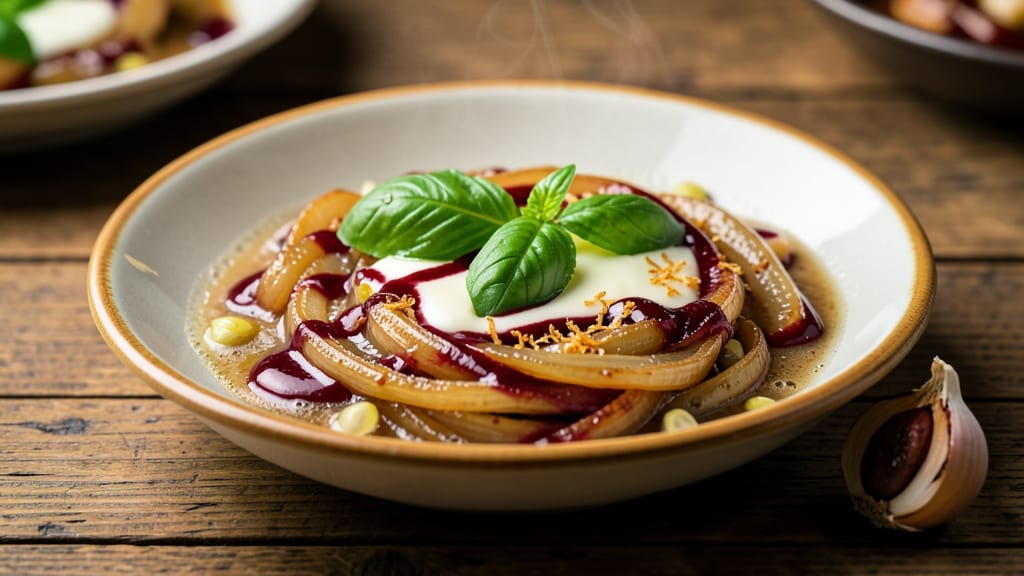
This artisan sauce recipe transforms simple ingredients into a flavor-packed condiment that elevates any dish from ordinary to extraordinary. The secret lies in balancing fresh herbs, aromatic spices, and a touch of acidity—creating a sauce that’s vibrant, versatile, and impossible to resist.
I developed this recipe after years of refining techniques to capture that restaurant-quality depth at home, without shortcuts or artificial flavors.
The foundation starts with a slow-reduction base—caramelized onions and garlic infuse the sauce with sweetness and complexity, while white wine or vinegar adds brightness. Fresh herbs like basil, parsley, and thyme are blended in at the end to preserve their bright, aromatic qualities, ensuring every spoonful bursts with freshness.
The texture is silky yet structured, clinging perfectly to proteins, grains, or vegetables.
What makes this sauce truly artisan is its adaptability. Use it as a dipping sauce for crusty bread, a glaze for grilled meats, or a finishing touch for roasted vegetables.
The recipe yields about 1½ cups, enough to generously coat a dish or store for up to 10 days in the refrigerator. Each batch delivers restaurant-worthy results, proving that homemade always tastes better.
For best results, let the sauce sit for 30 minutes before serving—this allows the flavors to meld and deepen. Pair it with grilled steak, roasted chicken, or even as a marinade for seafood. The possibilities are endless, and the difference between store-bought and homemade? Night and day.
Ingredients for artisan sauce
Caramelized onions, aromatic herbs, and a touch of acidity create this restaurant-quality artisan sauce.
| Ingredient | Amount | Notes |
|---|---|---|
| Yellow Onions 🧅 | 1 ½ lb | Thinly sliced, caramelized to deep gold |
| Garlic Cloves 🧄 | 6 cloves | Minced, not pressed, for aromatic depth |
| Extra-Virgin Olive Oil 🫒 | ¾ cup | High-quality, fruity, cold-pressed |
| Dry White Wine 🍷 | ½ cup | Sauvignon Blanc or Pinot Grigio preferred |
| Red Wine Vinegar 🍶 | ¼ cup | Substitute balsamic if unavailable |
| Fresh Basil Leaves 🌿 | ½ cup | Packed, stems removed, vibrant green |
| Fresh Flat-Leaf Parsley 🌿 | ¼ cup | Stems removed, finely chopped |
| Fresh Thyme Leaves 🌿 | 1 tbsp | Or 1 tsp dried thyme, finely chopped |
| Shallots 🧅 | 2 whole | Minced, for subtle sweetness |
| Diamond Crystal Kosher Salt 🧂 | 1 ½ tsp | Adjust to taste, not table salt |
The onions are the foundation—caramelizing them low and slow for at least 45 minutes builds the sauce's depth. Yellow onions work best, but red onions add subtle sweetness if you prefer. For professional results, use a heavy-bottomed saucepan and avoid stirring too frequently. Whole Foods or Trader Joe's carry pre-sliced onions if you're short on time, but fresh is always better. The garlic should be minced just before adding to preserve its freshness, and Penzeys or McCormick garlic powder is a decent backup if fresh isn't available.
White wine adds brightness, but dry vermouth or apple cider vinegar work in a pinch. The herbs must be fresh—dried basil or parsley lose their vibrancy. If you're missing thyme, oregano at half the amount gives a similar earthiness. For extra richness, stir in 1 tbsp unsalted butter at the end. The vinegar can be swapped for lemon juice if you prefer a citrus note, though red wine vinegar's tang is ideal. Always taste before blending to balance acidity and sweetness—this sauce should sing with complexity, not overwhelm.
Store in a clean, airtight glass jar in the refrigerator for up to 10 days. The flavors deepen overnight, so let it sit for at least 30 minutes before serving. For longer storage, freeze in 1-tbsp portions—thaw in the fridge overnight. This sauce clings beautifully to grilled meats, roasted vegetables, or crusty bread. If it thickens upon refrigeration, whisk in 1 tsp water or white wine to restore silky texture. The leftovers make an incredible marinade for seafood or chicken.
Why You'll Love This Recipe
- No Chopping Struggle: I swear by this sauce because you only need to dice one onion and mince a few garlic cloves—no fancy knife work, no tears. The onions caramelize slowly in that golden olive oil, and by the time you’ve poured in the wine, you’re basically done.
- Wine-Infused Magic: That splash of dry white wine? It’s not just flavor—it’s transformation. The acidity from the red wine vinegar cuts through the richness, while the wine’s brightness lingers like a secret hug. Honestly, it’s the kind of sauce that makes you pause mid-bite.
- Dresses Up Anything: Slather it on grilled chicken, drizzle it over roasted veggies, or toss it with pasta—it’s my go-to for weeknight dinners and fancy-ish gatherings. (Yes, even on a Tuesday night.) The balance of sweet, tangy, and savory works everywhere.
- Leftovers That Won’t Let You Down: This sauce actually improves the next day—thicker, deeper, and still packed with flavor. I make a double batch every time because it’s cheap to stretch (thanks to pantry staples) and disappears faster than I can say “second helping.”
Step-by-step instructions for artisan sauce recipe
Transform simple ingredients into a sophisticated sauce with layers of caramelized depth and bright herb notes.
Caramelize the Onions and Shallots
Heat the 0.75 cup extra-virgin olive oil in a heavy-bottomed saucepan over medium-low heat. Add the 1.5 lb thinly sliced yellow onions and 2 whole minced shallots, stirring occasionally. The key here is patience—caramelization takes 30-40 minutes until the onions turn a deep golden color and smell intensely sweet.
I like to press the onions down gently with a wooden spoon during the first 15 minutes to ensure even contact with the pan. This prevents them from sticking and promotes consistent browning. You'll know they're ready when they're soft enough to mash between your fingers and release their natural sugars into the oil.
Build Flavor with Aromatics
Once the onions are caramelized, increase heat to medium and add the 6 cloves minced garlic. Cook for 1-2 minutes until fragrant but not browned—garlic burns quickly, and you want to preserve its bright, sweet aroma rather than bitter notes.
Next, pour in the 0.5 cup dry white wine and scrape up any browned bits from the bottom of the pan. This deglazing step captures all those concentrated onion flavors that would otherwise go to waste. Let the wine simmer for 3-4 minutes until reduced by half, intensifying its acidity and depth.
Balance with Vinegar and Season
Reduce heat to low and stir in the 0.25 cup red wine vinegar and 1.5 tsp diamond crystal kosher salt. The vinegar cuts through the richness of the caramelized onions and brightens the overall flavor profile. Taste at this stage—you should notice a harmonious balance between sweet, tangy, and savory elements.
If the sauce seems too thick, add 1-2 tablespoons of water to loosen it slightly. The texture should be smooth but still coat the back of a spoon. This is the foundation of your sauce, so take your time adjusting the seasoning now rather than fixing it later.
Incorporate Fresh Herbs
Remove the saucepan from heat and stir in the 0.5 cup packed fresh basil leaves, 0.25 cup chopped flat-leaf parsley, and 1 tbsp fresh thyme leaves. The herbs should be added off the heat to preserve their vibrant flavors and prevent them from wilting or turning bitter.
Gently pulse the mixture with an immersion blender until just combined—you want to break down the herbs slightly for even distribution without turning the sauce into a puree. Alternatively, use a regular blender and immediately return the sauce to the pan. The result should be a sauce with visible herb flecks that add both texture and freshness.
Rest and Refine the Sauce
Return the sauce to low heat and let it simmer gently for 5-7 minutes. This final step allows the flavors to meld completely and any remaining moisture to evaporate, resulting in a sauce with perfect consistency. Taste again and adjust seasoning if needed—this is your last chance to refine the balance.
For the best results, let the sauce rest off the heat for 10 minutes before serving. This resting period allows the flavors to settle and the sauce to reach its ideal texture. Serve immediately over pasta, drizzled over grilled meats, or paired with crusty bread to highlight its complex, layered profile.
Pro Tips For Making Artisan Sauce
- Sweat the Onions Slow: I learned this the hard way—rushing the onions turns your sauce bitter. Use medium-low heat and let them melt into a golden paste, not brown. Cover the pan for the first 5 minutes to speed it up without burning.
- Crush the Garlic: Whole cloves burn before they infuse. Mince the garlic finely or smash it with the flat of your knife before adding it to the oil. This guarantees flavor without bitterness.
- Deglaze with Wine First: Pour in the white wine before the vinegar—it softens the acidity and adds depth. Let it simmer for 30 seconds to cook off the alcohol before adding vinegar, or you’ll end up with a sharp, underdeveloped sauce.
- Finish with Cold Vinegar: Red wine vinegar should go in last, straight from the fridge. It balances the richness without overpowering, and the cold temperature stops the cooking process cleanly. (Yes, even if you’re impatient like me.)
Flavor customization for this dish
Sweet & Tangy Twist
Swap the red wine vinegar for 2 tbsp honey plus 1 tbsp lemon juice to create a caramelized, sweet-tangy sauce. The honey deepens the caramelization while the lemon brightens it—perfect for glazing grilled pork or drizzling over roasted carrots.
I like using local raw honey for floral notes that complement the herbs beautifully. 🍯
Spicy Kick Option
Add 1 tsp red pepper flakes or 1 chopped fresh chili (like jalapeño) when incorporating the herbs. For extra heat, simmer the sauce with the peppers for 2-3 minutes before blending.
This works wonderfully with seafood or spicy dishes like shrimp tacos. If you prefer smoky heat, substitute ½ tsp smoked paprika instead. 🌶️
Creamy Herb Variation
Stir in ¼ cup heavy cream or Greek yogurt at the end for a velvety texture. This version pairs exceptionally with grilled lamb or as a dip for pita bread.
For a lighter option, use unsweetened almond milk—just reduce it by half first to maintain thickness. The creaminess balances the acidity beautifully. 🥛
Umami Boost
Enhance depth with 1 tbsp soy sauce or 1 tsp fish sauce when adding the vinegar. These ingredients add a savory richness that elevates the sauce for Asian-inspired dishes.
For a vegetarian option, use 1 tbsp mushroom powder or 1 tsp miso paste instead. The umami layers make this sauce perfect for marinades or dipping. 🍜
Citrus Herb Fusion
Zest 1 orange and add the zest along with the herbs. The citrus brightens the sauce while the juice (about 2 tbsp) replaces the vinegar. This variation shines with roasted chicken or as a marinade for fish. For extra freshness, add 1 tbsp chopped cilantro at the end. 🍊
Nutty Crunch Finish
Top with 1 tbsp toasted pine nuts or walnuts just before serving. The nuts add crunch and a buttery richness that contrasts the silky sauce. For a sweeter touch, use hazelnuts—toast them in the same pan as the onions for maximum flavor.
This works beautifully with grilled vegetables or as a pasta topping. 🌰
Nutrition facts
Frequently asked questions
Can I make this artisan sauce without white wine?
Substitute the 0.5 cup dry white wine with 0.5 cup apple cider vinegar or 0.5 cup chicken stock for depth. For a sweeter option, use 0.5 cup orange juice—just reduce the vinegar to 0.125 cup to balance acidity. The key is maintaining the same liquid volume to achieve the right consistency.
How do I prevent the sauce from getting too thick?
If your sauce thickens too much, whisk in 1-2 tablespoons of water, white wine, or broth while reheating. For prevention, don't over-reduce the wine in Step 2—stop when it's reduced by half, not completely evaporated. The caramelized onions already provide richness, so err on the side of slightly thinner sauce that you can adjust later.
What's the best way to store leftovers?
Transfer to an airtight glass jar and refrigerate for up to 10 days. The flavors actually improve overnight! For longer storage, freeze in 1-tbsp portions—thaw in the fridge for 12 hours before using. Avoid plastic containers as they can absorb odors. The sauce may thicken when chilled; stir in 1 tsp water to restore smooth texture.
Can I use dried herbs instead of fresh?
Fresh herbs are ideal for vibrant flavor, but you can substitute with 1 tsp dried basil, 1 tsp dried parsley, and ½ tsp dried thyme. Add them with the vinegar in Step 3 and simmer for 5 extra minutes to release their oils. For best results, crush dried herbs between your palms before adding. The texture will be slightly less fresh but still delicious.
How can I use this sauce beyond just drizzling?
This versatile sauce works as a marinade (reduce by half first), pasta sauce (simmer with 1 cup pasta water), or dipping sauce. Use it to glaze grilled meats, deglaze pans after searing, or mix into salad dressings. For extra richness, stir in 1 tbsp butter before serving. The possibilities are endless—think beyond just the surface!