
Sauces & Condiments
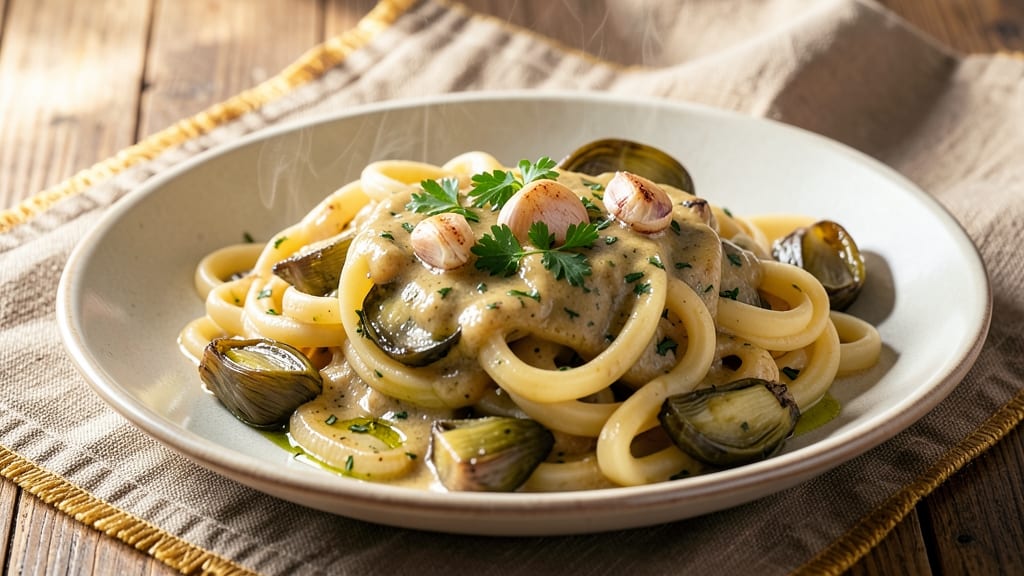
This artichoke pasta sauce recipe transforms humble artichoke hearts into a velvety, herb-infused sauce that elevates any dish. The secret lies in blending tender artichokes with garlic, olive oil, and a touch of cream for a balance of earthy depth and creamy richness.
Perfect for drizzling over pasta or using as a dip, this sauce delivers restaurant-quality flavor with minimal effort.
The foundation of this recipe is simple yet transformative: artichoke hearts simmered until tender, then blended with aromatic garlic, fresh herbs, and a splash of cream. This combination creates a sauce that's both luxurious and approachable, with a texture that clings beautifully to pasta.
The key is patience—allowing the flavors to meld during the simmering process ensures a cohesive, well-rounded taste.
What sets this sauce apart is its versatility. Use it as a rich topping for fettuccine, a flavorful dip for crusty bread, or even a marinade for grilled vegetables.
The creamy yet slightly chunky texture adds a satisfying contrast to each bite, while the artichokes bring a subtle bitterness that balances the richness. It’s the kind of sauce that turns a simple meal into something memorable.
With just a handful of ingredients and a straightforward method, you’ll create a sauce that’s as impressive as it is delicious. The best part? It comes together in under 30 minutes, making it ideal for weeknight dinners or weekend entertaining. Let’s get started on this herb-infused masterpiece.
Ingredients for artichoke pasta sauce
Transform artichoke hearts into a velvety sauce with these carefully chosen ingredients.
| Ingredient | Amount | Notes |
|---|---|---|
| Marinated Artichoke Hearts 🍃 | 14 oz | Drained and quartered, jarred or canned |
| Extra-Virgin Olive Oil 🫒 | ½ cup | High-quality, fruity variety preferred |
| Garlic Cloves 🧄 | 4 cloves | Peeled and lightly crushed |
| Shallots 🧅 | 2 whole | Thinly sliced, about 2 tbsp total |
| Heavy Cream 🥛 | ½ cup | Full-fat for optimal richness |
| Fresh Parsley 🌿 | ¼ cup | Stems removed, loosely packed |
| Fresh Thyme Leaves 🌿 | 1 tbsp | Or 1 tsp dried thyme |
| Lemon Juice 🍋 | 1 tbsp | Freshly squeezed |
| Diamond Crystal Kosher Salt 🧂 | ½ tsp | Adjust to taste |
| Freshly Ground Black Pepper 🌶️ | ¼ tsp | Freshly cracked preferred |
The quality of your artichoke hearts makes all the difference. Trader Joe's or Whole Foods carry excellent jarred options—look for hearts that are plump and retain their vibrant green color. The extra-virgin olive oil should have a peppery finish and robust flavor; California Olive Ranch or Colavita are reliable choices. Fresh herbs elevate the sauce significantly, so invest in bright green parsley and thyme from the grocery store's produce section. If using dried thyme, measure carefully—it's more potent than fresh. The shallots add a delicate sweetness, so don't skip them unless you're in a rush.
No artichoke hearts? Sun-dried tomatoes packed in oil can mimic the umami depth, though the texture will differ. Short on heavy cream? Full-fat coconut milk works surprisingly well, though the flavor profile shifts slightly. Fresh herbs unavailable? Dried oregano or basil at half the amount will suffice, though the sauce will lack vibrancy. The lemon juice is crucial for brightness—bottled lemon juice works in a pinch, but fresh is always superior. For a lighter version, reduce the cream by half and add an extra splash of water or vegetable broth to maintain the sauce's consistency.
This sauce freezes beautifully for up to 3 months, making it ideal for meal prep. Store it in an airtight container with a thin layer of olive oil on top to preserve freshness. Reheat gently on the stove, stirring frequently to prevent separation. For best results, use within 5 days of making it fresh. The sauce thickens as it cools, so adjust with a splash of warm water or milk if needed. Portion into ice cube trays for convenient single-serving additions to future meals.
Why You'll Love This Recipe
- Pantry-to-Plate Magic: I swear by this sauce because it turns five ingredients into something restaurant-worthy—no fancy prep, just chop, sauté, and stir. The marinated artichokes do half the work for you, so you’re basically cheating.
- Creamy-Garlicky Bliss: That first bite? Rich, tangy, and bright all at once—the heavy cream smooths out the artichokes’ briny punch while the shallots and garlic add this addictive depth. It’s the kind of flavor that makes you pause mid-bite.
- Weeknight or Dinner Party: Same recipe, totally different vibes: toss it with spaghetti for a 20-minute weeknight meal, or drizzle it over grilled chicken for a fancy-ish dinner. Honestly, I’ve even used it as a pizza sauce—don’t judge.
- Leftovers That Don’t Suck: This sauce actually tastes better the next day. Store it in the fridge, reheat it gently, and suddenly you’ve got a no-stress lunch for three days. Plus, the heavy cream keeps it luscious without curdling.
Step-by-step instructions for herb-infused artichoke pasta sauce
This method transforms simple jarred artichokes into a restaurant-worthy sauce with balanced richness and bright herbaceousness.
Sauté Shallots and Garlic Until Translucent
Heat the 0.5 cup extra-virgin olive oil in a medium saucepan over medium-low heat. Add the 2 whole shallots and cook for 5-6 minutes, stirring occasionally, until they become soft and translucent at the edges. This gentle cooking prevents bitterness and develops their natural sweetness.
Add the 4 cloves garlic cloves and cook for another 30-45 seconds until fragrant but not browned. Watch closely—garlic burns quickly at this stage. Remove the pan from heat immediately after the garlic aroma fills the kitchen. This aromatic foundation will carry through the entire sauce.
Add Artichokes and Simmer Until Tender
Return the pan to medium heat and add the 14 oz marinated artichoke hearts, drained and quartered. Stir to combine with the shallot-garlic mixture. Let the artichokes warm through for 2-3 minutes before adding 1 tablespoon lemon juice and 1 tablespoon fresh thyme leaves.
Simmer uncovered for 8-10 minutes until the artichokes are tender and the mixture reduces slightly. You'll notice the sauce thicken and develop a deeper, earthier flavor. The lemon juice brightens the dish while preventing the cream from overpowering the artichoke's natural taste.
Incorporate Cream and Season to Perfection
Reduce heat to low and gradually whisk in the 0.5 cup heavy cream. The sauce will thicken immediately—this is normal. Stir constantly for 2-3 minutes until the cream is fully incorporated and the sauce reaches a velvety consistency. Avoid boiling the cream to prevent curdling.
Season with the 0.5 tsp diamond crystal kosher salt and 0.25 tsp freshly ground black pepper. Taste and adjust seasoning—you may need slightly more salt to balance the acidity from the lemon. The sauce should be rich but not overly heavy, with the artichokes' subtle bitterness perfectly complemented by the cream's smoothness.
Finish with Fresh Herbs and Emulsify
Remove the sauce from heat and stir in the 0.25 cup fresh parsley. The parsley adds freshness and visual appeal. For a silky texture, use an immersion blender to gently purée the sauce until smooth, or carefully transfer to a blender and pulse briefly. This step ensures a velvety finish without losing the artichokes' natural texture.
Return the sauce to the pan and warm through for 1-2 minutes over low heat. The sauce should coat the back of a spoon and maintain its creamy consistency. Serve immediately over al dente pasta, reserving some pasta water to adjust thickness if needed. The bright herbs and creamy texture make this sauce ideal for spring or summer meals.
Pro Tips For Making Artichoke Pasta Sauce
- Drain and Pat Dry: Those jarred artichoke hearts come swimming in oil and brine—skip the rinse, but pat them dry with a paper towel before cooking. Moisture in the pan will make your sauce watery, and you’ll end up chasing consistency instead of flavor. Trust me, the extra 30 seconds saves you from a sad, thin sauce later.
- Sweat Shallots Low: Shallots in olive oil at high heat turn bitter faster than you’d think. Keep the heat low and let them cook for 5-6 minutes until soft and translucent—no browning, just mellow sweetness. I used to rush this, and the sauce always tasted sharp and underdeveloped.
- Chop Garlic Fine: Whole garlic cloves in this sauce? No. Mince them very fine—almost like a paste—so they melt into the cream without leaving chewy bits. If you’re lazy, pulse them in a food processor for 10 seconds. The texture of the sauce depends on this step more than you’d expect.
- Balance Cream with Acid: Heavy cream alone makes this sauce rich and heavy. Brighten it with a splash of lemon juice (1 tsp) or a pinch of red pepper flakes—just enough to cut the richness and wake up the artichokes. I learned this after a dinner where the sauce felt too one-note; it’s the thing that matters most.
Creative variations of this artichoke pasta sauce
Spicy Mediterranean Twist
Add 1 tbsp Calabrian chili paste when simmering the artichokes to introduce a smoky, fiery kick. Pair with ½ tsp smoked paprika and 1 tsp capers for a briny, spicy contrast.
The heat balances the creaminess beautifully while keeping the Mediterranean vibe. I like to finish with a sprinkle of crumbled feta for tangy brightness. 🌶️
Creamy Lemon-Garlic Upgrade
Boost the brightness by adding 2 tbsp fresh lemon zest when incorporating the cream. This creates a zesty, aromatic sauce that pairs perfectly with linguine or fettuccine.
For extra depth, infuse the olive oil with 2 minced garlic cloves and 1 tsp lemon zest for 10 minutes before using it in the recipe. The flavor infusion elevates the entire dish. 🍋
Vegetarian Protein Boost
Turn this sauce into a hearty meal by stirring in 1 cup cooked white beans (like cannellini) or ½ cup crumbled goat cheese at the end. For a meaty texture, add ½ cup chopped mushrooms sautéed with the shallots.
These additions make it a complete vegetarian dish while keeping the artichoke flavor front and center. 💛
Herb-Focused Variations
Swap out the parsley for ½ cup fresh basil or dill for a completely different flavor profile. Basil adds a sweet, slightly peppery note, while dill brings a bright, citrusy freshness.
I recommend using ½ cup fresh herbs total to maintain balance. For a Mediterranean touch, add 1 tsp dried oregano with the thyme. 🌿
Dairy-Free Adaptation
Replace the heavy cream with ½ cup full-fat coconut milk or ¼ cup cashew cream for a rich, dairy-free version. To maintain creaminess, add 1 tbsp nutritional yeast for a cheesy flavor. The sauce will have a slightly different texture but still delivers on depth and richness. 🥥
Spring Garden Version
Incorporate fresh spring vegetables like ¼ cup diced asparagus tips or 2 tbsp chopped peas when simmering the artichokes. These additions bring vibrant color and a touch of sweetness.
For extra freshness, finish with 1 tbsp chopped chives or green onions. This version is perfect for celebrating seasonal produce. 🌱
Nutrition facts
Frequently asked questions
Can I use fresh artichokes instead of jarred hearts?
Yes, but you'll need to prepare them first! Trim off the tough outer leaves, then steam or boil the artichokes for 20-25 minutes until tender. Remove the choke (fuzzy center) and chop the flesh into ½-inch pieces before using in the recipe. Fresh artichokes have a more delicate flavor but require extra prep time.
How do I adjust the thickness of this sauce?
If the sauce is too thick, thin it with 1-2 tablespoons warm water, milk, or pasta water while stirring. For a thicker consistency, simmer uncovered for 3-5 extra minutes to reduce the liquid. The sauce should coat the back of a spoon but remain smooth and pourable.
What's the best pasta shape to pair with this sauce?
This creamy sauce works beautifully with wide, flat pasta shapes like fettuccine, pappardelle, or tagliatelle to maximize surface area for sauce clinging. For extra texture, try penne or rigatoni—the ridges help hold the sauce in place. Avoid thin strands like spaghetti unless you prefer a lighter sauce-to-pasta ratio.
Can I make this sauce ahead of time?
This sauce freezes perfectly for up to 3 months. Store in an airtight container with a layer of olive oil on top to preserve freshness. Reheat gently on the stove, stirring frequently. For best results, use within 5 days in the fridge—it thickens as it cools, so thin with a splash of warm water if needed.
What if I don't have heavy cream?
No problem! Substitute with ½ cup whole milk + 1 tbsp butter for a lighter version, or use ½ cup Greek yogurt for tangy depth. For a dairy-free option, try ½ cup coconut cream or ¼ cup cashew cream. The sauce will still be rich, though the texture may vary slightly.