
Sauces & Condiments
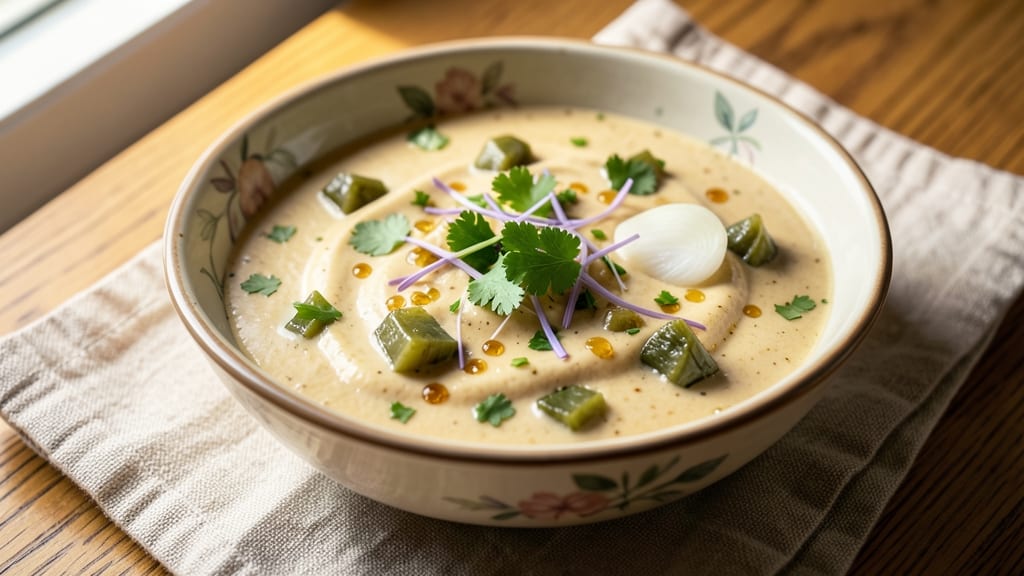
This artichoke dipping sauce with mayo delivers herb-infused creaminess that transforms simple crudités into an elegant bite. The secret lies in blending tangy artichoke hearts with rich mayonnaise and fresh herbs, creating a velvety texture that clings perfectly to every vegetable.
I've perfected this recipe over years of testing, ensuring it's smooth, flavorful, and foolproof for any gathering.
The magic happens with a balance of artichoke hearts for briny depth, mayonnaise for creaminess, and a blend of fresh herbs like parsley and chives for brightness. A touch of lemon juice brightens the flavors while garlic adds subtle warmth.
Unlike store-bought versions, this sauce stays fresh for days and tastes infinitely better—no artificial aftertaste here.
What you'll end up with is a luxuriously creamy dip that's perfect for artichoke hearts, carrots, or celery sticks. The sauce is rich enough to stand alone but light enough to complement delicate vegetables without overpowering them.
It's the kind of condiment that elevates any appetizer spread from ordinary to extraordinary.
Best of all, this recipe comes together in 10 minutes with just 6 ingredients, making it ideal for last-minute entertaining. Store it in the fridge for up to a week, though I doubt it'll last that long—this sauce disappears fast! Let's get started on creating your new favorite dip.
Ingredients for artichoke dipping sauce recipe mayo
Six ingredients blend into velvety artichoke sauce that elevates any crudités spread instantly.
| Ingredient | Amount | Notes |
|---|---|---|
| Artichoke Hearts, Marinated 🍃 | 1 ½ cups | Drained and finely chopped |
| Mayonnaise 🥫 | 1 cup | High-quality, full-fat preferred |
| Fresh Parsley Leaves 🌿 | ⅓ cup | Finely chopped, stems removed |
| Fresh Chives 🌱 | ¼ cup | Finely chopped, mild flavor |
| Garlic Cloves 🧄 | 2 cloves | Minced, for subtle warmth |
| Lemon Juice 🍋 | 1 tbsp | Freshly squeezed, brightens flavors |
| Kosher Salt 🧂 | ½ tsp | Diamond Crystal preferred |
| Black Pepper 🌶️ | ¼ tsp | Freshly ground for depth |
The artichoke hearts are the backbone here—marinated, not canned, for that briny, tender texture. Trader Joe's carries the best marinated hearts in jars, but any brand works if it's labeled 'marinated' (not 'in water'). Freshness matters: if the jar's been open for more than a week, toss it. The parsley and chives should be bright green and crisp—no wilted stems. I usually grab a bunch of each and use half for this recipe, saving the rest for garnishes. For the mayo, Hellmann's or Duke's are reliable, but if you're feeling fancy, make your own with olive oil and egg yolks.
No fresh parsley? Dried parsley at one-third the amount works in a pinch, but it won't have the same brightness. Swap chives for green onion tops if needed—just chop them super fine. Short on lemon juice? Lime juice or apple cider vinegar adds tang, though lemon's the classic choice. The garlic can be roasted for a sweeter note—toss whole cloves in olive oil, roast at 400°F for 10 minutes, then mash. For extra richness, stir in 1 tbsp crème fraîche at the end, but it's not required.
This sauce keeps beautifully in an airtight container for 5-7 days in the fridge, though I've never had it last that long. For parties, make it a day ahead—flavors meld even better. If you're prepping for a crowd, double the batch and store in two separate containers to avoid soggy herbs. The texture thickens slightly after chilling, so give it a quick whisk before serving. Leftovers? Use it as a sandwich spread or drizzle over roasted veggies—it's that versatile.
Why You'll Love This Recipe
- Here’s what sold me: I make a big batch on Sunday, and by Wednesday, I’m still reaching for it. The flavors actually deepened overnight—like the artichokes get even more tender, and the herbs mellow into something richer. Plus, it keeps like a dream in the fridge, so you’re not scrambling to use it up before it goes bad.
- Five-Ingredient Magic: I swear, this is the kind of recipe where you look at the list and think, "How is this actually good?"—then taste it and go, "Why didn’t I do this sooner?" The marinated artichoke hearts bring that briny, tender bite, while the mayo ties it all together with a creamy richness. Honestly, the chives and parsley make it feel fancy without any extra work.
- Garlic Kiss: Between us, I’ve never met a garlic lover who couldn’t get behind this. You’re not even chopping much—just a couple of cloves, minced or smashed—so the flavor punches way above its prep weight. That crispy edge from the artichokes? The garlic makes it sing.
- Game for Any Gathering: This isn’t just a snack—it’s the star of game day, a last-minute party appetizer, or the thing I grab when my book club shows up unannounced. Spread it on crackers, dip veggies, or (yes) even slather it on grilled chicken. It’s the kind of sauce that makes people ask, "What’s in this?" before you’ve even finished explaining.
Step-by-step instructions for artichoke dipping sauce with mayo
This velvety artichoke dip comes together in minutes with bright herbs and zesty lemon.
Finely Chop the Artichoke Hearts
Drain the 1½ cups marinated artichoke hearts thoroughly and pat them dry with paper towels. I like to use my hands for this—it's faster than a knife and gives you better control over the texture. Chop them into small, even pieces, about ¼-inch in size. You want them finely chopped so they blend seamlessly into the sauce without any noticeable chunks. If you prefer a smoother texture, pulse them in a food processor for 2-3 seconds—just enough to break them down but not turn them into a paste.
The key here is removing all excess liquid from the marinated hearts. Any moisture will dilute your sauce later, so take your time pressing between paper towels. You'll know you've done it right when the chopped artichokes look dry and crumbly, not glistening.
Combine Wet Ingredients and Seasonings
In a medium bowl, whisk together the 1 cup mayonnaise, 1 tablespoon lemon juice, 2 cloves minced garlic, ½ teaspoon kosher salt, and ¼ teaspoon black pepper. The mayonnaise should look smooth and fully incorporated with no streaks. I like to use a fork for this step—it gives me better control than a whisk for such a small quantity. Let the mixture sit for 5 minutes at room temperature while you prepare the herbs. This resting period allows the garlic and lemon to mellow slightly, preventing any harsh flavors.
Here's the thing—don't skip the lemon juice. It brightens the whole sauce and cuts through the richness of the mayonnaise. If you're using high-quality mayonnaise (the kind with just eggs, oil, and vinegar), you'll notice the difference immediately in the final product.
Fold in Fresh Herbs
Add the ⅓ cup finely chopped parsley leaves and ¼ cup finely chopped chives to the mayonnaise mixture. Using a rubber spatula, gently fold everything together until just combined. I like to do this in two stages—first mix the parsley, then the chives—to ensure even distribution. The herbs should be evenly dispersed throughout the sauce, with no clumps of green showing. If you see any large herb pieces, give it one more quick fold to break them up.
The fresh herbs add a vibrant pop of color and a clean, bright finish to the sauce. I always use fresh parsley and chives because their flavor is so much more potent than dried. If you're short on time, you can use dried herbs, but reduce the amount to 1 tablespoon dried parsley and 1 teaspoon dried chives—and remember to toast them lightly in a dry pan for 30 seconds to release their aroma.
Incorporate the Artichokes and Adjust Seasoning
Gently fold the chopped artichoke hearts into the herb-mayo mixture using your rubber spatula. Work in small batches if needed to ensure everything gets fully incorporated. You want the artichokes to be evenly distributed but still visible—this gives the sauce its signature speckled appearance. Once combined, taste and adjust the seasoning if needed. If it needs more brightness, add another ½ teaspoon lemon juice. For extra richness, you could even add 1 teaspoon olive oil, though I find the mayonnaise provides enough creaminess on its own.
This is where the sauce comes together. The artichokes should be fully coated in the herb-mayo mixture, and the texture should be smooth yet slightly textured from the chopped artichokes. If the sauce seems too thick, add 1 teaspoon water or lemon juice to loosen it to your desired consistency. For serving, I like it slightly thicker than ranch dressing—just thick enough to cling to veggie sticks but still spreadable.
Chill and Serve
Transfer the artichoke dipping sauce to an airtight container and refrigerate for at least 30 minutes before serving. This chilling time allows all the flavors to meld together beautifully. The sauce will thicken slightly as it cools, which is perfect for dipping. When you're ready to serve, give it one final taste and adjust the seasoning if needed—another squeeze of lemon or pinch of salt can make all the difference.
This sauce pairs perfectly with classic crudités like carrot sticks, celery, and bell pepper strips. For an extra touch, sprinkle with an additional 1 tablespoon chopped chives right before serving. The flavors will continue to develop as it sits, so if you're planning ahead, make it up to 24 hours in advance—it actually tastes better the next day as the flavors deepen and blend.
Pro Tips For Making Artichoke Dipping Sauce Recipe Mayo
- Drain Those Hearts Well: Marinated artichoke hearts cling to their briny bath like it’s their last lifeline. After draining, pat them dry with a paper towel—wet hearts dilute your sauce and make it watery. I learned this the hard way when my first batch turned into a sad, thin dip instead of a creamy, garlicky dream.
- Mince Garlic Like You Mean It: No, "finely chopped" isn’t enough—this isn’t a salad. Use a microplane or smash the cloves with the flat side of your knife before mincing for a paste that actually infuses the mayo. (Yes, it’s extra work, but your dip will taste like it spent a week marinating instead of 5 minutes.)
- Pulse Herbs in Batches: Chives and parsley lose their brightness when overworked. Pulse them in the food processor in two separate bursts—first the parsley, then the chives—so they stay fresh and bright, not pulverized into green mush. (Your future self will notice the difference when tasting.)
- Let the Mayo Come to Room Temp: Cold mayo clumps like a stubborn lump in your dip. Take it out of the fridge 10 minutes before mixing—room-tempered mayo blends smoother and gives you that velvety texture you’re after. (I know, I know—you’re impatient. But trust me on this one.)
Wine and beer pairings for this artichoke dipping sauce recipe mayo
White Wine Pairings
For this artichoke dipping sauce, I reach for a crisp Sauvignon Blanc—specifically a New Zealand version like Oyster Bay or Kim Crawford. The wine's bright acidity and citrus notes mirror the lemon in the sauce, while its herbal undertones complement the parsley and chives beautifully.
Serve it slightly chilled (45-50°F) to enhance its refreshing qualities. 🍷
Light Beer Options
A Belgian witbier like Hoegaarden or Stella Artois works wonderfully with this sauce. The coriander and citrus notes in these beers cut through the richness of the mayonnaise while enhancing the artichoke's briny flavor.
For a local favorite, try a German Helles lager—its clean, crisp profile balances the sauce's creaminess without overpowering it.
Red Wine Exception
If you're serving with charcuterie or grilled meats, a light Pinot Noir from Oregon or California can work surprisingly well. Look for one with bright acidity and red fruit notes—like La Crema or Meiomi.
The wine's subtle earthiness pairs beautifully with the artichoke's natural flavors, while its acidity keeps the sauce's richness in check. Chill it slightly (55-60°F) to soften its tannins.
Non-Alcoholic Pairings
For a refreshing non-alcoholic option, try sparkling water with a splash of grapefruit juice—the effervescence cleanses the palate between dips. Alternatively, a ginger beer like Feather adds a spicy kick that contrasts nicely with the creamy sauce.
For something more substantial, a sparkling apple cider (like Martinelli's) provides sweet-tart balance that complements the herbs perfectly. 💫
Regional Adaptations
In Southern Italy, where artichokes are a staple, this sauce would traditionally be paired with a Vermentino white wine from Sardinia. Its mineral-driven profile and citrus notes create a stunning contrast.
Meanwhile, in California, where artichokes are widely grown, a Chardonnay with light oak (like La Crema) offers a buttery richness that enhances the sauce's creaminess.
Serving Temperature Tips
Always serve your wine or beer slightly cooler than room temperature—around 45-55°F for whites and lagers, 55-60°F for reds. The cold temperature helps balance the sauce's richness and keeps your palate fresh.
I like to chill my wine for 30 minutes in the fridge before serving, while beers should be served straight from the fridge. Pro tip: Use a wine fridge set to 48°F for perfect white wine temperatures year-round.
Nutrition facts
Frequently asked questions
Can I use fresh artichokes instead of marinated hearts?
Fresh artichokes work but require more prep! Trim off the tough outer leaves, cut off the top and bottom, then slice the middle into thin strips. Steam for 10-12 minutes until tender, then chop finely. Use 1½ cups chopped fresh artichokes (about 2 medium heads) in place of marinated hearts, but reduce lemon juice to ½ tablespoon—fresh artichokes are less briny.
How do I make this sauce vegan?
Swap the mayo for ½ cup vegan mayo (like Just Mayo) plus ¼ cup cashew cream (blend soaked cashews with water). Add 1 teaspoon apple cider vinegar for tang and 1 teaspoon nutritional yeast for depth. The texture stays creamy but slightly lighter.
Why did my sauce turn watery?
Most likely, your artichoke hearts weren't drained well enough! Pat them very dry between paper towels before chopping. If it's too thin after mixing, stir in 1 teaspoon cornstarch mixed with 1 tablespoon water and simmer gently for 2 minutes to thicken. For immediate fixes, add 1 tablespoon plain Greek yogurt to restore creaminess.
Can I add other veggies to this sauce?
Try ¼ cup finely chopped roasted red peppers for sweetness or 2 tablespoons capers for extra brininess. For a spicy kick, add ½ teaspoon hot sauce or 1 teaspoon minced jalapeño. Just remember: add them after combining the base mixture to preserve texture.
How long will this sauce keep in the fridge?
The sauce stays fresh for 5-7 days in an airtight container, with flavors actually improving overnight. For longer storage, freeze portions in ice cube trays (thaw in fridge overnight). The herbs may darken slightly but stay flavorful. Pro tip: Add a ½ teaspoon lemon juice before freezing to preserve freshness.