
Sauces & Condiments
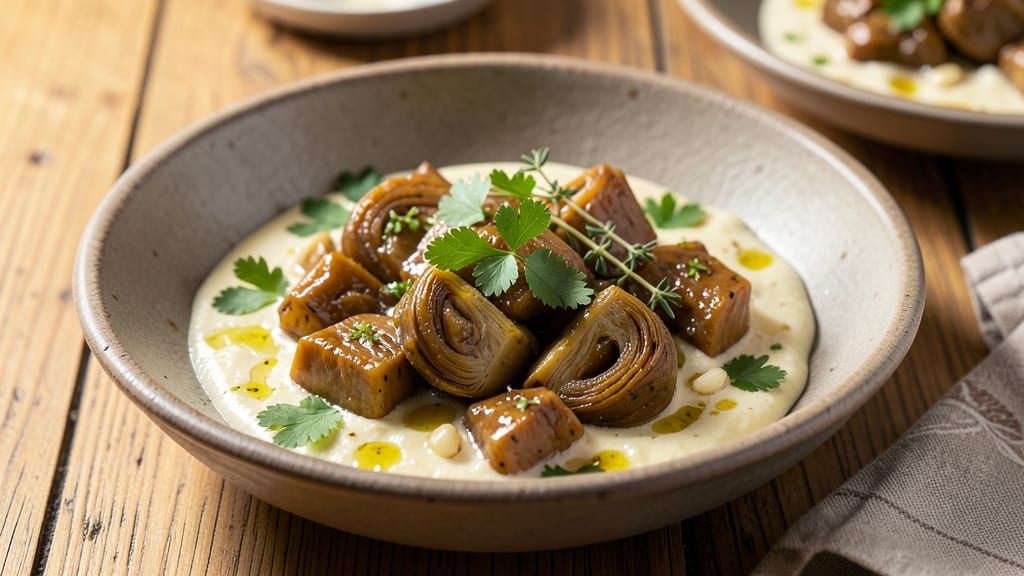
This artichoke butter dipping sauce recipe transforms simple ingredients into a velvety, herb-infused spread that elevates every bite. The combination of creamy butter, tangy artichoke hearts, and fresh herbs creates a rich, flavorful sauce perfect for dipping, drizzling, or spreading.
I developed this recipe after craving something luxurious yet easy to prepare—something that could turn ordinary bread or vegetables into an extraordinary experience.
The secret lies in blending softened butter with finely chopped artichoke hearts, garlic, and a mix of fresh herbs like parsley and thyme. A touch of lemon zest brightens the flavors, while a pinch of salt and pepper balances the richness.
The sauce is smooth, spreadable, and packed with umami depth, making it ideal for pairing with crusty bread, roasted vegetables, or even grilled seafood.
What makes this sauce truly special is its versatility—it’s equally at home as a dip for fresh veggies, a topping for baked potatoes, or a finishing touch for grilled meats.
The texture is creamy yet light, ensuring it doesn’t overpower the dishes it accompanies. Best of all, it comes together in just 10 minutes, with no cooking required.
Once you try this artichoke butter sauce, you’ll never reach for store-bought again. The blend of artichoke’s natural tang and the richness of butter creates a harmony that’s impossible to resist. Whether you’re hosting a gathering or simply craving something indulgent, this sauce delivers restaurant-quality flavor with minimal effort.
Ingredients for artichoke butter dipping sauce
Nine simple ingredients blend into a luxurious, restaurant-worthy sauce that transforms any bite.
| Ingredient | Amount | Notes |
|---|---|---|
| Unsalted Butter 🧈 | ¾ cup | Softened to room temperature |
| Marinated Artichoke Hearts 🌿 | 1 cup | Chopped finely, drained well |
| Fresh Parsley 🌿 | ¼ cup | Finely chopped, stems removed |
| Fresh Thyme Leaves 🌿 | 1 tbsp | Finely chopped, stems removed |
| Garlic Cloves 🧄 | 3 cloves | Minced finely, room temperature |
| Lemon Zest 🍋 | 1 tsp | From organic lemon |
| Diamond Crystal Kosher Salt 🧂 | ½ tsp | Adjust to taste |
| Freshly Ground Black Pepper 🌶️ | ¼ tsp | Freshly cracked |
| Extra-Virgin Olive Oil 🫒 | 1 tbsp | For thinning if needed |
The butter is the foundation—unsalted and softened for that perfect spreadable texture. European-style butter like Plugrá or Land O’Lakes has higher fat content, which gives a richer result. For artichoke hearts, marinated ones from a jar work perfectly—just drain them well and chop finely. Fresh herbs make all the difference here: flat-leaf parsley adds brightness, while thyme brings earthy depth. I always grab a small bunch of fresh thyme from Whole Foods or my local farmers market—it’s worth the extra few cents for that fresh flavor.
No fresh herbs? Dried parsley and thyme at one-third the amount will work in a pinch, though the texture won’t be as lush. Short on artichoke hearts? Sun-dried tomatoes chopped finely add a similar tangy richness. The lemon zest can be substituted with 1/2 teaspoon bottled lemon juice if you’re in a hurry, but fresh zest has that bright pop that’s hard to beat. For the garlic, roasted garlic adds a mellow sweetness if you prefer less punch. And if your sauce turns out too thick? Extra-virgin olive oil is your friend—just drizzle in slowly until it reaches that perfect spreadable consistency.
This sauce keeps beautifully in the fridge for about 5 days, sealed in an airtight container. For longer storage, portion into small jars and freeze for up to 3 months. I like to make a double batch—one for immediate use and one to freeze. When reheating, microwave in 15-second bursts to maintain that creamy texture. Perfect for dipping, drizzling, or spreading—just let it sit at room temperature for 5 minutes before serving so it’s spreadable from the start.
Why You'll Love This Recipe
- Here’s what sold me: this stuff improves overnight. The flavors meld, and the next day, it’s even richer. I keep a jar in the fridge for “emergency” snack attacks—because yes, it’s that good. And since it’s mostly butter and pantry staples, it’s cheap to boot.
- Five-Ingredient Magic: I swear by this combo—just butter, artichokes, garlic, and herbs. No fancy gadgets, no stress. The jarred artichokes do half the work for you, and the rest is stirring while you watch something good on TV.
- Crispy-Creamy Obsession: That contrast? Chef’s kiss. The artichokes stay tender while the butter gets golden around the edges—like a fancy appetizer that’s secretly your lazy night’s best friend. The thyme and parsley tie it all together with a bright, herby punch.
- Game for Any Occasion: Between us, this sauce is my secret weapon for game day, movie nights, or even a fancy dinner. Slather it on crusty bread, use it as a pasta finish, or just eat it with a spoon—no judgment here.
Step-by-step instructions for artichoke butter dipping sauce
This creamy, herb-infused spread comes together faster than you'd expect—just a few minutes of blending and you'll have a sauce that elevates everything from crusty bread to grilled meats.
Pulse the Artichoke Hearts and Herbs
Place the 1 cup marinated artichoke hearts (drained thoroughly), 0.25 cup finely chopped parsley, 1 tablespoon finely chopped thyme leaves, 3 cloves minced garlic, and 1 teaspoon lemon zest into a food processor. Pulse in short bursts until the artichokes break down into a chunky, paste-like consistency—you want some texture, not a smooth purée. This ensures each bite delivers that briny artichoke flavor and bright herb notes.
I like to scrape down the sides of the processor bowl with a spatula between pulses to ensure even blending. The lemon zest adds a subtle citrus brightness that cuts through the richness of the butter, balancing the flavors perfectly. If your artichokes are particularly watery, drain them again before processing—the last thing you want is a watery sauce.
Incorporate the Butter and Seasonings
Add the 0.75 cup softened unsalted butter to the food processor along with the 0.5 teaspoon kosher salt and 0.25 teaspoon freshly cracked black pepper. Process on medium speed until the butter is fully incorporated and the mixture becomes smooth and creamy, about 1-2 minutes. The butter should melt into the artichoke mixture, creating a luscious, spreadable consistency.
Here's the thing—don't rush this step. You want the butter to emulsify completely with the artichoke mixture. If the sauce looks too thick, you can add 1 tablespoon extra-virgin olive oil to thin it out slightly. The olive oil also adds a subtle fruity note that complements the herbs beautifully. Taste as you go and adjust the salt if needed—artichoke hearts can vary in saltiness.
Blend Until Silky Smooth
Continue processing the mixture until it reaches a velvety, homogeneous texture with no visible chunks of butter or herbs. This should take another 1-2 minutes of blending. The sauce should coat the back of a spoon and have a glossy sheen—this indicates proper emulsification. If it's still grainy, add another 1 tablespoon olive oil and blend again until smooth.
Real talk: This is where patience pays off. A perfectly blended artichoke butter should be thick enough to hold its shape when spread but still glide effortlessly off the spoon. If it's too thick, you can thin it with a splash of warm water or more olive oil. The goal is a sauce that's rich and luxurious but not cloying. Once you hit that perfect texture, transfer it to a serving bowl or small ramekin for dipping.
Chill and Serve (Optional but Recommended)
For the best texture and flavor, cover the artichoke butter and refrigerate for at least 30 minutes before serving. This step allows the flavors to meld together and the sauce to thicken slightly, making it easier to spread or dip. The chilled version has a more refined consistency—almost like a sophisticated herb butter that's ready to impress your guests.
When ready to serve, give the sauce a quick stir to ensure even consistency. The color should be a vibrant green from the herbs, with a creamy, velvety appearance. This sauce pairs beautifully with warm bread, grilled vegetables, or as a topping for steak or roasted chicken. For an extra touch, garnish with additional chopped parsley or a sprinkle of flaky sea salt before serving—it adds a pop of color and enhances the presentation.
Pro Tips For Making Artichoke Butter Dipping Sauce
- Drain and Pat Dry: Marinated artichoke hearts cling to their brine like a wet sock—skip draining, and your butter will turn into a thin, briny soup. Dump them into a colander, give them a good shake, then blot them dry with a paper towel. Trust me, the texture makes all the difference.
- Pulse, Don’t Purée: Chopping artichokes by hand is tedious, but blending them into a smooth paste? That’s how you end up with a gluey mess. Use a food processor and pulse in short bursts—just until the artichokes are finely chopped but still hold some texture. You want flavor, not a paste.
- Roast the Garlic First: Raw garlic in this sauce can taste harsh, especially when mixed with the bright acidity of marinated artichokes. Toss a few cloves in the oven at 400°F for 10-12 minutes until soft and golden. Mash them right into the butter—sweet, mellow, and perfect.
- Toast the Herbs: Fresh parsley and thyme lose their punch when they just sit there. Heat a dry pan over medium-low, toss in the herbs for 30 seconds until fragrant, then let them cool. Tossing them into the warm butter afterward releases their oils and makes the sauce taste like you actually cooked it.
Troubleshooting this recipe
Butter Too Hard?
If your butter isn't softened enough, the sauce will turn grainy and clumpy. To fix this, place the butter in a microwave-safe bowl and heat in 10-second bursts on 50% power, stirring between each interval until just soft enough to blend.
Never melt it completely—you want it pliable but still cool. I've had this happen when using butter straight from the fridge, so always take it out 30 minutes before starting. 🔥
Watery Sauce?
Marinated artichoke hearts often release excess liquid, which can make your sauce too thin. Drain them thoroughly before processing, then pat them dry with a paper towel.
If the sauce still seems too watery after blending, add 1 tablespoon mayonnaise or 1 teaspoon cornstarch mixed with 1 tsp water to thicken it.
For a natural fix, let the sauce sit uncovered in the fridge for 15 minutes—the liquid will rise to the top and can be spooned off before serving.
Grainy Texture?
A grainy texture usually means the butter didn't fully emulsify with the artichoke mixture. Pulse the ingredients again in short bursts, scraping down the sides of the processor bowl with a spatula. If it's still grainy, add 1 tablespoon extra-virgin olive oil and blend until smooth.
For an extra boost, warm the mixture in the food processor for 15 seconds while blending—this helps the butter melt more evenly. I've found that using a high-quality food processor like Cuisinart makes all the difference in achieving that silky texture.
Too Salty?
Artichoke hearts can vary in saltiness, especially if they're jarred. Taste your sauce before serving and adjust with a pinch of lemon juice or a splash of milk to balance the flavor.
If it's still too salty, stir in 1 teaspoon honey or 1 tablespoon sour cream to mellow the taste. For a more dramatic fix, blend in 1 tablespoon unsalted mayonnaise—it adds creaminess while diluting the saltiness. Always taste as you go, especially when using store-bought artichokes.
Separation Issues?
If the butter and artichoke mixture separate, it means they didn't emulsify properly. To fix this, add 1 tablespoon cold water and blend again until smooth. For a more permanent solution, warm the mixture gently in the food processor for 10-15 seconds while blending.
If the sauce still separates, try adding 1 teaspoon Dijon mustard—it acts as a natural emulsifier. Prevention is key: ensure your butter is softened but not melted, and blend in short pulses to avoid overheating the mixture.
Herbs Too Strong?
Fresh herbs can sometimes overpower the delicate flavors of the sauce. If your artichoke butter tastes too herbal, reduce the amount of parsley or thyme in future batches. For an immediate fix, stir in 1 teaspoon honey or 1 tablespoon cream cheese to mellow the flavors.
A splash of lemon juice also helps balance the intensity. If you're using dried herbs, cut the amount in half—dried herbs are much more concentrated than fresh. Always start with less and add more to taste, especially when experimenting with different herb combinations.
Nutrition facts
Frequently asked questions
Can I use fresh artichokes instead of marinated hearts?
Fresh artichokes work but require extra prep! Trim the tough outer leaves, remove the fuzzy choke, and chop the hearts into small pieces. Steam them for 10-12 minutes until tender, then drain well before blending. You'll need about 2 medium fresh artichokes to replace 1 cup marinated hearts. The flavor will be more intense, so reduce the herbs slightly.
How long will this sauce keep in the fridge?
This artichoke butter stays fresh for up to 5 days when stored in an airtight container. For longer storage, portion into small jars and freeze for 3 months. Thaw in the fridge overnight—never at room temperature—to preserve texture. The flavors actually deepen slightly after chilling!
What's the best way to reheat this sauce?
Reheat gently to avoid separation! Microwave in 15-second bursts on 50% power, stirring between each interval until just warm. For stovetop reheating, place in a small saucepan over low heat with 1 tablespoon water, stirring constantly until smooth. Never boil—just warm through. If it thickens too much, add a splash of warm water or olive oil.
Can I make this sauce dairy-free?
Replace the butter with 0.75 cup vegan butter or 0.6 cup olive oil for a dairy-free version. Use a neutral oil like avocado or refined coconut oil for best flavor. The texture will be slightly lighter but still rich. For extra creaminess, add 2 tablespoons dairy-free mayonnaise or 1 tablespoon cashew cream when blending.
What are the best pairings for this sauce?
This versatile sauce shines with warm crusty bread, roasted Brussels sprouts, grilled asparagus, or crudité platters. It also makes an amazing topping for baked potatoes, grilled steak, or seared scallops. For a Mediterranean twist, serve with warm pita chips or grilled zucchini. The herby flavor complements both rich and light dishes beautifully!