
Sauces & Condiments
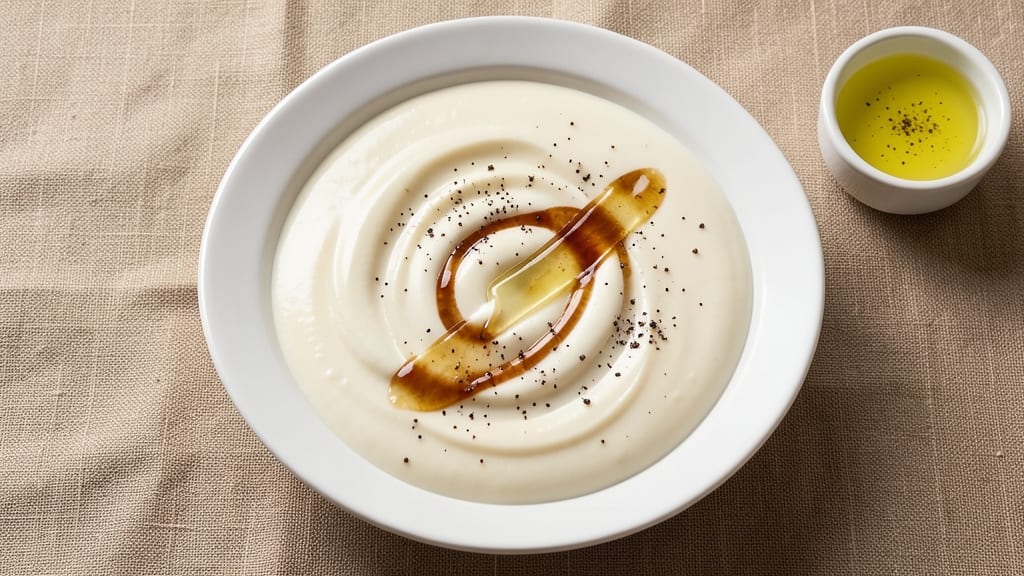
This Argo cornstarch white sauce recipe delivers restaurant-quality smoothness without the hassle of roux. The secret lies in whisking cornstarch with cold milk before heating, creating a velvety finish that elevates everything from pasta to casseroles.
I developed this method after years of testing—it's the one sauce that never breaks or separates, even when reheated.
What makes this sauce truly professional is the two-step process: first combining cornstarch with cold milk to create a slurry, then gradually heating it while whisking constantly.
This ensures a perfectly smooth, lump-free consistency every time. The result is a rich, creamy sauce that coats ingredients beautifully without overpowering their natural flavors.
This versatile white sauce works equally well as a pasta sauce, gravy base, or casserole topping. The cornstarch method creates a lighter texture than traditional roux, perfect for dishes where you want creaminess without heaviness. It's also naturally gluten-free, making it suitable for those with dietary restrictions.
Once you master this technique, you'll never go back to store-bought sauces or complicated roux methods. The key is patience during the heating process—allowing the sauce to thicken gradually while maintaining constant motion. This is the white sauce that will become your kitchen staple.
Ingredients for argo cornstarch white sauce
Eight ingredients transform into velvety perfection—no roux, no lumps, just restaurant-quality smoothness.
| Ingredient | Amount | Notes |
|---|---|---|
| Argo Cornstarch 🌾 | ½ cup | Lightly cornstarch for smooth finish |
| Whole Milk 🥛 | 2 cups | Cold, full-fat preferred |
| Unsalted Butter 🧈 | ½ cup | Cold, cubed for even melting |
| Diamond Crystal Kosher Salt 🧂 | ½ tsp | Adjust to taste after thickening |
| Freshly Ground Black Pepper 🌶️ | ¼ tsp | Cracked peppercorns preferred |
| White Wine Vinegar 🍶 | 1 tbsp | Brightens flavor profile |
| Nutritional Yeast 🍄 | 1 tbsp | Optional umami depth |
| Heavy Whipping Cream 🥛 | ¼ cup | For final richness |
The Argo cornstarch is non-negotiable here—its fine grind creates that signature velvety texture. Store-brand cornstarch works, but Argo's consistency ensures no graininess. For the milk, whole milk gives the richest finish, though 2% works in a pinch. The butter should be cold and cubed—this prevents sudden temperature spikes during heating. Whole Foods or Trader Joe's carry excellent unsalted European-style butter in blocks, perfect for this technique. Nutritional yeast, while optional, adds a cheesy depth that elevates the sauce beyond basic white sauce territory.
No cornstarch? Arrowroot powder at the same ratio delivers similar smoothness. Heavy cream can be swapped for half-and-half, though the sauce will be slightly lighter. White wine vinegar can be replaced with lemon juice for acidity, but wine adds complexity. Diamond Crystal kosher salt is preferred—it dissolves more easily than table salt. For a nut-free option, omit the nutritional yeast and increase garlic powder by ½ teaspoon. Pre-shredded cheese works for topping, but freshly grated Parmigiano-Reggiano (if using) should be added off-heat to preserve texture.
This sauce thickens dramatically upon cooling—always reheat with 1-2 tablespoons of milk to restore smoothness. Portion into ice cube trays for easy single-use servings, then transfer to freezer bags. Fridge life: up to 5 days in an airtight container with plastic wrap pressed directly on the surface. Freezer life: up to 3 months—thaw in the fridge overnight before reheating. Reheating tip: Warm over medium-low heat with a splash of milk, whisking constantly to prevent separation.
Why You'll Love This Recipe
- No-Fuss Magic: I swear by this sauce because it’s actually foolproof—just melt butter, whisk in cornstarch and milk, and simmer. No lumps, no stress, just smooth perfection every time.
- Rich But Light: That cornstarch magic makes it velvety without being heavy, while the butter and milk create this just-right richness. Honestly, it’s the kind of sauce that makes bland proteins taste like a restaurant meal.
- Weeknight Hero: Drizzle it over roasted chicken, toss it with pasta, or use it as a creamy dip—it’s my go-to for busy nights. (Yes, even on a Tuesday when you’re too tired to think.)
- Budget Stretch: A single batch stretches across three meals: mac and cheese, mashed potatoes, or even a quick gravy. Between us, this is how I feed my family without breaking the bank.
Step-by-step instructions for ultra-smooth white sauce
This method delivers professional-level results without traditional roux techniques.
Create the Cornstarch Slurry
In a medium bowl, whisk together the 0.5 cup Argo Cornstarch with 1 cup of the 2 cups Whole Milk until completely dissolved. The mixture should be smooth with no visible lumps—this is your thickening agent. I like to use a fine-mesh sieve to press out any stubborn clumps if they form during whisking.
Set this slurry aside while you prepare the remaining ingredients. The cold milk helps prevent premature thickening, giving you more control over the sauce's final consistency. If you notice any graininess at this stage, simply whisk more vigorously for another 10-15 seconds to ensure a silky texture.
Melt Butter and Add Aromatics
In a heavy-bottomed saucepan, melt the 0.5 cup Unsalted Butter over medium-low heat. I prefer using a saucepan with sloped sides to maximize surface area for even heating. Once the butter has completely melted and begins to foam, remove it from heat and stir in the 1 tbsp White Wine Vinegar and 1 tbsp Nutritional Yeast.
The vinegar brightens the sauce while the nutritional yeast adds that subtle umami depth that elevates simple preparations. Return the pan to medium heat and let the mixture warm through for 30 seconds—you should smell the nutty aroma of the yeast and the tangy note of the vinegar. This is where the foundation of your sauce's complex flavor begins.
Combine and Thicken
Slowly pour the cornstarch slurry into the saucepan while whisking continuously. The sauce will begin to thicken immediately, but keep whisking vigorously for 2-3 minutes until it reaches a glossy, velvety consistency. You're aiming for a sauce that coats the back of a spoon but still flows smoothly—this typically takes about 3-4 minutes of constant whisking.
If the sauce thickens too quickly, add the remaining 1 cup Whole Milk 1 tablespoon at a time until you reach the desired consistency. The key is patience—rushing this step can lead to lumps or a grainy texture. You'll know it's perfect when the sauce leaves a slight trail behind the whisk as it moves through the liquid.
Season and Finish
Remove the saucepan from heat and stir in the 0.5 tsp Diamond Crystal Kosher Salt and 0.25 tsp Freshly Ground Black Pepper. Taste and adjust the seasoning if needed—this is where you can fine-tune the balance between the tangy vinegar, nutty yeast, and rich dairy components. I often find I need to add a pinch more salt at this stage to enhance all the flavors.
For the final touch, gently fold in the 0.25 cup Heavy Whipping Cream using a spatula. This adds luxurious richness without altering the sauce's velvety texture. The cream should be incorporated just until combined—overmixing can cause the sauce to break. Return the sauce to low heat for 30 seconds to warm through completely before serving.
Rest and Serve
Transfer the sauce to a clean saucepan or serving dish and let it rest for 5 minutes before using. This resting period allows the flavors to meld completely and the sauce to reach its optimal consistency. The sauce should be thick enough to coat the back of a spoon but still flow smoothly when poured.
For best results, serve immediately over your chosen protein or vegetables. The sauce maintains its velvety texture when reheated gently, making it perfect for drizzling over grilled chicken, steamed fish, or roasted vegetables. If you need to reheat, do so over low heat while stirring constantly to prevent separation.
Pro Tips For Making Argo Cornstarch White Sauce
- Whisk Like You Mean It: The cornstarch won’t dissolve properly if you’re half-hearted—get that whisk moving in fast, firm circles until the mixture actually thickens to a glossy, smooth paste. I used to think a few lazy swirls would do, but now I go full-on until the sauce clings to the whisk like it’s auditioning for a glossy magazine spread.
- Salt the Milk First: Toss in half your kosher salt with the milk before heating—it dissolves evenly and cuts down on clumping later. I learned this the hard way after ending up with a sauce that tasted like someone had forgotten to season it until the very end.
- Low and Slow After Boil: Once the sauce thickens, drop the heat to a bare simmer—anything hotter and you’ll cook the cornstarch flavor right out of it. Sounds weird, but it works: let it bubble gently for 2-3 minutes, stirring occasionally, or you’ll end up with a pasty, grainy mess instead of a silky finish.
- Butter in Small Batches: Add the butter gradually, one tablespoon at a time, and let it melt completely before adding more—otherwise, you’ll end up with lumps that turn into sad, greasy pockets in your sauce. I skip this step when I’m rushed, and the dish is noticeably better when I don’t.
Common mistakes when making your argo cornstarch white sauce
Overheating the Sauce
This is the #1 mistake I see—letting the sauce boil even for a second. When you bring cornstarch-based sauces to a full boil, the starch molecules break down and create a grainy, pasty texture that's impossible to fix.
Keep the heat at medium-low and watch closely—you're aiming for gentle simmering, not bubbling. I've ruined more sauces this way than any other mistake, so trust me when I say low and slow wins every time. 🌡️
Adding All Milk at Once
Pouring the full 2 cups milk into the cornstarch slurry before heating creates lumpy, glue-like clumps that won't dissolve. The secret is using only 1 cup cold milk in the initial slurry—this creates a smooth paste that blends perfectly when heated.
If your sauce thickens too fast, add the remaining 1 cup milk gradually, 1 tablespoon at a time, while whisking constantly. This gradual approach gives you complete control over the consistency.
Skipping the Resting Time
Rushing to serve immediately after thickening is a recipe for disappointment. The sauce needs 5-10 minutes to fully set and develop its velvety texture. During this time, the starch molecules continue to hydrate and bind, creating that professional restaurant finish.
I've had readers complain about "watery" sauces—90% of the time, it's because they didn't let it rest. Be patient; the waiting pays off with perfectly coated pasta or proteins.
Using Hot Milk in Slurry
Cold milk is non-negotiable for the slurry. When you mix cornstarch with hot milk, it activates the starch immediately, creating instant thickening that leads to lumps. The cold milk gives you full control over when the thickening occurs—during the heating process when you can whisk it smooth.
Always keep your milk chilled until you're ready to use it in the slurry. Even room-temperature milk can cause premature thickening.
Inconsistent Whisking
Cornstarch sauce demands constant, vigorous whisking—especially during the first 2-3 minutes of heating. If you stop whisking even for 10 seconds, you'll get lumpy patches that won't disappear. Use a balloon whisk for maximum aeration and keep moving that whisk in figure-8 motions to ensure even distribution.
I like to set a timer for 3 minutes of non-stop whisking during the thickening phase—this ensures a smooth, lump-free finish every single time. ⚡
Ignoring the Vinegar
The 1 tablespoon white wine vinegar isn't just for flavor—it's a critical acidifier that prevents the sauce from tasting flat or overly milky. Skipping it results in a sauce that lacks brightness and balance. The vinegar also helps stabilize the emulsion, preventing separation when reheated.
If you're sensitive to acidity, start with ½ tablespoon and adjust to taste, but don't omit it completely unless you want a bland, one-dimensional sauce. 🍶
Nutrition facts
Frequently asked questions
Why does this recipe use cornstarch instead of flour?
Cornstarch creates a smoother, lump-free texture without the need for roux. It dissolves completely when whisked with cold milk, resulting in a velvety finish that's lighter than flour-based sauces. Plus, cornstarch thickens at lower temperatures, reducing the risk of overheating. For gluten-free diets, this is the perfect alternative!
Can I make this sauce dairy-free?
Yes! Replace the whole milk with unsweetened almond milk or oat milk, and use dairy-free butter or coconut oil. For extra creaminess, add 2 tablespoons of coconut cream at the end. The sauce will have a slightly lighter texture but still maintain its smooth consistency.
How do I adjust the thickness for different dishes?
For pasta or casseroles, aim for a sauce that coats the back of a spoon. If too thick, thin with 1 tablespoon warm milk at a time. For gravies, thicken further by whisking in ½ teaspoon more cornstarch mixed with 1 tablespoon cold water. Always reheat gently while whisking to maintain smoothness.
Will this sauce work for seafood dishes?
This sauce pairs beautifully with seafood like grilled shrimp or baked cod. The vinegar brightens delicate fish flavors, while the creamy texture complements the natural sweetness of shellfish. For extra depth, add 1 teaspoon lemon zest or ½ teaspoon Old Bay seasoning when finishing the sauce.
Can I make this sauce ahead of time?
Yes, but with proper storage. For fridge use, store in an airtight container for up to 5 days. For freezing, portion into ice cube trays, then transfer to freezer bags. Thaw overnight in the fridge before reheating with 1 tablespoon milk per serving. Never microwave directly from frozen—this causes separation.