
Sauces & Condiments
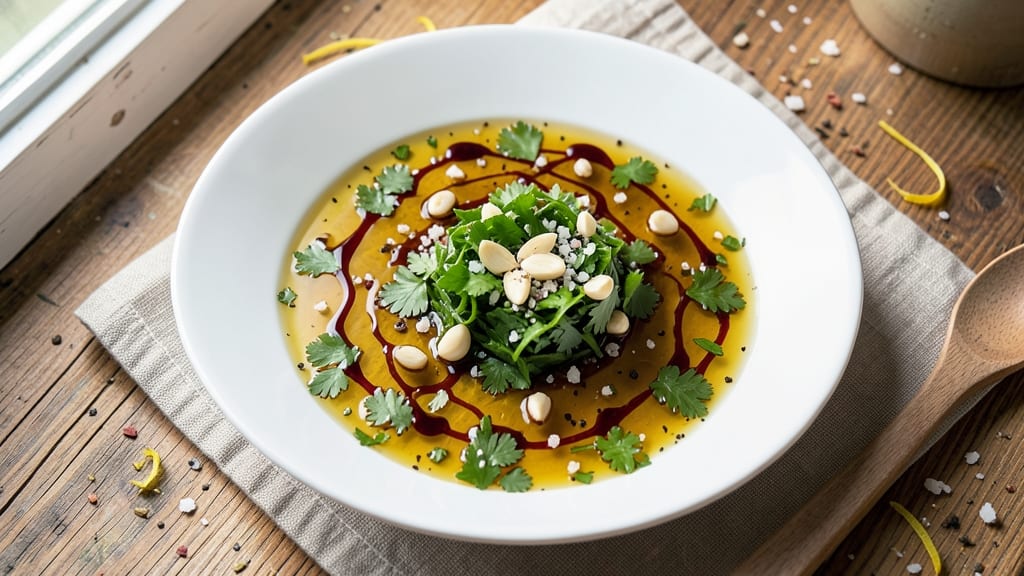
This Argentinian steak sauce recipe delivers the vibrant, herby zing of authentic chimichurri that elevates every bite. The secret lies in fresh parsley, garlic, and red wine vinegar—simple ingredients that transform into a bold, tangy sauce perfect for grilled steaks, empanadas, or even as a dipping sauce.
I developed this recipe after years of perfecting the balance between bright acidity and rich, earthy flavors that cut through the richness of perfectly cooked meat.
The beauty of this chimichurri is its versatility—it works as a marinade, a finishing sauce, or a dip for fries and chips. Unlike many sauces that require cooking, this one comes together in minutes with just a knife, cutting board, and mortar and pestle (or food processor).
The key is using high-quality extra virgin olive oil and fresh herbs, which give it that signature freshness that sets it apart from store-bought alternatives.
What makes this sauce truly special is how it transforms ordinary dishes into something extraordinary. The bright, garlicky notes of the chimichurri cut through the richness of steak, while the parsley adds a fresh, vibrant finish.
It’s the kind of sauce that turns a simple grilled steak into a restaurant-worthy meal, all while being simple enough to make in your own kitchen.
Whether you're serving it alongside grilled meats, using it as a marinade, or drizzling it over empanadas, this chimichurri sauce will become a staple in your cooking repertoire. Ready to make it? Here’s everything you’ll need to create this bold, flavorful sauce that’s sure to impress.
Ingredients for argentinian steak sauce
Fresh herbs and bold flavors—this sauce is all about that vibrant parsley zing.
| Ingredient | Amount | Notes |
|---|---|---|
| Fresh Parsley Leaves 🌿 | 2 cups | Packed, stems removed |
| Extra-Virgin Olive Oil 🫒 | ¾ cup | High-quality, fruity variety |
| Garlic Cloves 🧄 | 6 cloves | Peeled, roughly chopped |
| Red Wine Vinegar 🍷 | ¼ cup | Bold, dry variety |
| Kosher Salt 🧂 | 1 ½ tsp | Fine grain preferred |
| Ground Black Pepper 🌶️ | ½ tsp | Freshly ground preferred |
| Red Chili Flakes 🔥 | ½ tsp | Adjust to taste for heat |
| Ground Cumin 🌿 | ½ tsp | Toasted for deeper flavor |
| Lemon Juice 🍋 | 1 tbsp | Freshly squeezed |
The parsley is non-negotiable here. Buy the freshest bunch you can find—the bright green leaves at the grocery store's produce section or a farmers market are ideal. If you're using dried parsley, double the amount, but trust me, fresh is worth the effort. The garlic should be fresh too—peel those cloves right before chopping for the best flavor. For the olive oil, avoid the cheap stuff—look for extra-virgin with a fruity aroma, like California Olive Ranch or Bertolli. The red wine vinegar? Any bold, dry variety works—Cabernet Sauvignon or Merlot vinegar if you can find it, but regular red wine vinegar is fine too.
No fresh parsley? Cilantro or basil can work in a pinch, though the flavor will be slightly different. Short on garlic? Garlic powder at half the amount works, but fresh is always better. Running low on red wine vinegar? Balsamic vinegar adds sweetness, but stick with red wine for that classic chimichurri tang. The chili flakes can be swapped for cayenne pepper if you prefer a smoother heat. Toast your cumin seeds in a dry pan for 30 seconds before grinding them—that adds a whole new depth of flavor. For the lemon juice, fresh is key—bottled lemon juice lacks the brightness.
This sauce keeps beautifully—up to 1 week in an airtight jar in the fridge. The flavors actually meld and deepen over time, so it's perfect for making ahead. If you're prepping for a big meal, double the batch—it disappears fast. To store, simply press a piece of plastic wrap directly onto the surface of the sauce to prevent it from turning brown. If you're freezing, portion it into ice cube trays for easy single-use servings. The sauce reheats well, but it's best enjoyed fresh or at room temperature.
Why You'll Love This Recipe
- Five-Ingredient Magic: I swear, this sauce is the kind you’ll make just to have on hand. Fresh parsley and garlic turn into something bright and punchy with zero fuss—no blender, no simmering, just chop and toss.
- Garlic Bomb Brightness: That raw garlic and vinegar combo hits different—sharp, zesty, and just salty enough to make your steak taste like it’s been kissed by an Argentine grill master. (Yes, even on a Tuesday night.)
- Steak’s Best Friend: Drizzle it on grilled steak, toss it with fries, or use it to wake up a simple salad. It’s the one sauce that makes everything feel like a special occasion without trying too hard.
- Pantry Goldmine: A little olive oil, a handful of parsley, and a few cloves of garlic—you’re already using stuff you’ve got. No fancy ingredients, no wasted money, just flavor that sticks around for days in the fridge.
Step-by-step instructions for bold chimichurri sauce
This vibrant chimichurri brings bold flavor to every bite of grilled steak.
Chop the Fresh Parsley and Garlic
Stack the 2 cups of fresh parsley leaves and roll them tightly, then slice into thin ribbons with a sharp chef's knife. This technique creates finely chopped parsley without bruising it. Transfer the chopped parsley to a large bowl.
Add the 6 peeled garlic cloves and chop them finely with the parsley. I like to use the flat side of my knife blade to gently crush the garlic cloves first—this releases their flavor before chopping. The combination of parsley and garlic forms the aromatic base of this sauce, so take your time to get an even, fine texture.
Add the Olive Oil and Vinegar
Pour the 0.75 cup of extra-virgin olive oil into the bowl with the parsley and garlic. Drizzle in the 0.25 cup of red wine vinegar slowly while whisking continuously. The vinegar will help emulsify the oil and create a bright, tangy foundation for the sauce.
Here's the thing—don't rush this step. Whisk vigorously for about 1 minute until the mixture looks slightly thickened and glossy. You'll see the oil and vinegar begin to blend with the herbs, creating a vibrant green color. This is when the chimichurri starts to come together.
Season with Spices and Lemon
Add the 1.5 teaspoons of kosher salt, 0.5 teaspoon of ground black pepper, 0.5 teaspoon of red chili flakes, and 0.5 teaspoon of ground cumin to the bowl. Stir well to distribute the spices evenly throughout the mixture. The salt enhances all the flavors, while the cumin and chili add depth and a subtle warmth.
Finish by adding the 1 tablespoon of freshly squeezed lemon juice. Give everything one final stir—you should notice the sauce brighten even more. The lemon juice adds a refreshing acidity that balances the richness of the olive oil. Taste the mixture now; you can adjust the seasoning if needed, especially if you prefer more heat from the chili flakes.
Let the Chimichurri Rest
Cover the bowl with plastic wrap and let the chimichurri rest at room temperature for at least 30 minutes. This resting period allows all the flavors to meld together beautifully. I know it's tempting to use it immediately, but patience here makes a world of difference.
After resting, give the chimichurri one final stir before serving. The sauce should be vibrant green, with a thick but pourable consistency. If it's too thick, add a splash of water or a little more olive oil to reach your desired texture. This sauce is best served fresh, so use it within 2-3 hours of making it for the brightest flavor.
Pro Tips For Making Argentinian Steak Sauce
- Sweat the Garlic Low: I learned this the hard way—crispy garlic burns fast and turns bitter. Cook the minced cloves in olive oil over the lowest possible heat until just golden (about 5 minutes), stirring constantly. If they start to sizzle, you’re too hot—back it off. This sauce lives on the garlic’s sweet, mellow flavor, not its burnt edge.
- Chop Parsley Like a Pro: No food processor here—finely chop the parsley by hand (or pulse briefly) to avoid releasing bitter juices. Stack the leaves, roll tightly, then slice thinly with a sharp knife. A handful of fresh herbs makes all the difference, but over-chopping turns them to mush, and mushy parsley is sad parsley.
- Salt the Vinegar First: Toss the kosher salt into the red wine vinegar before mixing it with the oil. This dissolves the salt completely, so every drop of sauce gets that bright, balanced tang. Skipping this step leaves grainy salt clumps lurking in your otherwise silky emulsion—trust me, you’ll taste it.
- Emulsify in Stages: Start with a thin sauce—whisk vinegar and oil in small batches, then gradually fold them together. Drizzle the oil into the vinegar while whisking like your life depends on it (it does). If the sauce breaks, add a splash of warm water or a pinch of sugar to coax it back together. Patience here saves you from a greasy mess.
Pro cooking tips for great argentinian steak sauce
Herb Texture Mastery
For the perfect chimichurri, stack and slice your parsley leaves instead of chopping them directly. Roll the leaves tightly and slice into thin ribbons with a sharp knife—this creates a fine, even texture without bruising the herbs.
I use a Wüsthof chef's knife for this step because its razor-sharp edge makes quick work of the job. The goal is to get the parsley finely chopped but not pulverized—think small dice rather than paste. 🌿
Emulsification Secrets
The key to a silky chimichurri lies in whisking the olive oil and vinegar together for at least 1 full minute. This step emulsifies the fat and acid, creating a stable sauce that won’t separate. I add the vinegar slowly while whisking continuously to prevent curdling.
For extra insurance, use a high-quality extra-virgin olive oil with a low acidity (like Colavita or Bertolli). The oil should coat the herbs evenly, giving the sauce its signature glossy finish.
Spice Toasting Tricks
Never skip toasting your cumin seeds—this simple step unlocks deeper flavor. Heat ½ teaspoon of cumin seeds in a dry skillet over medium heat for 30 seconds until fragrant, then grind them fresh in a mortar and pestle.
The toasted cumin adds a nutty warmth that ground cumin can’t match. I also like to toast the red chili flakes briefly to intensify their heat without burning them. Just 10 seconds in the same skillet does the trick.
Resting for Flavor Fusion
Letting the chimichurri rest for at least 30 minutes (up to 2 hours) is non-negotiable. This resting period allows the garlic’s pungency to mellow, the vinegar’s acidity to soften, and all flavors to marry harmoniously.
I cover the bowl with plastic wrap pressed directly onto the surface to prevent oxidation. If you’re short on time, even 15 minutes makes a noticeable difference. The sauce will taste brighter and more balanced after resting. ⏳
Adjusting Consistency
If your chimichurri turns out too thick, thin it with 1-2 teaspoons of water or a splash of lemon juice. For a richer texture, add 1 extra tablespoon of olive oil. The ideal consistency should be thick but pourable—like a loose pesto.
I test this by drizzling a small amount over my steak; if it clumps, it needs thinning. Pro tip: Use the back of your spoon to spread the sauce evenly on your plate for the most professional presentation.
Storage Hacks
Store chimichurri in an airtight glass jar (like Le Parfait) with the oil pressed against the air to prevent browning. It keeps for up to 5 days in the fridge, but the flavors peak within 24 hours.
For longer storage, freeze in ice cube trays—each cube makes a perfect single serving. When reheating, warm gently in a saucepan over low heat for 2-3 minutes to revive its vibrancy. Never microwave it, as this can dull the flavors. 🧊
Nutrition facts
Frequently asked questions
Can I make this Argentinian steak sauce without fresh parsley?
Fresh parsley is essential for authentic chimichurri, but you can use cilantro or basil in a pinch—just double the amount. For the best flavor, though, invest in fresh parsley. If you must use dried, double the quantity and add a splash of water to mimic freshness. The vibrant green color and bright herbaceous notes will be noticeably different, but it’ll still add great flavor to your steak!
How spicy should this sauce be? Can I adjust the heat?
The 0.5 teaspoon of red chili flakes gives a mild to medium heat—adjust to your taste! For more kick, add an extra 0.25 teaspoon or swap in cayenne pepper. If you prefer no heat, simply omit the chili flakes entirely. The sauce’s brightness comes from the vinegar and lemon, so the heat is just an optional layer of flavor.
Can I use this sauce as a marinade for steak?
This chimichurri makes an excellent marinade for grilled or pan-seared steak. Let the sauce sit on the meat for 30 minutes to 2 hours in the fridge before cooking—just don’t over-marinate, as the acidity can break down the meat too much. For extra tenderness, pat the steak dry before grilling and sear it over high heat for a perfect crust.
Why does my chimichurri separate? How do I fix it?
Chimichurri may separate if the oil and vinegar aren’t properly emulsified. To fix it, whisk vigorously for 1-2 minutes or use a fork to blend until smooth. For prevention, whisk the oil and vinegar together slowly and thoroughly before adding other ingredients. If it still separates, stir in 1 extra tablespoon of olive oil to help bind the mixture. The sauce should be thick but pourable—like a loose pesto.
What other meats or dishes can I use this sauce with?
This versatile chimichurri works beautifully with grilled chicken, shrimp, or even roasted vegetables. Try it as a dip for fries, empanadas, or mozzarella sticks, or drizzle it over tacos or grilled corn. It’s also fantastic with tortellini, flatbreads, or even as a sandwich spread. The bright, herby flavors complement rich or lean proteins equally well.