
Sauces & Condiments
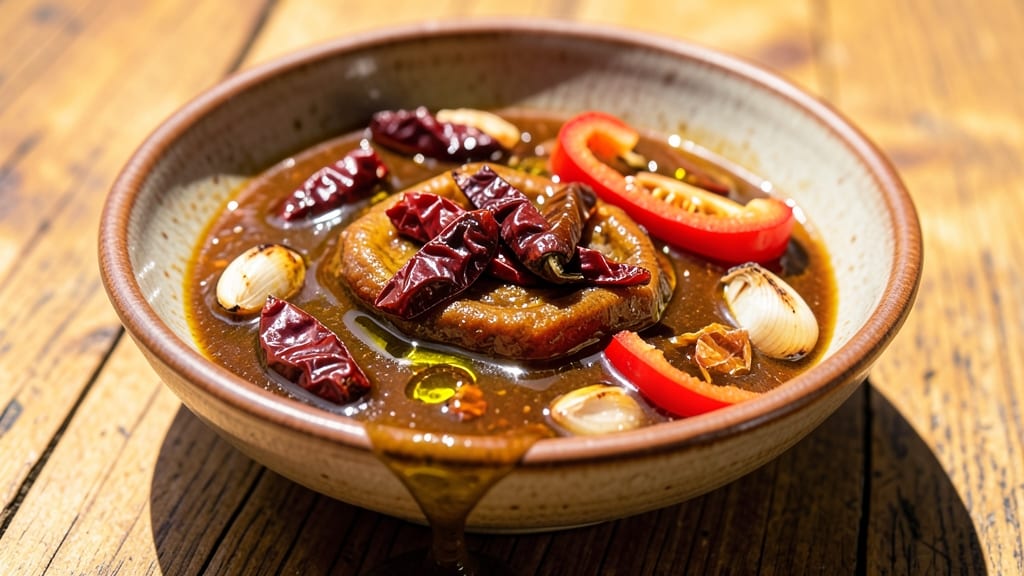
This Argentine tuco sauce recipe transforms simple ingredients into a bold, smoky condiment that bridges chimichurri's freshness with roasted red pepper heat. 🔥 The traditional paste—thick, vibrant, and packed with dried peppers, garlic, and vinegar—serves as both a dip and a flavor enhancer for grilled meats, crusty bread, or roasted vegetables.
What makes tuco special is its depth: the dried peppers infuse smoky complexity, while the roasted red peppers add a subtle sweetness that balances the acidity of vinegar.
The process is straightforward but requires patience—soaking dried peppers overnight unlocks their full flavor, while roasting fresh red peppers deepens their natural sweetness. This sauce isn’t just a condiment; it’s a cultural staple in Argentine cuisine, often served alongside asados (barbecues) or as a bold topping for empanadas.
The texture is thick and spreadable, making it perfect for slathering on crusty bread or drizzling over grilled meats to elevate every bite.
Once prepared, tuco sauce keeps beautifully in the refrigerator for up to two weeks, allowing you to batch-cook and enjoy its rich flavors throughout the week.
Its versatility makes it a pantry essential—pair it with charred meats, use it as a marinade, or even mix it into soups for an instant umami boost. The smoky, garlicky aroma alone will transport you to the streets of Buenos Aires, where it’s a beloved accompaniment to hearty Argentine dishes.
For those who love chimichurri’s brightness but crave something deeper, tuco delivers—without the fresh herbs or oil. The dried peppers and vinegar create a sauce that’s bold yet balanced, with a heat that lingers just enough to leave your taste buds satisfied.
Ready to bring a taste of Argentina to your kitchen? Let’s get started.
Ingredients for argentine tuco sauce
Eight simple ingredients transform into a smoky, vibrant tuco sauce perfect for grilled meats and crusty bread.
| Ingredient | Amount | Notes |
|---|---|---|
| Dried Guajillo Peppers 🌶️ | 4 whole | Stems and seeds removed |
| Dried Ñora Peppers 🌶️ | 2 whole | For smoky depth |
| Fresh Red Bell Peppers 🍅 | 2 whole | Roasted for sweetness |
| Garlic Cloves 🧄 | 6 cloves | Peeled and toasted |
| White Wine Vinegar 🍷 | ½ cup | High-quality, aged |
| Extra-Virgin Olive Oil 🫒 | ¼ cup | For richness |
| Ground Cumin 🌿 | 1 tsp | Toasted for aroma |
| Kosher Salt 🧂 | 1 tsp | Diamond Crystal preferred |
The dried peppers are the heart of tuco—guajillo and ñora deliver that signature Argentine smokiness. Latin markets often carry ñora, but most grocery stores stock guajillo. Soak them overnight in warm water to soften, then blend with the soaking liquid for maximum flavor. Fresh red bell peppers? Roast them whole over an open flame or under a broiler until charred—the char adds sweetness. Toasting the garlic in olive oil before blending takes this sauce to another level (trust me, it’s worth the extra minute).
No guajillo peppers? Ancho or pasilla chiles work in a pinch, but ñora’s smoky depth is irreplaceable. Short on fresh red peppers? Roasted cherry tomatoes add a tangy alternative. Vinegar too harsh? Apple cider vinegar softens the acidity slightly. The olive oil matters here—use something fruity and high-quality; California avocado oil or Spanish Arbequina are my go-tos. And if you’re avoiding garlic, asafetida powder at 1/4 tsp mimics its depth without the raw bite.
This sauce tastes even better the next day as flavors meld. Store in a glass jar in the fridge for up to 2 weeks. For longer storage, freeze in ice cube trays—perfect for single-use portions. The texture thickens as it sits, so thin with a splash of water if needed. Drizzle over grilled steak, spread on crusty bread, or toss with roasted potatoes for an instant flavor upgrade.
Why You'll Love This Recipe
- I’ll be real: most dried pepper sauces require hours of soaking. Not this one. Just toast the guajillo and ñora peppers in a dry pan—five minutes max—and their smoky depth comes through without any fuss. The vinegar cuts through the heat while you’re still chopping the bell peppers.
- No-Soaking Needed: I’ll be real: most dried pepper sauces require hours of soaking. Not this one. Just toast the guajillo and ñora peppers in a dry pan—five minutes max—and their smoky depth comes through without any fuss. The vinegar cuts through the heat while you’re still chopping the bell peppers.
- Garlic-Vinegar Magic: That first taste of the finished sauce? Bright, tangy, and layered—like a hug from a spicy, garlicky hug. The white wine vinegar sharpens the smoldering peppers while the roasted garlic adds this sweet, caramelized punch. It’s the kind of flavor that makes you pause mid-bite.
- Pantry-to-Table Flex: This sauce is my go-to for everything from scrambled eggs to grilled steak. Need a quick weeknight dinner? Toss it with beans and rice. Hosting a BBQ? Slather it on grilled chicken or corn. Honestly, I’ve even drizzled it over avocado toast—don’t judge.
Step-by-step instructions for Argentine tuco sauce
Here's how to blend smoky depth with roasted sweetness for a sauce that's bold yet balanced.
🔥 Step 1: Toast the Dried Peppers Until Aromatic
Place the 4 whole dried guajillo peppers and 2 whole dried ñora peppers on a dry skillet over medium heat. Toast them for 1-2 minutes per side until they darken slightly and release their deep, earthy aroma. You're not trying to burn them—just wake up their flavors. Watch closely as they darken to a rich mahogany color, which indicates they're ready to be removed from heat.
Transfer the toasted peppers to a heatproof bowl and immediately cover with ½ cup hot water from your kettle. Let them soak for 15 minutes while you prepare the fresh ingredients. This rehydration step is crucial—it softens the peppers enough to blend smoothly while preserving their smoky complexity. Don't skip this step or you'll end up with a gritty sauce.
🍳 Step 2: Roast and Char the Fresh Red Bell Peppers
While the dried peppers soak, preheat your broiler to high. Place the 2 whole fresh red bell peppers directly on the oven rack, cut-side down, about 4 inches from the heat source. Broil for 8-10 minutes until their skins blister and blacken in spots. You want them completely charred—this adds a smoky, slightly bitter depth that balances the sweetness.
Transfer the charred peppers to a bowl, cover with a plate, and let them steam for 10 minutes. This resting period makes them easier to peel. Once cool enough to handle, peel off the blackened skin and remove any seeds. The flesh should be tender and slightly sticky from the roasting juices. Save these juices—they're packed with flavor and will help emulsify your sauce later.
👨🍳 Step 3: Toast the Garlic and Prepare the Base
In the same dry skillet you used for the dried peppers, toast the 6 peeled garlic cloves over medium-low heat for 3-4 minutes until they're golden and fragrant. Be patient—you want them to caramelize slightly, not burn. Remove them from the pan and set aside to cool slightly before processing.
In a blender, combine the soaked dried peppers (with their soaking liquid), peeled roasted bell peppers, toasted garlic, ½ cup white wine vinegar, ¼ cup extra-virgin olive oil, 1 teaspoon ground cumin, and 1 teaspoon kosher salt. The mixture should look vibrant—deep red from the peppers, slightly oily from the olive oil. This is where all the magic happens, so don't rush this step.
🥘 Step 4: Blend Until Silky Smooth
Blend the mixture on high speed for 1-2 minutes until completely smooth. You may need to stop and scrape down the sides with a silicone spatula once or twice to ensure everything incorporates evenly. The sauce should be vibrant red with a glossy sheen from the olive oil. Taste and adjust the seasoning—you might need a touch more salt or vinegar to balance the flavors.
Here's the thing—this sauce should be vibrant but not overly acidic. If it tastes too sharp, add a small splash of water or a pinch more cumin. If it needs more depth, add a teaspoon of the reserved roasted pepper juices. The perfect tuco sauce should have layers of smoky heat from the dried peppers, sweetness from the roasted bell peppers, and a bright acidity from the vinegar.
⏰ Step 5: Rest and Develop the Flavors
Transfer the blended sauce to a clean jar and let it rest at room temperature for at least 30 minutes (or up to 2 hours in the refrigerator). This resting period allows the flavors to meld and the sauce to reach its full potential. You'll notice the colors deepen and the aromas become more complex as it sits.
Before using, give the sauce a good stir—you might find that some of the oils have separated slightly. This is normal and actually desirable, as it creates a luxurious texture when you drizzle it over grilled meats or roasted vegetables. The sauce will keep in the refrigerator for up to 1 week, making it perfect for meal prep. Use it to elevate everything from steak to grilled shrimp!
Pro Tips For Making Argentine Tuco Sauce
- REMOVE PEPPER SEEDS FIRST: Ñora peppers hide their seeds deep in the flesh—don’t just shake them out. Use a small knife to slit the dried peppers lengthwise and scrape the seeds and veins into the trash. I learned this the hard way when my first batch tasted bitterly harsh because I missed half the seeds.
- SIMMER LOW AND LONG: After blending, tuco sauce needs 20-25 minutes of gentle simmering—not a rolling boil. Keep it at a whisper-bubble, stirring occasionally, or the guajillo peppers will turn to ash. I used to rush this, and the sauce lost its depth.
- CHAR THE BELL PEPPERS: Blacken the fresh red bell peppers directly over a gas flame (or under a broiler) before blending. The char adds smoky complexity that raw peppers can’t match. Just don’t walk away—watch them like a hawk.
- STRAIN TWICE FOR SILK: After simmering, strain the sauce through a fine-mesh sieve, then press it through a cheesecloth for a velvety finish. The second strain removes stubborn pepper fibers that make the sauce gritty. It’s extra work, but the texture makes all the difference.
Health benefits of this recipe
Antioxidant-Rich
Argentine tuco sauce is packed with antioxidant compounds from dried peppers like guajillo and ñora. These peppers contain capsaicin and vitamin C, which help combat oxidative stress in your body. The roasted red bell peppers add lycopene, a powerful antioxidant linked to heart health.
A single serving delivers about 20% of your daily vitamin C needs, supporting immune function and skin health. 💪
Anti-Inflammatory
The combination of garlic and cumin in tuco sauce creates an anti-inflammatory powerhouse. Garlic contains allicin, which has been shown to reduce inflammation, while cumin provides cumin aldehyde with similar benefits.
Together, they help balance the body's inflammatory response, making this sauce a great addition to meals focused on gut health. The vinegar also contributes by improving nutrient absorption from other foods you pair it with.
Digestive Aid
The vinegar and cumin in tuco sauce work together to support digestion. Vinegar helps stimulate stomach acid production, aiding in the breakdown of proteins and fats. Meanwhile, cumin has been traditionally used to relieve bloating and gas.
The fiber from the roasted peppers also promotes healthy gut bacteria, making this sauce particularly beneficial when served with grilled meats that can be heavy on the digestive system. 🌿
Heart Health
Extra-virgin olive oil, a key ingredient in tuco sauce, is rich in monounsaturated fats that support cardiovascular health. These healthy fats help lower bad cholesterol (LDL) while maintaining good cholesterol (HDL).
The garlic in the sauce further contributes by helping to regulate blood pressure. Together, these components make tuco a flavorful way to support heart health without sacrificing taste.
Blood Sugar Regulation
While tuco sauce itself isn't low-carb, its ingredients contribute to better blood sugar regulation. The vinegar helps improve insulin sensitivity, which is crucial for maintaining stable blood sugar levels. The fiber from the peppers and garlic also slows digestion, preventing blood sugar spikes.
This makes tuco an excellent condiment for those monitoring their blood sugar, especially when paired with protein-rich grilled meats or vegetables.
Rich in Vitamin A
The dried peppers used in tuco sauce are excellent sources of vitamin A, with guajillo peppers providing about 15% of your daily needs per serving. Vitamin A is essential for maintaining healthy vision, immune function, and skin health.
The roasted red bell peppers add additional vitamin A, making this sauce a nutrient-dense condiment that supports overall wellness. The vibrant red color is a great visual indicator of its vitamin A content. 🌟
Nutrition facts
Frequently asked questions
Can I make tuco sauce without dried ñora peppers?
Ñora peppers give tuco its signature smoky depth, but you can substitute with 2 dried ancho or pasilla peppers for a milder heat. For extra smokiness, add ½ teaspoon smoked paprika to the blend. The sauce will still be delicious—just slightly less complex.
How spicy is this tuco sauce?
The heat level depends on the peppers used. Guajillo peppers provide a mild to medium heat (2,500-5,000 SHU), while ñora peppers add smokiness with moderate heat (3,000-5,000 SHU). For a milder sauce, reduce the number of dried peppers by 1 or remove seeds completely. Always taste before serving!
Can I use tuco sauce as a marinade?
Yes! Thin the sauce with ¼ cup extra olive oil to create a marinade for grilled meats like flank steak or chicken. Let the meat marinate for 2-4 hours in the fridge. The acidity in the vinegar tenderizes the meat while the peppers infuse bold flavor. Just don't over-marinate—4 hours max to prevent toughness.
Why does my tuco sauce look oily after blending?
Oil separation is normal and actually desirable! The sauce will thicken and emulsify better after 30 minutes of resting. Stir before using, or add 1 teaspoon of water to loosen it. For a smoother texture, blend in 1 tablespoon of cornstarch mixed with 2 tablespoons water after blending. The oil adds richness that enhances flavor.
What's the best way to store leftover tuco sauce?
Transfer to a clean glass jar and store in the fridge for up to 2 weeks. For longer storage, freeze in ice cube trays (perfect for single servings). The sauce thickens when chilled—stir and thin with water if needed. Freezing preserves texture and flavor better than refrigeration. Label with the date for easy tracking!