
Sauces & Condiments
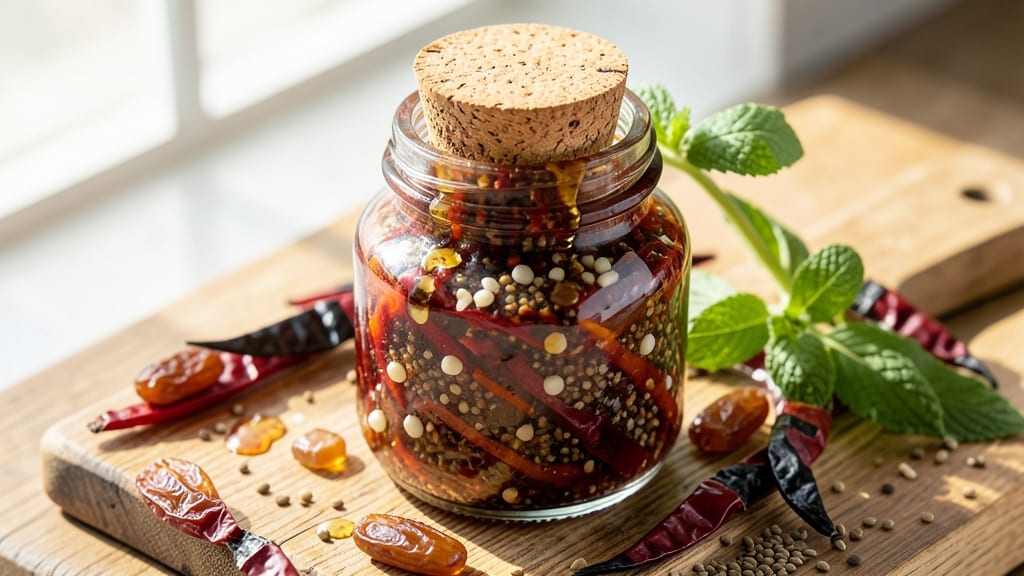
This Arabic hot sauce recipe delivers the bold, smoky depth of harissa with layers of cumin and chili heat that transform any dish. 🔥 The secret lies in balancing roasted red peppers, garlic, and spices—traditional techniques that create a sauce with complexity far beyond store-bought versions.
What sets this apart is the slow simmering process, which develops rich, caramelized flavors while preserving the sauce's vibrant color and potent kick.
The foundation begins with dried chili peppers and cumin seeds toasted until fragrant, then blended with garlic, vinegar, and a touch of sweetness from dates. This blend isn't just hot—it's layered, with smoky undertones from the cumin and a subtle tang from the vinegar.
The sauce thickens as it cooks, creating a paste-like consistency perfect for drizzling or storing. Unlike many hot sauces, this one builds flavor over time, making it even better after a few days of resting.
What you'll end up with is a versatile sauce that elevates grilled meats, roasted vegetables, or even simple hummus. The heat is balanced by sweet and smoky notes, ensuring it's approachable yet exciting.
Store it in a sterilized jar in the refrigerator for up to three months, or extend its shelf life by canning. The slow-cooked method guarantees a depth of flavor that shortcuts simply can't match.
This recipe captures the essence of Middle Eastern cooking—where heat meets complexity in every drop. Whether you're adding it to a tagine, drizzling over flatbread, or using it as a marinade, the result is always restaurant-quality.
Let's get started on creating this flavor-packed sauce that will become a staple in your kitchen.
Ingredients for arabic hot sauce
Ten ingredients transform simple pantry staples into restaurant-quality Arabic hot sauce.
| Ingredient | Amount | Notes |
|---|---|---|
| Dried Red Chili Peppers 🌶️ | ½ cup | Harissa blend or dried guajillo/arbol mix |
| Cumin Seeds 🌿 | 2 tbsp | Toasted until fragrant |
| Roasted Red Peppers 🍅 | 1 jar | Jarred or homemade, drained |
| Garlic Cloves 🧄 | 6 cloves | Peeled, for deep flavor |
| White Wine Vinegar 🍷 | ½ cup | Bright acidity preferred |
| Pitted Dates 🍈 | 4 whole | Medjool for natural sweetness |
| Ground Coriander 🌿 | 1 tbsp | Freshly ground preferred |
| Smoked Paprika 🌶️ | 1 tbsp | For smoky depth |
| Salt 🧂 | 1 ½ tsp | Kosher or sea salt |
| Extra-Virgin Olive Oil 🫒 | ¼ cup | For richness |
The chili peppers and cumin seeds are non-negotiable—toast them until they smell like a spice market. Whole Foods or Middle Eastern markets carry excellent dried chili blends, but any mix of guajillo, arbol, and cayenne works. Roasted red peppers add sweetness and depth—jarred works fine, but homemade is ideal if you've got the time. The dates provide subtle sweetness to balance the heat, so Medjool dates are worth seeking out for their rich flavor. Garlic should be fresh and pungent—don't skip the peeling or you'll miss out on full flavor development during the slow simmer.
No cumin seeds? Ground cumin at double the amount works, though you'll lose that toasty aroma. Running short on dates? A touch of honey or maple syrup bridges the gap. Smoked paprika can be swapped for regular paprika, but you'll lose that signature smoky depth. The vinegar is crucial—white wine vinegar adds brightness, while apple cider vinegar introduces subtle fruitiness. For a smoother texture, blend the sauce longer, but leave some texture for authentic harissa character. If you prefer it thinner, add water or more vinegar during blending.
This sauce develops flavor over time, so store it in a sterilized glass jar in the fridge for up to 3 months. For longer storage, canning extends shelf life to 6-12 months. The rich oil layer on top is normal—simply stir it back in before using. Freeze portions in ice cube trays for convenient single-use servings. The sauce thickens as it cools, so add a splash of water if it becomes too stiff before drizzling. Always taste before storing—adjust heat or sweetness as needed.
Why You'll Love This Recipe
- No Chopping Needed: I swear by this—just toast the cumin seeds in a dry pan for two minutes, then toss them straight into the vinegar with the whole garlic cloves (peeled, but no slicing!). The peppers soak up the heat effortlessly, and you’re left with a sauce that’s actually better than store-bought.
- Heat with Depth: That smoky cumin and charred dried peppers? It’s not just spicy—it’s layered. The roasted red peppers add a sweet, jammy contrast, while the vinegar cuts through the richness. Honestly, it’s the kind of sauce that makes you reach for seconds just to taste it again.
- Game for Any Meal: Drizzle it over grilled chicken for a weeknight dinner, toss it into hummus for a party appetizer, or let your kids (yes, even picky ones) dunk fries in it. The balance of heat and acid works everywhere—no fancy plating required.
- Lasts for Weeks: Make a big batch—it keeps for months in the fridge, and the flavors only get better as the spices mellow. I’ve got three jars in my pantry right now, and they’re my go-to for everything from lentil soup to scrambled eggs. Budget win: dried peppers and cumin cost pennies compared to bottled sauces.
Step-by-step instructions for Arabic hot sauce
This method delivers balanced heat, smoky depth, and vibrant acidity every time.
🔥 Step 1: Toast Spices and Dry Ingredients
Heat a dry skillet over medium heat and add the 2 tbsp cumin seeds. Toast for 1-2 minutes until fragrant and lightly golden—you'll smell that warm, earthy aroma. Immediately transfer to a bowl and let cool for 5 minutes.
In the same skillet, add the 0.5 cup dried red chili peppers and toast for 30-45 seconds until they darken slightly and release their aroma. This step intensifies their heat and removes any raw bitterness. Be careful not to burn them—they should just smell smoky, not bitter.
🍳 Step 2: Blend Roasted Components
Add the toasted cumin seeds and chili peppers to a food processor along with the 6 cloves garlic cloves, 1 tbsp smoked paprika, and 1 tbsp ground coriander. Pulse until everything forms a coarse powder—you want texture, not a smooth paste. This creates the sauce's complex spice foundation.
Transfer the spice mixture to a medium saucepan. Add the 1 jar roasted red peppers (drained) and 4 whole pitted dates. The dates will begin to soften immediately—this adds natural sweetness to balance the heat. Stir well to combine all ingredients thoroughly.
🥘 Step 3: Simmer with Vinegar and Oil
Pour in the 0.5 cup white wine vinegar and 0.25 cup extra-virgin olive oil. Increase heat to medium-low and bring to a gentle simmer. Let it cook uncovered for 10-12 minutes, stirring occasionally, until the dates break down completely and the mixture thickens slightly.
Taste and adjust seasoning with the 1.5 tsp salt, adding more if needed. The sauce should have vibrant acidity, smoky depth, and a slow-building heat. If it's too thick, add 1-2 tablespoons water to reach your desired consistency. If too thin, simmer uncovered for another 2-3 minutes.
⏰ Step 4: Cool and Store Properly
Remove from heat and let the sauce cool completely at room temperature. This step is crucial—cooling allows flavors to meld fully. Once cooled, transfer to a clean glass jar and store in the refrigerator for up to 2 weeks.
For best results, shake well before each use as the spices may settle. The sauce will continue to develop flavor over time, becoming more complex with each day. Use it to enhance grilled meats, drizzle over couscous, or mix into hummus for an authentic Middle Eastern touch.
Pro Tips For Making Arabic Hot Sauce
- CHAR THE CHILIS FIRST: Toss dried red chilies in a dry skillet over medium-high heat for 30 seconds before adding anything else—just until they darken slightly. This jumpstarts their flavor and prevents that bitter, dusty aftertaste that sneaks in when you skip it. (Yes, even if you’re impatient like me.)
- CRUSH THE CUMIN: Toast whole cumin seeds in a separate pan until they smell nutty and fragrant, then grind them fresh in a mortar or spice grinder right before mixing into the sauce. Pre-ground cumin loses its punch fast—this step makes the difference between "meh" and "wow."
- STRAIN THE ROASTED PEPPERS: Blend roasted red peppers with vinegar and garlic, then strain the mixture through a fine-mesh sieve to remove skins and seeds. The smooth, jam-like consistency balances the heat better, and it looks cleaner too—no one wants chunky bits in their hot sauce.
- LET IT REST: Pour the finished sauce into a clean jar and let it sit at room temperature for at least 4 hours (or overnight) before using. The flavors meld, the heat mellows out, and you avoid that sharp, vinegary bite that ruins the first batch. (Your future self will thank you.)
Common mistakes when making this recipe
Skipping the Toast
I see beginners often rush this step, but toasting the cumin seeds and dried chili peppers is non-negotiable for authentic flavor. Without toasting, your sauce will taste flat and one-dimensional. The cumin needs to release its warm, nutty aroma—just 1-2 minutes in a dry skillet makes all the difference.
If you're in a hurry, toast them in a 350°F oven for 3-4 minutes instead. 🔥
Using Fresh Chili Peppers
Fresh chili peppers introduce moisture that thins the sauce and dulls the heat. Stick to dried peppers—they concentrate the flavor and create that signature thick, paste-like consistency.
If you must use fresh, roast them first to remove moisture, then blend into a paste before adding to the sauce. Trust me, the texture difference is huge!
Overblending the Sauce
Many people blend until smooth, but this sauce thrives on texture. A coarse, rustic finish mimics traditional harissa and adds visual appeal. Pulse your food processor just until the spices form a rough powder—no need for silky perfection.
For extra authenticity, leave a few tiny pepper pieces visible when plating. ✨
Ignoring the Cooling Step
Rushing the cooling phase means flavors won't meld properly. Let the sauce sit at room temperature for at least 30 minutes before storing. This allows the spices to infuse fully and prevents oil separation.
Pro tip: Store in a sterilized glass jar with a tight seal to maintain freshness for up to 2 weeks.
Skipping the Salt Adjustment
Salt isn't just for flavor—it balances the heat and enhances all components. Taste your sauce before storing and adjust with kosher salt as needed. Many people under-salt because they focus on the chili heat, but a proper salt level makes the sauce shine.
Remember, you can always add more salt later if needed.
Using Low-Quality Vinegar
White wine vinegar adds brightness, but cheap vinegar tastes harsh. Invest in a good quality vinegar—I recommend Bragg Organic Apple Cider Vinegar for its clean acidity.
If you use apple cider vinegar, add ½ tsp lemon juice to brighten the flavor. The vinegar should complement, not overpower, the other ingredients. 🍷
Nutrition facts
Frequently asked questions
Can I make this sauce without dates?
Yes! If you don’t have dates, substitute with 1 tablespoon honey or 1 tablespoon maple syrup to maintain the sweetness that balances the heat. The sauce will still develop depth, though the texture may be slightly thinner. For a savory alternative, add 1 tablespoon tomato paste instead.
How spicy will this sauce be?
The heat level depends on your chili peppers. Using guajillo peppers yields mild heat, while arbol or cayenne will make it fiery. For a medium kick, blend equal parts guajillo and arbol. Taste as you go—add more vinegar to mellow the heat if needed.
Can I use this sauce in cooking or just as a condiment?
This versatile sauce works as both a condiment and cooking ingredient! Use it to marinate meats, stir into soups, or drizzle over grilled vegetables. For marinades, reduce the vinegar to ¼ cup and add 1 tablespoon lemon juice to prevent toughness. Store-bought harissa lacks this sauce’s depth, so it’s perfect for homemade dishes.
Why does my sauce separate when stored?
Oil separation is normal—simply stir before using. To prevent it, let the sauce cool completely before storing and avoid adding extra oil. If separation persists, blend briefly to re-emulsify. For long-term storage, freeze in 1-tablespoon portions in ice cube trays for easy use.
What’s the best way to adjust the thickness?
If too thick, thin with 1-2 tablespoons water or vinegar. If too thin, simmer uncovered for 2-3 more minutes to reduce. For a smoother texture, blend longer—but leave some texture for authenticity. The sauce thickens further as it cools, so adjust before storing.