
Sauces & Condiments
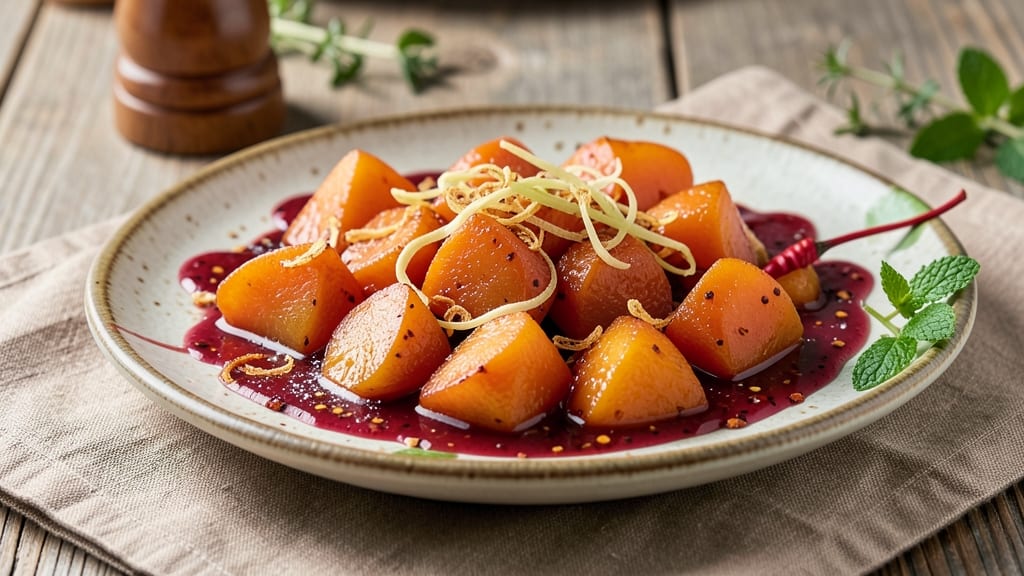
This apricot sweet and sour sauce transforms simple glazes into vibrant, flavor-packed masterpieces with just a few pantry staples. The secret lies in balancing ripe apricots with bright vinegar and just the right touch of sweetness—creating a sauce that’s bold enough for grilled meats but versatile enough to elevate desserts.
I developed this recipe after years of perfecting the art of fruit-based glazes, ensuring every spoonful delivers that perfect harmony of tangy, sweet, and slightly spicy notes.
The process is straightforward: simmer fresh or dried apricots with vinegar, sugar, and a pinch of chili flakes until the mixture reduces to a glossy, syrupy consistency. A splash of cornstarch or honey thickens it just enough to cling beautifully to roasted chicken, pork tenderloin, or even vanilla ice cream.
What makes this sauce special is its adaptability—it works as a glaze, dipping sauce, or even a marinade, all while keeping prep under 20 minutes.
Once complete, you’ll have a sauce that’s rich with apricot’s natural sweetness but cut through with vinegar’s sharp bite, creating a complex flavor profile that lingers. The subtle heat from chili flakes adds depth without overpowering, making it a crowd-pleaser for both savory and sweet applications.
This isn’t just another fruit sauce—it’s a game-changer for anyone looking to add a touch of sophistication to their meals.
Serve it warm over grilled pork chops, drizzle it over vanilla bean ice cream, or use it as a marinade for tofu before roasting. The possibilities are endless, and the best part? You’ll have enough leftovers to enjoy for days. Let’s get started on this versatile, restaurant-worthy sauce.
Ingredients for apricot sweet and sour sauce
Eight simple ingredients for a sauce that shines on everything from grilled meats to desserts.
| Ingredient | Amount | Notes |
|---|---|---|
| Fresh Apricots 🍑 | 1 ½ cups | Pitted and chopped (or sub dried) |
| White Vinegar 🍶 | ½ cup | White or apple cider |
| Granulated Sugar 🍬 | ½ cup | Adjust to taste |
| Chili Flakes 🌶️ | 1 tsp | Or cayenne for smoother heat |
| Fresh Ginger 🧡 | 1 tbsp | Grated, optional for depth |
| Cornstarch 🌾 | 1 tbsp | Or honey for vegan option |
| Garlic Cloves 🧄 | 2 cloves | Minced for aromatic base |
| Salt 🧂 | ½ tsp | Kosher or sea salt |
| Orange Zest 🍊 | 1 tsp | Brightens the sauce |
| Water 💧 | ½ cup | For thinning if needed |
Fresh apricots are the star here, so pick ripe ones with vibrant color—the sweeter, the better. I grab mine at Whole Foods or the local farmers' market when they're in season, but canned apricots in water work in a pinch (just drain them well). The vinegar should be bright white or apple cider—avoid anything with added flavors. Chili flakes can be swapped for cayenne if you prefer a smoother heat, and the ginger adds a nice kick if you're feeling adventurous. Pro tip: if using dried apricots, soak them in warm water for 15 minutes first to soften them up.
No fresh apricots? Canned apricots in water or syrup are perfect—just drain them thoroughly. Running short on vinegar? Lemon juice works too, though it'll add a slightly different tang. The cornstarch is key for thickening, but if you're vegan, honey or maple syrup will do the trick (though the texture will be slightly runnier). For extra depth, add a pinch of ground cinnamon or cardamom. The orange zest might sound fancy, but it's worth it—it brightens up the whole sauce. If you're making this ahead, the sauce actually tastes better the next day as the flavors meld together.
This sauce keeps beautifully in the fridge for up to 2 weeks in an airtight container, though I usually use it up faster than that. For longer storage, freeze it in ice cube trays—perfect for glaze portions later. If it thickens too much after refrigerating, just add a splash of water and reheat gently. The best part? It reheats beautifully, so you can make a big batch and have it ready for whenever the mood strikes. Trust me, you'll want to make extra—it disappears fast!
Why You'll Love This Recipe
- Five-Ingredient Magic: I swear, this sauce comes together with just fresh apricots, a splash of vinegar, sugar, ginger, and chili—no fancy techniques required. Honestly, the hardest part is peeling the ginger, and even that’s just a few swipes of a spoon.
- Sunshine in a Jar: That bright, tangy-sweet balance? It’s like summer in your mouth. The apricots caramelize just enough to give it depth, while the vinegar keeps it sharp—perfect for cutting through rich dishes like pork or tofu.
- Weeknight Superstar: Drizzle it over grilled chicken, toss it with noodles, or serve it with dumplings—this sauce is my go-to for lazy nights when I need flavor fast. Between us, it’s the only thing that makes my freezer meals feel special.
- Budget-Friendly Luxury: Fresh apricots might seem pricey, but a few go a long way when simmered down. I stretch this sauce for days, and the ginger and chili add heat without costing extra. Plus, it’s way cheaper than store-bought sauces with weird additives.
Step-by-step instructions for apricot sweet and sour sauce
This sauce balances sweet, tangy, and spicy flavors perfectly—let's create it together.
Prepare the Apricots and Aromatics
Start by pitting and chopping the 1.5 cups of fresh apricots into small, even pieces—about ¼-inch cubes. This size ensures they soften evenly without turning to mush. In a medium saucepan, combine the apricots with the 0.5 cup of white vinegar, 0.5 cup of granulated sugar, 1 teaspoon of chili flakes, and 2 minced garlic cloves. Stir well to distribute the sugar and vinegar evenly.
Add the 1 tablespoon of grated fresh ginger and 1 teaspoon of orange zest to the pan. The ginger will infuse warmth, while the orange zest brightens the flavors. Bring the mixture to a gentle boil over medium heat, then immediately reduce the heat to low. Let it simmer uncovered for 10 minutes, stirring occasionally. You'll notice the apricots softening and releasing their juices, creating a fragrant, slightly syrupy base.
Thicken the Sauce with Cornstarch
In a small bowl, whisk together the 1 tablespoon of cornstarch and 0.5 cup of water until smooth. This slurry is your secret weapon for achieving that perfect, glossy consistency. Once the apricot mixture has simmered for 10 minutes, carefully pour in the cornstarch mixture while stirring constantly. The sauce should begin to thicken almost immediately—this is your cue to keep stirring vigorously for 2-3 minutes to prevent lumps.
Continue simmering on low heat for another 5 minutes, stirring occasionally. The sauce should now coat the back of a spoon and hold its shape when drizzled. If it's still too thin, add 1 teaspoon of water at a time until you reach the desired thickness. Taste and adjust the seasoning with 0.5 teaspoon of salt—this balances the sweetness and acidity. The sauce should be vibrant, with a perfect harmony of sweet, tangy, and spicy notes.
Simmer and Finish to Perfection
Return the sauce to a gentle simmer and let it cook for an additional 5 minutes. This final step ensures all the flavors meld together beautifully. The apricots should be tender but still hold their shape slightly, and the sauce should glisten with a glossy sheen. If you prefer a smoother texture, use an immersion blender to lightly purée the sauce—just a few pulses will do. For a chunkier texture, leave it as is.
Remove the sauce from heat and let it cool slightly before serving. This resting time allows the flavors to settle and deepen. The sauce is now ready to drizzle over grilled meats, roasted vegetables, or use as a dipping sauce for spring rolls. For extra brightness, garnish with a pinch of chili flakes or a sprinkle of orange zest just before serving. Store any leftovers in an airtight container in the refrigerator for up to 5 days, or freeze for up to 3 months.
Pro Tips For Making Apricot Sweet And Sour Sauce
- PEEL THE GINGER THIN: Skip the thick slices—this sauce needs the ginger’s bright, aromatic punch, not its fibrous texture. Use a spoon to scrape off just the pale yellow layer, then finely mince it. (Yes, it’s tedious, but your sauce will taste like it came from a market stall, not a shortcut.)
- SIMMER LOW AND SLOW: After adding vinegar and sugar, drop the heat to a bare simmer. I learned this the hard way—boiling it hard turns the sauce cloying and dulls the apricot’s natural sweetness. Let it bubble gently for 10-12 minutes, stirring occasionally, until the sugar fully dissolves and the flavors meld.
- PIT THE APRICOTS FIRST: Fresh apricots? Pit them before chopping. A stubborn pit in your sauce is a nightmare to fish out later. Use a small knife to twist it out—no need to go all fancy with a pitter. (And if you’re using dried apricots, soak them first; they’ll plump up and release their flavor better.)
- TAMP THE CHILI FLAKES: Don’t just toss in chili flakes and stir. Lightly crush them between your palms or the side of a knife before adding—this releases their oils and ensures every spoonful has heat, not just flecks. (Pro move: Toast them in the pan for 30 seconds before adding liquid; they’ll smell like a spice market.)
Essential equipment for perfect results
Saucepan Essentials
Start with a medium-sized, heavy-bottomed saucepan—I swear by All-Clad stainless steel because it distributes heat evenly and prevents scorching. A 3-quart pan works perfectly for this recipe, giving you enough room to stir without splattering.
If you don’t have stainless steel, a well-seasoned cast iron skillet (like Lodge) also works—just be extra careful with the heat to avoid sticking. 🔥
Heat Control Tools
A kitchen thermometer is my secret weapon for nailing the perfect simmer. I use a Thermoworks ThermoPop to monitor the temperature between 180-200°F—this ensures the sauce reduces evenly without burning.
If you don’t have one, just watch for gentle bubbles at the edges (not a rolling boil) to keep things in control. A wooden spoon or heat-resistant silicone spatula is essential for stirring without scratching your pan.
Thickening Gadgets
The cornstarch slurry is where the magic happens, so you’ll need a small bowl and a whisk (or fork) to mix it smoothly. For blending, an immersion blender (like Ninja) is a game-changer if you want a silky texture—just a few quick pulses keep the apricot chunks intact.
If you prefer a chunkier sauce, skip blending and use a potato masher for texture. Pro tip: A fine-mesh sieve helps strain any unwanted bits if you’re using canned apricots.
Garnish and Storage
For garnishing, keep orange zest and chili flakes on hand—both add freshness and heat. Store leftovers in glass airtight containers (like Pyrex) to preserve flavor. If freezing, use silicone ice cube trays for portion control—just pop them into a bag and thaw as needed.
A fine-mesh strainer comes in handy if you want to remove seeds or skin before serving.
Optional Upgrades
For extra depth, a mortar and pestle helps grind whole spices like cinnamon or cardamom into the sauce. A garlic press speeds up mincing, and a microplane is perfect for zesting citrus.
If you love precision, a digital scale ensures accurate cornstarch measurements—though a measuring spoon works just fine for home cooks. 💡
Nutrition facts
Frequently asked questions
Can I use dried apricots instead of fresh?
For 1.5 cups fresh apricots, use ½ cup dried apricots instead. Soak them in warm water for 15 minutes first to soften, then drain well before adding to the sauce. The texture will be slightly thicker, so you may need 1 extra tablespoon of water when making the cornstarch slurry.
How do I adjust the sweetness or sourness?
Start with equal parts sugar and vinegar, then taste as you go. For more sweetness, add 1 tablespoon sugar at a time. For extra tang, add 1 teaspoon vinegar (white or apple cider). The sauce should balance sweet, sour, and spicy—like a fruit compote with bite!
Can I make this sauce ahead of time?
Yes! This sauce tastes even better the next day as flavors meld. Store in an airtight container in the fridge for up to 2 weeks. If it thickens too much, just add 1 teaspoon water and reheat gently. For longer storage, freeze in ice cube trays—perfect for quick glazes later.
What are the best ways to use this sauce?
Drizzle over grilled pork chops or chicken, use as a dip for spring rolls, or glaze roasted vegetables. For dessert, try it over vanilla ice cream or yogurt. The heat from chili flakes makes it great with spicy Asian dishes too!
Why did my sauce turn out too thin?
This usually happens if you didn't simmer long enough or used too much water. Next time, cook the cornstarch slurry for 3-4 minutes longer, or add ½ teaspoon more cornstarch (mixed with 1 tsp water) to thicken. Stir constantly to avoid lumps!