
Sauces & Condiments
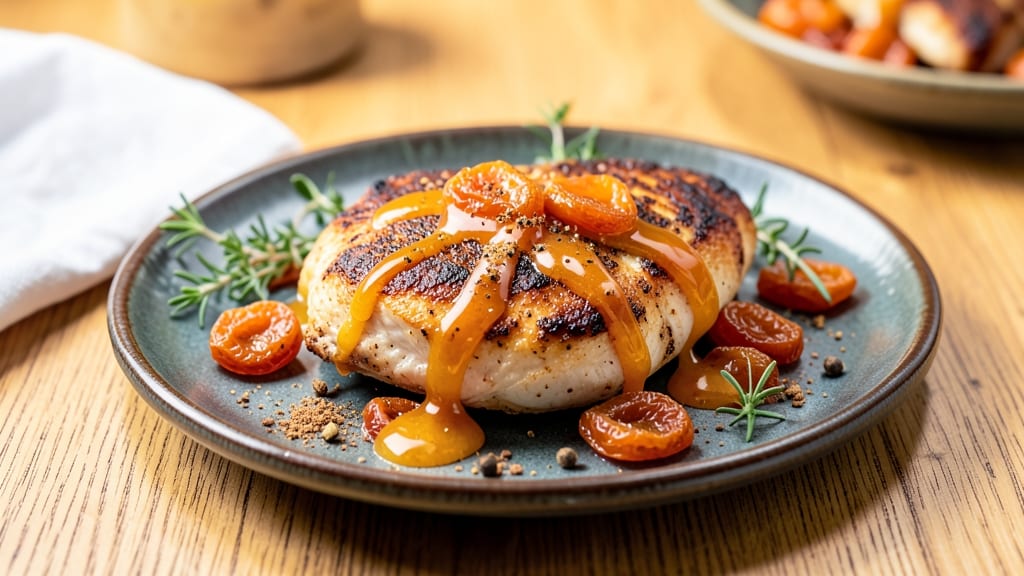
This apricot chicken sauce recipe transforms simple ingredients into a rich, caramelized glaze that balances sweet-tart flavors with warm spices. The secret lies in simmering dried apricots with vinegar and sugar until they break down into a velvety sauce, then blending for that signature smooth texture.
It’s the perfect way to elevate roasted chicken, grilled skewers, or even as a dipping sauce for spring rolls.
The sauce develops depth through a slow reduction, where spices like cinnamon and cloves infuse the liquid with aromatic warmth. Unlike store-bought versions, this homemade glaze stays vibrant and flavorful, with a natural sweetness that caramelizes beautifully.
The process is straightforward—just chop, simmer, and blend—but the result is restaurant-quality, with layers of complexity that make it worth every minute.
What makes this sauce truly special is its versatility. Drizzle it over crispy roasted chicken for a sticky, glistening finish, or serve it as a dip for appetizers. The sweet-tart balance cuts through rich meats while adding a touch of elegance to any dish.
With just a few pantry staples and 30 minutes of active time, you’ll have a sauce that tastes like it took hours to perfect.
For extra richness, finish with a splash of orange juice or a sprinkle of fresh herbs. This sauce keeps well in the fridge for up to a week, making it ideal for meal prep or gifting. Let’s create something that turns ordinary chicken into an extraordinary centerpiece.
Ingredients for apricot chicken sauce
Sweet-tart balance starts with these ten simple ingredients—dried apricots and vinegar as the base, spices to deepen the flavor.
| Ingredient | Amount | Notes |
|---|---|---|
| Dried Apricots 🍑 | 1 cup | Chopped into small pieces |
| White Wine Vinegar 🍷 | ½ cup | Substitute apple cider vinegar |
| Granulated Sugar 🍚 | ½ cup | Light or dark brown sugar works |
| Ground Cinnamon 🌿 | 1 tsp | Freshly ground preferred |
| Ground Cloves 🌶️ | ¼ tsp | Whole cloves work too (3 pieces) |
| Orange Juice 🍊 | ¼ cup | Freshly squeezed preferred |
| Salt 🧂 | ½ tsp | Kosher or sea salt |
| Water 💧 | ½ cup | For thinning if needed |
| Fresh Ginger 🌿 | 1 tbsp | Grated, optional for depth |
| Extra-Virgin Olive Oil 🫒 | 1 tbsp | For finishing drizzle |
Dried apricots are the heart of this sauce, so look for plump, vibrant pieces without wrinkles or dark spots. Trader Joe's and Whole Foods carry the best quality—avoid those shrunken, raisin-like ones. The vinegar should be white wine vinegar for brightness, but apple cider vinegar works in a pinch. Sugar is where the caramelization happens, so don't skimp—light brown sugar adds subtle molasses notes. For the spices, Penzeys or bulk bins at natural food stores ensure freshness. Cloves can be whole or ground—just adjust the amount if using whole (3 cloves = 1/4 tsp ground).
No white wine vinegar? Substitute apple cider vinegar or balsamic vinegar, but reduce to 1/4 cup to avoid overpowering. Fresh ginger adds warmth but isn't mandatory—dried ginger at half the amount works if you're out. The orange juice can be bottled, but freshly squeezed gives that bright pop. For a deeper flavor, simmer the sauce longer—20-30 minutes develops the caramelized depth. If the sauce thickens too much, add water 1 tbsp at a time until it reaches your desired consistency. The olive oil at the end isn't just for richness—it helps emulsify the sauce for that silky texture.
This sauce keeps beautifully—1 week in the fridge sealed in a jar. For longer storage, freeze in ice cube trays and transfer to a bag. Reheat gently on the stove, stirring occasionally. The flavors actually improve after a day or two as the spices infuse further. Store-bought versions can't compete with this homemade version—the natural sweetness and tang make it worth the effort. Double the batch if you're gifting—it's always a crowd-pleaser.
Why You'll Love This Recipe
- Pantry Magic: I swear by this sauce—no fancy shopping trip required. Just dried apricots (soaked overnight, no chopping needed) and spices I already have, plus a splash of vinegar from my fridge. Honestly, it’s the kind of recipe that makes me feel like a chef without the grocery haul.
- Sweet-Spiced Magic: That balance of tart vinegar and caramelized sugar? Chef’s kiss. The cinnamon and cloves give it this warm, cozy depth—like a hug in sauce form. I’ll be real: my kids fight over the last spoonful.
- Weeknight Workhorse: Drizzle it over grilled chicken for dinner, toss it with rice for lunch the next day, or even spoon it onto toast for a sweet-savory snack. Between us, I’ve served it at BBQs, potlucks, and lazy Sunday brunches—it’s that adaptable.
- Budget-Friendly Luxury: A single jar of dried apricots and a spice rack staple stretch to feed four for under $5. The sauce thickens beautifully, so leftovers keep for weeks in the fridge—perfect for when I’m too tired to cook but still crave something special.
Step-by-step instructions for apricot chicken sauce
This sweet-tart glaze delivers caramelized depth with balanced spices and vibrant fruit notes.
Prepare the Apricot Base
In a medium saucepan, combine the 1 cup dried apricots, 0.5 cup white wine vinegar, and 0.5 cup granulated sugar. Bring to a boil over medium-high heat, stirring occasionally to dissolve the sugar completely. The mixture should bubble vigorously and develop a fragrant aroma—this takes about 5 minutes.
Once boiling, reduce heat to medium-low and let it simmer uncovered for 10-12 minutes, stirring frequently. You'll notice the apricots soften and release their juices, creating a thick, syrupy consistency. This simmering process caramelizes the sugar and extracts maximum fruit flavor—don't rush this step or the sauce will taste flat.
Add Spices and Orange Juice
After the apricot mixture has thickened, stir in the 1 tsp ground cinnamon, 0.25 tsp ground cloves, and 0.5 tsp salt. These warm spices will infuse the sauce with aromatic depth. Add the 0.25 cup orange juice and 1 tbsp freshly grated ginger, then return the heat to medium-low. Simmer for another 5 minutes, allowing the spices to bloom and the flavors to meld.
Here's the thing—you want the sauce to develop complexity, not just sweetness. The ginger and cloves add warmth, while the orange juice brightens the tartness. Taste the mixture now—it should balance sweet, tart, and spicy notes. If it's too thick, add 1-2 tablespoons of water to reach your desired consistency for glazing.
Finish with Olive Oil
Remove the saucepan from heat and stir in the 1 tbsp extra-virgin olive oil. This final step adds richness and helps the sauce cling beautifully to chicken or other proteins. Let the sauce sit off the heat for 5 minutes to cool slightly—this allows the flavors to settle and the texture to thicken naturally.
For best results, use the sauce immediately while still warm. If storing, transfer to an airtight container and refrigerate for up to 5 days. The sauce will thicken further as it cools, so you may need to thin it with a splash of water or orange juice when reheating. This glaze works beautifully drizzled over roasted chicken, grilled meats, or even as a dip for fresh fruit.
Pro Tips For Making Apricot Chicken Sauce
- SOAK THE APRICOTS FIRST: Dried apricots are tough little devils when dry—soak them in warm water for 10 minutes before adding to the sauce. This isn’t just about softening; it’s about them actually breaking down and releasing their jammy sweetness instead of sitting like chewy raisins in your glaze.
- SIMMER LOW AND SLOW: This sauce isn’t a race. After adding the vinegar and sugar, reduce heat to a gentle simmer and let it bubble for at least 15 minutes. Rushing it will leave you with a thin, cloying syrup instead of a rich, caramelized coating that sticks to chicken like it belongs there.
- STRAIN THE SPICES: Ground cinnamon and cloves are convenient, but they burn faster than you’d think. Toast them lightly in a dry pan for 30 seconds first, then strain them through a fine-mesh sieve before mixing into the sauce. Your sauce will taste deeper, and you won’t end up with gritty mouthfuls.
- BALANCE THE VINEGAR: White wine vinegar cuts through the sweetness, but too much makes the sauce taste harsh. Start with 1 tablespoon per cup of liquid, then taste as you go—add a splash of water or a pinch more sugar to adjust. The goal is bright acidity, not a mouth-puckering punch.
Pro cooking tips for apricot chicken sauce
Simmering for Depth
Let the sauce simmer uncovered for the full 10-12 minutes—this isn’t just about reducing liquid. The uncovered pan allows excess moisture to evaporate while caramelizing the sugars, creating that rich, glossy finish.
I’ve found that medium-low heat is key here: too high, and the sauce burns; too low, and it never develops proper depth. Stir every 2 minutes to prevent sticking and ensure even caramelization. 🔥
Spice Infusion Trick
Add the cinnamon and cloves when the apricots have already softened—this ensures they dissolve completely into the sauce rather than settling at the bottom. For extra aromatic punch, lightly toast the whole spices in a dry pan for 30 seconds before grinding them.
The toasted spices add a subtle smoky note that elevates the dish. If you’re using whole cloves, simmer them in the sauce for 10 minutes before straining—this extracts maximum flavor.
Balancing Sweet-Tart
Taste the sauce before adding orange juice—this is your flavor checkpoint. If it’s too sweet, add 1 tsp more vinegar to cut through. If it’s too tart, stir in ½ tsp more sugar. The orange juice should brighten the sauce, not overpower it.
For a tangier finish, add 1 tsp lemon juice at the end. The goal is a 60/40 sweet-tart ratio—adjust to your taste, but don’t skip this step!
Olive Oil Finish
The extra-virgin olive oil isn’t just for richness—it emulsifies the sauce, giving it a silky texture that clings beautifully to chicken. Use a high-quality oil like California Avocado Ranch or Colavita for the best flavor.
Stir it in off the heat to prevent it from separating. Let the sauce sit for 5 minutes before using—this resting time allows the flavors to meld and the texture to thicken naturally. 💫
Thinning Techniques
If your sauce thickens too much while simmering, water is your friend—but use it sparingly. Start with 1 tbsp and add 1 tsp at a time until you reach a glazing consistency. For a lighter drizzle, thin with orange juice instead.
If the sauce is too thin after cooling, simmer it uncovered for 5-10 minutes to reduce it naturally. Avoid adding cold water directly to hot sauce—it can cause the sauce to seize up.
Make-Ahead Pro Tip
This sauce tastes even better the next day—the flavors deepen as the spices infuse further. If prepping ahead, store it in a glass jar in the fridge. When reheating, warm it gently on the stove over low heat, stirring constantly to prevent scorching.
If it thickens too much, add 1 tbsp water or orange juice to restore its glossy texture. Double the batch and freeze half in ice cube trays for quick portions later! ❄️
Nutrition facts
Frequently asked questions
Can I use fresh apricots instead of dried?
Fresh apricots won't work the same way—they contain too much water and won't develop the same caramelized depth. Dried apricots concentrate the fruit's natural sweetness and texture perfectly for this sauce. If you must use fresh, peel and chop 2 cups and simmer them for 15 minutes first to reduce moisture, then proceed with the recipe as written.
How do I adjust the sweetness for a less sugary version?
Reduce the sugar to 1/4 cup and increase the vinegar to 1/3 cup for a more tart balance. For extra depth, add 1 tsp honey at the end instead of olive oil. Taste frequently—this sauce should still have a natural sweetness from the apricots, but the tartness will dominate.
What's the best way to use this sauce with chicken?
For roasted chicken, brush the sauce on during the last 10 minutes of cooking at 375°F for a caramelized crust. For grilled chicken, baste it with the sauce while cooking. For extra richness, marinate chicken breasts in 2 tbsp sauce + 1 tbsp olive oil for 2 hours before cooking. It also works as a dip for spring rolls or drizzled over rice dishes.
Why did my sauce turn out grainy?
Graininess usually means the apricots didn't soften enough. Simmer them uncovered for the full 10-12 minutes and stir frequently. If using whole spices, strain the sauce through a fine-mesh sieve after simmering. For a smoother texture, blend the cooled sauce with an immersion blender for 10 seconds.
Can I make this sauce in a slow cooker?
Yes! Combine all ingredients except olive oil in the slow cooker on Low for 3-4 hours, stirring occasionally. The sauce will reduce more slowly, so you may need to add 1-2 tbsp water if it gets too thick. Finish with olive oil as directed. This method works well for meal prep—just reheat gently before serving.