
Sauces & Condiments
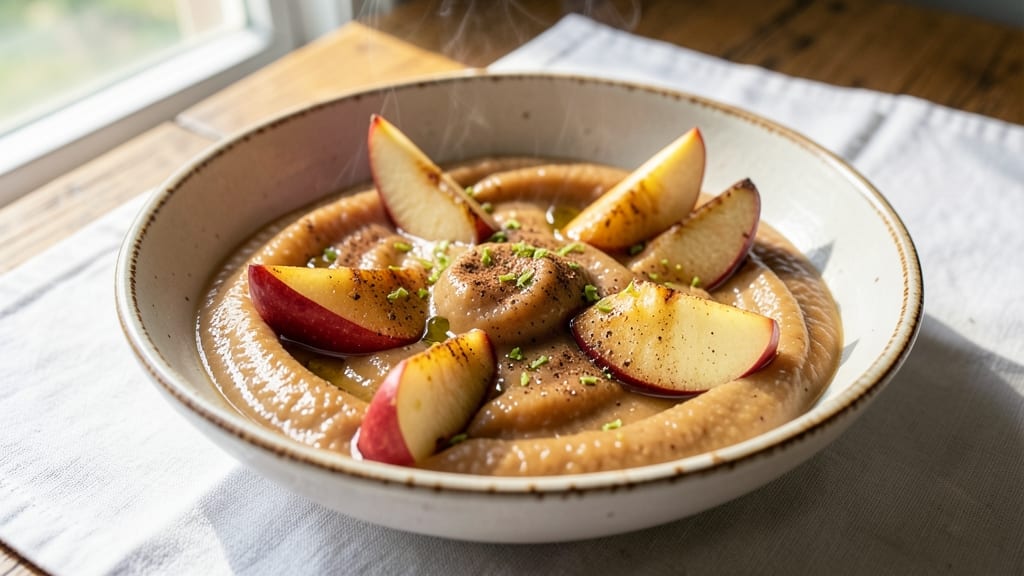
This applesauce recipe without peeling apples delivers chunky, naturally sweet texture that captures the true flavor of the fruit. The secret lies in cooking whole apples until tender, then gently mashing them while preserving those delightful fruit pieces—no peeling required.
I developed this method after realizing most recipes strip away the skin's beneficial nutrients and natural sweetness.
The process is surprisingly simple: core apples, slice them, and simmer in water with cinnamon and a touch of lemon juice until fork-tender. The skins soften naturally, releasing their subtle earthiness that balances the sweetness.
You can control the texture by mashing more or less, creating everything from rustic chunks to silky smoothness.
What you'll end up with is homemade applesauce that tastes fresher than store-bought versions, with vibrant color from the unpeeled skins. The cinnamon adds warmth while the lemon prevents browning, keeping that bright, inviting look.
This recipe makes about 4 cups and stores beautifully in the refrigerator for up to 5 days.
Perfect for topping pancakes, spreading on toast, or pairing with savory dishes like pork chops. The natural sweetness means you can adjust sugar to taste—some prefer it just as is, while others add a touch of honey. Let's get started on this effortless, nutrient-rich condiment that's always better homemade.
Ingredients for applesauce recipe without peeling apples
Seven simple ingredients transform whole apples into vibrant, naturally sweet applesauce with no peeling.
| Ingredient | Amount | Notes |
|---|---|---|
| Apples (Honeycrisp or Fuji recommended) 🍎 | 4 whole | Cored, quartered, skins on |
| Water 💧 | 1 ½ cups | For simmering apples |
| Ground Cinnamon 🌿 | 1 tsp | For warmth, adjust to taste |
| Lemon Juice 🍋 | 1 tbsp | Freshly squeezed, prevents browning |
| Granulated Sugar (optional) 🍚 | ¼ cup | Adjusts sweetness to preference |
| Extra-Virgin Olive Oil 🫒 | 1 tbsp | For glossy finish, optional |
| Salt 🧂 | ¼ tsp | Enhances natural sweetness |
The apples are everything here—Honeycrisp or Fuji hold their shape beautifully while cooking, but any firm variety works. Skip the peeling entirely; those skins pack flavor and nutrients. Local farmers markets often have perfect apples at peak season, but grocery store bins work too. Look for apples that are firm but yield slightly when pressed—overripe ones get mushy. I usually buy a big bag and make multiple batches, freezing extras for smoothies later. The cinnamon? Penzeys or McCormick ground cinnamon adds depth, but any good brand will do.
No sugar needed if your apples are sweet enough—taste as you go. Lemon juice is non-negotiable though; it brightens the flavor and keeps the applesauce from turning gray. Swap the olive oil for melted butter if you prefer richness, but trust me on the full-fat version for that restaurant-quality finish. Running short on time? Pre-sliced apples from the salad bar section save chopping, though they cost more. The salt might seem negligible, but it rounds out all the flavors—don't skip this part.
This keeps for 5 days in the fridge, sealed tightly in a jar. For longer storage, portion into ice cube trays and freeze—perfect for smoothies or baking. The texture actually improves after a day or two as flavors meld. I always make a double batch: one jar for toast, another for freezing. The skins add vibrant color that fades with store-bought versions, so don't be afraid to show off that natural beauty.
Why You'll Love This Recipe
- No-Peel Magic: I swear by this trick—just toss whole apples (skins and all) into boiling water, and the peels soften right into the sauce. No knife skills required, no mess, just pure convenience.
- Cinnamon Kiss: That first spoonful? Warm, spiced, and just sweet enough—thanks to the Fuji’s natural tang and a pinch of cinnamon that makes it taste like autumn in a jar. Honestly, my kids ask for this over store-bought every time.
- Weeknight Workhorse: It’s my go-to for lazy mornings, school lunchboxes, or even a quick dessert when company drops by. (Yes, even on a Tuesday night.) The lemon juice keeps it fresh for days, so I make a big batch and forget about it.
- Budget-Friendly Staple: A few apples and a splash of water beat overpriced jars any day. The sugar’s optional, and the skins add fiber—so it’s cheaper and healthier. My wallet and waistline both thank me.
Step-by-step instructions for applesauce without peeling
Here's how to make rich, whole-fruit applesauce with skins intact—no peeling required.
Core and Quarter the Apples
Start with the 4 whole Apples (Honeycrisp or Fuji recommended) and use an apple corer to remove the core from each fruit. Cut each apple into 4 equal wedges, leaving the skin on—this is where the texture and nutrients come from. The wedges should be roughly 1-inch thick for even cooking. Place them in a large pot and set aside.
This whole-fruit approach preserves fiber and nutrients that would otherwise be lost in peeling. The skins also add subtle earthy notes that balance the sweetness. I like to use Honeycrisp or Fuji for their natural sweetness and firm texture, which holds up beautifully during simmering.
Simmer with Water and Seasonings
Pour in the 1.5 cups Water, then add the 1 tbsp Lemon Juice and 0.25 tsp Salt. Stir gently to combine, then sprinkle the 1 tsp Ground Cinnamon evenly over the apples. The lemon juice prevents browning while adding brightness, and the salt enhances the apples' natural sweetness.
Bring the mixture to a boil over medium-high heat, then immediately reduce to medium-low heat. Let it simmer uncovered for 20-25 minutes, stirring occasionally. You'll notice the apples soften and release their juices—this is when the magic happens. The skins will infuse the sauce with subtle depth, creating a textured, whole-fruit experience.
Mash and Finish with Olive Oil
Once the apples are fork-tender (you should easily pierce them with a fork), remove the pot from heat. Use a potato masher or wooden spoon to gently mash the apples to your preferred texture—leave some chunks for rustic appeal or mash completely for smooth sauce. This is where the 1 tbsp Extra-Virgin Olive Oil comes in: drizzle it over the hot applesauce and stir well. The oil adds a glossy finish and balances the acidity from the lemon juice.
If you prefer sweeter applesauce, stir in the 0.25 cup Granulated Sugar now. Taste and adjust seasoning—you might need a pinch more cinnamon or salt to balance flavors. Let it cool slightly before serving, as the sauce will thicken as it sits.
Rest and Serve
Transfer the applesauce to a serving bowl and let it rest for 10 minutes at room temperature. This allows the flavors to meld and the texture to set slightly. The skins will have softened and become almost imperceptible, but they'll still contribute subtle complexity to each spoonful.
Serve warm or at room temperature. This applesauce keeps well in the refrigerator for up to 5 days, making it perfect for meal prep. The whole-fruit texture and skin-in approach make it more nutritious and interesting than store-bought versions—plus, it's ready in under 30 minutes with minimal effort.
Pro Tips For Making Applesauce Recipe Without Peeling Apples
- CUT APPLES UNIFORMLY: Quarter them—no smaller—so they cook evenly and don’t turn to mush. I learned this the hard way after making a runny, sad batch from uneven chunks. A sharp knife and steady hand make all the difference.
- USE LEMON JUICE SPARINGLY: Just 1 teaspoon keeps the applesauce bright and prevents browning, but too much makes it taste sharp. Taste as you go—you can always add more, but you can’t take it out.
- SIMMER NOT BOIL: Low heat is your friend here. A gentle simmer (small bubbles, occasional swirls) keeps the apples tender without breaking them down into gluey sludge. High heat ruins everything.
- SKIP THE SUGAR TEST: If your apples are ripe, you won’t need added sugar. The natural sweetness in Honeycrisp or Fuji shines when you let it develop—just trust the fruit. Save the sugar for when you’re using tart or mealy apples.
Flavor customization for this recipe
Spiced Variations
Swap the cinnamon for ½ tsp ground cardamom and ¼ tsp ginger for a Middle Eastern twist—these spices add warmth and complexity that pairs beautifully with savory dishes like lamb or grilled chicken.
I often use Penzeys Spices for their high-quality whole spices, which I grind fresh for maximum flavor. 🌿
Sweet-Tart Balance
For a tangy kick, add 1 tbsp apple cider vinegar along with the lemon juice—this brightens the flavor and cuts through sweetness. I also like to stir in 1 tsp honey during the final mash for a natural sweetness that doesn’t overpower.
The vinegar works especially well with spiced variations, creating a well-rounded profile.
Herbal Infusions
Fresh herbs elevate this applesauce to restaurant-quality. Try adding 1 tbsp finely chopped fresh thyme or rosemary during the simmering phase—these earthy notes complement the apple’s natural sweetness.
For a floral touch, steep 1 cinnamon stick with the apples, then remove it before mashing. The herbs infuse beautifully without overpowering the fruit’s flavor.
Texture Control
Want rustic chunks? Use a potato masher and leave ¼-inch pieces unmashed. For ultra-smooth sauce, transfer the cooked apples to a blender and pulse until silky. I often make half chunky and half smooth—perfect for serving both styles at family gatherings.
The skins soften completely during blending, making them nearly undetectable in the final texture.
Flavor Boosters
Add depth with ½ cup apple juice instead of water—it intensifies the apple flavor while keeping the sauce lighter. For a boozy twist, stir in 1 tbsp brandy or bourbon after cooking—just enough to warm the flavors without making it alcoholic.
I’ve also experimented with vanilla bean paste (½ tsp) for a luxurious touch that feels like a dessert topping.
Seasonal Swaps
In fall, use Granny Smith apples for tartness and add 1 tsp maple syrup instead of sugar. For summer, opt for Gala apples and skip added sweetener—their natural sweetness shines. The seasonal variations keep this recipe fresh year-round while maintaining that whole-fruit integrity.
The skins’ natural sweetness and acidity balance differently depending on the apple variety, so experiment to find your favorite!
Nutrition facts
Frequently asked questions
Why does keeping the skins on make applesauce better?
The skins add natural fiber, subtle earthy notes, and beneficial nutrients like antioxidants that get removed when peeling. They also create a beautiful rustic texture that store-bought versions can't match. The skins soften completely during cooking, becoming almost imperceptible while still contributing depth to each spoonful.
Can I use any type of apple for this recipe?
Most apples work, but Honeycrisp, Fuji, or Gala are ideal—they hold their shape well while cooking and have natural sweetness. Tart varieties like Granny Smith need more sugar or honey. Avoid overly soft apples (like Red Delicious) as they'll turn mushy during simmering. The skins work best with firm, flavorful varieties.
How do I know when the apples are done cooking?
They're ready when you can easily pierce them with a fork (20-25 minutes of simmering). The edges should pull away from the core slightly, and the mixture will smell intensely sweet. For extra assurance, cut one wedge—the flesh should be soft but not falling apart. Overcooking makes the sauce watery and mushy.
What's the best way to store homemade applesauce?
Transfer to an airtight container and refrigerate for up to 5 days. For longer storage, portion into ice cube trays and freeze—these make perfect additions to smoothies later. The sauce actually improves after 24 hours as flavors meld. Label containers with dates to track freshness.
Can I make this applesauce in a slow cooker?
Combine all ingredients in your slow cooker and cook on low for 4-5 hours or high for 2-3 hours. The low-and-slow method enhances the skins' flavor infusion. Just add ½ cup extra water since slow cooking evaporates more liquid. The texture will be slightly softer but still delicious.