
Sauces & Condiments
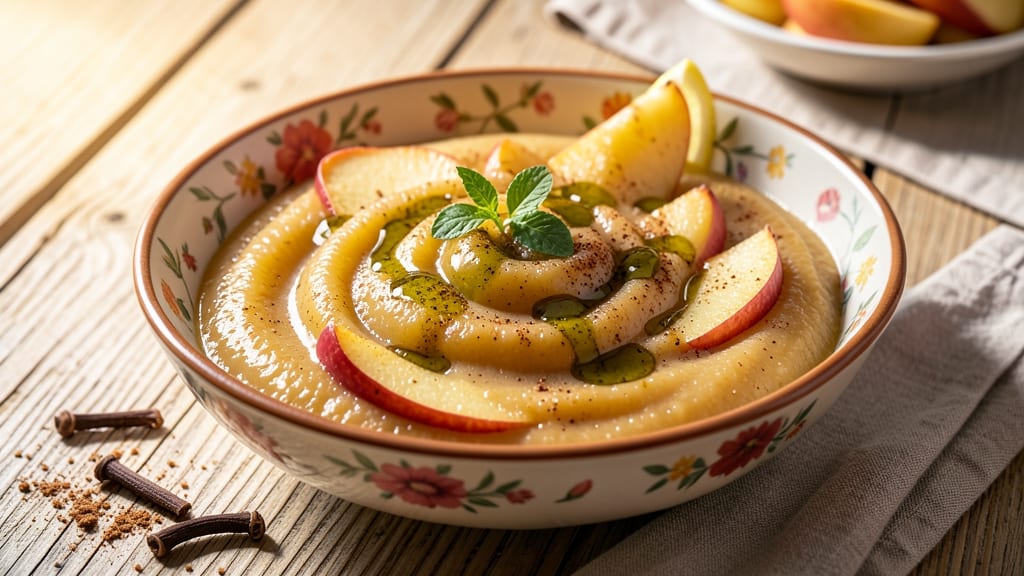
This applesauce recipe using unpeeled apples transforms simple fruit into a fibrous, naturally sweet condiment that preserves all the goodness of the peel. The secret lies in slow cooking, which softens the apples while maintaining their natural texture and nutrients—no peeling required.
This method creates a sauce that's perfect for spreading, baking, or enjoying on its own, with a depth of flavor you won't find in store-bought versions.
The beauty of this recipe is its simplicity: just apples, water, and a touch of sweetener if desired. By keeping the peels intact, you retain extra fiber and antioxidants, making this applesauce not only delicious but also packed with nutritional benefits.
The cooking process is straightforward, requiring minimal effort but yielding a rich, velvety texture that's ideal for both everyday use and special occasions.
What sets this applesauce apart is the way the unpeeled apples develop a slightly rustic, earthy sweetness as they cook down. The result is a sauce that's versatile enough for breakfast toast, pie fillings, or even as a topping for oatmeal.
The natural fiber from the peels adds a pleasant bite, balancing the smoothness of the applesauce itself.
Once complete, this applesauce keeps beautifully in the refrigerator for up to a week or can be frozen for longer storage.
Whether you're looking for a healthier alternative to store-bought options or simply want to enjoy the natural sweetness of apples in their entirety, this recipe delivers restaurant-quality results with minimal effort.
Ingredients for applesauce recipe unpeeled apples
Just eight ingredients transform humble apples into restaurant-quality applesauce with fiber-rich peels intact.
| Ingredient | Amount | Notes |
|---|---|---|
| Unpeeled Apples 🍎 | 4 lb | Mixed varieties for balance |
| Water 💧 | 2 cups | Filtered or spring water preferred |
| Raw Cane Sugar 🍯 | ¼ cup | Or maple syrup for vegan option |
| Fresh Lemon Juice 🍋 | 1 tbsp | Brightens flavor naturally |
| Ground Cinnamon 🌿 | ½ tsp | For subtle warmth |
| Extra-Virgin Olive Oil 🫒 | 1 tbsp | Prevents sticking during cooking |
| Sea Salt 🧂 | ¼ tsp | Enhances natural sweetness |
| Vanilla Extract 🌸 | ½ tsp | Optional depth of flavor |
The apples are the star—mix sweet varieties like Fuji with tart ones like Granny Smith for balance. Local farmers markets often have the freshest, most flavorful apples, but any organic apples work. Avoid red delicious—they're mealy and lack depth. If you're using pre-cut apples from the store, rinse them well to remove any waxes. The peels are where the fiber lives, so don't skip them! For the sweetener, raw cane sugar has molasses notes that complement the apples beautifully, but maple syrup works perfectly if you prefer a vegan option. The lemon juice isn't just for acidity—it helps preserve color during cooking.
No fresh lemon? Bottled lemon juice works in a pinch, but add a pinch of salt to compensate for the lack of freshness. Short on cinnamon? Nutmeg at half the amount gives a similar warmth. The olive oil might seem odd, but it creates a protective layer that prevents the apples from sticking to the pot—trust me on this. For a more rustic texture, skip the sugar entirely and rely on naturally sweet apples. The vanilla extract is optional but adds a subtle complexity that makes this applesauce feel like a gourmet treat. If you're using maple syrup instead of sugar, reduce the water by 1/4 cup since maple syrup is thinner.
This applesauce tastes even better the next day as flavors meld. Store in an airtight glass jar in the fridge for up to 1 week. For longer storage, portion into ice cube trays, freeze, then transfer to a bag—perfect for smoothies or quick breakfasts. The texture will be slightly thicker after freezing, so add a splash of water when reheating. If you end up with extra, it makes an excellent topping for vegan pancakes or oatmeal—just what you need for a cozy morning. The peels keep it naturally thick and fibrous, so no blending required unless you prefer a smoother texture.
Why You'll Love This Recipe
- No Peel, All Flavor: I’ll be real—skipping the peeling saves me 10 minutes and keeps the texture perfect. Those unpeeled apples hold their shape just right, giving you that classic chunky applesauce without the fuss of coring and slicing.
- Sweet-Tart Magic: That splash of fresh lemon juice and raw cane sugar? Chef’s kiss. It’s the perfect balance—sweet enough to satisfy, but bright enough to keep your taste buds dancing. Honestly, store-bought can’t compete.
- Meal Prep MVP: This makes ridiculously good leftovers—warm it up for breakfast, toss it in overnight oats, or spread it on toast. I keep a jar in the fridge all week, and no one ever complains (even my picky 10-year-old).
- Budget-Friendly Staple: Apples, sugar, cinnamon—these are pantry basics that won’t break the bank. Between us, this recipe stretches to feed a crowd or last for days, and you’re not sacrificing quality for the price tag.
Step-by-step instructions for perfectly textured unpeeled applesauce
Here's how to transform whole apples into silky, fiber-rich applesauce without peeling.
Core and Quarter the Unpeeled Apples
Start by washing the 4 lb unpeeled apples thoroughly under cool water to remove any dirt or wax. Using a sharp chef's knife, carefully cut off the stems and blossom ends. Then slice each apple into quarters, leaving the skin intact—this is where the fiber magic happens. For easier handling, remove the cores by cutting around the central stem area and lifting them out. You should end up with about 16-20 apple quarters depending on size.
Here's the thing—keeping the skins on adds natural fiber and nutrients, but it also means you'll want to cook them slightly longer. The skin softens beautifully during cooking, creating that perfect textural contrast between the tender flesh and slightly chewy exterior. Don't worry about peeling now; we'll let the cooking process handle that for us.
Sauté the Apples for Depth of Flavor
Heat a large, heavy-bottomed pot over medium heat and add the 1 tbsp extra-virgin olive oil. Once the oil shimmers (about 1 minute), add the apple quarters in a single layer. Let them cook undisturbed for 3-4 minutes until they develop a light golden color on the cut sides. This step caramelizes the natural sugars, creating a more complex flavor profile than simply simmering raw apples.
After the initial browning, gently stir the apples and continue cooking for another 2-3 minutes. The olive oil helps prevent sticking and adds a subtle richness that complements the apples' natural sweetness. If your pot gets crowded, work in batches to avoid steaming instead of browning. This sautéing step is what transforms good applesauce into exceptional applesauce.
Simmer with Aromatics and Seasonings
Pour in the 2 cups water, then add the 0.25 cup raw cane sugar, 0.5 tsp ground cinnamon, 0.25 tsp sea salt, and 1 tbsp fresh lemon juice. Stir gently to combine, making sure all the apple pieces are submerged. Bring the mixture to a gentle boil over medium-high heat, then immediately reduce to low heat. The sugar will dissolve quickly, but don't worry if it takes a minute—the heat will help it integrate perfectly.
Now comes the waiting game. Let the apples simmer uncovered for 25-30 minutes, stirring occasionally. You're looking for the apples to become fork-tender with just a slight resistance when pierced. The lemon juice brightens the flavor while preventing the apples from turning mushy, and the cinnamon adds that warm, comforting note that makes applesauce special. If the mixture gets too thick before the apples are tender, add 1-2 tablespoons of water to maintain the right consistency.
Finish with Vanilla and Achieve Perfect Texture
Once the apples are tender (they should collapse slightly when pressed), stir in the 0.5 tsp vanilla extract. This is where the magic happens—the vanilla adds a subtle depth that rounds out all the other flavors. Let the mixture simmer for another 5 minutes to allow the vanilla to infuse completely. The sauce should now be thick but still spoonable, with a beautiful balance between the fibrous texture from the skins and the smoothness of the cooked flesh.
For the best texture, mash about half of the applesauce with a potato masher or wooden spoon while leaving the other half slightly chunky. This creates that perfect contrast of textures that makes this applesauce so satisfying. Taste and adjust seasoning if needed—you might want to add a pinch more salt or cinnamon to suit your preference. The applesauce should be sweet but not cloying, with the acidity from the lemon juice cutting through the natural sweetness.
Pro Tips For Making Applesauce Recipe Unpeeled Apples
- CUT APPLES UNIFORMLY: I learned this the hard way—chopping apples into ½-inch pieces before cooking saves time and prevents some from turning to mush while others stay hard. A sharp knife and a steady hand make all the difference; don’t rush, or you’ll regret it later.
- USE LESS WATER: Start with just ¼ cup water for every 4 cups of apples—you’ll need more if they’re particularly dry, but too much water dilutes the flavor. I used to drown them like a nervous first-timer, but now I add water gradually while cooking and end up with a thicker, more concentrated sauce.
- STIR EARLY, OFTEN: After burning three batches, I finally figured out that apples stick to the pot like glue when they’re hot. Stir every 3-4 minutes in the first 10 minutes of cooking—yes, even if you’re impatient like me—to keep them from caramelizing into a sad, stuck-on mess.
- SIMMER LOW AND SLOW: Once the apples soften (about 15 minutes), drop the heat to low and let them cook uncovered for another 10-15 minutes. This evaporates excess liquid, intensifies the apple flavor, and gives you that perfect chunky texture—no blender required. Sounds weird, but it works.
Best sauces and condiments for this dish
Caramelized Onion Topping
Take your applesauce to the next level by topping it with homemade caramelized onions. Slice 1 large yellow onion into ¼-inch strips and cook in 1 tbsp olive oil over low heat for 25-30 minutes until deep golden brown.
The sweetness of the onions pairs beautifully with the natural tartness of the applesauce, creating a rich, complex flavor profile. 🌟
Spiced Nuts Enhancement
Add a crunchy contrast by sprinkling toasted, spiced nuts on top. Toss ½ cup mixed nuts (walnuts, pecans, or almonds) with ½ tsp cinnamon, ¼ tsp cayenne pepper, and 1 tsp maple syrup, then toast in a dry skillet over medium heat for 5-7 minutes until fragrant.
The warmth of the spices complements the applesauce perfectly.
Herb-Infused Olive Oil Drizzle
Elevate your applesauce with a drizzle of herb-infused olive oil. Heat 2 tbsp extra-virgin olive oil with 1 tbsp fresh thyme and 1 tsp fresh rosemary in a small saucepan over low heat for 3 minutes.
Strain and drizzle over the applesauce just before serving. The herbal notes add a sophisticated depth that balances the sweetness.
Creamy Coconut Swirl
For a tropical twist, stir in 2 tbsp coconut cream (from a can of full-fat coconut milk) and swirl it into the applesauce before serving. The creamy texture contrasts beautifully with the fibrous texture of the unpeeled apples, while the coconut adds a subtle sweetness.
This works especially well if you're using tart apple varieties like Granny Smith.
Balsamic Glaze Drizzle
Add a tangy contrast with a balsamic glaze. Simmer 2 tbsp balsamic vinegar in a small saucepan over medium heat for 5-7 minutes until it reduces to a syrupy consistency. Drizzle lightly over the applesauce just before serving. The acidity cuts through the sweetness, adding a sophisticated restaurant-quality finish. ✨
Nutrition facts
Frequently asked questions
Why keep the peels on when making applesauce?
The peels contain extra fiber and nutrients like vitamin C and antioxidants that get lost when peeled. Keeping them on creates a naturally thicker, more fibrous texture that's more satisfying. The skins also add subtle depth of flavor as they soften during cooking, making your applesauce taste more complex than store-bought versions.
Can I use any type of apple for this recipe?
For best results, mix sweet varieties like Fuji or Gala with tart ones like Granny Smith or Braeburn. The combination creates a balanced flavor. Avoid Red Delicious—they're mealy and lack depth. Organic apples work perfectly, but if using conventional, wash thoroughly to remove wax.
How do I know when the apples are fully cooked?
The apples are done when they're fork-tender with just a slight resistance (about 25-30 minutes of simmering). They should collapse slightly when pressed but still hold their shape. Overcooking turns them mushy, so test a piece early if you're unsure—you can always cook longer if needed.
Can I make this applesauce without sugar?
Use naturally sweet apples like Honeycrisp or Ambrosia and reduce the water by ¼ cup. For tart varieties, add 1 tbsp lemon juice to enhance natural sweetness. The texture will be slightly thinner, but the flavor will be more complex with just the fruit's inherent sugars.
How long will this applesauce keep in the fridge?
Store in an airtight glass jar in the refrigerator for up to 1 week. The texture thickens as it sits, so stir before serving. For longer storage, freeze in ice cube trays—perfect for smoothies or quick breakfasts. Thaw overnight in the fridge before using.