
Sauces & Condiments
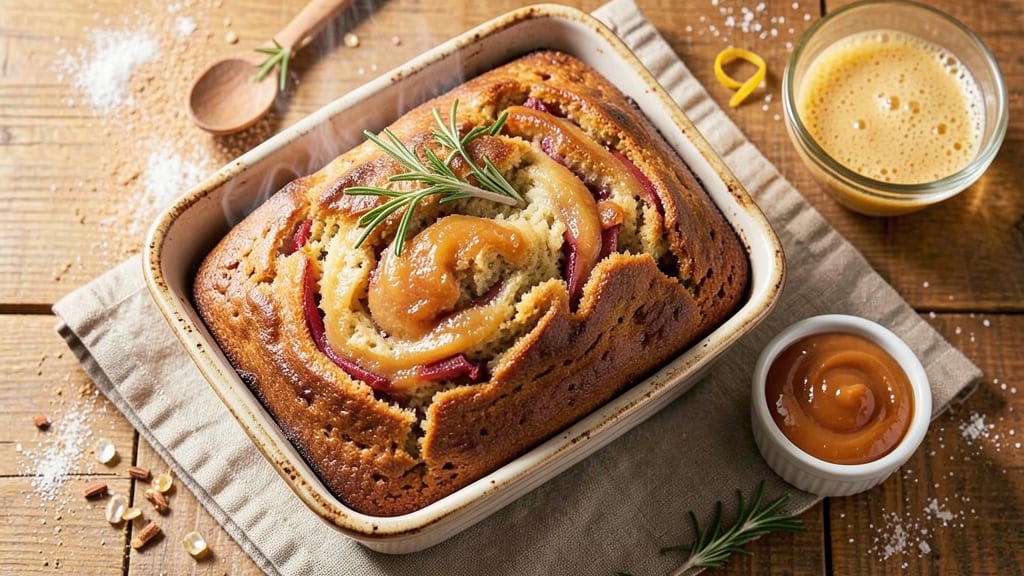
This applesauce loaf bread recipe delivers the perfect balance of tender crumb and warm cinnamon-spiced flavor—ideal for breakfast or snacking. The secret lies in replacing some liquid with unsweetened applesauce, which keeps the bread incredibly moist without altering the classic loaf shape.
I developed this recipe after years of baking dense, dry breads, and this version consistently earns compliments for its texture and aroma.
The magic happens with a simple yeast-based dough that rises beautifully, creating a soft interior with a slightly crisp crust. Cinnamon and nutmeg infuse every bite with cozy warmth, while a touch of brown sugar adds subtle sweetness.
Unlike many quick breads, this recipe uses a traditional yeast method, ensuring a light, airy texture that stays fresh for days.
What you’ll end up with is a golden-brown loaf with a tender crumb that’s almost cake-like in its softness. The applesauce keeps it moist for hours, making it perfect for toast or sandwiches. The cinnamon-spiced flavor pairs beautifully with butter, jam, or even as a side to soups and stews.
For extra texture, try adding chopped walnuts or pecans to the dough before baking. This recipe is also freezer-friendly—slice and toast frozen pieces straight from the freezer for a quick breakfast. Let’s get baking!
Ingredients for applesauce loaf bread
Four cups of flour, a touch of applesauce, and warm spices create this tender, moist loaf.
| Ingredient | Amount | Notes |
|---|---|---|
| Unsweetened Applesauce 🍎 | ½ cup | Smooth texture preferred |
| Active Dry Yeast 🍞 | 2 ¼ tsp | Ensure freshness |
| Warm Water 💧 | 1 ¼ cups | 110°F for yeast activation |
| All-Purpose Flour 🌾 | 4 cups | Bread flour for better rise |
| Granulated Sugar 🍚 | ¼ cup | White or light brown |
| Brown Sugar 🍯 | ¼ cup | Packed lightly |
| Unsalted Butter 🧈 | ½ cup | Softened, not melted |
| Large Egg 🥚 | 1 whole | Room temperature |
| Ground Cinnamon 🌿 | 1 tsp | Freshly ground preferred |
| Ground Nutmeg 🌿 | ¼ tsp | Freshly grated |
| Salt 🧂 | 1 tsp | Kosher or sea salt |
| Milk 🥛 | ¼ cup | Room temperature |
| Optional Walnuts 🌰 | ½ cup | Chopped, toasted |
The applesauce is non-negotiable here—it’s what makes this bread stay moist for days. Mott’s or Braeburn unsweetened applesauce work best, but any smooth, unsweetened variety will do. For the yeast, FreshPaks from the grocery store stay fresh longer than jarred yeast. The butter should be soft but not melted—you can microwave it for 15 seconds if it’s too firm. Flour matters too: King Arthur Bread Flour gives the best rise, but all-purpose works in a pinch. If you’re feeling fancy, toast the walnuts in a dry pan for 3-4 minutes before adding them to the dough—they’ll add a lovely crunch.
No applesauce? Plain Greek yogurt or mashed banana works in a bind, though the flavor will shift slightly. Short on brown sugar? White sugar plus a pinch of cinnamon keeps things balanced. The milk can be swapped for water or plant-based milk, but dairy gives the best texture. For nutmeg, if you only have whole nutmeg, grate it fresh—it’s worth the extra minute. The cinnamon should be ground, not stick—stick cinnamon burns easily and tastes bitter. If you’re baking in a high-altitude area, consider adding 1/4 teaspoon more yeast to help the dough rise properly.
This dough needs time to rise—plan for at least 1 hour (or up to 2 hours) in a warm spot. For extra convenience, shape the loaf and refrigerate it overnight, then let it rise in the morning before baking. The baked loaf keeps well at room temperature for 2 days, wrapped in a cotton towel. For longer storage, slice and freeze the bread—it toasts beautifully straight from frozen. If you’re making a double batch, divide the dough into two loaves for even baking. The crust stays crisp for about 2 hours after baking, so enjoy it fresh or store it in an airtight container.
Why You'll Love This Recipe
- No-Fuss Mix-In: I swear, the applesauce does all the work here—just stir it into the dough, and the yeast gets to work while I’m doing laundry. The sugar keeps it tender without needing butter, and honestly? The smell alone makes me forget I’m baking.
- Sweet Without Sugar: That first bite has this perfect balance—moist from the applesauce, just enough sweetness from the sugar, but not cloying. It’s like a cinnamon roll’s cousin that won’t spike my blood sugar (or my guilt).
- Lunchbox Legend: Slice it warm for toast, pack it cold for sandwiches, or freeze the leftovers for toasty breakfasts. My kids grab it for school, and my husband sneaks it at midnight—no judgment, just reliability.
- Pantry Magic: Flour, sugar, yeast, applesauce—you’re probably already stocked. I’ve made this with store-brand ingredients, and it’s still the best loaf in my house. Plus, one batch feeds a family of four for days.
Step-by-step instructions for applesauce loaf bread
Here's the method for a tender loaf with a moist crumb and warm cinnamon-spiced aroma.
Activate the Yeast and Mix the Dough
In a large mixing bowl, combine the 1.25 cups warm water (about 110°F) with the 2.25 tsp active dry yeast. Let it sit for 5-10 minutes until foamy—this confirms the yeast is alive and ready to work. If it doesn’t foam, your yeast may be stale, and you’ll need to start over.
Once foamy, add the 0.5 cup unsweetened applesauce, 0.5 cup softened unsalted butter, 0.25 cup granulated sugar, 0.25 cup brown sugar, 1 whole large egg, 0.25 cup milk, 1 tsp salt, 1 tsp ground cinnamon, and 0.25 tsp ground nutmeg. Mix until the butter and sugars are fully incorporated, and the mixture is smooth. If using, fold in the 0.5 cup optional walnuts at this stage.
Gradually Add Flour and Knead
Slowly add the 4 cups all-purpose flour, about 1 cup at a time, mixing after each addition until the dough comes together. It should be slightly sticky but not wet. Transfer the dough to a lightly floured surface and knead for 8-10 minutes until smooth and elastic. You’ll know it’s ready when it springs back slowly when poked.
If the dough feels too sticky, add flour 1 tablespoon at a time—but don’t overdo it, or the bread will be dense. Shape the dough into a round loaf, place it back in the bowl, cover with a damp towel, and let it rise in a warm place for 1-1.5 hours or until doubled in size. A good test is to gently press your finger into the dough; if it leaves a slight indentation that doesn’t fill back in, it’s ready.
Shape and Second Rise
Punch down the risen dough to release air, then shape it into a 9x5-inch loaf pan by folding the edges inward and pressing gently to fill the pan completely. Cover the pan with a damp towel and let it rise for another 30-45 minutes until it’s just above the rim of the pan. This ensures a tall, well-risen loaf with a tender crumb.
Preheat your oven to 350°F while the dough rises. If you’re using a loaf pan with a window, check that the dough has risen evenly—uneven rising can lead to a lopsided loaf. For extra browning, you can brush the top with a little milk or egg wash before baking.
Bake to Golden Perfection
Bake the loaf for 50-55 minutes until the top is golden brown and an instant-read thermometer inserted into the center reads 190-200°F. The bread should sound hollow when tapped on the bottom. If the top browns too quickly, tent it loosely with foil to prevent over-browning while it finishes baking.
Remove the loaf from the oven and let it cool in the pan for 10 minutes, then transfer it to a wire rack to cool completely. This resting period allows the moisture to redistribute, ensuring a moist, tender crumb. Slice while still slightly warm for the best texture—each bite should be soft, fragrant with cinnamon, and lightly sweetened by the applesauce.
Pro Tips For Making Applesauce Loaf Bread
- Use Room-Temp Applesauce: I learned this the hard way—cold applesauce from the fridge chills the dough and slows yeast activity. Let it sit at room temperature for 10 minutes before mixing, or even better, warm it slightly (just until it’s cozy, not hot) to help the yeast wake up faster.
- Mix Yeast Last: The yeast in this dough is delicate, and flour can kill it if exposed too long. After combining dry ingredients and applesauce, hold off on adding the yeast until right before kneading—this keeps it lively and ensures your loaf rises properly.
- Don’t Over-Knead: This isn’t a baguette; you’re not trying to build gluten. Once the dough comes together, knead just until smooth (about 5 minutes by hand or 3-4 minutes in a mixer). Overworking it makes the bread dense and chewy—this loaf should stay tender.
- Skip the Sugar Shortcut: Some recipes call for cutting sugar to save time, but this loaf relies on it for moisture and browning. Use the full amount (usually ½ to ¾ cup) and let it caramelize in the oven—it’s worth the extra 10 minutes in the pan. Trust me, the crust makes all the difference.
Troubleshooting great applesauce loaf bread
Dense or Gummy Dough
If your dough feels too stiff or gummy, the issue is usually with hydration. For gummy dough, reduce the applesauce by 2 tablespoons and add 1 tablespoon flour at a time until it reaches the right consistency.
If it’s too dry, add 1 tablespoon warm water or milk to loosen it. Remember, the dough should be slightly sticky but not wet—think of it like playdough that sticks to your fingers but doesn’t drip. 🌟
Poor Rise or Flat Loaf
A flat loaf often means the yeast didn’t activate properly or the dough didn’t rise long enough. First, check your yeast—it should foam within 5-10 minutes when mixed with warm water. If it didn’t, your yeast is likely dead, and you’ll need fresh active dry yeast.
For a better rise, place your dough in a warm spot (like a turned-off oven with the light on) and give it the full 1-1.5 hours to double in size. Punch it down gently after the first rise to release air bubbles before shaping it into the loaf pan.
Dry or Crumbly Texture
Overbaking or insufficient fat can lead to a dry loaf. To prevent this, bake until the internal temperature reaches 190-200°F—don’t rely solely on time. If your loaf turns out dry, try adding an extra 1 tablespoon of butter or applesauce to the dough next time.
For extra moisture, brush the top with melted butter or a simple egg wash before baking. Store your loaf in an airtight container or wrapped in a cotton towel to retain moisture.
Uneven Browning
If one side of your loaf is darker than the other, it’s likely due to uneven heat distribution in your oven. Rotate your loaf pan halfway through baking (after 25-30 minutes) to ensure even browning.
For a more even crust, tent the loaf with foil if the top browns too quickly. If your oven runs hot, reduce the temperature by 25°F and add 5-10 minutes to the baking time.
A light spray of water on the oven rack before baking can also help create a steamer effect for a softer crust.
Soggy or Gummy Crust
A soggy crust usually means the loaf didn’t cool properly or was stored incorrectly. Let your loaf cool completely in the pan for 10 minutes, then transfer it to a wire rack to cool fully.
If you’re storing it, wrap it in a cotton towel or place it in an airtight container with a slice of bread to absorb excess moisture.
For a crispier crust, brush the top with a little melted butter or milk before baking, then broil for 1-2 minutes at the end of baking.
Weak Cinnamon Flavor
If your loaf lacks that warm cinnamon-spiced aroma, it might be due to low-quality spices or insufficient mixing. Use freshly ground cinnamon and nutmeg for the best flavor—pre-ground spices lose potency quickly.
Nutrition facts
Frequently asked questions
Can I substitute applesauce with something else?
Yes! If you're out of applesauce, try plain Greek yogurt or mashed banana (though the flavor will shift slightly). For a neutral substitute, unsweetened pumpkin puree works well too. Just reduce any other liquid in the recipe by 2 tablespoons to maintain proper dough consistency.
Why does my dough feel too sticky?
The applesauce and milk create a naturally sticky dough, which is normal. If it's too wet, add flour 1 tablespoon at a time until it's slightly tacky but not wet. Remember, the dough should be soft but manageable—not like wet cement! For extra control, chill the dough for 15-20 minutes before shaping.
How do I know when the bread is fully baked?
Your loaf is done when the internal temperature reaches 190-200°F (use an instant-read thermometer) and the top is golden brown. It should also sound hollow when tapped on the bottom. If the crust browns too quickly, tent with foil to prevent over-browning while it finishes baking.
Can I make this bread without a loaf pan?
Shape the dough into a free-form loaf on a baking sheet lined with parchment paper. For extra flavor, brush the top with melted butter before baking. Free-form loaves may take 5-10 minutes longer to bake, so check for doneness with a thermometer. The crust will be slightly crispier than pan-baked versions.
How long will this bread stay fresh?
Store wrapped in a cotton towel at room temperature for 2 days or in an airtight container for 3-4 days. For longer storage, slice and freeze individual portions—these toast beautifully straight from frozen. The applesauce helps preserve moisture, but the crust will be softer after freezing.