
Sauces & Condiments
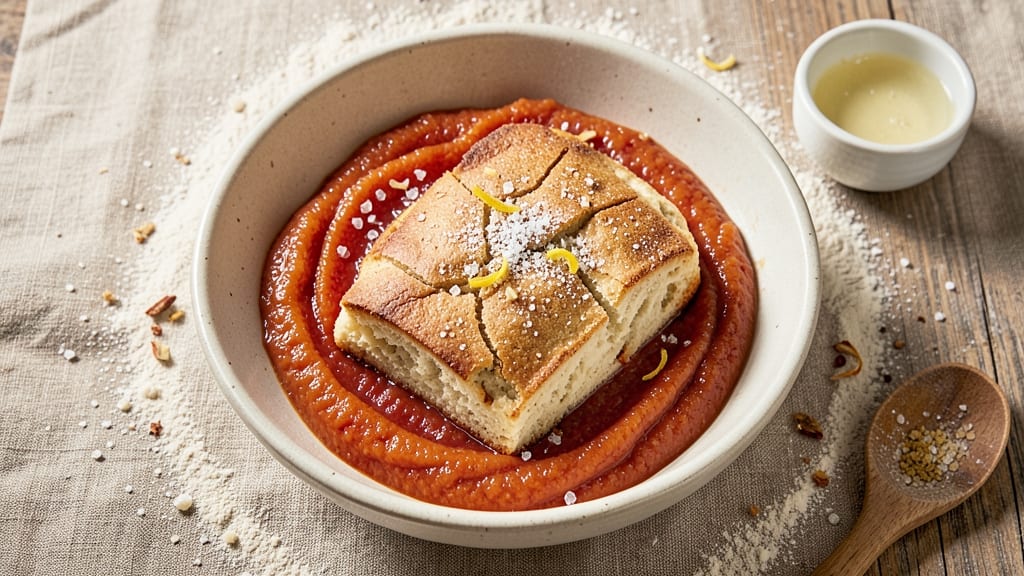
This applesauce bread recipe no sugar delivers a wonderfully moist crumb and warm spice harmony without any refined sugar—just natural sweetness from applesauce and aromatic spices.
I developed this version after years of baking applesauce bread, refining it to keep the texture tender and flavor rich while cutting out added sugars. The secret lies in balancing the natural sweetness of applesauce with warm cinnamon and nutmeg, creating a bread that's subtly sweet yet satisfyingly hearty.
The beauty of this recipe is its simplicity and health-conscious approach. You'll use basic pantry staples like flour, eggs, and applesauce, along with spices that enhance flavor without sugar. The dough comes together quickly, and the baking process ensures a perfectly domed loaf with a crisp crust and soft interior.
This bread is ideal for breakfast, snacking, or pairing with soups and stews—its natural sweetness shines through without overpowering.
What makes this recipe stand out is the moist crumb that stays fresh for days, thanks to the applesauce replacing oil and sugar. The spices infuse the dough with warmth, while the applesauce adds subtle sweetness and moisture.
Each slice delivers a tender bite with just the right amount of spice, making it a crowd-pleaser that feels indulgent yet guilt-free. Perfect for those watching sugar intake or simply craving a wholesome loaf.
Whether you're baking for a family gathering or treating yourself to a healthier option, this recipe delivers restaurant-quality results with minimal effort. The warm spices and natural sweetness create a bread that feels like comfort food without the sugar crash. Let's get started on baking this delicious, sugar-free loaf!
Ingredients for applesauce bread recipe no sugar
Basic pantry staples transform into a sugar-free loaf with rich spice harmony and moist crumb.
| Ingredient | Amount | Notes |
|---|---|---|
| All-Purpose Flour 🌾 | 3 ½ cups | Sifted for optimal texture |
| Unsweetened Applesauce 🍎 | 1 cup | Unsweetened, unsalted preferred |
| Large Eggs 🥚 | 2 whole | Room temperature for even mixing |
| Granulated Sugar Substitute 🍬 | ¼ cup | Erythritol or monk fruit blend |
| Active Dry Yeast 🍞 | 2 ¼ tsp | Instant yeast works too |
| Warm Water 💧 | ¾ cup | 110°F for optimal yeast activation |
| Unsalted Butter 🧈 | ½ cup | Cold, cubed for easier mixing |
| Ground Cinnamon 🌿 | 2 tsp | Freshly ground for enhanced aroma |
| Ground Nutmeg 🌶️ | 1 ½ tsp | Freshly grated preferred |
| Salt 🧂 | 1 tsp | Diamond Crystal preferred |
| Vanilla Extract 🥛 | 1 tsp | Pure, high-quality preferred |
| Milk 🥛 | ¼ cup | Warm for tender crumb |
The flour is the foundation—King Arthur or Gold Medal work best for tender crumb. Unsweetened applesauce is non-negotiable; brands like Mott's or Libby's unsweetened varieties keep it simple. For the yeast, FreshPaks from grocery stores activate faster than granules. The sugar substitute should be fine-grained to mimic granulated sugar's texture perfectly. Warm water is critical—too hot kills yeast, too cold slows activation. Test temperature with your finger—should feel warm but not scalding.
No vanilla extract? Almond extract at half the amount works in a pinch. Substituting applesauce? Unsweetened pumpkin puree maintains moisture but alters flavor slightly. The butter matters—European-style brands like Plugrá add richness without overpowering. For nutmeg, pre-ground works, but freshly grated delivers that restaurant-quality warmth. Milk can be swapped for almond or oat milk (use same amount) if preferred. The cinnamon should be Ceylon if available—less bitter than cassia.
Store wrapped in a clean kitchen towel for 3 days to maintain moisture. Freeze slices for up to 3 months—toast directly from frozen. For extra freshness, brush warm loaves with melted butter while still warm. This bread reheats beautifully—30 seconds at 350°F restores that bakery-fresh warmth. Portion into individual slices before freezing for perfect single-serving portions.
Why You'll Love This Recipe
- No-Fuss Mix-In: I swear by this dough—just fold that unsweetened applesauce right into the flour, eggs, and yeast. No kneading, no fuss, and the applesauce keeps it tender without the sugar crash.
- Moisture Magic: That applesauce swap makes this bread ridiculously soft—no dry crumb here. The sugar substitute balances the natural sweetness, so it’s sweet enough to satisfy but won’t spike your blood sugar.
- Weeknight Hero: Slice it warm for breakfast, toast it for lunch, or pack it for school lunches. It stays fresh for days, and honestly? It’s the only bread I bake when I’m too tired for yeast headaches.
- Budget Baking Win: Flour, eggs, and applesauce are pantry staples—this costs me half what store-bought loaves do. Plus, the leftovers? Perfect for French toast or garlic bread when I’m lazy.
Step-by-step instructions for applesauce bread no sugar
This method delivers a perfectly moist, spiced loaf without refined sugar—every detail ensures tender crumb and rich flavor.
Activate the Yeast for Maximum Rise
In a small bowl, combine the 0.75 cup warm water (around 110°F) with the 2.25 tsp active dry yeast. Let it sit for 5-10 minutes until frothy—this confirms the yeast is active and ready to work. I always test this first because cold water kills yeast, and you don't want flat bread.
If the mixture doesn't bubble after 10 minutes, your yeast may be expired. Discard and start fresh with fresh yeast. Once it's frothy, proceed immediately—yeast works fastest at this stage. The warm water activates the yeast, which will later create air pockets for that light, airy crumb we're after.
Mix Wet Ingredients for Smooth Dough
In a large mixing bowl, whisk together the 1 cup unsweetened applesauce, 0.25 cup granulated sugar substitute, 0.25 cup warm milk, 0.5 cup cold unsalted butter (cubed), 2 whole large eggs, 1 tsp vanilla extract, 2 tsp ground cinnamon, 1.5 tsp ground nutmeg, and 1 tsp salt. Mix until the butter is fully incorporated and the mixture is smooth.
This step is where the applesauce's natural sweetness and moisture come into play. The cold butter should still have small lumps—this prevents overdevelopment of gluten later. The warm milk helps hydrate the flour evenly, while the spices dissolve completely for maximum flavor distribution. Let this mixture sit for 5 minutes to allow the flour to absorb some of the liquid.
Combine Dry Ingredients for Light Texture
Add the 3.5 cups all-purpose flour (sifted) to the wet mixture. Using a wooden spoon or dough whisk, gently fold the flour into the wet ingredients until just combined. Avoid overmixing—you want to see some dry flour streaks remaining. The dough will be sticky, which is normal with applesauce.
I use a dough scraper at this stage to help incorporate the flour without developing too much gluten. The goal is a shaggy dough that comes together when pressed. If it's too sticky to handle, add 1-2 tablespoons more flour—just enough to make it workable. The applesauce keeps the dough moist without needing extra liquid, which is why this bread stays tender even after baking.
Knead and Shape for Perfect Rise
Turn the dough onto a lightly floured surface and knead for 5-7 minutes until smooth and elastic. You're not looking for a windowpane test here—just enough to develop structure. The dough should be soft but not tough. If it's too sticky, wet your hands slightly to prevent sticking.
Shape the dough into a round loaf and place it in a lightly greased 8.5x4.5-inch loaf pan. Cover with a damp towel and let rise in a warm place for 1-1.5 hours or until doubled in size. The dough should spring back slowly when poked with a finger. This rise is crucial for that tall, domed loaf we want—don't rush it, even if the dough looks ready sooner.
Bake to Golden Perfection
Preheat your oven to 350°F. Bake the loaf for 50-55 minutes until the top is golden brown and a toothpick inserted into the center comes out clean. The bread might need 5-10 minutes more if the top is still pale. I always bake until the internal temperature reaches 190°F—this ensures it's fully cooked without drying out.
For extra browning, brush the top with a little milk before baking. Let the bread cool in the pan for 10 minutes, then transfer to a wire rack. Slice while still warm for that perfect moist crumb. The aroma alone will tell you it's ready—warm spices and that natural applesauce sweetness should fill your kitchen.
Pro Tips For Making Applesauce Bread Recipe No Sugar
- Warm the applesauce first: I used to just dump cold applesauce into the dough and wonder why the yeast took forever to activate. Warm it to about 100°F (like a warm bath) before mixing—it’ll wake up that yeast faster and save you 30 minutes of waiting.
- Use room-temperature eggs: Cold eggs make the dough fight you. Crack them into a measuring cup first, let them sit for 10 minutes, then mix. The dough will come together smoother and rise better—no more overworking the gluten.
- Don’t overmix after adding yeast: I learned this the hard way—once I kneaded so hard the bread turned dense. Mix the wet ingredients, add yeast, then stir just until combined. A few lumps are fine; overmixing makes tough bread.
- Add a pinch of salt to the yeast: This isn’t in most recipes, but trust me: mix the yeast with warm applesauce and a tiny pinch of salt (like ¼ tsp). It keeps the yeast from overproofing and makes the flavor more balanced—especially important when skipping sugar.
Make-ahead tips for applesauce bread recipe no sugar
Prep Ahead Strategy
Make the dough the night before for deeper flavor development. After mixing all ingredients, cover the bowl with plastic wrap and refrigerate for 8-12 hours. The cold slows fermentation, intensifying the spice aromas.
When ready to bake, let the dough sit at room temperature for 30-45 minutes before shaping—this makes handling much easier. 💫
Dough Storage Tips
Store shaped, unrisen dough in an airtight container in the fridge for up to 2 days. When ready to bake, let it rise at room temperature (covered) for 1.5-2 hours.
For longer storage, freeze the shaped dough (before rising) wrapped in plastic and parchment paper for 1 month. Thaw overnight in the fridge before rising.
Baked Loaf Preservation
Keep freshly baked bread wrapped in a clean kitchen towel at room temperature for 2-3 days. The towel prevents drying while allowing airflow. For longer storage, slice the cooled loaf and freeze individual portions on parchment paper. Toast directly from frozen for crispy, warm slices—no thawing needed. 🍞
Freezer-Friendly Slices
Slice the cooled loaf into ½-inch thick pieces and freeze on a baking sheet before transferring to a freezer bag. This prevents slices from sticking. Reheat individual portions in a toaster or 350°F oven for 5-7 minutes until golden. The applesauce keeps them moist even after freezing.
Make-Ahead Breakfast Hack
Prep everything except baking the night before. Shape the dough into a loaf, cover, and refrigerate overnight. In the morning, bake as directed while coffee brews—you'll have warm bread ready for breakfast. The spices wake up beautifully after overnight resting, enhancing that cozy morning vibe. ☕
Batch Baking Plan
Double the recipe and bake two loaves at once. Use two 8.5x4.5-inch pans or one 9x5-inch pan. Store one loaf at room temperature and freeze the second for later. This ensures you always have fresh bread on hand while minimizing active baking time. Perfect for meal prep Sundays! 📅
Nutrition facts
Frequently asked questions
Can I substitute applesauce for other fruits in this recipe?
You can use unsweetened pumpkin puree or mashed banana in equal amounts, but flavors will differ. Pumpkin adds earthiness while banana brings a slightly tangy sweetness. Stick with applesauce for the classic warm-spice harmony this recipe was designed for.
Why does my dough feel too sticky?
The applesauce makes the dough naturally sticky—that's normal! If it's unworkable, add 1-2 tablespoons flour at a time until you can handle it. Avoid over-flouring, as this can make the bread dense. The stickiness actually helps create that signature moist crumb.
Can I make this bread without yeast?
Yes, but texture will differ. Replace yeast with 1.5 tsp baking powder + 1 tsp baking soda and skip the rising time. The bread will be denser but still delicious. For best results, use the yeast version—the rise creates that perfect airy crumb.
How do I know when the bread is fully baked?
Look for a golden brown crust and insert a toothpick—it should come out clean. The internal temperature should reach 190°F. If the top browns too quickly, tent with foil. Underbaking makes bread gummy, while overbaking dries it out.
What's the best way to reheat slices?
Toast in a toaster for 2-3 minutes or warm in a 350°F oven for 5-7 minutes wrapped in foil. For microwave reheating, use 10-second bursts on low power to avoid drying. The applesauce keeps slices moist even when reheated.