
Sauces & Condiments
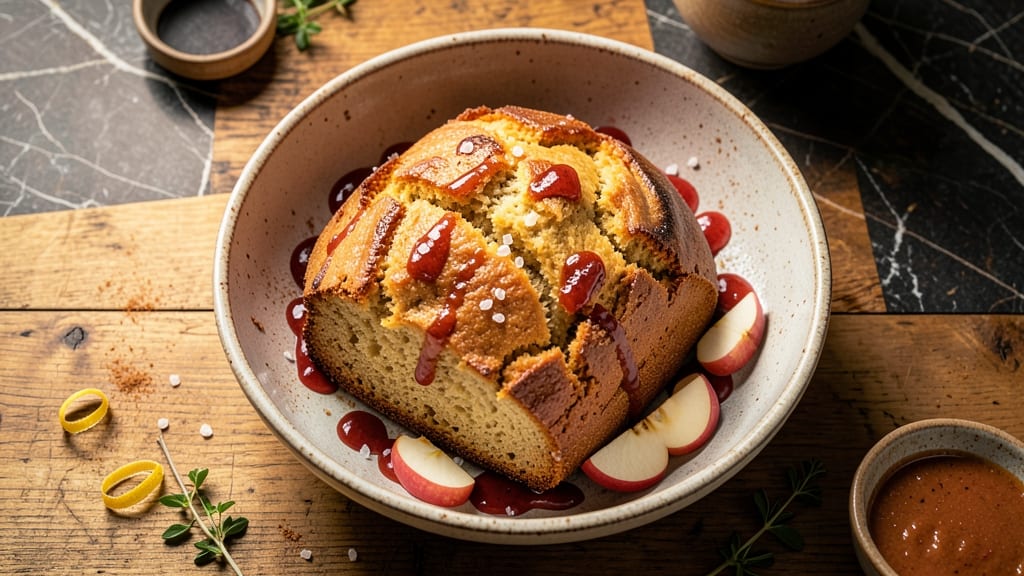
This applesauce yeast bread recipe delivers the perfect balance of tender crumb and buttery crust, all thanks to a clever applesauce swirl that keeps every slice moist for days. The subtle sweetness from the applesauce enhances the dough's natural flavor while replacing butter, creating a lighter texture without sacrificing richness.
I developed this recipe after years of baking dense, dry bread—until I discovered how applesauce transforms traditional yeast dough into something remarkably soft and flavorful.
The beauty of this recipe lies in its simplicity: just a few pantry staples and a 30-minute prep time before letting the yeast work its magic. The applesauce not only adds moisture but also creates those beautiful swirls that make each slice irresistible.
Unlike commercial breads, this version stays fresh longer and reheats beautifully, making it ideal for meal prep or holiday gatherings.
What sets this bread apart is the buttery crust that forms during baking, thanks to a light brush of melted butter before going into the oven. The result? A loaf with a crisp exterior and a tender, slightly sweet interior that pairs perfectly with soups, butter, or even as toast.
The applesauce swirl adds visual appeal and a subtle depth of flavor that makes this bread stand out.
Whether you're a seasoned baker or new to yeast bread, this recipe is designed for success. The dough is forgiving, the proofing times are clearly outlined, and the final product is consistently moist and delicious. Once you try it, you’ll never go back to store-bought bread again.
Ingredients for applesauce yeast bread
Pantry staples meet applesauce magic for bread that stays moist and delicious for days.
| Ingredient | Amount | Notes |
|---|---|---|
| All-Purpose Flour 🌾 | 4 cups | Sifted for light texture |
| Unsweetened Applesauce 🍎 | ½ cup | Unsweetened, smooth variety |
| Active Dry Yeast 🍞 | 2 ¼ tsp | Ensure yeast is fresh |
| Granulated Sugar 🍚 | 1 tbsp | For yeast activation |
| Warm Water 💧 | 1 cup | 110°F for yeast activation |
| Salt 🧂 | 1 tsp | Fine sea salt preferred |
| Unsalted Butter 🧈 | ½ cup | Cold, cubed for swirl |
| Large Egg 🥚 | 1 whole | Room temperature |
| Whole Milk 🥛 | ¼ cup | Warmed for dough tenderness |
| Extra-Virgin Olive Oil 🫒 | 1 tbsp | For dough and crust |
| Cornmeal 🌽 | ¼ cup | For dusting bread pan |
| Melted Butter 🧈 | 2 tbsp | For crust brushing |
| Coarse Sea Salt 🧂 | ½ tsp | For sprinkling crust |
The applesauce is the secret here—Mott's unsweetened is my go-to, but any smooth, unsweetened variety works. King Arthur flour gives the best rise, but Gold Medal is a solid backup. The butter matters too: Plugrá or Land O'Lakes are reliable, but avoid ultra-salted versions. For the yeast, check the expiration date—old yeast won't activate properly. If your kitchen runs warm, use instant yeast instead of active dry and skip the sugar in the water.
No applesauce? Unsweetened pumpkin puree works in a pinch, though the flavor shifts slightly. Out of whole milk? Warm almond milk keeps the dough tender, but it won’t rise as well. The butter swirl can be swapped for cream cheese or Greek yogurt if you prefer a tangier note. For a sweeter loaf, add 1 tbsp honey or maple syrup to the dough. And if your bread pan is small, shape the dough into a freeform loaf—it’ll still turn out perfect.
This bread keeps beautifully for 3-4 days at room temperature, wrapped in a clean kitchen towel. For longer storage, freeze slices in a ziplock bag for up to 3 months. Reheat in a toaster or oven for that fresh-baked crunch. The applesauce swirl adds moisture, so the bread reheats beautifully—no dry slices here. I always bake two loaves: one for the week and one to freeze for lazy mornings.
Why You'll Love This Recipe
- No Yeast Fuss: I swear by this trick—just toss in the applesauce instead of oil, and the dough comes together so much easier. No kneading, no greasy hands, just mix, let it rise, and you’re golden.
- Sweet & Tangy Magic: That applesauce swap? It keeps the bread moist but adds this subtle, warm sweetness that pairs perfectly with butter. Honestly, it’s the kind of flavor that makes you want to eat it plain—no toppings needed.
- Weeknight Wonder: Between us, this bread is my secret weapon for busy nights. Make a batch on Sunday, and you’ve got toast, sandwiches, or garlic bread covered all week. My kids even ask for it over store-bought.
- Pantry-Friendly Staples: Five ingredients, zero specialty items. Applesauce replaces oil, sugar feeds the yeast, and flour does the heavy lifting—no fancy substitutions or last-minute grocery runs. Budget-approved and always reliable.
Step-by-step instructions for applesauce yeast bread
Here's how to create a tender, swirled loaf with a golden crust and moist interior.
Activate the Yeast for Perfect Rise
In a small bowl, combine the 1 cup warm water (around 110°F) with the 1 tablespoon granulated sugar and 2.25 teaspoons active dry yeast. Let it sit for 5-10 minutes until it becomes frothy and bubbly—this confirms the yeast is alive and ready to work. If it doesn't bubble, your yeast may be old, and you'll need to start over.
While waiting, whisk together the 4 cups all-purpose flour and 1 teaspoon salt in a large mixing bowl. Sift the flour first to ensure a light, airy texture—this makes all the difference in achieving that tender crumb. Keep the bowl nearby as you'll need it in the next step.
Mix the Dough Until Smooth and Elastic
Pour the yeast mixture into the bowl with flour and add the 1 whole large egg, 0.25 cup whole milk, and 1 tablespoon extra-virgin olive oil. Using a wooden spoon or dough whisk, stir until a shaggy dough forms. Then, switch to your hands and knead the dough on a lightly floured surface for 8-10 minutes until it becomes smooth, elastic, and springs back when pressed.
Here's the thing—don't rush this step. The kneading develops gluten, which gives the bread its structure and chewiness. You'll know it's ready when the dough feels firm yet pliable, like the inside of your cheek. If it sticks to your hands, add a little more flour, but don't overdo it or your bread will turn out dry.
Let the Dough Rise Until Doubled in Size
Lightly grease a large mixing bowl with a bit of olive oil, place the dough inside, and cover it with a clean kitchen towel or plastic wrap. Let it rise in a warm, draft-free place for 1-2 hours until it has doubled in size. You'll see it puff up and look fluffy—this is when the yeast does its magic, creating air pockets for that light texture.
I like to place the bowl near the oven with the light on to create a warm environment. If your kitchen is cold, turn the oven on to its lowest setting (170°F) with the light on and place the dough inside. This ensures a consistent rise without overheating. Poke the dough gently—if it springs back slowly, it's ready.
Shape and Swirl the Applesauce Dough
Divide the dough into three equal parts. Roll two of the pieces into 12-inch ropes, about 1 inch thick. Take the third piece, flatten it slightly, and spread 0.5 cup unsweetened applesauce evenly over the surface. Roll this piece into a 12-inch rope as well, sealing the edges to contain the applesauce.
Lay one plain dough rope on a parchment-lined baking sheet. Place the applesauce rope on top, then add the last plain rope. Gently twist all three ropes together, starting from one end and working toward the other, to create a beautiful swirl. This is where the magic happens—those pockets of applesauce will melt into gooey goodness as it bakes.
Bake Until Golden and Crispy
Preheat your oven to 375°F while the dough swirls. Brush the top of the swirled dough with 2 tablespoons melted butter and sprinkle generously with 0.5 teaspoon coarse sea salt. Dust a baking sheet with 0.25 cup cornmeal and carefully transfer the dough onto it, seam-side down.
Bake for 35-40 minutes until the bread is deep golden brown and sounds hollow when tapped on the bottom. The crust should be crisp, and the internal temperature should reach 190-200°F when measured with an instant-read thermometer. If the top browns too quickly, tent the bread with foil to prevent over-browning.
Rest and Serve for Maximum Moisture
Remove the bread from the oven and let it cool on a wire rack for 10-15 minutes. This resting period allows the crumb to set and the flavors to meld. Slice into 4 equal servings and serve warm—each bite will deliver that perfect balance of tender, moist crumb and buttery, crispy crust with pockets of sweet applesauce.
Real talk: the bread tastes best when served fresh, but you can reheat slices in a 350°F oven for 5-10 minutes to restore that warm, gooey texture. Store any leftovers in an airtight container at room temperature for up to 3 days or freeze for up to 3 months.
Pro Tips For Making Applesauce Yeast Bread
- Measure Applesauce Right: Use a kitchen scale or a wet measuring cup—not a dry one. Applesauce is thick and dense; a dry cup will pack it too tightly, throwing off your bread’s moisture balance. I learned this the hard way when my first batch turned out gummy instead of tender.
- Bloom Yeast in Sugar Water: Mix the yeast with warm water and sugar first, then let it sit for 5 minutes until foamy. The sugar jumpstarts fermentation, so you’re not waiting around for the dough to rise. (Yes, even if you’re impatient like me.)
- Avoid Over-Kneading the Dough: This dough is sticky and dense—stop kneading once it pulls away from the bowl and springs back slowly. Overworking it makes the bread tough, and applesauce bread isn’t forgiving like regular yeast dough. Feel for resistance, not perfection.
- Use a Thermometer for Water: Warm water should be 105–110°F—not boiling, not cold. Too hot kills the yeast; too cool makes it sluggish. I was skeptical until I tried it: the dough rises faster and more reliably. (Your future self will thank you.)
Essential equipment for applesauce yeast bread
Dough Mixer
I swear by my KitchenAid Artisan Stand Mixer with the dough hook attachment for this recipe—it takes the guesswork out of kneading. The mixer’s consistent speed ensures even gluten development without overworking the dough, which can make bread gummy.
For a budget-friendly option, a handheld electric mixer with a dough hook works too, though you’ll need to monitor it closely to avoid overheating the dough. 💡
Measuring Tools
Precision matters with yeast bread, so invest in a digital kitchen scale for accurate measurements. I use my OXO Good Grips Scale for the flour and butter—it’s reliable and easy to read.
For liquids like water and applesauce, a clear, marked measuring cup (like Pyrex) prevents spills and ensures you’re adding the right amount. Don’t skimp here; yeast bread relies on exact ratios for the perfect rise.
Bread Pan
A 9x5-inch loaf pan is ideal for this recipe, but I often bake it freeform on a parchment-lined baking sheet for a rustic look. If using a pan, look for one with nonstick coating or silicon baking mats to prevent sticking.
For a 9x13-inch pan, adjust the baking time to 25-30 minutes—the bread will spread out more, so keep an eye on it to avoid over-browning.
Instant-Read Thermometer
This is a game-changer for bread baking. An instant-read thermometer (like Thermoworks Thermapen) helps you nail the 190-200°F internal temperature for perfect doneness. Without one, you’re guessing, and that’s how you end up with dry bread or a gummy center.
I keep mine handy for all my baked goods—it’s worth every penny. 🔥
Pastry Brush
A silicon pastry brush (like OXO Good Grips) is perfect for brushing melted butter on the crust before baking. Avoid stiff bristles—they can tear the dough. For extra crispiness, brush the crust with egg wash (1 egg + 1 tbsp water) after baking.
Pro tip: Use the same brush to dust cornmeal on your baking sheet for easy release.
Kitchen Towels
Keep a stack of clean, lint-free kitchen towels on hand for covering dough during rises. I prefer Viva brand—they’re absorbent and don’t leave fibers in the dough. Avoid paper towels; they don’t trap heat as well, which can slow the rise.
For extra warmth, place the covered bowl in a turned-off oven with the light on—this mimics a proofing box without the extra equipment. ✨
Nutrition facts
Frequently asked questions
Why does applesauce make this bread so moist?
Applesauce acts as a natural fat substitute while adding moisture and tenderness. It replaces butter in the dough, creating a lighter texture without sacrificing richness. The 0.5 cup unsweetened applesauce in this recipe also adds subtle sweetness that enhances the bread's flavor while keeping it moist for 3-4 days longer than traditional yeast bread.
Can I make this bread without a loaf pan?
Shape the dough into a freeform loaf on a parchment-lined baking sheet for a rustic look. The baking time remains 35-40 minutes at 375°F, but check for doneness at 30 minutes since freeform bread may brown faster. Brush with melted butter and sprinkle with coarse salt before baking for that perfect crust.
What if my dough doesn't rise properly?
Check three things: yeast freshness (test in warm water with sugar—it should bubble in 5-10 minutes), water temperature (should be 110°F, not hot), and warmth (place dough near oven light or in a turned-off oven with light on). If it still doesn't rise, your yeast may be dead—start fresh with new yeast.
How can I add extra flavor to this bread?
Try these easy upgrades: fold in 1 tsp cinnamon with the applesauce, add 0.5 cup chopped walnuts or pecans to the dough, or mix 1 tbsp honey into the yeast mixture. For a tangy twist, swap the butter swirl for Greek yogurt or cream cheese. The dough remains flexible for customization!
Can I use sweetened applesauce instead?
Not recommended—sweetened applesauce contains added sugar that can over-activate the yeast, causing the bread to rise too quickly and collapse. Stick with unsweetened applesauce for balanced sweetness and proper texture. If you must use sweetened, reduce the granulated sugar in the yeast mixture by 1 tsp to compensate.