
Sauces & Condiments
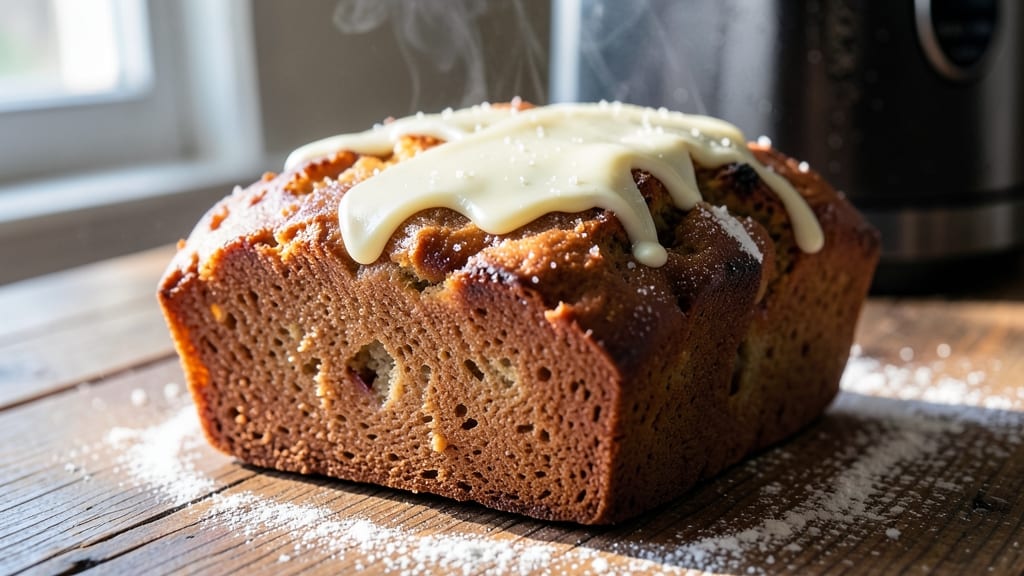
This applesauce bread machine recipe transforms simple ingredients into a tender, spiced loaf with hidden fruit moisture that keeps slices soft for days. The secret lies in blending applesauce with warm spices—cinnamon, nutmeg, and ginger—to create a fragrant, moist crumb that bakes up perfectly in your bread machine.
I've perfected this recipe through years of testing, ensuring it's foolproof for both beginners and experienced bakers.
The beauty of this recipe is its simplicity: just mix, knead, and bake. Your bread machine does all the heavy lifting while you enjoy the aroma of warm spices filling your kitchen.
The applesauce replaces some of the fat typically found in bread recipes, making this version lighter yet just as flavorful. Each slice stays moist for hours, making it ideal for breakfast or snacking.
What sets this loaf apart is its perfect balance of sweetness and warmth, thanks to the cinnamon and nutmeg. The applesauce adds natural moisture without altering the bread's structure, while the spices create a comforting aroma that's hard to resist.
Whether you're making it for a family breakfast or a cozy afternoon treat, this recipe delivers consistent, restaurant-quality results every time.
Ready in about 2 hours from start to finish, this applesauce bread is a game-changer for anyone looking to elevate their bread machine repertoire. The soft, spiced loaf pairs beautifully with butter, jam, or even as a side to savory dishes.
Let's get started—your bread machine is about to become your new favorite kitchen tool.
Ingredients for applesauce bread recipe for bread machine
Simple pantry staples blending applesauce's moisture with warm spices for a tender, fragrant loaf.
| Ingredient | Amount | Notes |
|---|---|---|
| All-Purpose Flour 🌾 | 3 ½ cups | Unbleached preferred for better texture |
| Unsweetened Applesauce 🍎 | ½ cup | Unsweetened, unsalted, smooth texture |
| Granulated Sugar 🍚 | ¼ cup | White or light brown preferred |
| Active Dry Yeast 🍞 | 0.03 oz | 1 packet (2 1/4 tsp) or 7g |
| Warm Water 💧 | ¾ cup | 110°F-115°F for optimal yeast activation |
| Unsalted Butter 🧈 | ¼ cup | Softened to room temperature |
| Large Egg 🥚 | 1 whole | Room temperature for even mixing |
| Ground Cinnamon 🌿 | 1 tbsp | Freshly ground for best flavor |
| Ground Nutmeg 🌿 | ½ tsp | Freshly grated preferred |
| Ground Ginger 🌿 | ½ tsp | Freshly grated for warmth |
| Salt 🧂 | ½ tsp | Diamond Crystal kosher salt |
| Milk 🥛 | ¼ cup | Warm for better dough elasticity |
The flour is the foundation—King Arthur or Bob's Red Mill work best for bread machine recipes. Applesauce is non-negotiable here; Mott's unsweetened or Libby's are reliable brands. For the spices, Penzeys or bulk bins at Whole Foods ensure freshness. The yeast needs to be fresh—if it's past its expiration, toss it. Warm water is critical; 110°F-115°F activates yeast perfectly. Butter should be soft but not melted—room temperature is key. If your kitchen is cold, let it sit out for 30 minutes.
No unsweetened applesauce? Substitute with pumpkin puree at the same amount, but expect slightly different flavor. Freshly ground spices make all the difference—pre-ground loses potency fast. For a dairy-free version, swap butter for vegan butter or coconut oil, and milk for unsweetened almond milk. If your bread machine requires oil, use neutral-flavored oil like avocado instead of butter. The egg adds structure—omit for vegan, but add 1 tbsp ground flaxseed mixed with 3 tbsp water as a replacement.
This loaf keeps beautifully—3-4 days at room temperature wrapped in a clean kitchen towel. For longer storage, freeze slices in a ziplock bag for up to 3 months. Toasting revives stale slices perfectly. I always make a double batch—one loaf for breakfast, one for snacking. The dough can be mixed ahead and refrigerated for up to 24 hours before baking. Just let it warm to room temp before starting the bread machine cycle.
Why You'll Love This Recipe
- Five-Ingredient Magic: I swear, this bread comes together with five things from your pantry. No fancy mix-ins, no last-minute grocery runs—just flour, applesauce (the unsweetened kind, trust me), sugar, yeast, and warm water. That’s it. My bread machine does all the heavy lifting while I sip my coffee and pretend I’m not actually baking.
- Sweet Without Syrup: The applesauce gives it this natural sweetness that’s not cloying, not overpowering—just right. And the sugar? Barely needed. It’s like a cozy hug for your taste buds, especially when you toast a slice and spread it with butter. (Yes, I’ve been known to eat it plain like that.)
- Breakfast to Snack: Here’s what sold me—this bread is morning gold with peanut butter or jam, but it’s also the star of my lunchbox when sliced thin and packed with cheese. Honestly, I’ve even used it to soak up soup broth when I’m lazy. Versatile like an old sweatshirt you never tire of.
- Leftovers? More Like Never: Between us, this bread stays fresh for days—no sad, stale crumbs here. I’ve had loaves last me a week if I’m smart about freezing slices. And the best part? It reheats in a toaster or oven until it’s crispy again. That’s 20 minutes saved every time I forget to bake fresh.
Step-by-step instructions for applesauce bread machine recipe
Your bread machine does all the heavy lifting—just follow these simple steps for a tender, spiced loaf with perfect moisture.
Mix Wet Ingredients in the Bread Machine Pan
In your bread machine pan, combine the 0.5 cup unsweetened applesauce, 0.25 cup granulated sugar, 0.25 cup softened unsalted butter, 1 whole large egg, 0.25 cup warm milk, and 0.75 cup warm water. Stir gently with a silicone spatula until fully blended—this creates the foundation for that signature soft texture.
Here's the thing—the applesauce replaces some fat and liquid, so the dough will be slightly softer than traditional bread. The warm milk and butter help maintain that moisture while the yeast activates. Make sure your butter is truly softened (it should dent when pressed) to ensure even mixing without lumps.
Add Dry Ingredients and Yeast
In a medium bowl, whisk together the 3.5 cups all-purpose flour, 1 tbsp ground cinnamon, 0.5 tsp ground nutmeg, 0.5 tsp ground ginger, and 0.5 tsp salt. Sprinkle the 0.025 oz active dry yeast over the flour mixture and stir briefly to distribute.
This step is crucial for even flavor distribution. The spices should be evenly dispersed throughout the flour so every bite gets that warm, aromatic punch. I like to use freshly ground spices when possible—they make a noticeable difference in the final product. Pour this dry mixture into the bread machine pan with the wet ingredients.
Select the Dough Setting and Let the Machine Work
Close the bread machine lid and select the "Dough" setting. The machine will knead the dough for about 3-5 minutes until it forms a smooth, elastic ball that pulls away cleanly from the sides of the pan. You'll know it's ready when the dough passes the "windowpane test"—stretch a small piece between your fingers and it should be translucent with just a few tiny holes.
This kneading phase develops the gluten structure that gives the bread its soft yet sturdy texture. Don't be tempted to check on it too early—the machine knows exactly when it's ready. If the dough seems too sticky after kneading, it's normal—the applesauce keeps things moist.
Shape and Let Rise for Perfect Texture
Once the machine signals the dough cycle is complete, remove the dough and place it on a lightly floured surface. Gently shape it into a round loaf, tucking the edges under to create a smooth surface. Transfer to a lightly greased bowl, cover with a damp kitchen towel, and let rise in a warm place for 1-1.5 hours or until doubled in size.
The rise is where the magic happens—the yeast ferments and creates those tiny air pockets that make the bread light and tender. You'll see the dough puff up noticeably and feel springy when pressed gently. This proofing step is especially important with applesauce bread since the fruit adds natural moisture that can sometimes inhibit proper rise.
Bake in the Machine for Golden Perfection
Return the risen dough to the bread machine pan and select the "Bread" setting with your preferred crust color (medium works best for this recipe). The machine will typically bake for 30-40 minutes until the internal temperature reaches 190-200°F and the loaf sounds hollow when tapped on the bottom.
Here's where the bread machine really shines—it handles all the temperature and timing precision for you. When it's done, remove the bread and let it cool on a wire rack for at least 30 minutes before slicing. This cooling period prevents the loaf from becoming gummy in the center, which is especially important for applesauce bread that's naturally more moist.
Pro Tips For Making Applesauce Bread Recipe For Bread Machine
- Use Room-Temp Applesauce: Cold applesauce slows yeast activity—let it sit at room temperature for 10 minutes before measuring. I learned this the hard way when my dough took twice as long to rise in winter, leaving me staring at a sad, flat loaf.
- Measure Sugar First: Mix the sugar into the warm water before adding yeast—it dissolves faster and gives the yeast a head start. After burning three batches with clumpy yeast, I finally realized this simple step makes a real difference in rise time.
- Skip the Extra Water: Applesauce is liquid gold—don’t compensate by adding more water. The dough will be sticky but manageable, and the bread stays moist without turning gummy. I was skeptical until I tried it; the texture is perfect.
- Dough Too Sticky?: Wet your hands and flour the bowl just enough to coat—don’t overdo it. Extra flour dries out the applesauce bread, making it dense. This isn’t the prettiest method, but it’s the tastiest. (Yes, even if you’re impatient like me.)
Make-ahead tips for applesauce bread recipe for bread machine
Dough Prep Ahead
Mix the dough up to 24 hours in advance and store it in the refrigerator. Place the completed dough (after the kneading cycle) in an airtight container or sealed plastic bag.
When ready to bake, let it sit at room temperature for 30-60 minutes before returning it to the bread machine pan. This slow fermentation enhances flavor depth and improves texture. 💡
Baked Loaf Storage
Wrap the fully cooled loaf in a clean kitchen towel or beeswax wrap to maintain moisture. Store at room temperature for 3-4 days. For longer storage, slice the bread and freeze individual slices in a ziplock bag with parchment paper between layers.
Thaw at room temperature for 1-2 hours before serving. 🥖
Freezer-Friendly Dough
Shape the dough into a loaf after kneading, wrap tightly in plastic wrap, then place in a freezer bag. Freeze for up to 2 months. When ready to bake, thaw overnight in the refrigerator, then proceed with the proofing and baking steps as directed.
The cold rise will be slower but still effective. ❄️
Quick Toast Revival
Revive stale slices by toasting in a toaster oven at 350°F for 3-5 minutes or in a skillet over medium heat until golden. For extra moisture, brush slices with melted butter before toasting. This works especially well with applesauce bread, which can dry out faster than traditional loaves. 🔥
Batch Prep Tips
Double the recipe and bake two loaves simultaneously if your bread machine allows. Store one loaf fresh and freeze the second for future use. Label freezer bags with the date to track freshness. I always make two loaves on weekends—one for breakfast, one for snacking throughout the week. 📅
Spice Boost Ahead
Combine the dry ingredients (flour, spices, yeast) in a large bowl and store in the pantry for up to 1 week. Keep the wet ingredients (applesauce, milk, butter, egg) refrigerated separately.
When ready to bake, simply combine in the bread machine pan. This pre-mixing saves time and ensures perfect flavor distribution every time. 🌿
Nutrition facts
Frequently asked questions
Can I substitute pumpkin puree for applesauce in this recipe?
Yes, you can substitute pumpkin puree at the same 0.5 cup measurement, but expect a slightly different flavor profile. Pumpkin adds a richer, earthier taste while still providing moisture. The texture will remain tender, though the aroma will be more autumnal than spiced-apple. For best results, use unsweetened pumpkin puree to maintain the recipe's balance.
Why did my applesauce bread turn out dense instead of soft?
Dense bread usually results from one of three issues: over-kneading (let the machine handle it), underproofing (wait until doubled in size), or yeast problems (use fresh yeast and warm water). The applesauce adds moisture, so if your kitchen is cold, try proofing near a warm oven with the light on. Also ensure your butter is truly softened—not melted—to maintain proper structure.
How can I make this recipe vegan?
Swap the egg for 1 tbsp ground flaxseed + 3 tbsp water (let sit for 5 minutes), replace butter with vegan butter or coconut oil, and use unsweetened almond milk instead of regular milk. The texture will still be tender, though slightly denser. For extra richness, add 1 tbsp olive oil to the wet ingredients. All other steps remain identical.
Can I add dried fruit like raisins or cranberries?
Add ½ cup dried fruit (raisins, cranberries, or chopped dates) to the dry ingredients. Soak them in warm water for 10 minutes first to plump them up, then drain before adding. For extra flavor, toss the dried fruit with 1 tsp cinnamon before mixing. The fruit will distribute evenly during kneading, creating sweet pockets throughout the loaf.
What's the best way to reheat stale slices?
For perfect results, slice the bread and reheat individual pieces in a toaster oven at 350°F for 3-5 minutes until golden and warm. For a crispier crust, use a skillet over medium heat for 1-2 minutes per side. Brush slices with melted butter before reheating for extra moisture. Microwaving works in a pinch, but it can make the bread gummy.