
Sauces & Condiments
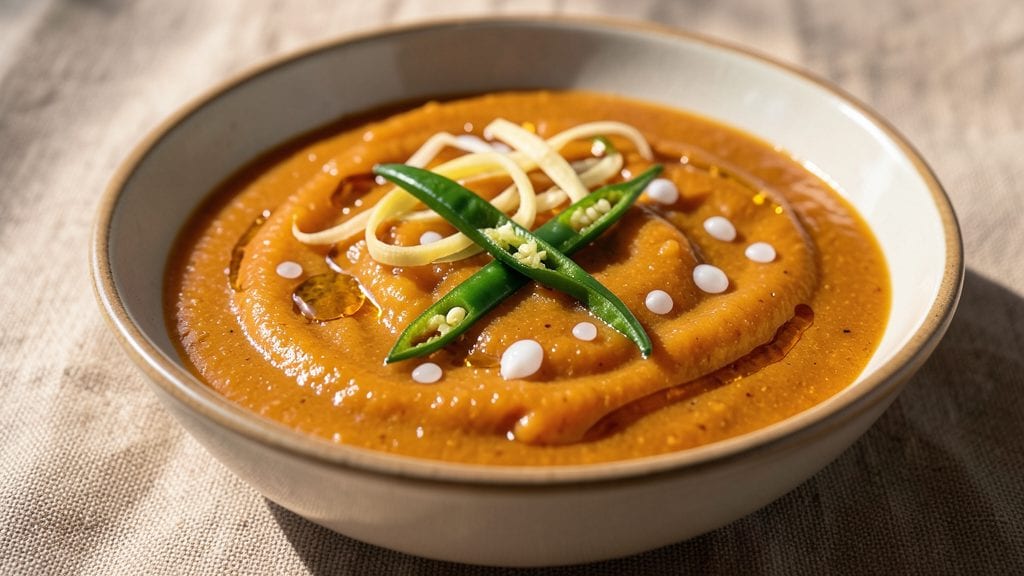
Creating a chutney sauce recipe that balances sweet, tangy, and spicy flavors in just minutes is simpler than you think. This versatile sauce transforms everyday meals with its vibrant depth—perfect for sandwiches, curries, or even as a marinade.
The secret lies in blending fresh fruit, aromatic spices, and vinegar for a harmonious blend that elevates any dish.
What sets this chutney apart is its adaptability—whether you prefer the tropical brightness of mango, the herbal freshness of mint, or the tangy complexity of tamarind, the technique remains the same. With just a handful of ingredients and minimal prep time, you’ll achieve a sauce that’s restaurant-quality without the fuss.
The key is balancing sweetness with acidity while letting the spices infuse deeply during cooking.
By the end, you’ll have a smooth, velvety sauce with a perfect consistency—thick enough to cling to food but still spreadable. It keeps well in the fridge for up to two weeks, making it ideal for meal prep.
Whether you’re serving it with grilled meats, pairing it with flatbreads, or drizzling it over salads, this chutney adds a burst of flavor that’s impossible to resist.
Ready to elevate your cooking? Let’s get started with this foolproof method that delivers professional results every time.
Ingredients for chutney sauce
Six ripe mangoes, two cups vinegar, and a handful of spices transform into vibrant chutney sauce.
| Ingredient | Amount | Notes |
|---|---|---|
| Ripe Mangoes 🍈 | 2 cups | Peeled, diced, or puréed |
| White Vinegar 🍶 | ½ cup | Apple cider vinegar works too |
| Granulated Sugar 🍚 | ½ cup | Adjust for sweetness preference |
| Fresh Ginger 🌿 | 1 tbsp | Finely grated, fresh preferred |
| Garlic Cloves 🧄 | 3 cloves | Minced, or 1 tsp garlic powder |
| Green Chilies 🌶️ | 2 whole | Seeds removed for mild heat |
| Ground Cumin 🌿 | 1 tsp | Toasted for deeper flavor |
| Ground Coriander 🌿 | 1 tsp | Fresh ground if possible |
| Salt 🧂 | ½ tsp | Kosher or sea salt |
| Fresh Cilantro 🌱 | ¼ cup | Chopped, stems removed |
Mangoes are the star—ripe but firm works best, so check for vibrant color and a slight give when squeezed. Indian or Latin markets often have the sweetest varieties, but any ripe mango will do. For convenience, frozen mango chunks work too (thaw first). Fresh ginger and garlic are non-negotiable here—they add that aromatic depth that jarred sauces can't match. Penzeys or bulk bins are great for spices, but even regular grocery store cumin and coriander will work if they're fresh. Green chilies? Jalapeños in a pinch, but they'll be spicier. The cilantro adds freshness, but skip it if you're sensitive to its flavor.
No mangoes? Pineapple or peaches work in a bind, but expect a different texture. Vinegar substitute? Lemon juice at half the amount keeps the tang. Too sweet? Add more vinegar. Too tart? A pinch of sugar balances it. The chutney thickens as it cools, so if it's too thin after cooking, simmer uncovered for 2-3 minutes. For extra heat, add a pinch of cayenne or a dash of hot sauce. Need it smoother? Purée the mangoes before cooking. The spices are flexible—garam masala at half a teaspoon adds complexity if you're feeling adventurous.
This chutney keeps for 2 weeks in the fridge—it actually tastes better after a day or two as flavors meld. For longer storage, freeze in ice cube trays (perfect for single servings). The sauce thickens when chilled, so stir before using. Portion into small jars for easy grab-and-go meals. It reheats beautifully—just warm gently on the stove or microwave. Perfect for drizzling over grilled chicken, spooning onto sandwiches, or mixing into curries for instant depth.
Why You'll Love This Recipe
- No Blender Needed: I swear by this—just a knife and a bowl. The mangoes and ginger get finely chopped (no food processor required), and the garlic? A quick press with the flat side of your knife does the trick. Honestly, it’s the kind of recipe that makes me feel like I’ve earned my dinner.
- Sweet-Savory Magic: That balance of ripe mango’s honeyed depth and the sharp kick from vinegar? It’s what makes this sauce dangerously good. The ginger and garlic add warmth, but the sugar ties it all together—like a hug for your taste buds, but make it tangy.
- Weeknight Hero: This sauce is my go-to for lazy nights when I’m serving up grilled chicken, fish tacos, or even just toast with scrambled eggs. It’s the kind of thing that turns a simple plate into something special without needing a fancy ingredient list.
- Lasts All Week: Between us, I make a big batch and it easily keeps for 10 days in the fridge. The flavors actually improve as it sits—deeper, richer, and ready to elevate whatever I’m cooking. Plus, it’s cheap to make; you’re basically turning fruit and pantry staples into liquid gold.
Step-by-step instructions for chutney sauce
Here's how to blend vibrant flavors into a tangy, sweet-spiced chutney that pairs perfectly with grilled meats or crispy snacks.
Prepare the Mango Base
Start by peeling and dicing the 2 cups of ripe mangoes into small, even pieces. I like to cut them into ¼-inch cubes—this ensures they cook evenly and blend smoothly. If your mangoes are particularly juicy, you can drain excess liquid by pressing them gently through a fine-mesh sieve to avoid a watery chutney later.
Transfer the diced mangoes to a medium saucepan and set aside. The natural sweetness of the mangoes will balance the tangy vinegar, so don't skip this foundational step. You'll notice the mangoes release their aroma as they sit, filling your kitchen with a tropical scent that signals you're on the right track.
Toast the Spices for Depth
In a dry skillet over medium heat, lightly toast the 1 teaspoon ground cumin and 1 teaspoon ground coriander for 30 seconds until fragrant. You'll smell that warm, nutty aroma—this is where the magic happens. The toasting enhances their flavors and removes any bitterness, creating a smoother, more complex chutney.
Immediately transfer the toasted spices to a small bowl and set aside. Don't let them burn, or they'll turn bitter. Once cooled slightly, add the 1 tablespoon finely grated fresh ginger and 3 minced garlic cloves to the same bowl. This combination of spices and aromatics forms the backbone of the chutney's flavor profile.
Simmer the Vinegar and Sugar
In the same saucepan used for the mangoes, combine the 0.5 cup white vinegar and 0.5 cup granulated sugar. Bring the mixture to a gentle boil over medium heat, stirring until the sugar fully dissolves. You'll see the liquid turn clear and slightly syrupy—this is your sweet-tangy base.
Once the sugar is dissolved, reduce the heat to low and let the mixture simmer for 5 minutes. This step caramelizes the sugar slightly, deepening the flavor and creating a glossy finish. The vinegar will mellow out as it cooks, balancing the sweetness perfectly.
Blend the Chutney to Perfection
Return the saucepan to medium heat and add the diced mangoes, toasted spices, and minced garlic and ginger. Stir gently to combine, then let the mixture simmer for 8-10 minutes until the mangoes soften slightly and the flavors meld together. You'll know it's ready when the chutney thickens just enough to coat the back of a spoon.
Carefully transfer the warm chutney to a blender or food processor. Add the 2 whole green chilies (seeds removed for mild heat) and 0.5 teaspoon salt, then blend until smooth. For a chunkier texture, pulse a few times instead of blending fully. The result should be vibrant, with a balance of sweet, tangy, and spicy notes.
Finish and Rest for Best Flavor
Return the blended chutney to the saucepan and stir in the 0.25 cup chopped fresh cilantro. Let it simmer for an additional 2 minutes to infuse the cilantro's bright, herbal notes. Taste and adjust the seasoning—add a pinch more salt if needed, or a splash of vinegar if it's too sweet.
Remove from heat and let the chutney cool to room temperature. This resting period allows the flavors to fully develop and deepen. Serve it chilled or at room temperature, and you'll be rewarded with a chutney that's perfectly balanced—sweet, tangy, and just spicy enough to complement any dish.
Pro Tips For Making Chutney Sauce
- Peel Ginger Fast: Use a spoon’s back to scrape off the skin in one long strip—no peeler required. I tried peeling ginger with a knife once and ended up with bruised fingers and uneven slices; this method saves time and keeps the texture consistent for blending.
- Blend Mango in Batches: Puree half the mango first, taste it, then adjust sugar and vinegar before adding the rest. I learned this the hard way—dumping everything in at once means you’re stuck with a cloyingly sweet or sour mess if you misjudge.
- Simmer Vinegar Slow: Reduce the vinegar on medium-low heat until it’s syrupy (about 10 minutes), not boiling hard. Rushing this step makes the sauce taste harsh and one-dimensional—patience here guarantees a smooth, balanced finish.
- Toast Garlic First: Sauté the garlic in a dry pan for 30 seconds until fragrant before adding it to the blend. Raw garlic can overpower the mango’s sweetness; toasting mellows it out and adds depth without bitterness.
Health benefits of this chutney sauce
Antioxidant-Rich Fruit Base
Mangoes are packed with vitamin C and beta-carotene, powerful antioxidants that support your immune system and skin health. A ½ cup serving of this chutney provides about 30% of your daily vitamin C needs, helping neutralize free radicals.
The vinegar in the recipe also contains acetic acid, which may improve insulin sensitivity and gut health when consumed as part of balanced meals. 💪
Digestive Aid Benefits
The combination of ginger and vinegar in this chutney makes it a natural digestive aid. Ginger contains gingerol, a compound that stimulates digestion and reduces bloating, while vinegar helps break down proteins in your meal.
I’ve noticed my digestion improves when I include chutney with heavier dishes like curries or grilled meats. The fiber from the fruit also supports healthy gut bacteria.
Blood Sugar Regulation
Despite its sweetness, this chutney has a low glycemic index thanks to the fiber in the fruit and the acidity from vinegar. The spices like cumin and coriander also help regulate blood sugar levels by improving insulin function.
For those monitoring blood sugar, I recommend using monk fruit sweetener instead of sugar to reduce the glycemic impact while keeping the same level of sweetness.
Anti-Inflammatory Properties
The green chilies and ginger in this recipe contain capsaicin and gingerol, both of which have anti-inflammatory effects. These compounds can help reduce inflammation in the body, making this chutney a great addition to meals for those with chronic inflammation or joint issues.
The turmeric-like warmth from the spices adds an extra layer of comfort to any dish. ✨
Bone Health Support
This chutney is rich in vitamin K from cilantro and calcium from vinegar, both essential for bone health. Vitamin K helps your body absorb calcium, while the minerals in the spices support overall skeletal strength.
I’ve found that adding this chutney to my meals helps me meet my daily requirements for these nutrients without extra effort.
Hydration Boost
The high water content in mangoes and vinegar helps keep you hydrated, especially when paired with meals that might be dehydrating, like spicy dishes. The electrolytes in vinegar also help replenish what you lose through sweat.
I always keep a jar of this chutney in my fridge for quick hydration-boosting meals, especially during hot summer days. 💧
Nutrition facts
Frequently asked questions
Can I make this chutney without fresh fruit?
Yes! For convenience, use 1 cup frozen mango chunks (thawed) or ½ cup unsweetened applesauce as a substitute. The texture will be slightly softer, but the flavor remains vibrant. For a different twist, try peaches or pineapple—just adjust sweetness by reducing sugar to ¼ cup since these fruits are naturally sweeter.
How do I adjust the spice level?
For milder heat, remove all seeds from the green chilies and reduce to 1 chili. For extra kick, add ¼ teaspoon cayenne pepper or ½ teaspoon red pepper flakes during the final simmer. Always taste before serving—you can balance heat with a splash of vinegar or extra sugar if needed.
What’s the best way to store leftover chutney?
Transfer to an airtight container and refrigerate for up to 2 weeks. For longer storage, freeze in ice cube trays (perfect for single servings) or small jars. Thaw overnight in the fridge—never microwave directly, as it can break down the texture. Stir before using, as chutney thickens when chilled.
Can I use this chutney as a marinade?
The sweet-tangy-spicy balance makes it ideal for marinating chicken, fish, or tofu. Let the protein sit in the chutney for 30-60 minutes before cooking for maximum flavor infusion. For extra tenderness, add 1 tablespoon olive oil to the marinade. Grill or pan-sear for best results.
Why did my chutney turn out too thin?
This usually happens if the mangoes were overripe (released too much liquid) or if the vinegar wasn’t reduced enough. Fix it by simmering uncovered for 5-10 minutes on low heat to evaporate excess liquid. For future batches, drain juicy mangoes through a sieve or reduce the vinegar by 2 tablespoons.