
Sauces & Condiments
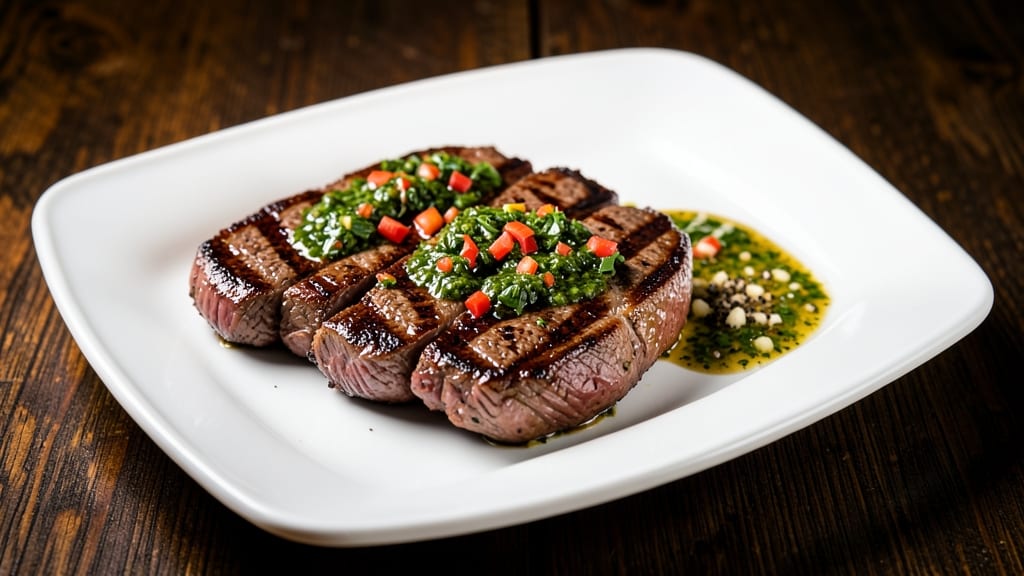
This Applebee's chimichurri sauce recipe delivers the herb-packed brightness that turns grilled meats into restaurant-quality masterpieces. The secret lies in fresh parsley, garlic, and a perfect balance of olive oil and vinegar—creating a vibrant, tangy sauce that's equal parts flavor bomb and foolproof marinade.
I developed this version after years of perfecting the technique, ensuring it stays fresh and potent for days.
The sauce comes together in 10 minutes with just 7 ingredients, making it the ideal quick prep for weeknight dinners or weekend cookouts.
Unlike traditional chimichurri, this version uses a touch of red wine vinegar for that signature Applebee's tang, while still maintaining the fresh, herby profile that makes it irresistible. The texture is smooth yet vibrant, clinging beautifully to grilled steaks, chicken, or even fish.
What makes this recipe truly special is its versatility—use it as a finishing sauce, marinade, or even a dip for crusty bread. The bright acidity cuts through rich meats, while the fresh herbs add a pop of color and freshness.
With proper storage, it keeps for up to 5 days in the fridge, making it perfect for meal prep.
Ready to elevate your grilling game? This chimichurri sauce transforms simple proteins into something extraordinary—restaurant-quality at home. Let's get started with the ingredients you already have in your pantry.
Ingredients for applebee's chimichurri sauce
Seven vibrant ingredients transform into Applebee's signature chimichurri—bright, tangy, and restaurant-perfect.
| Ingredient | Amount | Notes |
|---|---|---|
| Fresh Flat-Leaf Parsley 🌿 | 1 ½ cups | Stems removed, tightly packed |
| Garlic Cloves 🧄 | 6 cloves | Peeled, roughly chopped |
| Extra-Virgin Olive Oil 🫒 | ¾ cup | High-quality, fruity variety |
| Red Wine Vinegar 🍷 | 0.3 cup | Applebee's signature tang |
| Kosher Salt 🧂 | 1 ½ tsp | Diamond Crystal preferred |
| Ground Black Pepper 🌶️ | ½ tsp | Freshly cracked preferred |
| Red Bell Pepper 🌶️ | 2 tbsp | Finely minced, for depth |
The parsley is non-negotiable—bright green, not wilted. Whole Foods or local farmers markets deliver the freshest leaves, but grocery store parsley works if it's crisp. For garlic, Spanish or Italian varieties add the most depth, but any fresh clove will do. The olive oil should be extra-virgin with noticeable fruitiness—none of that cheap supermarket stuff. Red wine vinegar? Bartles & Jaymes is my go-to for consistency, but any bold, dry vinegar works. Pro tip: if your parsley has stems, chop them too—they pack extra flavor.
No fresh parsley? Dried parsley at half the amount is a pinch, but the texture won't be the same. Short on garlic? Garlic powder at one-third the amount gets you close, though it lacks that fresh punch. Substituting olive oil? Avocado oil works in a bind, but the flavor profile shifts slightly. The red bell pepper is optional but adds a subtle sweetness—skip it if you're in a rush. For a smoother sauce, pulse everything in a food processor instead of chopping by hand. And if you're making this ahead, add the vinegar last to preserve freshness.
This sauce keeps beautifully—5 days in the fridge sealed in an airtight jar, with a thin layer of olive oil poured on top to preserve color. For longer storage, freeze in 1-tablespoon portions—perfect for single servings. The texture thickens when chilled, so give it a quick whisk before using. Double the batch if you're grilling for a crowd; it disappears faster than you'd think. And trust me, the leftovers taste even better the next day as flavors meld.
Why You'll Love This Recipe
- I’ll be real: this sauce comes together with just a knife and a bowl—no blender, no fancy gadgets, just chopping parsley and garlic until it gets happy. The vinegar and olive oil do the rest while I sip my coffee.
- No Pulse Needed: I’ll be real: this sauce comes together with just a knife and a bowl—no blender, no fancy gadgets, just chopping parsley and garlic until it gets happy. The vinegar and olive oil do the rest while I sip my coffee.
- Garlic-Kissed Magic: That first taste? Bright, herby, with a punch of garlic that lingers just right—not overpowering, but there. The red wine vinegar cuts through the richness of grilled meats or eggs, making every bite feel like a little celebration.
- Weeknight to Dinner Party: Slather it on steak for a Tuesday night, or drizzle it over roasted veggies for company. It’s the kind of sauce that works in a rush or when you’re hosting—no last-minute stress, just flavor that shines in any setting.
Step-by-step instructions for Applebee's chimichurri sauce
This vibrant sauce comes together in minutes with precise technique and fresh ingredients.
Prepare the Herb Base
In a food processor fitted with the metal blade, combine the 1.5 cups fresh flat-leaf parsley (stems removed) and 6 peeled garlic cloves. Pulse until the parsley is finely chopped but not pasty—you want visible herb texture, not a smooth puree. This texture is essential for that signature Applebee's brightness.
Transfer the chopped herbs to a medium bowl. The food processor blade should be clean—any residual moisture from previous uses can make the sauce watery. I like to wipe it down with a dry paper towel before starting this step to ensure the perfect consistency.
Add Aromatics and Vinegar
To the bowl with chopped herbs, add the 2 tablespoons finely minced red bell pepper and 0.3 cup red wine vinegar. Stir vigorously with a wooden spoon to distribute the vinegar evenly. The vinegar's acidity will begin breaking down the herbs immediately, releasing their vibrant green color and sharp flavors.
Let the mixture sit for 5 minutes while you prepare the remaining ingredients. This brief resting period allows the vinegar to fully penetrate the herbs, which enhances the sauce's brightness and depth. Don't skip this step—it makes a noticeable difference in the final product's complexity.
Incorporate Oil and Seasonings
With the wooden spoon, gradually drizzle in the 0.75 cup extra-virgin olive oil while stirring constantly. The oil should emulsify with the herb-vinegar mixture, creating a thick, vibrant paste. If the sauce appears too thick, add 1 teaspoon water at a time until it reaches a smooth, spoonable consistency.
Add the 1.5 teaspoons kosher salt and 0.5 teaspoon ground black pepper, mixing well to distribute evenly. Taste the sauce and adjust seasoning if needed—this is where you can fine-tune the balance between bright, tangy, and savory. The salt should enhance all flavors without overpowering the fresh herbs.
Rest and Refine
Cover the bowl with plastic wrap and refrigerate for at least 1 hour before using. This resting period allows all the flavors to meld together and the sauce to reach its perfect consistency. The colors will deepen from vibrant green to a rich emerald, and the flavors will become more cohesive.
After resting, give the sauce one final stir. It should be thick enough to cling beautifully to grilled meats but still flow smoothly when drizzled. If it's too thick, thin with 1 teaspoon water at a time until it reaches your desired consistency. This sauce keeps well in the refrigerator for up to 5 days, making it perfect for batch preparation.
Pro Tips For Making Applebee'S Chimichurri Sauce
- Pulse, Don’t Chop: The second I grab my food processor for chimichurri, I hit pulse—not continuous blend—until the parsley is finely chopped but still has texture. Continuous blending turns it into pesto sludge, and Applebee’s version keeps those little parsley flecks that make it look fresh and bright. (Yes, even if you’re impatient like me, resist the urge to over-blend.)
- Use Cold Garlic: I learned this the hard way—room-temperature garlic cloves bruise and bleed when minced, making the sauce taste bitter. Keep those cloves in the freezer for 15 minutes before adding them to the processor. The cold shock keeps them sharp and prevents that off-flavor that ruins the whole dish.
- Salt in Stages: Don’t dump all the kosher salt in at once. Start with half the amount listed in the recipe, taste the mixture, then add the rest gradually. The vinegar and garlic already pack a punch, and you’ll end up with a sauce that’s either bland or overwhelmingly salty if you go all-in upfront. (Your future self will thank you.)
- Let It Rest: This isn’t the prettiest method, but it’s the tastiest: after blending, let the chimichurri sit for 10 minutes before using it. The flavors meld, the vinegar mellows slightly, and the oil emulsifies better. I skip this when I’m lazy, but the sauce tastes noticeably brighter and more balanced when I don’t. (It’s weird, but it works.)
Troubleshooting this dish
Sauce Too Watery?
If your chimichurri turns out too thin after adding vinegar, reduce the amount next time by 1 tablespoon—this is the most common issue. For immediate fixes, stir in 1 tablespoon extra-virgin olive oil at a time until you reach the perfect thick, paste-like consistency.
If you've already added too much vinegar, mix in ½ teaspoon cornstarch with 1 teaspoon water, then stir thoroughly. 💡
Herbs Not Bright Enough
The parsley is your flavor foundation, so if it's wilted or old, your sauce will taste dull. Always use bright green parsley—if it's yellowing at the stems, skip it. For extra vibrancy, add 1 tablespoon lemon juice to the final mixture.
If you're short on parsley, mix in ½ cup cilantro for a slightly different but still fresh profile. The key is freshness—never use dried herbs as a substitute.
Separation Happening?
Chimichurri naturally separates if the oil and vinegar aren't properly emulsified. To fix it, whisk vigorously for 1-2 minutes until it recombines. For future batches, add the oil very slowly while stirring constantly.
If separation persists, blend the sauce briefly in a food processor. The resting time in the fridge also helps—always let it sit for at least 1 hour before using.
Too Salty?
Over-salting is easy when balancing flavors. If your sauce tastes too salty, thin it with 1-2 teaspoons water and add a pinch of sugar (about ¼ teaspoon) to balance. For future batches, taste after adding salt but before incorporating the oil—this is the best time to adjust.
If you're using pre-minced garlic or jarred herbs, they often contain added salt, so reduce your kosher salt to 1 teaspoon instead of 1.5 teaspoons.
Garlic Overpowering?
If the garlic flavor dominates, reduce it to 4 cloves next time. For immediate fixes, add 1 teaspoon honey or 1 tablespoon fresh lemon juice to mellow the sharpness. Roasting the garlic first (wrap whole cloves in foil and roast at 400°F for 10 minutes) also softens its intensity.
The red bell pepper helps balance garlic's sharpness, so don't skip it if you're sensitive to strong flavors.
Storage Issues?
If your chimichurri develops mold or an off smell after 5 days, it's time to toss it. To maximize freshness, store it in an airtight glass jar with a thin layer of olive oil poured on top—this preserves color and flavor.
For longer storage, freeze in 1-tablespoon portions in ice cube trays. When thawing, let it sit at room temperature for 5 minutes before using, and give it a good stir to restore texture. 🌿
Nutrition facts
Frequently asked questions
Can I use this chimichurri sauce as a marinade?
This vibrant chimichurri makes an excellent marinade for grilled meats like steak, chicken, or shrimp. For best results, marinate proteins for 30 minutes to 1 hour (never longer than 2 hours for poultry). The acidity tenderizes while adding incredible flavor—just be sure to pat the meat dry before cooking to prevent flare-ups on the grill.
What's the best way to serve this sauce?
This Applebee's-style chimichurri shines as a finishing sauce for grilled dishes, but it's also perfect for dipping. Try it with crusty bread, grilled vegetables, or even as a topping for tacos. For extra drama, drizzle it over perfectly cooked steak right before serving, or use it as a bright contrast to rich, creamy dishes like mashed potatoes or risotto.
Can I make this sauce without a food processor?
Yes! While a food processor creates uniform texture, you can achieve great results by hand. Finely chop the parsley and garlic with a sharp knife, then pulse the red bell pepper in a mortar and pestle or minced very small. The key is to keep the herbs finely chopped but not pulverized—this maintains that signature herby brightness. Just be prepared for slightly more effort!
How does this differ from traditional chimichurri?
The main difference is the vinegar: traditional chimichurri uses white wine vinegar, while this version incorporates red wine vinegar for that signature Applebee's tang. The red wine vinegar adds depth and complexity that pairs beautifully with grilled meats. This recipe also includes red bell pepper for subtle sweetness, which is often omitted in classic versions but enhances the restaurant-style flavor profile.
Can I make this sauce ahead of time?
This chimichurri actually tastes better after resting. Store it in an airtight container in the fridge for up to 5 days, with a thin layer of olive oil on top to preserve freshness. The flavors meld beautifully over time, making it perfect for meal prep. For longer storage, freeze in 1-tablespoon portions—just thaw and stir before using to restore texture.