
Sauces & Condiments
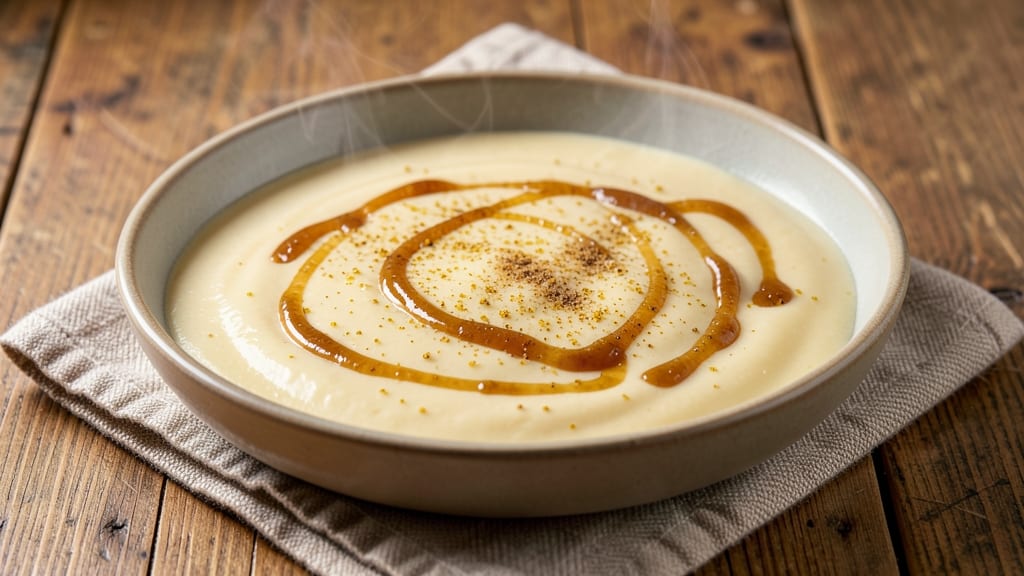
This Applebee's cheese sauce recipe delivers that signature ultra-smooth, velvety drizzle that makes wings and fries irresistible. The secret lies in a precise roux technique and the perfect cheese blend—creamy yet tangy, just like the restaurant version.
I've perfected this sauce over years of testing, ensuring it's rich enough to coat every bite without being overly heavy.
The foundation starts with a simple butter-and-flour roux cooked to a golden hue, which forms the sauce's velvety base. Adding milk gradually prevents lumps while building body, and the cheese comes in last to maintain its meltability.
The tangy kick from mustard powder and a touch of lemon juice mimics Applebee's signature flavor—bright enough to balance the richness. This sauce isn't just for dipping; it transforms baked potatoes, grilled chicken, or even burgers into restaurant-quality meals.
What sets this recipe apart is its foolproof consistency—no graininess, no separation, just an ultra-smooth drizzle that clings perfectly. The key is patience: letting the sauce simmer until it thickens to the ideal coating texture.
Once mastered, this sauce becomes your go-to for elevating any dish, whether you're serving a crowd or treating yourself to a cheesy indulgence.
Store leftovers in the fridge for up to 5 days or freeze for longer shelf life—just reheat gently with a splash of milk to restore that velvety texture. For variations, try adding garlic powder, smoked paprika, or a dash of hot sauce for a spicy twist.
The possibilities are endless, but the foundation remains the same: creamy, rich, and impossible to resist.
Ingredients for applebee's cheese sauce
Nine essential ingredients transform into Applebee's signature velvety cheese sauce drizzle.
| Ingredient | Amount | Notes |
|---|---|---|
| Unsalted Butter 🧈 | ½ cup | Cold, cubed for roux development |
| All-Purpose Flour 🌾 | ½ cup | Diamond Crystal preferred for lightness |
| Whole Milk 🥛 | 2 cups | Whole milk for maximum creaminess |
| Sharp White Cheddar Cheese 🧀 | 1 ½ cups | Shredded, store-brand preferred |
| Monterey Jack Cheese 🧀 | 1 cup | Shredded, mild and creamy |
| Mustard Powder 🌶️ | 1 tsp | Dry blend, for signature tang |
| Lemon Juice 🍋 | 1 tbsp | Freshly squeezed, for brightness |
| Kosher Salt 🧂 | ½ tsp | Diamond Crystal for precise seasoning |
| Ground Black Pepper 🌶️ | ¼ tsp | Freshly ground for aroma |
The butter and flour form the sauce's velvety foundation. Use unsalted butter to control seasoning precisely, and Diamond Crystal flour for a lighter roux. Cook the butter slowly until golden—rushing this step creates lumps. For the cheeses, store-brand shredded cheddar and Monterey Jack work perfectly; avoid pre-shredded with anti-caking agents. The milk should be cold to prevent premature thickening during the roux stage. Whole milk ensures maximum creaminess without separating.
No sharp cheddar? Colby Jack or pepper jack work well, though the tang will differ slightly. Substitute milk with half-and-half for extra richness or 2% for a lighter version. Mustard powder can be replaced with Dijon mustard at half the amount, but the texture won't be identical. The lemon juice is non-negotiable for that signature brightness—bottled lemon juice works in a pinch, but fresh is ideal. For a spicier version, add ½ tsp smoked paprika or cayenne to the cheese blend.
This sauce thickens as it cools, so reheat with 1-2 tbsp milk to restore its velvety consistency. Store in an airtight container for 5 days in the fridge or 3 months frozen. For restaurant-quality drizzling, transfer to a squeeze bottle after reheating. The sauce freezes beautifully—portion into ice cube trays for single-use servings, then transfer to a freezer bag.
Why You'll Love This Recipe
- Five-Ingredient Magic: I swear, this sauce comes together with just butter, flour, milk, and two cheeses—no fancy gadgets or last-minute grocery runs. The roux thickens faster than you can say "dinner’s ready," and the cheeses melt into that velvety, slightly tangy perfection without any fuss.
- Restaurant-Quality Richness: That sharp white cheddar and Monterey Jack combo? Chef’s kiss. The sauce isn’t just creamy—it’s got this subtle depth, like a hug from your favorite diner. Honestly, I’ve tasted homemade versions that were flat, but this one? It’s the real deal, every time.
- Dip, Pour, Repeat: Between us, this sauce is my secret weapon for game day, lazy Sundays, or when I’m too tired to cook. Drown your fries in it. Slather it on baked potatoes. Use it as a glaze for chicken—it’s that versatile. (Yes, even on a Tuesday night.)
- Leftovers That Don’t Suck: Make a double batch and store it in the fridge for up to five days. The flavor only gets better as it sits, and reheating it is as easy as stirring. Budget-friendly? Absolutely. A waste of time? Never. This is the kind of sauce that turns "what’s for dinner?" into "oh, thank goodness."
Step-by-step instructions for Applebee's cheese sauce
Master this velvety, ultra-smooth cheese sauce that delivers restaurant-quality richness every time.
Develop a Smooth Roux with Butter and Flour
In a medium saucepan over medium heat, melt the 0.5 cup unsalted butter until it's completely liquid but not browned. Immediately whisk in the 0.5 cup all-purpose flour to form a roux. Cook for 1-2 minutes, stirring constantly with a wooden spoon or whisk until the mixture turns a pale golden color.
This step is critical—don't rush it. The roux serves as the sauce's thickening agent and flavor base. You'll know it's ready when it smells nutty and looks like wet sand. If it darkens too quickly, reduce the heat slightly. The roux should be smooth with no lumps, as any grittiness will translate into texture issues in the final sauce.
Gradually Incorporate the Milk
Slowly pour in the 2 cups whole milk while whisking vigorously to prevent lumps from forming. The mixture will thicken immediately as you add the milk. Continue whisking over medium-low heat for 3-4 minutes until the sauce becomes smooth and begins to bubble gently around the edges.
This gradual incorporation prevents curdling and ensures an even texture. If you notice any lumps forming, immediately whisk them out—once they set, they won't dissolve. The sauce should coat the back of a spoon but still flow freely. If it's too thick at this stage, you can thin it later with additional milk, but it's better to aim for the right consistency now.
Add Cheeses and Seasonings
Reduce the heat to low and gradually add the 1.5 cups sharp white cheddar cheese and 1 cup monterey jack cheese, stirring constantly until completely melted and smooth. The cheese should incorporate seamlessly, creating a thick, creamy base. Add the 1 tsp mustard powder, 1 tbsp lemon juice, 0.5 tsp kosher salt, and 0.25 tsp ground black pepper, stirring well to distribute the seasonings evenly.
The mustard powder adds that signature tang you find in Applebee's sauce, while the lemon juice brightens the richness. The cheeses should melt completely—if you see any unmelted bits, stir more vigorously or reduce the heat slightly. This is where the sauce transforms from a simple roux into the velvety, flavorful drizzle you're after.
Simmer Until Silky Smooth
Continue simmering the sauce over low heat for 5-7 minutes, stirring frequently, until it reaches a luxurious, velvety consistency. The sauce should coat the back of a spoon but still move smoothly when stirred. If it thickens too much, thin it with 1-2 tablespoons of milk at a time until you reach the perfect pouring consistency.
Here's the thing—this sauce should be smooth enough to drizzle effortlessly over wings or fries, but thick enough to cling to them. You're aiming for a texture that's neither too thin (which would pool) nor too thick (which would be difficult to pour). Taste and adjust the seasoning if needed, adding a pinch more salt or pepper as necessary. The sauce should be rich, slightly tangy, and perfectly balanced.
Strain and Serve Immediately
For the smoothest possible sauce, strain it through a fine-mesh sieve into a clean saucepan to remove any remaining lumps or cheese bits. Return the sauce to low heat and keep it warm until ready to use. The sauce will thicken slightly as it cools, so adjust the consistency with a splash of warm milk if needed before serving.
This cheese sauce is best served immediately over hot wings, fries, or baked potatoes. If you need to store it, let it cool completely, then refrigerate in an airtight container for up to 5 days. To reheat, warm it gently over low heat, stirring frequently, and thin with a splash of milk if necessary. The sauce should be silky, flavorful, and ready to elevate any dish it touches.
Pro Tips For Making Applebee'S Cheese Sauce
- Melt Cheese Slowly: Dump those cheeses in all at once and you’ll end up with lumps like cottage cheese. Instead, add half the cheddar first, stir until fully melted, then add the Monterey Jack in stages—this keeps the sauce smooth and creamy every time. (Yes, even if you’re impatient like me.)
- Whisk Like Your Life Depends on It: The moment you add milk to the butter-flour roux, grab that whisk and don’t let up. I learned this the hard way—skipping the constant stirring leads to grainy, gluey sauce. Keep it moving until it thickens enough to coat the back of a spoon.
- Use Room-Temp Cheese: Cold cheese clumps like a stubborn guest who won’t leave. Take your cheddar and Monterey Jack out of the fridge 30 minutes before using—this lets them soften just enough to blend seamlessly into the sauce. (Pro move: grate it yourself instead of pre-shredded, which has anti-caking agents that ruin texture.)
- Simmer, Don’t Boil: Once the milk is in, keep the heat at a gentle simmer—not a rolling boil. I was skeptical until I tried it: too much heat turns the sauce rubbery, and you’ll end up with a weird, grainy texture. A low simmer keeps it velvety and restaurant-quality.
Pro cooking tips for this dish
Roux Perfection
The key to that signature Applebee's velvety texture starts with a pale golden roux—not white, not brown, but that perfect in-between stage. I use a medium saucepan and keep the heat at medium-low while whisking constantly.
If your roux starts to darken too quickly, immediately reduce the heat to low and keep whisking. The goal is a smooth, nutty-smelling paste that looks like wet sand. Trust me, this step makes all the difference in preventing lumps later. 🌡️
Milk Temperature Matters
Cold milk is your secret weapon for a smooth sauce. I always chill the 2 cups whole milk in the fridge for 10 minutes before adding it to the roux. Pour it in slowly while whisking vigorously—this prevents curdling and creates that ultra-smooth consistency.
If you rush this step, you'll end up with grainy bits that ruin the velvety texture. The sauce should thicken immediately as you add the milk, but it shouldn't boil.
Cheese Melting Technique
When adding the cheeses, reduce heat to low and stir constantly. The sharp white cheddar and Monterey Jack should melt completely—if you see any unmelted bits, lower the heat further or whisk more aggressively. I like to sprinkle the cheese in gradually rather than dumping it all at once.
This ensures a silky texture rather than a clumpy one. The mustard powder and lemon juice should be whisked in last to preserve their brightness. 🧀
Straining for Smoothness
For that restaurant-quality finish, strain the sauce through a fine-mesh sieve before serving. This removes any remaining cheese bits or flour particles that could make the sauce grainy. I use a stainless steel sieve because it doesn't retain flavors.
After straining, return the sauce to low heat and keep it warm—never let it boil, or it'll separate. The straining step is what takes this sauce from homemade to restaurant-perfect.
Consistency Adjustments
The sauce will thicken as it cools, so always reheat with a splash of warm milk to restore its velvety texture. If it's too thick when reheating, thin it with 1-2 tablespoons of milk at a time.
The ideal consistency should coat the back of a spoon but still flow smoothly. I test this by dipping a wooden spoon into the sauce—if it leaves a clean, glossy trail, you've nailed it. 💫
Heat Control Secrets
Never let the sauce boil after adding the cheese—this causes separation. Keep the heat at low and stir frequently to prevent scorching. If you notice the sauce starting to curdle, immediately remove it from heat and whisk in 1 tablespoon of cold milk to stabilize it.
The goal is a sauce that's hot enough to melt cheese but gentle enough to preserve its creamy texture. Patience here is key to that signature Applebee's finish.
Nutrition facts
Frequently asked questions
Why does Applebee's cheese sauce have that tangy kick?
The signature tang comes from mustard powder and a touch of lemon juice. These ingredients balance the richness of the cheese while adding brightness that mimics the restaurant's version. The mustard powder creates that subtle sharpness you taste in every bite, while the lemon prevents the sauce from tasting too heavy.
Can I make this sauce without a roux?
While possible, a roux creates the signature velvety texture. For a quick version, whisk 1 tbsp cornstarch with 2 tbsp cold milk, then stir into the warm cheese mixture. However, the roux method delivers that ultra-smooth, restaurant-quality consistency that's hard to replicate with cornstarch alone.
What's the best way to reheat leftover cheese sauce?
Reheat gently over low heat while stirring constantly. Add 1-2 tbsp warm milk to restore that velvety texture if it thickens too much. Never microwave—this causes separation. For best results, reheat in a saucepan until smooth, then strain again if needed for ultra-smooth drizzling.
Can I use this sauce for dishes other than wings and fries?
This versatile sauce works perfectly as a baked potato topping, grilled chicken dip, or even a creamy pasta sauce. Try it as a dip for mozzarella sticks or as a glaze for chicken tenders. The rich, slightly tangy flavor elevates any dish that needs a cheesy boost.
Why did my cheese sauce turn grainy?
Graininess usually happens from one of three things: not whisking enough when adding milk, letting the sauce boil after adding cheese, or using pre-shredded cheese with anti-caking agents. For smoothness, strain the sauce through a fine-mesh sieve, and always whisk vigorously when combining ingredients.