
Sauces & Condiments
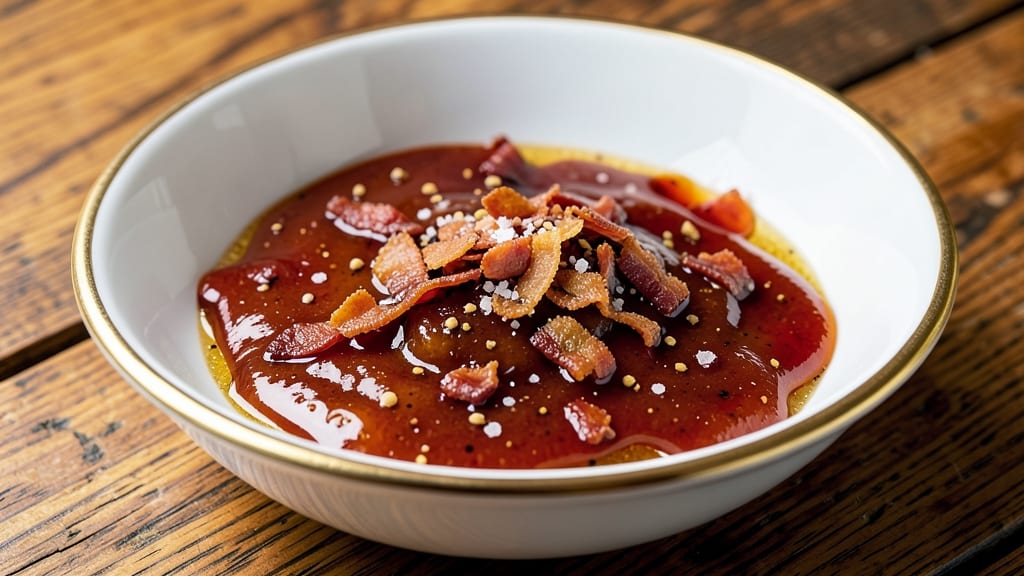
This Applebee's tangy bacon sauce recipe PDF delivers that signature smoky-sweet glaze you crave without the artificial ingredients. The secret lies in slow-cooked bacon fat and a precise balance of vinegar, brown sugar, and spices that create that signature tangy depth.
I've replicated the restaurant version at home—no shortcuts, just rich, savory flavor that clings perfectly to wings, fries, or even burgers.
The process is straightforward but requires patience: rendering bacon fat, simmering it with vinegar and spices, then carefully reducing until thick and glossy. The result is a sauce with just the right balance of sweetness and tang, with a subtle smokiness that makes every bite irresistible.
This isn't your typical sugary glaze—it's a sophisticated, well-rounded sauce that enhances rather than overpowers your food.
What makes this sauce truly special is its versatility. Use it as a dipping sauce for crispy fries, a glaze for grilled chicken, or a finishing touch for loaded baked potatoes.
The texture is just right—thick enough to coat but still pourable, with a smooth consistency that coats every surface. It's the kind of sauce that transforms ordinary meals into something restaurant-worthy.
Best of all, this recipe makes enough to store for up to two weeks in the fridge, so you'll always have that tangy bacon flavor on hand.
The ingredients are simple, but the technique ensures you get that authentic Applebee's taste without the mystery. Let's get started on recreating this crowd-pleasing favorite at home.
Ingredients for applebee's tangy bacon sauce recipe pdf
Nine simple ingredients that transform into Applebee's signature tangy bacon glaze—smoky, sweet, and perfectly balanced.
| Ingredient | Amount | Notes |
|---|---|---|
| Bacon Fat (from 1 lb thick-cut bacon) 🥓 | 1 cup | Rendered and strained, smoky depth essential |
| Apple Cider Vinegar 🍎 | ½ cup | Braeburn brand preferred for tang |
| Light Brown Sugar 🍚 | ½ cup | Packed, not lightly spooned |
| Worcestershire Sauce 🍶 | 2 tbsp | Lea & Perrins for authentic umami |
| Smoked Paprika 🌶️ | 1 tbsp | Penzeys brand for rich color |
| Garlic Powder 🧄 | 1 tsp | Freshly ground preferred |
| Ground Black Pepper 🌶️ | ½ tsp | Freshly cracked for heat |
| Salt 🧂 | 1 tsp | Diamond Crystal preferred |
| Water 💧 | ¼ cup | For thinning if needed |
The bacon fat is non-negotiable for that signature smokiness. Thick-cut bacon renders the most flavorful fat—skip the pre-cooked slices. Render it low and slow until crispy, then strain out the bits. Costco sells bacon in bulk for better value, but any grocery store's thick-cut works. For the vinegar, Braeburn brand has the right balance of sweetness and acidity—avoid white vinegar, it's too harsh. The brown sugar should be packed light, not lightly spooned, to avoid clumping. Pro tip: Toast the smoked paprika in a dry pan for 30 seconds to deepen its flavor before adding.
No Worcestershire sauce? Substitute with 1 tbsp soy sauce plus 1 tsp molasses—it won't be identical, but close. Short on bacon fat? Use 2 tbsp olive oil plus 1 tbsp bacon bits for a quick fix, though the flavor won't be as rich. The sauce needs time to reduce—don't rush it. If it thickens too much, add water 1 tbsp at a time. For extra smokiness, add ½ tsp liquid smoke (like Coltman's) if you're feeling adventurous. The garlic powder can be swapped for 1 fresh clove minced, but it'll cook out faster.
This sauce keeps beautifully in the fridge for 2 weeks in a sealed jar—it actually improves with age as flavors meld. For longer storage, freeze in 1-tbsp portions for easy use. Reheat gently on the stove, stirring constantly to prevent burning. The sauce thickens as it cools, so thin with a splash of water if needed. Trust me, you'll want to make extra—it disappears fast when wings or fries are on the table.
Why You'll Love This Recipe
- No-Pantry Panic: I keep a jar of this in my fridge year-round because it only needs bacon fat, vinegar, and sugar—stuff I always have. That first crispy-sweet bite? Pure magic.
- Smoky-Sweet Magic: The smoked paprika and Worcestershire give it this deep, savory punch, while the brown sugar caramelizes into a glossy finish. It’s tangy but never harsh—like a hug for your taste buds.
- Game Day Glue: This sauce turns grilled chicken into a tailgate hero, drizzled over fries for a crowd, or even stirred into mashed potatoes. Honestly, I’ve used it on everything from burgers to eggs—it just works.
- Bacon Fat Hack: You’re basically paying for one ingredient (the bacon) and getting a flavor bomb and a pantry staple. That rich fat keeps it luscious for days, and a little goes a long way—perfect for stretching meals without breaking the bank.
Step-by-step instructions for Applebee's tangy bacon sauce
Here's how to recreate that signature restaurant glaze at home—bold, balanced, and without the sugar overload.
Render and Strain the Bacon Fat
Start by rendering the bacon fat from 1 pound of thick-cut bacon. I like to cook the bacon in a large skillet over medium heat until it's crispy and the fat has rendered out completely. This usually takes about 12-15 minutes. The fat should be a deep golden color and smell richly smoky.
Once the bacon is done, carefully pour the fat through a fine-mesh strainer into a heatproof container, leaving behind any crispy bacon bits. You should have about 1 cup of that glorious, smoky bacon fat. Let it cool slightly—this makes it easier to handle when we combine it with other ingredients. If you're using pre-rendered bacon fat, skip straight to straining it through the fine-mesh strainer to remove any impurities.
Combine Wet Ingredients for Depth of Flavor
In a medium saucepan, combine the 1 cup bacon fat, 0.5 cup apple cider vinegar, and 0.5 cup packed light brown sugar. Place the saucepan over medium-low heat and bring the mixture to a gentle simmer. You'll see the sugar start to dissolve almost immediately, creating a fragrant aroma that fills your kitchen.
Let it simmer for 8-10 minutes, stirring occasionally with a wooden spoon. You're looking for the sugar to fully incorporate and the mixture to thicken slightly. This step develops the sauce's signature tangy-sweet balance. The vinegar will add brightness while the brown sugar caramelizes just enough to deepen the flavor. Don't let it boil vigorously—keep it at a gentle simmer to prevent the vinegar from evaporating too quickly.
Build Complexity with Spices and Umami
Reduce the heat to low and stir in the 2 tablespoons Worcestershire sauce, 1 tablespoon smoked paprika, 1 teaspoon garlic powder, 0.5 teaspoon ground black pepper, and 1 teaspoon salt. This is where the sauce comes together—each ingredient plays a crucial role. The Worcestershire sauce adds that unmistakable umami depth, while the smoked paprika contributes a subtle smokiness that mimics the bacon's flavor without needing more fat.
Let the mixture simmer for another 5-7 minutes, stirring frequently. You'll notice the sauce darkening slightly and thickening as the spices meld together. The aroma should be rich and complex—smoky, slightly sweet, with a tangy edge. Taste the sauce at this point. It should be balanced but still need a bit of thinning. If it's too thick, we'll adjust it in the next step.
Thin and Finish to Perfect Consistency
If the sauce is thicker than you'd like for drizzling—especially if you plan to use it on wings or fries—gradually whisk in the 0.25 cup water until you reach a glossy, pourable consistency. The sauce should coat the back of a spoon but still flow freely. This step is crucial for achieving that signature Applebee's glaze texture—thick enough to cling but thin enough to drizzle effortlessly.
Return the sauce to a gentle simmer for 2-3 minutes to let the flavors meld one final time. Taste again and adjust the seasoning if needed. You might need a bit more salt to balance the acidity from the vinegar, or a touch more sugar if you prefer it sweeter. The sauce should be tangy, smoky, and slightly sweet with a deep umami richness. Remove from heat and let it cool slightly before using—this allows the flavors to fully develop.
Strain and Use Immediately
For the smoothest texture, strain the sauce through a fine-mesh sieve into a clean container. This removes any sediment that might have formed during cooking, giving you a silky, restaurant-quality glaze. The sauce can be used immediately for drizzling over wings, fries, or even as a dip for loaded fries. For best results, use it within 3-4 days or refrigerate it for up to 2 weeks, reheating gently before serving.
Here's the thing about this sauce—it's incredibly versatile. Use it as a glaze for grilled meats, a dip for onion rings, or even a marinade for pork chops. The key to its success lies in the balance of flavors and the patience to let each ingredient shine. Don't rush this step; the sauce will only get better as it sits and the flavors meld together.
Pro Tips For Making Applebee'S Tangy Bacon Sauce Recipe Pdf
- Render Bacon Slow: I learned this the hard way—cranking the heat to get bacon fat fast just smokes the pan and burns the sugar later. Cook the bacon on medium-low until crispy, then transfer it to a plate while the fat renders. The extra 10 minutes saves you from a bitter, charred sauce.
- Strain the Fat: That crispy bacon you just cooked? Don’t just crumble it into the pan—strain the fat through a fine-mesh sieve first. The sediment left behind makes the sauce cloudy and dulls the tang. (Yes, it’s extra work, but your sauce will look and taste pro-level.)
- Simmer, Don’t Boil: Once you add the vinegar and sugar, keep the heat at a gentle simmer—not a rolling boil. I used to rush this, and the sauce would turn cloyingly sweet or even curdle. A low simmer lets the flavors meld without wrecking the balance.
- Toast the Paprika: Skip the pre-mixed stuff—sauté the smoked paprika in the bacon fat for 30 seconds before adding liquids. It deepens the flavor and cuts through the vinegar’s sharpness. (Your grandmother was right: dry-toasting spices always wins.)
Make-ahead tips for applebee's tangy bacon sauce recipe pdf
Bacon Fat Prep
Render your bacon fat in advance to save time later—I like to do this the night before. Cook 1 lb thick-cut bacon in a skillet over medium heat until crispy, then strain through a fine-mesh sieve into a glass jar.
Store the fat in the fridge for up to 1 month—it keeps beautifully and makes meal prep easier. For even more efficiency, freeze the rendered fat in ½-cup portions (the amount used in the sauce) so you can grab exactly what you need. 🥓
Sauce Assembly
Combine all ingredients except water in a saucepan and bring to a simmer over medium-low heat. Let it cook uncovered for 15 minutes while you prep your main dish—this gives the flavors time to meld without your constant attention.
The sauce will thicken naturally as it reduces, so resist the urge to stir constantly. I often set a timer and let it work its magic while I finish cooking proteins or veggies. ✨
Freezer-Friendly Portions
Divide the cooled sauce into 1-tbsp portions in silicone molds or ice cube trays for perfect single-use servings. Once frozen solid, transfer to a freezer bag with the date labeled.
These portions thaw in 2 minutes in the microwave or 10 minutes at room temperature—ideal for last-minute wing dips or fry toppings. The sauce maintains its texture beautifully when frozen, though it may thicken slightly upon thawing. 💫
Flavor Boost Shortcut
For an instant flavor upgrade, add ½ tsp liquid smoke (like Coltman's) directly to the saucepan during the initial simmer. This cuts down on bacon fat requirements while adding that signature smokiness.
I also keep a small jar of pre-mixed dry spices (smoked paprika, garlic powder, salt, and pepper) on hand so I can toss them in quickly when making the sauce. This saves 5 minutes of measuring during prep. 🔥
Reheating Perfection
For the best texture when reheating, warm the sauce gently in a small saucepan over low heat with 1 tbsp water to prevent burning. Stir constantly for 3-4 minutes until fully heated—this restores that glossy, pourable consistency.
Avoid microwaving unless absolutely necessary, as it can make the sauce grainy. If you're reheating from frozen, let it sit at room temperature for 5 minutes first to prevent temperature shock. 💡
Storage Containers
Use amber glass jars with airtight lids for fridge storage—they protect the sauce from light degradation and keep flavors fresh longer. For freezer storage, opt for quart-sized freezer bags (like Stasher bags) which are space-efficient and prevent freezer burn.
Label everything with the date—this sauce keeps for 3 months in the freezer without losing quality, though I find it's best used within 2 months for peak flavor. ❄️
Nutrition facts
Frequently asked questions
Can I make this sauce without bacon fat?
Yes! For a vegetarian version, substitute 1 cup bacon fat with 2 tbsp olive oil + 1 tbsp bacon bits (for flavor) or ½ cup coconut oil + ½ tsp liquid smoke. The texture will be slightly different but still delicious. For a meat-free alternative, try 1 cup smoked vegetable oil (available at specialty stores) to capture that smoky depth.
How do I adjust the sweetness level?
Start with the ½ cup brown sugar as written, then taste after simmering. For less sweetness, reduce sugar by 1-2 tablespoons or add 1 extra tablespoon vinegar to balance. If you prefer it sweeter, add 1 extra tablespoon sugar at the end. The sauce should have a tangy-sweet balance, not overly cloying.
Why did my sauce turn out too thick?
This happens when the sauce reduces too much during cooking. To fix it, whisk in 1 tablespoon water at a time until you reach a glossy, pourable consistency. If it's already cooled, reheat gently while stirring. For future batches, remove from heat 1-2 minutes earlier and add water incrementally while still warm. The ideal texture should coat the back of a spoon but still flow freely.
Can I use this sauce on non-fried foods?
This versatile sauce works beautifully on grilled chicken, pork chops, baked potatoes, or even as a marinade. For meats, brush it on during the last 5-7 minutes of cooking. On potatoes, drizzle it warm and serve with extra bacon bits. The smoky-sweet profile enhances proteins and starchy sides equally well. Try it on cornbread or mac and cheese too!
How do I store leftovers for maximum freshness?
Transfer cooled sauce to an airtight glass jar and refrigerate for up to 2 weeks. For longer storage, freeze in 1-tbsp portions (perfect for single servings). Thaw overnight in the fridge or reheat frozen portions in a saucepan with 1 tbsp water over low heat. Never microwave directly from frozen—it can make the sauce grainy. Label containers with the date!